Support

Kobuk

About

Welcome to Kobuk, a remote and captivating village nestled in the heart of the Alaskan wilderness. Situated on the right bank of the majestic Kobuk River, this tiny community offers a rare glimpse into life above the Arctic Circle. As a destination within the United States, it stands out for its isolation, pristine natural beauty, and the quiet resilience of its people.

With a population of approximately 100 residents, Kobuk is one of the smallest villages in the Northwest Arctic Borough. The settlement is surrounded by spruce forests and tundra, experiencing a subarctic climate with long, cold winters and short, surprisingly warm summers. For those interested in how this community came to be, the history of Kobuk reveals a fascinating past rooted in mining supply points and traditional Inupiat subsistence living.
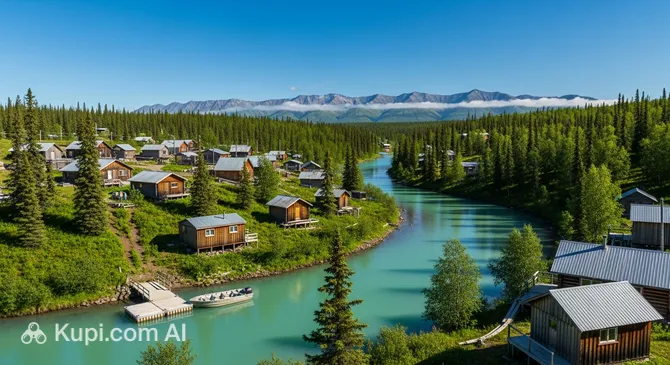
Kobuk. Source: Kupi.Binoculars

Despite its small size, the area is a gateway to some of Alaska's most unique natural wonders. Adventure seekers are often drawn here to access the Kobuk Valley National Park, famous for the Great Kobuk Sand Dunes—an unexpected expanse of golden sands rising in the middle of the Arctic wilderness. The river itself is a paradise for anglers, particularly known for its abundance of sheefish, offering a world-class fishing experience in absolute solitude.

If you are looking to escape the hustle of modern cities and immerse yourself in raw nature, Kobuk is an unforgettable destination. Whether you are hoping to witness the dancing Northern Lights in winter or explore the midnight sun in summer, a visit here promises a profound connection with the wild spirit of the North.

Weather Overview

The climate in this remote Alaskan village is characterized by extreme seasonal contrasts, typical of the Arctic interior. Visitors should be prepared for long, freezing winters and short, relatively mild summers. For a more detailed forecast and historical data to help plan your trip, you can consult the guide to the weather in Kobuk.

Winter holds a firm grip on the region for much of the year. January is typically the coldest month, with average temperatures dropping to -23.0°C and minimums often reaching -25.8°C. The cold persists well into spring, requiring heavy thermal gear for any outdoor activity. In contrast, the summer months offer a pleasant thaw. July is usually the warmest time, with average temperatures around 14.8°C and highs occasionally reaching 18.5°C, creating comfortable conditions for exploring the surrounding wilderness.

Precipitation patterns here are unique; while the total volume of rainfall is quite low throughout the year, the frequency of precipitation varies. Expect mild summers with frequent damp days, as August can experience up to 18 wet days despite only accumulating about 5mm of precipitation. Conversely, the winter months are drier in terms of frequency, though the snow that falls tends to stay due to the freezing temperatures.

Interesting Facts

Beyond the scenic river and forests, Kobuk holds several fascinating details that are often overlooked by casual observers. Here are some intriguing aspects of this small Arctic community that highlight its unique place in history and geography.

  • The Original Shungnak: Kobuk was actually the original site of the village known as Shungnak. In the 1920s, river erosion forced most of the population to relocate downstream to found a new settlement, while the few residents who remained at the "Old Shungnak" site eventually renamed their village Kobuk.

  • A Mountain of Gems: The village is situated near the Jade Mountains, a range largely composed of nephrite jade, which is Alaska's state gem. This mineral wealth is so abundant that raw green stones can sometimes be found along the riverbanks, and the material has been used by locals for generations to craft tools and jewelry.

  • Martian Landscapes: While the nearby Great Kobuk Sand Dunes are a known attraction, few realize their scientific importance. Because these Arctic dunes move slowly and freeze in winter, NASA has used them as a terrestrial analog to study the behavior of polar sand dunes on Mars.

  • Ancient History: Just a short boat ride away lies the Onion Portage archaeological site, often described as the most significant of its kind in the Arctic. Excavations here have revealed evidence of human activity spanning roughly 10,000 years, documenting the presence of nine different cultures that have called this river valley home.

How to Get There

Reaching the isolated community of Kobuk is a true wilderness experience. Located deep in the Northwest Arctic Borough, the village is not connected to Alaska's road system, making air travel the primary means of access. Visitors should be prepared for a multi-leg journey involving smaller aircraft. You can find out more about how to get to Kobuk and prepare for the logistics of Arctic travel.

The village is served directly by its own small airstrip, Kobuk Airport. Travelers typically arrive via connecting flights from the regional hub, Ralph Wien Memorial Airport (OTZ) in Kotzebue. Small bush planes operate scheduled and charter services from Kotzebue, offering scenic views of the tundra and river valleys during the flight. While the neighboring village of Shungnak is geographically close, air travel directly to Kobuk is the standard route for visitors.

For context on the aviation infrastructure in this vast region, here is a list of nearby airfields and the main regional hub:

Airport Name City Distance from Kobuk (km)
Shungnak Airport Shungnak 12.1
Ralph Wien Memorial Airport Kotzebue 250.3
Edward G. Pitka Sr. Airport Galena 242.2
Nulato Airport Nulato 249.5

There are no railway stations or highways leading to Kobuk. The village remains inaccessible by car from the rest of the state. Once in the village, travel is done on foot, by ATV, or by boat on the Kobuk River during the summer months, while snowmachines are the primary mode of transport in winter.

Main Attractions

While Kobuk is a small and quiet village, it serves as a premier gateway to some of the most spectacular and untouched wilderness in North America. The attractions here are not man-made structures, but rather vast natural wonders that offer solitude and adventure. Here are the main sites that draw intrepid travelers to this remote corner of the Arctic.

Kobuk Valley National Park is undoubtedly the region's crown jewel. Encompassing nearly 1.8 million acres, this park is unique because it has no road access, making it one of the least visited but most pristine national parks in the country. It is home to the massive Western Arctic Caribou Herd, which migrates through the area twice a year. For visitors, the park offers unparalleled opportunities for backcountry hiking, camping, and wildlife photography in a landscape that has remained unchanged for millennia.

Within the national park lies its most surreal feature, the Great Kobuk Sand Dunes. Often dubbed the "Sahara of the Arctic," these golden sands cover approximately 25 square miles and stand in stark contrast to the surrounding boreal forest and tundra. Rising up to 100 feet high, the dunes are a remnant of the last Ice Age and offer a hiking experience unlike any other. Standing atop a dune in the summer heat while looking out at snow-capped mountains is a visual paradox that defines the magic of this region.

The Kobuk River itself is a major attraction for anglers and boaters. Known as a world-class fishery, it attracts enthusiasts hoping to catch the elusive sheefish, also known as the "tarpon of the North." These large, fighting fish are abundant in these waters, particularly during the summer months. Beyond fishing, the river provides a scenic "highway" for floating and boating, allowing visitors to drift past towering jade-colored cliffs and observe moose and bears along the banks.

For those interested in the deep history of human habitation in the Arctic, Onion Portage is a significant landmark located a short distance downstream from the village. This archaeological site is situated at a major caribou river crossing and has been used by hunters for thousands of years. While it is an active excavation site and a place of historical study, its location along the river makes it a poignant spot to reflect on the enduring relationship between the land and its people.

Local Cuisine

The culinary landscape of Kobuk is defined not by commercial restaurants or cafes, but by the subsistence lifestyle of its residents. In this remote Inupiat village, food is inextricably linked to the seasons, the river, and the surrounding tundra. For visitors, the "local cuisine" is a rare opportunity to taste ingredients harvested directly from the wild, offering flavors that are as organic and fresh as nature allows.

The undisputed star of the local diet is the sheefish (Inconnu). Caught in the pristine waters of the Kobuk River, this large fish has a rich, white, and flaky meat that is highly prized. Locals prepare it in various ways depending on the season: it might be dried and smoked for preservation, baked, or eaten raw and frozen as quaq, a traditional delicacy often enjoyed with seal oil. If you are visiting as a guest of a local family or a lodge, tasting fresh sheefish is an essential part of the experience.

Beyond the river, the land provides hearty staples such as caribou and moose. Caribou meat, harvested from the migrating herds, is typically used in stews, soups, or roasts, providing essential nutrition during the cold months. In late summer, the tundra comes alive with berries. Blueberries, cranberries, and cloudberries (salmonberries) are gathered by hand and often used to make Akutaq—commonly known as "Eskimo Ice Cream." This unique dish traditionally blends whipped fat (such as caribou or seal fat) with snow and berries, though modern versions often incorporate vegetable shortening and sugar.

It is crucial for tourists to understand the dining logistics in Kobuk. There are no restaurants, bars, or street food vendors in the village. Visitors must be self-sufficient. If you are planning a trip, you should purchase groceries and supplies in a larger hub like Kotzebue or Anchorage before flying in. While there is a small general store in the village, its stock is limited to basic non-perishable goods and snacks. Most travelers rely on their own camping provisions or the meal services provided by guided tour operators and wilderness lodges located outside the village proper.

Regarding beverages, the most common drink is simply hot tea or coffee, essential for staying warm in the Arctic climate. However, the water itself is a highlight; many consider the water from the Kobuk River and nearby clear streams to be among the purest and most refreshing in the world. Alcohol is generally not sold in the village, and travelers should be respectful of local regulations and customs regarding its possession and consumption.

Travel Tips

Visiting a remote village like Kobuk requires a level of preparation far beyond the typical tourist experience. Because this community of just 100 people lives a subsistence lifestyle isolated from the road system, self-sufficiency and respect for local customs are the keys to a successful trip. Here are some practical tips to help you navigate your adventure in the Arctic wilderness.

  1. Clothing and Gear: The weather can change rapidly, so dressing in layers is essential year-round. In summer, the most critical accessory is a bug jacket or head net; the mosquitoes and biting flies in the Alaskan bush can be intense. Waterproof hiking boots are necessary for the muddy riverbanks. If visiting in winter, you need specialized arctic-grade parkas, insulated boots, and face protection, as temperatures drop dangerously low.

  2. Transportation: There is no public transport, taxi service, or car rental agency in Kobuk. The village is small enough to be navigated entirely by walking. For travel outside the immediate village area or upriver, you must arrange boat or ATV transport in advance with a local guide or lodge. Do not expect to find ride-hailing apps or paved roads here.

  3. Finances: Cash is king in rural Alaska. While the small village store may accept credit cards, telecommunication outages are common, rendering card readers useless. There are no ATMs in Kobuk. You should withdraw sufficient cash in Anchorage or Kotzebue before your flight to cover any incidental purchases, tips for guides, or emergency needs.

  4. Health and Safety: You are entering bear country. Always carry bear spray and know how to use it, especially when hiking near the river or dunes. Medical facilities are limited to a small local clinic for basic needs; serious emergencies require a medical evacuation flight to Kotzebue or Anchorage. Ensure your travel insurance covers medevac services.

  5. Communication: English is the primary language spoken by all residents, though you may hear Inupiaq among elders. Cell service is limited; GCI is the primary provider in rural Alaska, and other carriers often have no signal. Wi-Fi is rare and slow. It is highly recommended to download offline maps and bring a satellite communicator (like a Garmin inReach) if you plan to venture into the backcountry.

  6. Local Etiquette: Kobuk is a close-knit community, not a commercial tourist hub. Always greet locals when you pass them; a friendly wave goes a long way. Respect is paramount—ask for explicit permission before taking photographs of people, their homes, or their drying fish racks. Listen more than you speak, and you may learn incredible stories about the land.

  7. What to Avoid: Do not trespass on private property or disturb subsistence equipment. Fish nets, drying racks, and boats are vital tools for survival, not props for photos. Additionally, avoid bringing alcohol without checking the specific local laws first; many villages in the region are "dry" or "damp," meaning the sale or possession of alcohol is strictly regulated or banned.

  8. Food Logistics: Since there are no restaurants, you must bring your own food. The local store has very limited stock (mostly non-perishables) and prices are high due to air freight costs. Pack freeze-dried meals, snacks, and coffee to last the duration of your stay, and remember to pack out all your trash to keep the wilderness pristine.

By arriving well-prepared and with a humble attitude, you will find that the challenges of visiting Kobuk are far outweighed by the beauty of the landscape and the quiet dignity of life along the river. Treat the village and its surroundings with care, and you will leave with memories of a truly authentic Arctic experience.

Entertainment & Nightlife

Travelers arriving in Kobuk with expectations of a vibrant urban nightlife will quickly discover that evening entertainment here is defined by nature rather than neon lights. As a small, remote village with a population of around 100 people, there are no nightclubs, bars, pubs, or concert venues. The "nightlife districts" are the quiet banks of the river and the open tundra, where the silence is profound and the crowds consist of local wildlife rather than partygoers.

In this part of the Arctic, the concept of a "night out" depends entirely on the season. During the winter months, the primary form of entertainment is aurora hunting. With zero light pollution, Kobuk offers some of the most spectacular views of the Northern Lights on the planet. The "show" usually begins late in the evening, with ribbons of green and violet dancing across the dark sky. Visitors often spend their nights bundled up in thermal gear, standing outside their lodge or host's home, mesmerizingly watching the celestial display.

Conversely, during the summer, "nightlife" takes on a literal meaning—there is no night. Under the Midnight Sun, the sun remains above the horizon for weeks, blurring the line between day and evening. This allows for unique activities like midnight fishing on the Kobuk River or hiking the dunes at 2:00 AM in broad daylight. The atmosphere is surreal and energetic, as the continuous light often disrupts sleep patterns and encourages late-night conversations and outdoor activities.

It is important to note that Kobuk is a traditional village where the sale of alcohol is generally prohibited. There are no liquor stores or lounges. Social life revolves around community gatherings, visiting neighbors, and subsistence activities. If you are invited to a local gathering, the "dress code" is strictly practical: warm layers, wool socks, and durable boots are the standard attire regardless of the time of day.

For safety during evening explorations, visitors should be vigilant. Even within the village, bears can be active at night, especially near the river where fish are drying. It is advisable to walk in groups and carry a flashlight and bear spray, even if you are just stepping out to look at the stars. There are no taxis; getting around is done entirely on foot or, in winter, by snowmachine.

Regarding daytime entertainment, the options are equally focused on the wilderness. There are no movie theaters or amusement parks. Instead, days are spent exploring the natural surroundings, such as taking boat trips to the Kobuk Valley National Park or visiting the nearby archeological sites. For those seeking cultural enrichment, engaging with locals to learn about Inupiat traditions and history serves as the most valuable form of education and entertainment available in this remote outpost.

Parks & Museums

In the remote village of Kobuk, the concept of "parks and museums" is redefined by the vast, untamed wilderness that surrounds it. You will not find manicured city gardens or ticketed art galleries here. Instead, the entire region serves as a living museum of natural history and indigenous culture, where the land itself tells the stories of thousands of years of survival and adaptation.

The most significant natural area is undoubtedly the Kobuk Valley National Park. Unlike traditional parks with paved paths and fences, this is a raw expanse of Arctic woodland and tundra that requires a bush plane or boat to access. It protects a diverse ecosystem, including the migration path of the Western Arctic Caribou Herd. For visitors, the park offers a rare opportunity to experience nature in its most primitive form, offering silence and solitude that are increasingly hard to find in the modern world.

Within this park lies a geological phenomenon that acts as a natural gallery of Earth's history: the Great Kobuk Sand Dunes. These ancient, golden sands cover roughly 25 square miles and are a relic of the last Ice Age. Walking among them feels like stepping onto another planet or into a desert oasis surrounded by boreal forest. It is a place where the landscape defies expectations, serving as a stunning visual centerpiece for any trip to the region.

While there are no brick-and-mortar museums within the tiny village of Kobuk itself, the nearby Onion Portage Archaeological District functions as an unparalleled open-air museum. Located downstream on the Kobuk River, this National Historic Landmark has yielded artifacts dating back nearly 10,000 years. It provides a tangible timeline of human habitation in the Arctic, with stratified soil layers revealing the tools and camps of ancient cultures who hunted caribou at this very crossing.

For those seeking to view the physical artifacts recovered from the region, the cultural hub is actually located in the neighboring city of Kotzebue at the Northwest Arctic Heritage Center. Although not in Kobuk proper, this center is the repository for the history of the Kobuk Valley. It features museum-quality exhibits on the Inupiat lifestyle, local wildlife, and the archaeological finds from Onion Portage, effectively serving as the interpretive center for the lands you explore around Kobuk.

In terms of historical sites near the village, the remnants of the mining era and the original settlement site offer a glimpse into the past. Old Shungnak, located about 10 miles upstream, is the place from which many of Kobuk's current families originated before moving due to river erosion. Exploring the riverbanks can also feel like a treasure hunt; the area is rich in nephrite jade, and finding a raw piece of this green stone is like discovering a natural sculpture carved by the river.

An authentic way to experience the local "culture" is simply to observe the daily activities along the riverbank. The racks of drying sheefish and the parked riverboats are not exhibits, but active parts of a subsistence lifestyle that has persisted for generations. Visitors are reminded that this is a living community; respectfully observing these traditions offers a deeper understanding of Arctic life than any curated display could provide.

Getting Around

Travelers planning a visit to Kobuk must adjust their expectations regarding public transportation. As a remote village with a population of approximately 100 residents, there is absolutely no public transport system in the conventional sense. There are no buses, trams, trolleys, or metro lines here, nor are there any scheduled shuttle services circulating within the settlement. The infrastructure is minimal, consisting of gravel paths and trails rather than paved city streets.

Since there is no organized transit network, there is no need to worry about purchasing travel passes, smart cards, or validating tickets. The concepts of "zones," "fares," or "operating hours" do not apply in this wilderness setting. Navigating the village does not require any apps or complex payment schemes; simplicity is the rule of the land.

For the vast majority of visitors, the primary mode of getting around the village itself is walking. The footprint of the residential area is very small, and you can walk from one end of the village to the other in a matter of minutes. Practical advice for tourists centers on footwear rather than tickets: ensure you have durable, waterproof boots, as the unpaved roads can become muddy in summer and snowy in winter.

Regarding alternatives to public transport, you will not find taxis, car-sharing services like Uber, or bike rental stations. Instead, local transport is dictated by the terrain and the season. In the summer, ATVs (four-wheelers) are the standard vehicle for locals, while boats are used for travel along the river. During the winter months, snowmachines (snowmobiles) become the essential way to move across the frozen landscape. Visitors wishing to use these motorized methods usually need to arrange them through a private lodge or a local guide, often as part of a tour package.

While there are no historic cable cars or subways to admire, the "transport experience" in Kobuk is unique in its own right. The closest thing to a transport hub is the gravel airstrip, which serves as the lifeline for the community. Watching small bush planes land and take off is a reminder of the village's isolation, where air travel replaces the highway and the river replaces the railway.

Accommodation

Finding accommodation in Kobuk is significantly different from booking a hotel in a standard tourist destination. Due to the village's extremely small size and remote location, there are no commercial hotel chains, motels, or hostels. Visitors should not expect to find standard booking availability on major travel websites. Instead, accommodation is limited, rustic, and often integrated with guided wilderness experiences.

The primary option for comfort-seeking travelers is staying at a wilderness lodge. These facilities are typically located along the Kobuk River, either within the village or a short boat ride away. They cater specifically to anglers and adventure tourists, offering full-service packages that often include meals, guiding services, and equipment. These lodges provide a warm bed and essential amenities, serving as a cozy base camp after a day in the Arctic elements.

For those on a budget or seeking a true backcountry experience, camping is a popular choice. Visitors often camp on the gravel bars along the river or within the Kobuk Valley National Park. If you choose this option, you must be entirely self-sufficient, bringing high-quality, weather-resistant gear. While camping offers unparalleled freedom, it requires strict adherence to "Leave No Trace" principles and bear safety protocols.

In some cases, informal bed-and-breakfast arrangements with local families may be available, but these are not advertised publicly. They are usually arranged through personal connections or by contacting the city or tribal council in advance. This type of stay offers a unique cultural immersion but requires a high degree of respect for the host's private home and way of life.

Booking Tips and Prices:

  • Advance Planning: It is critical to arrange your accommodation months in advance. Do not arrive in Kobuk without a confirmed place to stay, as you may find yourself without shelter in a harsh environment.
  • Price Range: Expect to pay a premium. Wilderness lodges are generally in the high price range due to the cost of transporting fuel and supplies to the bush. Camping is free or low-cost, but the logistics of transporting gear can be expensive.
  • Payment Methods: Many local operators may not accept credit cards due to unreliable internet. It is advisable to clarify payment methods beforehand and carry sufficient cash or checks.

Ultimately, where you stay in Kobuk is determined by the nature of your trip. If you are there for world-class fishing, a lodge is the standard choice. If you are there for trekking the dunes, a tent under the midnight sun will likely be your home.

Nearby Cities

For those looking to explore the surroundings, Kobuk serves as an excellent base for day trips to several interesting nearby locations:

Kotzebue is the regional hub and the most prominent destination in the Northwest Arctic. Located approximately 250 kilometers away, it offers cultural amenities that are unavailable in smaller villages, including the Northwest Arctic Heritage Center. A visit here provides valuable context to the history and ecology of the entire region, allowing travelers to learn about the Inupiat culture and the diverse wildlife of the area in a museum setting.

Selawik presents a unique opportunity for nature enthusiasts. Situated near the Selawik National Wildlife Refuge, this village is surrounded by a complex network of wetlands and waterways. It is an ideal spot for those interested in birdwatching and understanding the rich biodiversity that sustains the local subsistence lifestyle, offering a landscape that contrasts with the dunes and forests of the upper Kobuk River.

Noorvik, located downstream, is another traditional community deeply connected to the river systems. Known for its strong cultural roots, the village offers a glimpse into the daily life of the Inupiat people as they adapt to the seasonal changes of the Arctic. Visiting Noorvik allows travelers to appreciate the vastness of the river delta and the resilience required to thrive in this remote environment.

City Population Distance (km)
Kotzebue 3300 250
Selawik 830 142
Noorvik 700 182
Buckland 550 216
Kivalina 400 342

These nearby destinations offer a glimpse into the diverse culture and landscapes of the region.

Shopping & Souvenirs

Shopping in Kobuk is a unique experience defined by the village’s remote location and subsistence lifestyle. Visitors should not expect a commercial retail environment, high streets, or fashion boutiques. Instead, commerce here is strictly functional, focused on providing essential supplies to the local community. For tourists, "shopping" is less about browsing for leisure and more about acquiring basic necessities or discovering rare, handmade local crafts directly from the residents.

There are no shopping districts or bustling avenues in this small settlement. The retail scene is effectively limited to the village's single general store. This establishment serves as the lifeline for the community, stocking non-perishable foods, basic household goods, and wilderness supplies. For visitors, it is the only place to purchase snacks or forgotten toiletries, though the selection is modest and prices are significantly higher than in urban areas due to the cost of air freight.

Travelers looking for large retail complexes will not find them here. There are no shopping malls, department stores, or chain retailers in Kobuk. The nearest facilities of that nature are hundreds of miles away in Anchorage or Fairbanks. The village infrastructure is built for survival and community living rather than consumerism, so it is crucial to arrive with all specialized gear and clothing already packed.

While there are no formal flea markets or souvenir bazaars, the opportunity to purchase authentic goods does exist in a more personal form. The region is home to skilled artisans who continue traditional Inupiat crafts. Sales are often informal; you might find items displayed at the community hall during a gathering or sold directly from a local artist's home. Asking a local guide or your lodge host is the best way to find out if anyone has items available for sale.

If you are looking for a meaningful souvenir to bring back, focus on traditional Native Alaskan arts. The region is particularly known for birch bark baskets, which are skillfully woven and often feature intricate designs. Additionally, given the village's proximity to the Jade Mountains, you may find locally sourced jade jewelry or carvings. Hand-sewn beadwork and items made from caribou skin or fur are also prized for their craftsmanship and connection to the local culture.

When visiting the local store, be prepared for limited and variable opening hours. The store typically operates during standard daytime hours but may close for lunch or during community events. Cash is the preferred method of payment. Credit card systems rely on internet connections that can be unstable or nonexistent in the Arctic. To avoid any issues, carry enough physical currency to cover your purchases.

One financial benefit for visitors to Alaska is the absence of a state sales tax. While some local boroughs may impose their own taxes, shopping in the region is generally free from the state-level value-added taxes found elsewhere in the country. However, this saving is usually offset by the higher shelf prices caused by the logistical challenges of transporting goods to the bush.

Reached the end of the page?

That means the route is fully explored