Support

Teller

About

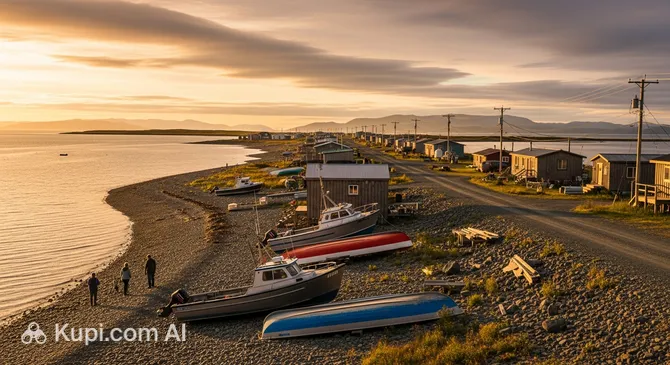
Welcome to Teller, a remote and culturally rich village located on the western coast of the Seward Peninsula in Alaska. This small community offers a unique glimpse into the authentic rural lifestyle found in the far northern reaches of the United States. Situated on a long spit of land that separates Port Clarence from Grantley Harbor, Teller is defined by its stunning waterfront views and its deep connection to the surrounding wilderness.

Teller. Source: Kupi.Binoculars

With a population of approximately 230 residents, Teller maintains a close-knit atmosphere where traditional values remain strong. The village is predominantly Inupiat, and the local lifestyle revolves heavily around subsistence activities such as fishing, seal hunting, and gathering. The climate here is subarctic, characterized by long, cold winters and cool summers, shaping a landscape that is both harsh and breathtakingly beautiful.

Despite its small size, the village holds a significant place in aviation lore. It is famous as the landing site of the airship Norge in 1926, which carried Roald Amundsen and his crew on the first verified flight over the North Pole. You can learn more about this event and the fascinating history of Teller by exploring local stories and landmarks. Today, travelers who venture this far are rewarded with the opportunity to witness the raw beauty of the Alaskan coast and experience a pace of life dictated by the seasons.

If you are a traveler seeking an off-the-beaten-path adventure, Teller provides a rare opportunity to connect with indigenous culture and explore a historic location at the edge of the continent.

Weather Overview

Travelers planning a visit to this remote Alaskan community should be prepared for a subarctic climate characterized by significant cold and distinct seasonal changes. The winter months are long and frigid, with January being the coldest time of the year, featuring average temperatures of -19.3°C and lows dropping to -22.0°C. If you intend to visit during this period, specialized cold-weather gear is absolutely essential to handle the freezing conditions.

The summer season offers a brief but welcome respite with milder temperatures, making it the most popular time for exploration. July is typically the warmest month, with an average temperature of 11.0°C and daily highs reaching approximately 13.8°C. To help you choose the best dates for your journey, you can view the detailed weather in Teller forecast and historical data.

While the total volume of precipitation is quite low, remaining around 1mm to 2mm throughout the year, the frequency of precipitation events is notable. Late summer and early autumn are the dampest periods, with August and September seeing up to 14 wet days each. Expect cool summers with frequent light precipitation and very cold, dry winters.

Interesting Facts

Beyond its reputation as a historic aviation landing site, Teller holds several fascinating secrets that reveal its unique position in Alaskan history and geography. Here are some intriguing facts about this remote community:

  • A Rare Road Connection: Unlike the vast majority of rural Alaskan villages, which are accessible only by air or sea, Teller is connected to the outside world—specifically the city of Nome—by a road. The Nome-Teller Highway is a 72-mile gravel route that winds through spectacular tundra scenery, making it one of the few "bush" communities reachable by car, though the road is typically only passable in warmer months.

  • The Reindeer Experiment: The area played a pivotal role in the introduction of reindeer herding to North America. In 1892, the Teller Reindeer Station was established nearby at Port Clarence to teach reindeer husbandry to the local Native population, an initiative led by the famous missionary Sheldon Jackson.

  • A Gold Rush Supply Hub: While today it is a quiet village focused on subsistence, Teller was once a bustling commercial center. During the gold rush era at the turn of the 20th century, it served as a critical supply point and gateway for prospectors heading to the Bluestone River mining district.

  • "The Nook": The village is situated at a location historically known as "The Nook" or Libbyville. The name "Teller" was originally applied to the Reindeer Station located about 15 miles away, but over time, the name migrated to the current townsite, which offered a more protected harbor for ships.

How to Get There

Reaching the remote village of Teller is an adventure that typically begins with a journey to the Seward Peninsula's primary hub. Due to its location, there are no direct flights from outside Alaska to the village itself. For a detailed overview of all transport options and logistics, you can read more about how to get to Teller.

The most convenient and common entry point is Nome Airport (OME), located in the city of Nome, approximately 94.5 km from Teller. This regional airport serves as the main gateway for travelers heading to western Alaska, with regular connections from Anchorage. Unlike many other rural communities, Teller is accessible by road from Nome via the gravel Nome-Teller Highway. The journey by taxi or rental vehicle takes approximately 2 hours and 45 minutes, offering travelers a chance to see the stunning tundra landscape along the way.

Another significant aviation hub in the wider region is Ralph Wien Memorial Airport (OTZ), situated in the city of Kotzebue, about 248.6 km away. While it is a key transportation center for the Northwest Arctic, it is significantly further from Teller than Nome. Travelers should note that there is no road connecting Kotzebue to Teller, so using this airport would likely require arranging additional air travel rather than ground transport.

For clarity, here is a summary of the main airports in the region:

Airport Name City Passenger Traffic (Annual) Km from City
Nome Airport Nome 125,000 94.5
Ralph Wien Memorial Airport Kotzebue 122,548 248.6

Main Attractions

Grantley Harbor and Port Clarence serve as the scenic and cultural heart of the village. Situated on a long spit of land between these two bodies of water, Teller offers visitors expansive views of the Bering Sea and the surrounding tundra. This waterfront is not just a beautiful backdrop but a window into the daily lives of the residents, where you can often observe traditional subsistence activities such as fishing and seal hunting. It is a perfect spot for photographers and travelers looking to experience the authentic rhythm of a remote Inupiat community.

The Norge Landing Site marks Teller's most famous moment in global history. In May 1926, the airship Norge, commanded by Roald Amundsen, Lincoln Ellsworth, and Umberto Nobile, completed the first verified flight over the North Pole and landed in this small village. While the airship was dismantled on-site, the location remains a significant point of interest for history enthusiasts. Visitors can walk along the area near Front Avenue to reflect on this polar aviation milestone and the village’s unexpected role in the age of exploration.

The Nome-Teller Highway is an attraction in itself, offering one of the most spectacular drives in Alaska. As the road winds its way to the village, it passes through dramatic landscapes of rolling tundra, craggy mountains, and river valleys. The route is renowned for wildlife viewing, particularly the large herds of reindeer that graze on the Seward Peninsula, often owned by local herders. For those who make the journey, the drive provides an unforgettable introduction to the raw wilderness that surrounds the community.

Just southeast of the village lies the Bluestone River, a destination that appeals to both nature lovers and history buffs. The river valley is known for its stark beauty and its connection to the gold rush era, with remnants of mining history scattered in the region. It offers opportunities for hiking and exploring the unique geology of the area, including the distinctive "Bluestone" rock formations. The river flows into the Tuksuk Channel, adding to the network of waterways that define this rugged part of the state.

Local Cuisine

The culinary landscape of Teller is defined not by restaurants or cafes, but by the subsistence lifestyle that has sustained its Inupiat residents for generations. In this remote village, the land and sea serve as the primary grocery store. The local diet is heavily focused on wild-harvested foods, offering visitors a rare chance to understand a food culture deeply connected to the Arctic environment. You will not find standard dining establishments here; instead, food is a community resource, often shared among families and prepared in private homes.

The cornerstone of the local diet is fish, particularly salmon and herring, which are harvested in abundance during the summer months. You may see fish drying on wooden racks throughout the village, a traditional preservation method that creates a staple food for the long winter. Another significant protein is reindeer, owing to the area's history with herding on the Seward Peninsula. Reindeer meat is lean and flavorful, often served in hearty stews or roasted, providing essential nutrition in the cold climate. Marine mammals also play a role, with seal oil serving as a traditional condiment for dipping dried meat or fish.

For a taste of something truly unique, look for Akutaq, widely known as "Eskimo Ice Cream." This traditional dish is a high-energy mixture of whipped fat (historically reindeer or seal fat, though vegetable shortening is often used today) blended with snow, sugar, and an abundance of local berries. The tundra around Teller is rich with cloudberries (locally called salmonberries) and blueberries in the late summer, which are hand-picked by families and are a central ingredient in local desserts and snacks.

Travelers should be aware that there are no formal restaurants or bars in Teller. The dining "scene" is essentially non-existent for tourists in the commercial sense. Visitors typically purchase basic supplies at the small local general store or bring their own food from Nome. However, the hospitality in rural Alaska is legendary, and if you are invited to a community gathering or a potluck, you might be offered hot coffee or tea—the standard beverages for keeping warm—alongside a plate of traditional comfort food.

Travel Tips

Traveling to Teller offers a rewarding experience of rural Alaskan life, but it requires significantly more self-sufficiency than a standard vacation. Since facilities are limited in this village of around 230 residents, these practical tips will help you pack the right gear and navigate local customs with respect.

  1. Clothing and Gear: The weather on the Seward Peninsula can change rapidly, so dressing in layers is non-negotiable. Bring thermal underwear, a warm fleece or wool mid-layer, and a windproof, waterproof outer shell. Sturdy, waterproof boots are essential, as the unpaved roads and tundra can be muddy or snowy depending on the season.

  2. Transportation: Teller is small enough to navigate entirely on foot. There is no public transport, taxi service, or ride-hailing app within the village itself. If you drove the Nome-Teller Highway, your rental vehicle is your only mode of motorized transport; ensure it has a spare tire and emergency supplies before leaving Nome.

  3. Finances: The local currency is the US Dollar (USD). It is highly recommended to withdraw sufficient cash in Nome before departing, as there are no banks or ATMs in Teller. While the local general store may accept credit cards, card terminals can be unreliable due to internet connectivity issues, making cash the safest option.

  4. Health and Safety: The village has a local health clinic staffed by health aides for basic needs, but there is no pharmacy or hospital. For any serious medical emergency, evacuation to Nome is required, so travel insurance that covers medical evacuation is strongly advised. Always keep a safe distance from wildlife, such as muskoxen, which may roam near the village.

  5. Communication: English is the primary language spoken by all residents. Cell phone coverage can be limited; GCI is the main provider in rural Alaska, and visitors with other carriers may find they have no signal. Do not expect public Wi-Fi; it is best to download offline maps and necessary information before leaving Nome.

  6. Local Etiquette: The community is close-knit and friendly but values privacy. Always ask for permission before taking photographs of residents, their homes, or their children. It is polite to greet people you pass on the road; a simple smile and a "hello" are appreciated.

  7. What to Avoid: Do not touch or disturb fish drying racks, boats, or hunting equipment you see along the waterfront or near homes. These are not tourist exhibits but vital tools and food sources for the residents' subsistence lifestyle.

  8. Additional Tip: Be mindful of local alcohol laws. Many rural Alaskan villages have strict rules regarding the sale and possession of alcohol (known as "dry" or "damp" status). Verify the current regulations in Nome before bringing any alcoholic beverages into Teller to ensure you are compliant and respectful of community standards.

By packing smart and respecting the local way of life, your visit to Teller will be a smooth and memorable journey. Enjoy the incredible landscapes and the unique opportunity to witness life on the edge of the continent.

Entertainment & Nightlife

Travelers arriving in Teller expecting a vibrant urban nightlife scene with bustling clubs, cocktail bars, or late-night discos will find a completely different reality. In this small, remote community, the concept of "nightlife" is defined not by commercial entertainment but by the profound silence of the Arctic and the rhythms of nature. There are no bars, nightclubs, or concert venues in the village. The streets do not bustle with evening crowds; instead, the evenings are characterized by a peaceful stillness that offers a rare escape from the noise of modern life.

The primary "evening entertainment" here is provided by the sky itself. During the winter months, when darkness prevails, Teller becomes a prime location for viewing the Aurora Borealis (Northern Lights). Without the light pollution found in cities, the dancing green and purple lights can often be seen right from the front steps of a local home or along the waterfront. Conversely, in the summer, the phenomenon of the Midnight Sun means the sun barely sets, allowing for "nighttime" walks along the spit under broad daylight, blurring the lines between day and evening activities.

Social life in Teller revolves around community and family rather than public venues. Gatherings are typically private affairs held in homes, involving shared meals or storytelling. occasionally, the local Community Hall or school gym may host village events, such as traditional dances, bingo nights, or potlucks, which are the closest thing to a "night out" in the village. If you are lucky enough to be invited to such an event, it is a privilege that offers deep insight into the local Inupiat culture. The dress code is always practical and casual—warm, layered clothing is the standard, regardless of the occasion.

It is crucial for visitors to be aware of local regulations regarding alcohol. Teller is often subject to strict local option laws, which may classify the village as "dry" (banning the sale and possession of alcohol) or "damp" (allowing limited possession but no sale). Since there are no liquor stores or pubs, and bringing alcohol may be restricted or illegal, tourists should verify the current status in Nome before traveling. Respecting these rules is essential for a smooth and respectful visit.

Safety at night in Teller is less about avoiding crime and more about respecting the environment. The village is generally very safe for walking, but the lack of streetlights in some areas means you should always carry a flashlight. More importantly, wildlife such as muskoxen or even bears can wander near or into the village, especially after dark. Always stay alert, keep a safe distance from any animals, and avoid walking alone on the outskirts of town late at night. There are no taxi services; the village is compact enough to walk everywhere, provided you are dressed for the weather.

While evening options are limited to nature and relaxation, daytime offers its own simple diversions. Visitors can stop by the Teller Native Store, the village's main commercial hub, to pick up snacks or chat with locals. For those interested in culture, simply walking through the village to observe the drying racks and boats provides a living museum experience, showcasing a lifestyle that has adapted to this harsh environment for centuries.
Parks & Museums

In the remote village of Teller, you will not find manicured botanical gardens or sprawling art complexes. Instead, the "parks" are the vast, untouched wilderness that surrounds the community, and the "museums" are the historic sites and living traditions visible in the daily lives of the residents. The village offers an immersive experience where the landscape and culture are inextricably linked.

The Spit and Waterfront serve as the village's primary natural recreation area. Situated on a narrow strip of land separating Grantley Harbor from Port Clarence, this area functions as a natural park where locals and visitors alike can walk along the gravel shoreline. It is an exceptional spot for beachcombing and birdwatching, offering unobstructed views of the Bering Sea and the opportunity to spot marine wildlife such as seals or whales just offshore. The raw, windswept beauty of the spit captures the essence of the Arctic coast.

Just beyond the village limits lies the endless expanse of the Tundra, which effectively acts as a boundless public garden. During the short summer season, this landscape transforms into a vibrant carpet of wildflowers, mosses, and lichens. It is an ideal setting for hiking and photography, offering a stark contrast to the wooded parks found further south. The rolling terrain provides access to the nearby bluffs and valleys, where you can experience the profound silence and solitude of the Seward Peninsula.

Regarding cultural institutions, Teller does not possess formal museums or art galleries. The culture here is lived rather than displayed behind glass. The village itself can be viewed as a "living museum" of Inupiat heritage. As you walk through the community, the sight of fish drying on wooden racks, skins being prepared, and boats ready for the hunt offers a direct look into a subsistence lifestyle that has endured for centuries. This authentic atmosphere provides a cultural education far more potent than a traditional exhibit.

The most significant historical landmark is the Norge Landing Site. Located near the waterfront, this area commemorates the 1926 arrival of the airship Norge after its trans-polar flight. While there is no large visitor center, the site is marked and serves as a focal point for history enthusiasts interested in the golden age of polar exploration. Standing at the spot where Roald Amundsen and his crew ended their historic journey allows visitors to connect tangibly with a major event in global aviation history.

Another notable structure is the Teller Lutheran Church. As one of the older buildings in the community, it stands as a testament to the village's history and the influence of early 20th-century missions in the region. Its simple, sturdy architecture reflects the practical needs of building in a subarctic environment and serves as a central gathering point for the community's spiritual life.

For a truly authentic experience, try berry picking on the tundra in late summer. If you visit during August or September, ask a local for general advice on where to find blueberries or cloudberries (salmonberries). Participating in this seasonal tradition is a wonderful way to connect with the land and understand the local respect for the environment's resources.

Getting Around

Visitors arriving in Teller will quickly realize that the public transport options found in larger urban centers are entirely absent here. There are no subways, trams, public buses, or trolleybus lines operating within the community. The infrastructure is designed for a small, remote population of roughly 230 residents, meaning the standard concept of municipal transit does not apply to this rural settlement.

Navigating the village is almost exclusively done on foot. The community is compact, with most homes, the school, and the general store located within a short walking distance of the waterfront and the airstrip. For tourists, this means the most reliable "vehicle" is a sturdy pair of walking boots. In the winter months, locals rely heavily on snowmobiles (often called snowmachines), while all-terrain vehicles (ATVs) are the standard mode of private transport during the summer, though these are generally for personal use and not available for public hire.

Regarding payment systems, tickets, or travel passes, none are required or available. Since there is no formal transit network, there is no need for transport cards, mobile apps, or zonal maps. You will not find ticket kiosks or validation machines anywhere in the area. If you happen to arrange a private transfer or a ride with a local resident—a rare occurrence that would be set up informally—payment would likely be a cash gesture or a contribution towards fuel, agreed upon verbally in advance.

Alternatives such as commercial taxis, ride-sharing apps, and bike rental stations do not exist in the village. If you have traveled here via the gravel highway from Nome, your rental vehicle is effectively your only motorized option for getting around the immediate area. However, given the small footprint of the settlement, you will likely find it most convenient to park your vehicle and explore the spit and local roads on foot to better experience the atmosphere and scenery.

Travelers should be aware that the "transport schedule" here is dictated by the weather rather than a timetable. During severe winter storms, movement within the village can become difficult even for pedestrians. It is advisable to always dress in layers and carry appropriate gear, as you will be exposed to the elements while moving from place to place. There are no sheltered bus stops or waiting rooms, so self-sufficiency is key when moving about the village.

Accommodation

Finding a place to stay in Teller requires a completely different approach than in standard tourist destinations. Travelers must be aware that this is a small, remote village with a subsistence-based lifestyle, and there are no commercial hotels, motels, hostels, or vacation rentals operating within the community. The tourism infrastructure is minimal to non-existent, and visitors should not expect to find online booking platforms or accommodation listings for the village itself.

Due to the lack of facilities, the vast majority of visitors experience Teller as a day trip while basing themselves in the city of Nome. Nome serves as the logistical hub for the Seward Peninsula and offers a variety of hotels, inns, and bed-and-breakfast options. Since the drive from Nome via the gravel highway takes approximately three hours each way, it is entirely feasible to drive out, explore the village’s history and waterfront, and return to the comfort of established lodgings in Nome by evening.

For those seeking a more immersive wilderness experience or planning an expedition, options are extremely limited and require significant self-sufficiency. Camping may be a theoretical possibility on the outskirts of the village, but land ownership in rural Alaska is complex. Much of the land is owned by the local Native corporation or private individuals. You must always ask for permission from the local tribal council or relevant authorities before setting up a tent. Unauthorized camping is considered disrespectful and can be dangerous due to the presence of wildlife like bears and muskoxen.

In very specific circumstances, such as for visiting educational groups or official contractors, arrangements are sometimes made to stay at the local school or community buildings. However, this is not an option available to casual tourists. There are no reception desks or reservations; any such stay would need to be coordinated directly with village administrators weeks or months in advance, and approval is not guaranteed.

Booking Tip: The most practical advice is to secure your accommodation in Nome well before your arrival on the Seward Peninsula. Summer is the peak season for construction and tourism, and rooms in Nome can fill up quickly. Do not travel to Teller with the expectation of finding a room upon arrival, as you will likely be left without shelter in an environment where weather conditions can be severe.

Nearby Cities

Teller is situated in a remote area of the Seward Peninsula, surrounded by the vast wilderness of Alaska. The village is relatively isolated, with significant distances separating it from other communities. The most notable neighbor is Nome, located approximately 96 km to the southeast. Nome serves as the primary supply and transport hub for the region and is accessible from Teller via a rare gravel road connection, a feature that distinguishes this area from many other "bush" communities.

Further afield lies Kotzebue, another key regional center located north of the Arctic Circle. While these towns share a similar cultural and geographical setting, travel between them typically requires a flight, as no road network connects the wider region. The area is dotted with smaller traditional villages, each offering a unique glimpse into rural life in the far north.

The following table lists the nearest cities and towns to Teller, providing details on their population and distance from the village:

City Population Distance (km)
Nome 3,697 96
Kotzebue 3,300 249
Savoonga 733 264
Emmonak 800 291
Noorvik 700 298

Shopping & Souvenirs

Shopping in Teller is a unique experience defined by the village's remote location and subsistence lifestyle. You will not find shopping malls, fashion boutiques, or souvenir shops here. Instead, the retail landscape is centered around the Teller Native Store, which serves as the community's general store and gathering place. Visitors can purchase essential supplies such as groceries, snacks, and basic outdoor gear. It is a strictly functional space where product availability can vary depending on the season and weather conditions, offering a glimpse into the logistical realities of rural Alaska.

The true highlight for visitors is the opportunity to purchase authentic Alaska Native crafts. The village is home to talented artisans renowned for their skills in skin sewing, intricate beadwork, and carving. While there is no formal gift shop, travelers can often find items for sale directly from the artists or advertised on community bulletin boards at the post office. Look for beautiful handmade slippers, mukluks, or carvings made from walrus ivory and whale bone. Purchasing these pieces is a wonderful way to support the local economy and take home a culturally significant memento.

When planning to make purchases, it is important to be prepared. Cash is the most reliable payment method, as internet connectivity issues often render credit card terminals unusable. It is highly recommended to bring sufficient cash from Nome. Additionally, be aware that the cost of goods is significantly higher than in the rest of the United States due to the expense of freight shipping. However, visitors can enjoy the benefit of no statewide sales tax, though the village may levy a small local tax to support community services.

Reached the end of the page?

That means the route is fully explored