Support

Anvik

About

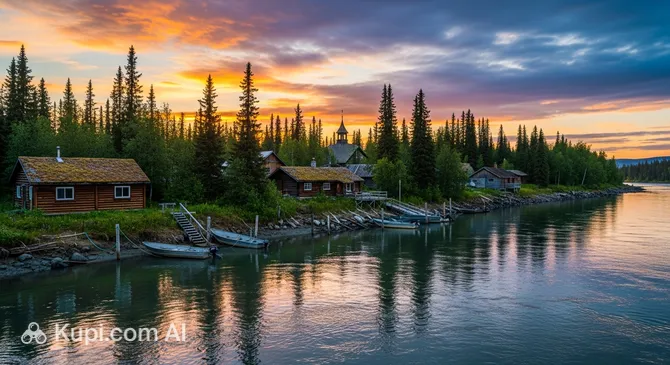
Anvik is a captivating destination tucked away in the western interior of Alaska. Perched near the confluence of the Anvik and Yukon Rivers, this small village is a testament to the resilience and beauty found in the remote corners of the United States. With a population of approximately 85 people, it offers an intimate atmosphere far removed from the bustle of city life.

The area has been home to the Deg Hit'an Athabascan people for generations. You can learn more about the fascinating history of Anvik, including its development as a trading hub and the site of a historic mission established in 1887, which shaped much of the settlement's early years. The community continues to maintain a traditional lifestyle, heavily reliant on subsistence fishing and hunting in the abundant natural surroundings.

For many visitors, Anvik is best known as a vital checkpoint on the southern route of the famous Iditarod Trail Sled Dog Race. During race years, the quiet village transforms into a hub of excitement as mushers arrive off the river. Even outside of race season, the majestic Yukon River provides incredible opportunities for viewing wildlife and experiencing the raw power of the Alaskan wilderness.

If you are an intrepid traveler seeking a genuine connection with the Far North, Anvik offers a memorable stop filled with cultural depth and stunning river vistas.

Weather Overview

The climate in this region is defined by significant seasonal changes, typical of the Alaskan interior. To plan your trip effectively, it is helpful to check the current weather in Anvik before departure. Generally, you can expect cold, snowy winters and mild, relatively pleasant summers.

Winter dominates much of the year, with temperatures remaining well below freezing. January is typically the coldest month, with an average temperature of approximately -15.5°C and lows dipping to -18.1°C. Despite the cold, precipitation volume is quite low during these months, though snow is a constant presence on the ground.

Summer brings a welcome thaw, with July being the warmest month. Average temperatures hover around 14.7°C, and daily highs can reach up to 18.4°C, offering comfortable conditions for outdoor activities. While rainfall volume remains low throughout the year, the frequency of wet days increases in late summer, with August seeing about 18 wet days.

Interesting Facts

Beyond the main attractions, Anvik holds fascinating secrets that highlight its deep historical roots and unique role in Alaskan culture. Uncover the stories that make this remote village truly special.

  • The "First to the Yukon" Award: Anvik serves as a major checkpoint during the Southern Route years of the Iditarod Trail Sled Dog Race. By tradition, the first musher to reach the village is greeted with a gourmet five-course dinner prepared by a top chef flown in specifically for the occasion, along with a significant cash prize.

  • A Historic Spiritual Hub: The settlement is home to the Christ Church Mission, founded in 1887 by the Reverend John W. Chapman. As the first Episcopal mission established in the Yukon Valley, the site is listed on the National Register of Historic Places and played a central role in the area's development for decades.

  • Ancient Indigenous Roots: Anvik is recognized as one of the oldest continuously inhabited Deg Hit'an Athabascan settlements in Alaska. Its traditional name, Gitr'ingithchagg, translates to "Place Where the Mouth of the River Is," emphasizing its strategic location at the confluence of the Anvik and Yukon rivers.

  • A Vital Mail Route: Long before modern aviation, the frozen Anvik River served as a critical corridor for communication. It was the primary route for the first mail run connecting the Yukon River to the Kuskokwim River, linking remote communities across the vast, snowy wilderness.

How to Get There

Reaching the remote village of Anvik is an adventure in itself, as the community is located in the Alaskan interior, far from the state's main road system. Visitors typically rely on air travel to reach this secluded destination. For a detailed breakdown of routes and logistics, you can read more about how to get to Anvik. The journey usually involves flying into a larger regional hub and then transferring to a smaller bush plane.

The city of Anvik does not have its own major commercial airport capable of handling large jets. The most significant gateway for the region is Bethel Airport (BET), located in the city of Bethel, approximately 226 km away. As a key transport hub for Western Alaska, it serves a large number of passengers annually. Another relatively close option is Unalakleet Airport (UNK) in Unalakleet, situated about 141 km from Anvik. It is important to note that there are no roads connecting these airports to Anvik; therefore, traditional ground transport like taxis or buses is not feasible for the final leg. Travelers must arrange connecting flights or charters to bridge the distance across the wilderness.

For clarity, here is a summary of the main airports in the wider region:

Airport Name City Passenger Traffic Km from City
Bethel AirportBethelLarge226.0
Saint Mary's AirportSt MarysMedium173.6
Unalakleet AirportUnalakleetMedium141.0
Nulato AirportNulatoSmall253.6
McGrath AirportMcGrathSmall236.6

There are no railway stations in Anvik or the surrounding area. The Alaska Railroad system does not extend to this western part of the state, so train travel is not an option for reaching the village. Visitors should focus on planning their itinerary around air travel and checking the schedules of local air carriers that operate in the Yukon River area.

Main Attractions

In a remote village like Anvik, the main attractions are not crowded museums or commercial centers, but rather the pristine wilderness and deep-rooted history that define the settlement. Visitors here are treated to authentic Alaskan experiences, where the landscape itself is the primary destination.

Christ Church Mission stands as the village's most significant historical landmark. Established in 1887, it was the first Episcopal mission in the Yukon Valley and played a pivotal role in the region's development. The site is listed on the National Register of Historic Places, and seeing the historic structures offers a poignant glimpse into life in the late 19th century. It remains a focal point for those wishing to understand the cultural convergence that shaped the community.

The Anvik River is a paradise for anglers and nature lovers. Renowned for its clear waters, the river is a prime location for catching silver salmon, northern pike, grayling, and sheefish. Beyond fishing, the river serves as a gateway to the wild, offering exceptional opportunities for boating and photography. Drifting along its banks, visitors can often spot local wildlife, including moose and various bird species, in their natural habitat.

For those captivated by mushing history, the Iditarod Trail is a legendary feature of the local geography. Anvik serves as the first checkpoint on the Yukon River for the southern route of the famous sled dog race. While the race brings a burst of energy in March, standing on this historic trail at any time of year connects travelers to the spirit of the "Last Great Race on Earth" and the enduring tradition of dog mushing in the Alaskan interior.

Local Cuisine

The culinary experience in Anvik is defined not by Michelin-starred restaurants or bustling street markets, but by the subsistence lifestyle that has sustained the local Deg Hit'an people for centuries. Here, the concept of "farm-to-table" is replaced by "river-to-plate," with a heavy emphasis on fresh, wild-caught ingredients sourced directly from the surrounding wilderness. Visitors should expect hearty, homemade meals that reflect the bounty of the Yukon and Anvik rivers.

Salmon is the undisputed king of the local diet. During the summer runs, families work together to harvest and preserve fish for the long winter. A must-try delicacy is smoked salmon strips, a traditional snack that is brine-cured and hot-smoked to create a savory, chewy treat. You may also encounter fresh grilled silver salmon or hearty chowders made with northern pike and burbot (lush). For a taste of the land, dishes featuring moose or caribou meat are common, typically prepared as rich stews or roasts designed to provide warmth and energy in the cold climate.

For a unique local treat, look for Akutaq, widely known as Eskimo Ice Cream. Traditionally made by whipping animal fat (such as seal oil or reindeer fat) with snow and wild berries, modern versions often use vegetable shortening and sugar. It is mixed with an abundance of locally picked blueberries, salmonberries, or cranberries, offering a sweet and high-energy finish to a meal. Beverage choices in the village are simple and practical; hot coffee and tea are staples to ward off the chill, while refreshing juices made from local berries provide a vitamin-rich alternative.

Travelers should be aware that Anvik does not have a standard commercial restaurant scene. There are no fast-food chains or typical cafes within the settlement. Instead, dining for visitors is primarily associated with the Anvik River Lodge, a wilderness facility located upriver from the village itself, which provides home-cooked meals for its guests. Within the community, food is often shared during gatherings. Sharing food is a cornerstone of the culture here, and if you are fortunate enough to be invited to a community potlatch, you will experience the true warmth of Alaskan hospitality.

Travel Tips

Visiting a remote community like Anvik requires a different level of preparation than a standard city trip. To help you make the most of your adventure in the Alaskan interior, here are some essential practical tips to ensure a safe and respectful visit.

  1. Clothing and Gear: The weather can be unpredictable, so the key is layering. In summer, bring waterproof outer layers and sturdy, comfortable hiking boots, as trails can be muddy. Mosquito repellent and a head net are absolute necessities during the warmer months, as insects can be intense near the river. If you visit in winter, thermal base layers, a heavy down parka, and insulated boots rated for extreme cold are mandatory.

  2. Transportation: There is no public transport, metro, or taxi service in Anvik. The village is small and compact, making walking the primary mode of getting around for visitors. Locals typically use ATVs in the summer and snowmachines in the winter. If you are staying at a lodge, they will likely provide boat or snowmachine transfers for excursions.

  3. Finances: The local currency is the US Dollar (USD). It is critical to bring enough cash for your entire stay, as there are no ATMs in the village and credit card acceptance is very limited or non-existent. While the Anvik River Lodge may accept cards for booked guests, small local transactions will almost certainly require cash.

  4. Health and Safety: There is no 24-hour pharmacy or hospital in Anvik. The community is served by a local clinic with health aides for basic care, but serious emergencies require medical evacuation by plane. Always travel with travel insurance that covers medevac. Additionally, be "bear aware" by carrying bear spray and keeping a clean camp, as wildlife frequently passes near the village.

  5. Communication: English is the primary language spoken by everyone in Anvik. Cellular service can be spotty and is often limited to specific regional carriers (like GCI), so check with your provider before leaving. Wi-Fi is generally not available in public spaces, though lodges may offer satellite internet connections. View this as a chance to disconnect.

  6. Local Etiquette: The community is tight-knit and friendly. It is polite to greet people you pass on the road. However, always ask for explicit permission before taking photographs of locals, their children, or their private property. Respect the subsistence lifestyle; fish drying racks and smokehouses are vital food sources, not just photo opportunities.

  7. What to Avoid: Do not approach or pet sled dogs without the owner's permission. These are working animals, not pets, and can be protective or aggressive. Also, avoid trespassing on private land or touching fishing gear and traps found along the riverbanks.

  8. Bring Essential Supplies: Local shopping options are extremely limited, often consisting of a small trading post with basic goods. You should bring all personal toiletries, specific medications, and any specialty snacks or batteries you might need from home, as you likely won't be able to buy them once you arrive.

By packing the right gear and respecting the local way of life, you will be well-equipped to enjoy the rugged beauty of Anvik. Embrace the slower pace and the unique opportunity to experience authentic life in rural Alaska.

Entertainment & Nightlife

Entertainment and nightlife in Anvik differ significantly from the bustling scenes found in large cities. Due to its remote location and small population of approximately 85 residents, there are no nightclubs, commercial bars, cocktail lounges, or neon-lit districts. Instead, the evening atmosphere here is defined by tranquility, community connection, and the breathtaking display of the natural world. "Nightlife" in Anvik is more likely to involve sharing stories around a woodstove, enjoying a homemade meal, or stepping outside to witness the wonders of the Alaskan sky.

The primary hub for evening social activity for visitors is typically the Anvik River Lodge. While it is not a public bar in the traditional sense, it serves as the main gathering place where guests can relax after a long day of fishing or exploring. The atmosphere is warm and rustic, often characterized by hearty conversations between travelers and locals. There is no dress code other than comfortable, practical wilderness gear; flannel shirts and wool socks are the standard attire. Opening hours are dictated by the flow of the day and the needs of the guests rather than a set schedule.

Another focal point for community events is the local Community Hall. While not open every night for entertainment, this is where the village comes together for special occasions, such as potlatches, holiday celebrations, or meetings. If you are fortunate enough to visit during a community event, you will experience the authentic social life of the Deg Hit'an people. These gatherings are alcohol-free and family-oriented, often featuring traditional drumming, dancing, and the sharing of food. It is a respectful and enriching way to spend an evening, far removed from the noise of a typical city night out.

For many, the most spectacular evening entertainment is provided by nature itself. In the winter months, Anvik is a prime location for viewing the Aurora Borealis (Northern Lights). With zero light pollution, the riverbanks offer a front-row seat to dancing ribbons of green and violet light. Conversely, during the summer, the phenomenon of the Midnight Sun means the "night" remains bright, allowing for late-night boating or fishing on the Yukon River under a golden twilight that never truly fades.

Practical advice for evenings in Anvik is simple: bring your own entertainment. Since there are no cinemas or bowling alleys, travelers often bring books, playing cards, or journals. Getting around at night is done on foot, and safety from crime is generally not a concern in this tight-knit community. However, safety from wildlife is paramount; always carry a flashlight and be aware of your surroundings, as moose and bears can wander near the village after dark. There are no taxi services, so all travel is local and self-propelled.

During the day, entertainment remains low-key and culturally focused. There are no amusement parks or shopping malls. Instead, visitors can explore the historic Christ Church Mission to learn about the area's past or spend time outdoors. Activities include boating, berry picking, and observing the local wildlife, offering a peaceful alternative to the high-energy tourism found elsewhere.
Parks & Museums

In a village as small and remote as Anvik, you will not find manicured city parks or sprawling museum complexes with ticket counters. Instead, the entire region functions as a living museum of Athabascan culture and a boundless natural park. The "green spaces" here are the vast, untouched wilderness that surrounds the settlement, and the "galleries" are the historic structures and the stories held by the local community.

The most significant natural feature serves as the village's primary recreational area: the Anvik River. Unlike the silty Yukon, the Anvik is known for its relatively clear waters, making it a scenic corridor for boating and wildlife viewing. During the summer, the riverbanks effectively become the community's park, where locals and visitors alike can enjoy fishing, skipping stones, or simply watching for moose wading in the shallows. It offers a peaceful retreat where the silence is broken only by the flow of water and the call of migratory birds.

Another dominant natural presence is the confluence with the majestic Yukon River. Walking along the high banks offers panoramic views of one of North America's most important waterways. There are no paved paths or benches, but the rugged trails used by locals provide access to stunning vantage points. In winter, the frozen river transforms into a white expanse used for travel and recreation, offering a starkly beautiful landscape that defines the character of the Alaskan interior.

While there is no formal institution labeled as a museum, the Christ Church Mission stands as a monument to the area's history. Founded in 1887, this site preserves the legacy of the first Episcopal mission in the Yukon Valley. The surviving historic buildings offer a tangible connection to the past, reflecting the era when Anvik was a crucial hub for mail, trade, and education. Visitors interested in history can view the exterior of these weathered structures, which tell the story of the cultural convergence between the Deg Hit'an people and Western missionaries.

The village cemetery, located on a hillside near the mission, serves as a poignant historical site. It is a place of deep respect and history, where weathered markers date back generations. Walking through this quiet area provides insight into the lineage of the families who have called this land home for centuries. It is a solemn "open-air gallery" of genealogy and local heritage, distinct from the commercial cemeteries found in larger cities.

For an authentic insider experience, ask a local about the best spots for berry picking in late summer. The hillsides around the village are often abundant with blueberries, cranberries, and salmonberries. Gathering berries is a quintessential part of local life, and joining in—even just to taste a few fresh from the bush—offers a genuine connection to the land that no guidebook can replicate. Just remember to make noise to alert any nearby bears of your presence.

Getting Around

Travelers planning a visit to Anvik should be aware that the city does not possess a public transport system in the traditional sense. Due to its small population and remote location in the Alaskan interior, there are no buses, trams, metros, or trolleybuses operating within the village. The infrastructure is minimal, and the community is not connected to the state's main road network, meaning the standard urban transit options found in larger cities are entirely absent here.

Since there is no formal public transportation network, there is no need to worry about purchasing travel passes, smart cards, or downloading transit apps. You will not find ticket machines or validation kiosks. The concept of a "fare" does not apply to getting around the village, as movement is either self-propelled or privately arranged. Visitors can save their budget for other experiences, as daily commuting costs are effectively zero.

For the majority of visitors, the primary method of navigating Anvik is simply walking. The settlement is compact, with most homes and the historic mission located within a reasonable distance of the riverbank. Practical advice for tourists involves packing appropriate footwear; sturdy, waterproof hiking boots are essential in the summer due to unpaved and often muddy paths, while insulated, heavy-duty boots are mandatory for safety during the freezing winter months.

In terms of alternatives to walking, you will not find commercial taxi services, ride-sharing apps, or car rental agencies. There are no official bike rental shops, although a local lodge might occasionally have equipment for guests. The "taxis" of this region are All-Terrain Vehicles (ATVs) or "four-wheelers" in the summer and snowmachines (snowmobiles) in the winter. These are privately owned by residents and are the standard way locals transport goods and themselves across the rugged terrain.

A unique feature of transport in Anvik is that the rivers themselves act as the main highways. In the summer, aluminum skiffs with outboard motors are the equivalent of the family car, used for visiting neighbors, hunting, and traveling between fish camps. In the winter, the frozen Yukon and Anvik rivers become ice roads for snowmachines and dog sleds. If you are staying at a wilderness lodge, your "shuttle bus" will likely be a boat ride upriver, offering a scenic and distinctly Alaskan commute that no subway can match.

Accommodation

Finding accommodation in Anvik is a unique experience that differs significantly from staying in a typical tourist destination. Due to the village's small size and remote location in the Alaskan interior, there is no standard hotel infrastructure. You will not find budget hostels, chain motels, or luxury city hotels here. Instead, accommodation options are extremely limited and are primarily focused on wilderness experiences.

The main option for visitors is staying at a wilderness lodge. These facilities are designed to be self-sufficient and comfortable, often operating as all-inclusive destinations where meals, guided activities, and equipment are part of the package. The most well-known establishment in the area is the Anvik River Lodge. Located upriver from the main settlement, it offers a rustic yet comfortable base for anglers, hunters, and adventurers. Staying here provides immediate access to the river and the surrounding wilderness, making it the most convenient choice for those looking to explore the outdoors.

Regarding location, there are no specific "tourist districts" to choose from. The village itself is compact, and commercial lodging is typically situated away from the residential center to offer privacy and better access to nature. Visitors should not expect to find rental apartments or vacation homes listed on standard online booking platforms. The accommodation landscape is defined by its isolation and connection to the land rather than proximity to urban amenities.

Booking Tips and Prices:

Planning ahead is absolutely essential when visiting Anvik. Because lodging capacity is very low, it is highly recommended to book your stay months in advance, especially if you plan to visit during the peak summer fishing season or the Iditarod race in March. Accommodation prices in this region are generally in the high range. This reflects the logistical challenges of operating in a remote area, where fuel and supplies must be flown or barged in. Booking is almost exclusively done directly through the lodge's website or by phone; do not rely on third-party travel aggregators to secure a room here.

Nearby Cities

For those looking to explore the surroundings, Anvik serves as an excellent base for day trips to several interesting nearby locations:

City Population Distance (km)
Bethel 20,287 223
Kwethluk 800 215
Emmonak 800 222
Unalakleet 700 140
Alakanuk 700 228

Bethel is the largest community in western Alaska and serves as the primary hub for the Yukon-Kuskokwim Delta. A visit here offers a deeper insight into the region's commerce and culture. Travelers can explore the Yupiit Piciryarait Cultural Center, which showcases the rich heritage, art, and history of the Yup'ik people. As a major transit point, it provides a stark contrast to the quiet isolation of Anvik, featuring more amenities and bustling river activity.

Unalakleet, located on the coast of Norton Sound, is famous for its role in the Iditarod Trail Sled Dog Race as the first checkpoint on the Bering Sea. Known for its excellent fishing, particularly for silver salmon and king crab, it attracts outdoor enthusiasts and those interested in coastal Alaskan life. The town offers stunning views of the ocean and a chance to experience the unique blend of Inupiat and Swedish heritage that defines its history.

Emmonak is situated near the mouth of the Yukon River, offering a unique perspective on where this mighty waterway meets the Bering Sea. It is a vital center for commercial fishing and processing in the region. For visitors interested in the river's journey from Anvik to the ocean, Emmonak provides a look at the subsistence and commercial lifestyles that thrive at the river's end.

These nearby destinations offer a glimpse into the diverse culture and landscapes of the region.

Shopping & Souvenirs

Shopping in Anvik is a strictly functional and localized experience, reflecting the remote nature of this small Athabascan village. Visitors should not expect to find fashion boutiques, souvenir shops, or expansive retail districts. Instead, commerce here is focused on basic survival necessities and the occasional sale of authentic local crafts. For tourists, "shopping" is less about browsing shelves and more about connecting with local artisans to find unique, handmade treasures that cannot be bought in a standard store.

There are no designated shopping streets or commercial districts in Anvik. The village layout is simple, and any commercial activity is typically centered around the main general store or trading post. This single establishment usually serves as the grocery store, hardware supplier, and community hub all in one. It is the place to pick up snacks, basic toiletries, or outdoor supplies you may have forgotten, but the selection is limited to essentials required for life in the interior.

Travelers should be aware that there are no shopping malls, department stores, or chain retailers in Anvik. The nearest facilities of that kind are hundreds of miles away in Anchorage or Fairbanks. If you require specialized gear, electronics, or specific clothing brands, it is imperative to purchase these items before your arrival in the village.

While there are no formal marketplaces or bazaars, the community itself acts as an informal market for cultural goods. During community gatherings, festivals, or when the Iditarod race passes through, you may find locals displaying their handiwork. These pop-up opportunities are the best time to see the artistry of the Deg Hit'an people up close. It is respectful to ask locals if anyone is currently selling crafts, as sales often happen through word-of-mouth rather than storefronts.

The most prized items to bring back from Anvik are authentic Athabascan handicrafts. The region is known for its exquisite beadwork, which adorns everything from jewelry to clothing. Hand-sewn moccasins made from moose hide and trimmed with fur are a functional and beautiful souvenir. You might also find birch bark baskets, hand-carved wooden items, or dreamcatchers. Buying these items directly from the artist ensures that your money supports the local economy and preserves traditional skills.

When it comes to logistics, cash is the absolute rule. The local general store may have credit card facilities, but connectivity issues can often render them unusable. Individual artisans and locals selling crafts will almost exclusively deal in cash. Store hours can be limited and variable, often closing for a lunch break or closing early in the evening. It is wise to make your purchases during the middle of the day.

Alaska is one of the few U.S. states with no state sales tax, which is a benefit for visitors. However, local municipalities may levy their own small sales tax on goods. Since there is no formal "tax-free" refund system for tourists in the United States like those found in Europe, the price you see (plus any local tax) is the final price. Given the high cost of freight to rural Alaska, expect prices for general goods to be significantly higher than in the lower 48 states.

Reached the end of the page?

That means the route is fully explored