Support

McGrath

About

Welcome to McGrath, a quintessential bush community located in the heart of Alaska. Nestled on the south bank of the winding Kuskokwim River, this small city offers a truly authentic glimpse into the rugged and resilient lifestyle found in the northernmost reaches of the United States. With a population of approximately 346 residents, McGrath is a tight-knit settlement surrounded by the vast, breathtaking wilderness of the Upper Kuskokwim region, characterized by a subarctic climate with snowy winters and surprisingly warm summers.

Despite its modest size, the city holds significant importance as a regional transportation and service hub. The history of McGrath is deeply intertwined with the Old Iditarod Trail, having originally developed as a meeting point and supply center during the gold rush era. It served as the northernmost point of navigation for large riverboats, playing a crucial role in the movement of freight and miners in the early 20th century.
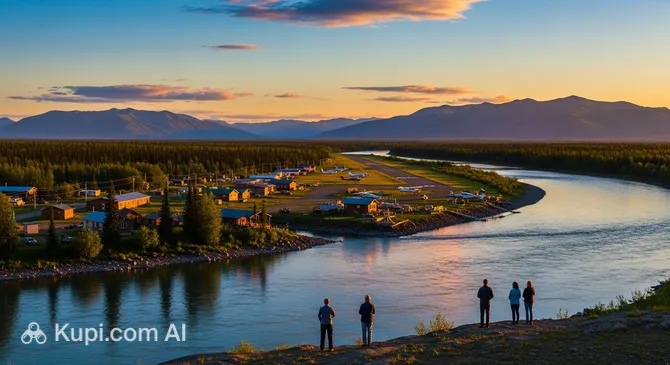
McGrath. Source: Kupi.Binoculars

Today, McGrath is perhaps best known worldwide as a major checkpoint for the legendary Iditarod Trail Sled Dog Race. Every March, the quiet town transforms into a bustling hub of activity as mushers and their dog teams arrive, bringing an electric atmosphere to the community. Beyond the race, the area is a paradise for outdoor enthusiasts, offering exceptional opportunities for salmon fishing, hunting, and boating along the scenic Kuskokwim River. In the winter months, the lack of light pollution makes it a prime location for viewing the spectacular Northern Lights.

For travelers seeking an off-the-beaten-path adventure, McGrath provides a unique opportunity to experience the solitude and beauty of interior Alaska. Whether you are interested in the heritage of dog mushing or simply want to immerse yourself in the pristine northern nature, this welcoming community invites you to explore its wild surroundings.

Weather Overview

The climate in McGrath is defined by the dramatic extremes typical of the Alaskan interior, offering distinct experiences depending on when you visit. Winters are long and intensely cold, with January being the coldest month, averaging temperatures of around -18.2°C. During this time, the landscape is frozen and snow-covered, making it essential to dress in heavy layers to handle lows that can dip to -21.2°C.

Summer brings a welcome transformation, with July standing out as the warmest month. Travelers can enjoy pleasant average temperatures of 16.0°C, with highs occasionally reaching 20.2°C, creating ideal conditions for outdoor adventures. However, the warmer months also bring more moisture; August is particularly notable for having the highest frequency of precipitation, with about 19 wet days recorded. To help plan your trip around these conditions, you can check the detailed report on the weather in McGrath.

Overall, you should expect warm summers with frequent rain showers and cold, relatively dry winters. The transition seasons are brief, with temperatures rising sharply in May and falling quickly as October approaches, signaling the return of the frost.

Interesting Facts

Beyond the main attractions, McGrath holds many fascinating secrets that reveal its strategic importance and unique way of life. This remote community is defined by a history that extends far beyond the gold rush, touching on global events and distinct local traditions.

  • A WWII Strategic Hub: During World War II, McGrath played a surprising role on the global stage as a crucial refueling stop for the Lend-Lease program. Thousands of aircraft were ferried through the local airfield on their way to the Soviet Union, leading to the development of aviation infrastructure that remains disproportionately large for the town's population today.

  • The Spirit of Alaska Award: While widely known as a checkpoint for the Iditarod, McGrath marks a specific milestone in the race. The first musher to arrive here is presented with the "Spirit of Alaska" award, which typically includes a unique piece of local artwork or a mask, celebrating the achievement of reaching the interior.

  • A Radio Lifeline: In a region where cellular service is often non-existent, the local public radio station, KSKO, serves as a vital communication tool. It broadcasts personal messages, often referred to as "trapline chatter," to reach residents and homesteaders living off-grid in the surrounding wilderness who have no other way to receive news from town.

How to Get There

Reaching this remote community is a true Alaskan adventure, as the city is not connected to the state's continuous road system. Air travel is the lifeline for residents and visitors alike, offering a scenic and efficient way to cross the rugged wilderness. For a detailed breakdown of your travel options, you can read more about how to get to McGrath.

The primary and most practical gateway is McGrath Airport (MCG), located directly within the city limits. Situated just 0.5 km from the center of town, it serves as a vital hub for the Upper Kuskokwim region. McGrath Airport handles a variety of aircraft, from small bush planes to larger cargo carriers. Given its proximity, the journey from the airstrip to your accommodation is very short; allowing for luggage retrieval and a brief ride, the transfer typically takes about 20 minutes.

Although other airfields exist in the wider region, they are significantly distant and not connected by road. For instance, Edward G. Pitka Sr. Airport (GAL) is located in the city of Galena, approximately 209 km away, and Nulato Airport (NUL) serves Nulato, about 232 km from McGrath. Due to the lack of highway infrastructure between these communities, these airports are not viable entry points for travelers intending to reach McGrath by ground transport. Visitors should book flights directly to McGrath to avoid logistical complications.

For clarity, here is a summary of the main airports in the region:

Airport Name City Passenger Traffic Km from City
Unalakleet Airport Unalakleet Regional 279.7
Edward G. Pitka Sr. Airport Galena Regional 209.1
Nulato Airport Nulato Small 232.0
McGrath Airport McGrath Small 0.5

Main Attractions

While McGrath may not feature the bustling museums or theme parks found in larger cities, its appeal lies in its raw, natural beauty and its deep connection to Alaskan history. The primary attraction for many visitors is the legendary Iditarod Trail. As a major checkpoint during the famous sled dog race, the town offers fans a front-row seat to the action every March. Walking along the trail sections near the city allows you to retrace the steps of historic mail carriers and gold seekers who traversed this rugged path over a century ago.

The majestic Kuskokwim River serves as the community's playground and a focal point for outdoor recreation. In the warmer months, the river is a haven for anglers seeking Chinook, coho, and chum salmon, as well as northern pike and sheefish. Boating and rafting offer a peaceful way to explore the winding waterway, providing excellent opportunities to spot local wildlife, including moose and bears, along the densely forested banks.

For those visiting during the long, dark winters, the sky itself becomes the main exhibit. Far from the light pollution of major urban centers, McGrath is a premier location for viewing the Aurora Borealis. The dancing green and violet lights are often visible right from town, creating a mesmerizing backdrop to the snowy landscape. Whether you are mushing through the silence of the forest or casting a line into the river, the attractions here are defined by the solitude and grandeur of the wilderness.

Local Cuisine

The culinary experience in McGrath is deeply rooted in the subsistence lifestyle of the Alaskan interior. Unlike larger cities with diverse restaurant scenes, this remote community relies heavily on the bounty of the surrounding wilderness. Food here is not just sustenance; it is a connection to the land and the seasons. Visitors will find that meals are often hearty, homemade, and centered around fresh, locally sourced ingredients that reflect the rugged environment of the United States' northernmost state.

The Kuskokwim River is the lifeblood of the local diet, providing an abundance of fish that forms the cornerstone of many meals. Salmon is the undisputed star, with Chinook (king), coho (silver), and chum salmon being harvested during the summer runs. You might taste it smoked to perfection, dried into savory smoked salmon strips for a high-energy snack, or grilled fresh over an open fire. In addition to fish, wild game such as moose and caribou are staples, often served as savory roasts, stews, or ground meat, offering a rich and organic flavor unique to the region.

Gathering from the land extends to the tundra's wild gardens. During the warmer months, locals harvest a variety of wild berries, including blueberries, cranberries, and salmonberries. These are frequently used in jams, pies, and desserts. A traditional delicacy worth trying is Akutaq, also known as Eskimo Ice Cream. This indigenous dish is typically made by whipping animal fat or shortening with sugar and berries, creating a calorie-dense treat that has sustained native populations through harsh winters for generations.

Another essential element of the local kitchen is sourdough. A legacy of the gold rush era, sourdough starters are often kept alive for decades and passed down through families as treasured heirlooms. Expect to start your day with fluffy sourdough pancakes or enjoy a slice of crusty bread with your evening meal. In McGrath, the cuisine is simple but satisfying, designed to warm the spirit and fuel the body for the challenges of life in the bush.

Travel Tips

Visiting a remote bush community like McGrath requires a different mindset and level of preparation compared to a standard city trip. To help you navigate the unique logistics of the Alaskan interior and ensure a safe, enjoyable adventure, we have compiled these essential practical tips.

  1. Clothing and Gear: The weather dictates your wardrobe here. In winter, you need subarctic-grade gear, including a heavy parka, insulated boots, and thermal layers, as temperatures drop severely. In summer, while days are warm, the mosquito population can be intense; bringing a high-quality bug jacket or head net and strong repellent is non-negotiable. Regardless of the season, sturdy, waterproof footwear is essential for the unpaved terrain.
  2. Transportation: Forget about subways, buses, or ride-hailing apps like Uber. McGrath is a small, walkable community, and most visitors get around on foot. For longer distances or exploring the trails, locals use ATVs in the summer and snowmachines in the winter. Some lodges may offer shuttle services or equipment rentals, so check with your host in advance.
  3. Finances: The official currency is the US Dollar (USD). While the main general store and some lodges accept credit cards, telecommunication outages can happen, rendering card machines useless. It is highly recommended to bring enough cash to cover small purchases, tips, and emergencies, as ATMs are scarce and not always reliable in rural Alaska.
  4. Health and Safety: Medical facilities are limited to a local health center capable of handling basic care; serious emergencies require a medical evacuation flight to a larger city. Safety here also means being wildlife aware. Moose and bears frequent the area, even near town. Keep a safe distance, never feed wildlife, and consider carrying bear spray if you plan to hike outside the main settlement.
  5. Communication: English is the primary language spoken by all residents. Cellular service is available but can be spotty depending on your carrier; GCI is the dominant provider in rural Alaska, and other major carriers may roam or have no signal. Wi-Fi is often available at the library or lodges, but speeds may be slower than what you are used to.
  6. Local Etiquette: The community is tight-knit and friendly. It is customary to wave or nod to people you pass on the road. Respect the subsistence lifestyle; do not touch fish wheels, traps, or woodpiles you see along the river or trails, as these are vital tools for local survival, not tourist exhibits. Always ask for permission before photographing residents or their property.
  7. What to Avoid: Avoid complaining about the high cost of goods in the local store. Prices reflect the immense logistical challenge of flying freight into a roadless community. Also, do not wander onto private property; in the bush, property lines aren't always marked by fences, so stick to established roads and public trails.
  8. Food and Supplies: Since McGrath has limited retail options, if you have specific dietary requirements or need particular medications, bring them with you from Anchorage. The local store has the basics, but the selection varies based on when the last freight plane arrived.

By packing the right gear and respecting the local way of life, you will find that McGrath offers a warm welcome despite the cold climate. Embrace the slower pace of "village time," and you will leave with unforgettable memories of the true Alaskan wilderness.

Entertainment & Nightlife

Entertainment in McGrath is a world away from the neon-lit boulevards of big cities; here, the "nightlife" is illuminated by the glow of the Northern Lights and the warmth of a woodstove. In this tight-knit community, evening entertainment is centered around connection, storytelling, and shared experiences in a few cherished local establishments. The atmosphere is incredibly welcoming and unpretentious, where a stranger enters as a guest and often leaves as a friend.

The social heart of the town after dark is undoubtedly McGuire’s Tavern. Located near the riverfront, this venue serves as the primary gathering spot for residents, pilots, and travelers passing through the interior. It is the best place to soak up the local culture, hear tall tales from the trail, and enjoy a cold drink in a rustic, authentic Alaskan setting. On weekends or during major events like the Iditarod, the tavern can get surprisingly lively, with music and an energetic crowd that defies the town's small population size.

Another key spot for an evening out is Joe’s Bar, which offers a laid-back environment perfect for unwinding after a day of outdoor adventure. For those looking for a hearty meal accompanied by a drink, the McGrath Roadhouse (often associated with the local hotel) provides a comfortable setting to enjoy dinner and conversation. The dress code everywhere is strictly "Alaska casual"—warm layers, flannel, and sturdy boots are the norm, so there is no need to dress up.

Nightlife here is seasonal and often dictated by the daylight. In the summer, the "night" entertainment might actually take place under the Midnight Sun, with locals playing softball or holding bonfires on the banks of the Kuskokwim River well past midnight. In winter, the focus shifts indoors, except for the spectacular light show of the Aurora Borealis, which is the ultimate evening entertainment for any visitor.

When planning your night out, keep in mind that McGrath does not have taxis, ride-sharing services, or public transport. The town is small enough to navigate on foot, but during the freezing winter months, you should dress appropriately for the walk or arrange a ride with your lodge host. The area is very safe for walking, but you must remain "bear aware" even within city limits, as wildlife frequently passes through town.

Briefly touching on daytime activities, the town offers a look into its heritage at the Tochak Museum, which houses a fascinating collection of artifacts from the gold rush era and the region's indigenous history. For a more active day, visitors often rent ATVs or boats to explore the surrounding wilderness before settling in for a cozy evening at the tavern.

Parks & Museums

In a remote bush community like McGrath, the concept of "parks and museums" is interpreted differently than in a bustling metropolis. Here, the entire surrounding wilderness serves as a boundless natural park, and the history of the town is etched into the landscape and the stories of its residents rather than housed in large marble halls. For visitors, the appeal lies in the raw, unmanicured beauty of the outdoors and the intimate, personal preservation of the region's gold rush and indigenous heritage.

Nature as a Playground: Parks and Green Spaces

While you won't find manicured botanical gardens, the Kuskokwim River acts as the community's central "green space" and recreational hub. During the summer months, the riverbanks and exposed sandbars transform into natural beaches where locals and visitors gather for picnics, bonfires, and sunbathing under the Midnight Sun. It offers a serene setting for walking and birdwatching, where the silence is broken only by the flow of the water and the call of migratory birds.

Another significant natural area is the local section of the historic Iditarod Trail. When not being used for the famous sled dog race, parts of this trail serve as a path for hiking and berry picking. Walking along this route offers a tangible connection to the past, allowing you to traverse the same ground as the mail carriers and prospectors of the early 1900s. It is an immersive experience where the dense spruce forests and open tundra provide a stunning backdrop for outdoor exploration.

Preserving History: Museums and Culture

The cultural centerpiece of the town is the Tochak Historical Society Museum. Though small in size, this volunteer-run institution is a treasure trove of local history. It houses a fascinating collection of artifacts that span the region's timeline, from pre-contact Athabascan tools and beadwork to photographs and equipment from the heady days of the gold rush. A visit here provides essential context for understanding the resilience required to survive in the interior, making it a must-see for anyone interested in the human story of Alaska.

In addition to the museum, the town itself serves as a living gallery of aviation history. The airfield and its surroundings are dotted with historic hangars and aircraft that tell the story of McGrath's pivotal role as a refueling stop during the Lend-Lease program of World War II. For aviation enthusiasts, simply walking near the flight line offers a glimpse into the era when this small outpost was a critical link between the United States and the rest of the world.

Authentic Experiences

For a truly local experience, ask about the location of the best berry patches in late summer. Harvesting wild blueberries and cranberries is a beloved local pastime that functions as both a recreational activity and a subsistence tradition. It is a peaceful way to engage with the land and enjoy the "edible museums" of the Alaskan tundra.

Getting Around

Travelers planning a visit to McGrath should be aware that the city does not possess a public transport system in the traditional sense. Due to its small population and remote location in the bush, there are no municipal buses, trams, subways, or trains operating within the community. The infrastructure is minimal, and the paved road network is limited to the immediate vicinity of the town and the airfield, meaning the standard rules of urban commuting do not apply here.

For the majority of visitors, the primary mode of transportation is simply walking. The community is compact, and key facilities such as the general store, the post office, and the few lodging options are typically located within a reasonable distance of one another. Consequently, there is no ticketing system, no travel cards to purchase, and no transport apps to download. You will not need to worry about validating tickets or checking timetables; your schedule is entirely your own.

In place of taxis or ride-sharing services like Uber, which are non-existent here, transportation for longer distances or heavy loads is usually handled by private arrangement. Most lodges and accommodations provide complimentary or low-cost shuttle services for their guests, particularly for transfers to and from the airport. It is highly recommended to confirm these arrangements with your host prior to your arrival, as there is no designated taxi stand waiting at the airstrip.

The "local fleet" reflects the rugged nature of the environment. In the summer months, all-terrain vehicles (ATVs) and pickup trucks are the standard way locals move around. In the winter, when snow covers the ground, snowmachines (snowmobiles) become the essential form of transport. While there are no official rental agencies for these vehicles like you might find in a larger city, some local outfitters or lodges may offer equipment rentals for guided excursions. In such cases, payments are typically made in cash or added to your accommodation bill.

Practical advice for navigating McGrath revolves around preparation for the elements rather than understanding a route map. Since you will likely be walking, investing in high-quality, weather-appropriate footwear is crucial—mud boots for the summer and insulated thermal boots for the winter. Additionally, always carry a small amount of cash, as electronic payment systems can be unreliable, and offering a few dollars for gas is a polite gesture if a local resident offers you a helpful lift.

Accommodation

Accommodation in McGrath is reflective of its status as a remote bush community: options are limited, intimate, and decidedly rustic. You will not find international hotel chains, sprawling luxury resorts, or high-rise apartments here. Instead, the lodging landscape is dominated by small, family-run establishments such as roadhouses, bed and breakfasts, and lodges. These places offer a warm, home-like atmosphere where the owners often double as your chefs and local guides, providing a personal touch that is rare in larger tourist destinations.

Given the compact size of the city, location is rarely an issue. Almost all accommodation options are situated within a short walking distance of the McGrath Airport and the banks of the Kuskokwim River. This proximity makes it convenient for travelers, as you can easily move between your lodging, the general store, and local dining spots without the need for a vehicle. Staying near the river also offers the added benefit of scenic views and easy access to boating or fishing activities.

For those visiting during the famous Iditarod Trail Sled Dog Race in March, the situation changes drastically. During this peak season, the population of the town swells, and every available bed—sometimes including floor space in community halls or private homes—is booked months, if not a year, in advance. If you plan to witness the race, securing your accommodation is the single most critical step of your trip planning.

Regarding costs and booking, travelers should be prepared for prices that are higher than average for the standard of facilities provided. This reflects the high cost of maintaining infrastructure and shipping supplies to the Alaskan interior. Mid-range pricing is the norm, even for basic amenities. While some lodges may have websites, many rely on direct communication. It is often best to call or email directly to confirm availability and discuss payment methods, as online booking platforms are rarely used by these small local businesses.

Nearby Cities

For those looking to explore beyond the immediate wilderness, McGrath serves as a gateway to several **regional destinations accessible by air**. While the lack of connecting roads makes traditional touring impossible, short flights connect travelers to unique communities that define the diverse character of the Alaskan interior and coast.

One notable destination is Talkeetna, a historic village situated at the base of Denali. Known for its quirky charm and mountaineering history, it offers spectacular views of North America's highest peak and a vibrant downtown area filled with artisan shops and local breweries. Another fascinating option is Unalakleet, located on the coast of the Norton Sound. Famous for its high-quality salmon fishing and its role as a major checkpoint on the Iditarod Trail, it provides a fascinating contrast between the interior river culture and the coastal lifestyle.

City Population Distance (km)
Talkeetna 876 290
Unalakleet 700 279
Aniak 500 256
Huslia 300 308
Nulato 250 232

These neighboring communities offer a glimpse into the diverse culture and landscapes of the region, ranging from river valleys to the rugged coastline.

Shopping & Souvenirs

Shopping:

Shopping in McGrath is a far cry from the retail therapy experiences found in major cities. In this remote bush community, commerce is driven by necessity rather than luxury, and the "shopping scene" is primarily focused on survival gear, groceries, and essential hardware. However, for the curious visitor, this lack of commercialization offers a chance to discover authentic, locally made treasures that reflect the ingenuity and artistic traditions of the Alaskan interior.

Main Shopping Areas and General Stores

There are no shopping districts or high streets here. The retail hub of the community is the local general store, often referred to as the AC Store (Alaska Commercial Company). This establishment functions as the lifeline for the village, stocking everything from fresh produce and canned goods to snowmachine parts, ammunition, and winter clothing. A visit here is a cultural experience in itself, offering a glimpse into the logistics of life off the road system, where the price of milk reflects the cost of air freight.

Shopping Malls and Markets

Travelers should be aware that there are no shopping malls, department stores, or chain boutiques in McGrath. The concept of a "market" is also quite different; rather than a permanent location, you may find informal pop-up markets or bazaars held at the community center, particularly around holidays or during the Iditarod race week. These events are excellent places to meet locals and see what goods are being traded within the community.

Local Souvenirs and Crafts

While you won't find souvenir shops on every corner, the items you do find are likely to be genuine and handmade. The best souvenirs to bring back from McGrath include Athabascan beadwork, hand-sewn skin items like mukluks or mittens, and carvings. These are often sold directly by the artists or occasionally displayed at the Tochak Historical Society Museum or local lodges. During the Iditarod season, you can also find race-related memorabilia, such as patches, hats, and posters, which serve as great mementos of the "Great Race."

Opening Hours and Payment Methods

Store hours in McGrath can be limited compared to urban centers. The main general store typically operates from morning until early evening, roughly 9:00 AM to 6:00 PM, though hours may be reduced on Sundays. When it comes to payment, cash is king. While the main store may accept credit cards, telecommunication outages can render card terminals useless. Small local vendors or artists selling crafts will almost exclusively require cash, so it is vital to bring enough physical currency with you.

Tax Information

One of the perks of shopping in Alaska is that there is no state sales tax. However, individual municipalities may levy their own local taxes. In McGrath, the focus is less on tax-free refund schemes for tourists—which do not exist here—and more on the straightforward, tax-friendly nature of Alaskan commerce.

Reached the end of the page?

That means the route is fully explored