Support

The First White House of the Confederacy

About

Strolling through the historic districts of Montgomery, it is impossible to miss the elegant mansion known as the First White House of the Confederacy. This magnificent building, constructed in 1835, is a classic example of Italianate architectural style. Its snow-white walls, slender columns, and spacious interior halls transport visitors to the atmosphere of the 19th-century American South, when the city was a thriving center of trade and politics in the USA.
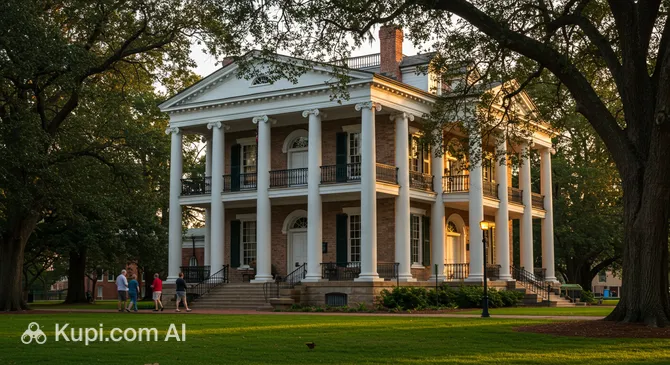
First White House of the Confederacy. Source: Kupi.com AI

Today, this historic landmark functions as a museum, offering guests a unique opportunity to peek into the past. The mansion is deservedly considered one of the most significant architectural gems of the state of Alabama. Its interiors and exhibits reflect the lifestyle of the plantation era and the city's golden age, making it a must-visit for anyone interested in the region's historical heritage.

The museum complex is located in the heart of the administrative center, right next to the State Capitol. Thanks to its high rating and carefully preserved authenticity, it attracts thousands of tourists eager to see firsthand what life was like within these walls nearly two centuries ago.

Contacts

To inquire about special events or group tours, you can contact the museum administration directly. Below are the current contact details.

Official contacts:

Address644 Washington Ave, Montgomery, AL 36130, USA
Phone+1 334-242-1861
Official Websitethefirstwhitehouse.com
Google MapsView on map

What to Do

A visit to this historic site offers guests a deep immersion into the atmosphere of the 19th century. Inside, you can view authentic interiors that have been carefully restored to their original state. Of particular interest are the collections of original furniture, exquisite household items, and personal belongings that belonged to the residents of the house in the mid-1800s.

It is highly recommended to join a professional guided tour. The insights provided by specialists offer a new perspective on the building's architectural features: you will learn the secrets of the Italianate style, appreciate the grandeur of the high ceilings, and admire the craftsmanship of the decorative finishes. Aesthetics enthusiasts can take magnificent photos against the backdrop of the columned facade or in the shaded garden, which is a typical example of Southern estates of that time.

A visit to the museum is an excellent addition to a walk along the Alabama River or a visit to the State Capitol. For those who prefer independent study, informational materials are available to explore the exhibits dedicated to the city's development at your own pace. This place is ideal for lovers of historic architecture and those looking for a quiet, intellectual retreat.

Getting There

The historic mansion is located in the heart of Montgomery at 644 Washington Ave. Thanks to its central location, it is easily accessible for tourists. If you are already downtown, a pleasant walk from the State Capitol will take you no more than 5–10 minutes.

For those arriving from outlying areas or other cities in the USA, it is most convenient to travel by car. The attraction is located near the Interstate 85 interchange. GPS coordinates: 32.3761412, -86.2999377. Parking spaces are available nearby. The journey from Montgomery Regional Airport (MGM) by taxi or rental car takes about 20 minutes.

Public transport is also a convenient option: city buses regularly run through the center, making stops within walking distance of the building. The historic atmosphere of the city, where the first electric streetcars appeared in the late 19th century, makes it perfect for leisurely exploration on foot.

History & Facts

The majestic mansion was built in 1835, an era when Montgomery was rapidly transforming into a thriving center for the cotton trade. Formally incorporated in 1819, the city grew quickly due to its favorable location on the Alabama River and its fertile lands. By the mid-19th century, this building became a striking example of Southern architecture, reflecting the wealth and status of the region.

The house was originally built as a private residence in the refined Italianate style. Its architectural appearance, featuring high ceilings and monumental columns, was intended to emphasize the economic power of its owners and the importance of the city, which became the state capital in 1846. The development of railroads and cotton exports brought unprecedented prosperity here, allowing for the creation of such impressive architectural ensembles.

Today, this site is an important part of the cultural heritage of the USA. It has been carefully integrated into the museum complex to preserve the atmosphere of the mid-19th century for future generations. The mansion serves as a living reminder of the times when the city played a key role in the country's political and economic life, maintaining its authenticity and historical charm through the centuries.

Time Needed

To leisurely explore the interiors of the house and stroll through the adjacent garden, 1–2 hours is sufficient for most travelers. This is plenty of time to get acquainted with the main exhibition and study the architectural details of the building.

If you plan to join a detailed guided tour or are a passionate history buff who wants to study every exhibit in detail, you should set aside a bit more time. A visit here is easily combined with a tour of the neighboring State Capitol, allowing you to create a complete half-day walking itinerary.

Working Hours

When planning your visit, please note that the museum is primarily open to the public on weekdays and Saturdays. The schedule allows you to easily fit a tour of the attraction into a morning or afternoon walk around the city.

Opening Hours:

  • Monday – Friday: 8:00 AM – 3:30 PM
  • Saturday: 9:00 AM – 3:00 PM
  • Sunday: Closed
Please note that admission ends shortly before closing time, so it is best to arrive in advance.

Nearby

Exploring the surroundings of the First White House of the Confederacy allows for a deeper dive into the rich history and culture of Alabama. The compact arrangement of key landmarks in the city center makes for a highly rewarding and interesting walk.

Just a few minutes' walk away, you will find sites that have become symbols of the civil rights movement, historic fountains, and memorials dedicated to prominent figures in the arts. Exploring these sites will help provide a complete picture of Montgomery's multifaceted heritage.

NameTypeDistance (km)
Dexter Avenue King Memorial Baptist ChurchReligious site0.3
Old Alabama TownHistoric district0.8
KressArchitectural landmark0.8
Rosa Parks Bus StopHistoric site0.9
Freedom Rides MuseumMuseum0.9
United States Post Office and Courthouse—MontgomeryGovernment building0.9
Court Square Fountain - Artesian BasinFountain / Landmark0.9
Hank Williams Memorial & GravesiteMemorial1.3
Historic Rosa Parks HomeMuseum2.2
City of St. Jude Catholic ChurchReligious site3.6

Reached the end of the page?

That means the route is fully explored