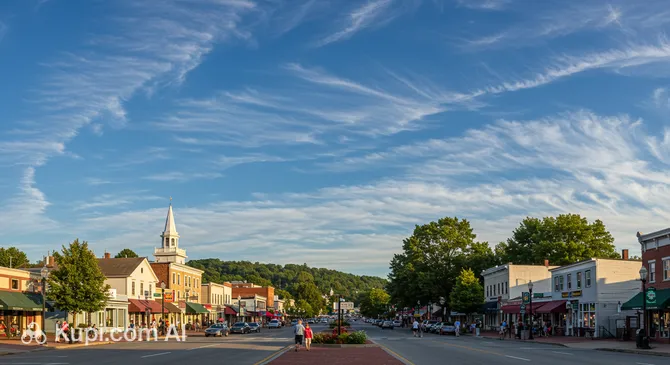
Located in the heart of pristine Alaska, Hoonah (historically known as Port Frederick) offers a unique window into the world of wild northern nature and ancient traditions. It is not just a point on the map of the USA, but the largest Tlingit settlement in the state, where modern life is closely intertwined with the rich cultural heritage of the people. The city is washed by the waters of icy straits and surrounded by dense emerald forests, creating an atmosphere of seclusion and tranquility.
Hoonah. Illustration.
Source: Kupi.com AI
Geographically, the settlement is located on Chichagof Island, and its life is inextricably linked to the sea. The climate here is typical for Southeast Alaska: humid and cool, with frequent fogs that give the local landscapes a touch of mystery. Despite the small number of permanent residents, Hoonah hospitably welcomes travelers seeking to see the real, non-touristy side of the American North.
The city's main value is its centuries-old history. Guests can get acquainted with the art of wood carving, see majestic totem poles, and watch whales right in the harbor. It is an ideal place for those seeking authenticity and wanting to feel the majesty of Arctic nature. A visit to this remote corner will be one of the most memorable moments of your trip through the state of Alaska.
Weather Overview
The weather in Hoonah is defined by a subarctic maritime climate, which means a predominance of cool and humid days throughout the year. A typical winter here is milder than in the Alaskan interior but is accompanied by heavy precipitation in the form of snow and rain. The average temperature in January hovers around -1.2°C, and air humidity remains high due to the proximity of the Pacific Ocean.
Summer in the city brings long-awaited relief, but it is rarely truly hot. In July and August, the air warms up to an average of +13°C, sometimes reaching the +15°C mark. Expect cool days with frequent drizzling rain and fog, which create that famous Alaskan atmosphere. The total amount of precipitation is significant, so a quality raincoat will be your best companion.
The most favorable time to visit is from May to July, when the number of sunshine hours increases and nature awakens. You can study the detailed climate of the city to choose the ideal time for your trip. Remember that strong winds from the straits can make the temperature feel lower than it actually is.
Average monthly temperature
Average monthly precipitation
Interesting Facts
Hoonah is one of the oldest Tlingit settlements in Alaska; the history of indigenous presence in this region dates back more than 4,000 years.
The harbor was named Port Frederick in the late 19th century in honor of Lord Frederick Campbell, an admiral of the British fleet.
The airport IATA code PFD refers to the local seaplane base, which is a vital transport artery for Chichagof Island.
The city is located in the so-called Pacific Ring of Fire, which makes the region seismically active, although serious tremors are rare.
About 75% of the city's population are Alaska Natives, making it one of the most authentic cultural centers in the state.
How to Get There
Hoonah's transport accessibility is dictated by its island location: it is impossible to reach it by land, as there are no bridges to Chichagof Island. The main and fastest way to get to the city is by air from Juneau, the capital of Alaska. A flight by seaplane or helicopter takes only 20–30 minutes and offers unforgettable views of glaciers and straits.
Regular flights are operated by small airlines, such as Wings of Alaska. It is important to note that flight schedules are highly dependent on weather conditions: frequent fogs and stormy winds can lead to delays. You can find more details about routes and ways to get to the city on specialized resources.
An alternative, more leisurely option is the Alaska Marine Highway ferry system. Ferries connect Hoonah with Juneau and Sitka. The sea journey can take from several hours to a whole day, but it is an excellent opportunity to enjoy a sea cruise at an affordable price. There is no railway service in this region due to the difficult terrain and the island nature of the area.
Main Attractions
The main attractions of Hoonah are inextricably linked to the surrounding wilderness and the culture of the indigenous people. One of the most popular locations is Port Frederick Harbor. During the season, you can observe humpback whales and orcas that come very close to the shore. This place also serves as a starting point for fishing expeditions, where even beginners can try their hand at catching halibut or salmon.
For those interested in culture, a must-visit is the Hoonah Visitor Center. It features an exhibition about the life and beliefs of the Tlingit people, as well as impressive totem poles, each of which tells its own story. This is the heart of the community, where ancestral traditions continue to live in the works of modern masters.
Outdoor enthusiasts should head to Spasski Bay, located a short boat ride from the city. This is one of the best places in Alaska to observe grizzly bears in their natural habitat. Walking along the untouched trails of the Tongass National Forest will allow you to feel the scale and grandeur of the northern jungle, where ancient trees stand alongside crystal-clear streams.
Local Cuisine
The culinary traditions of Hoonah are based on what the sea provides. The stars of the local table are wild salmon, king crab, and halibut. Be sure to try the traditional Tlingit treat known as "Indian candy"—this is dried or smoked salmon in a sweet marinade that has a unique flavor. The freshness of the seafood here is guaranteed, as most dishes are prepared from the morning catch.
The local gastro scene is simple and unpretentious. At the Lighthouse Restaurant, you will be offered excellent fish burgers and classic seafood chowders. These are typical spots for fishermen where portions are large and the atmosphere is maximally friendly. Craft beverage lovers will appreciate the products of the local Hoonah Brewing company, where they brew varieties perfectly suited to the harsh Alaskan climate.
For those with a sweet tooth, the city offers desserts made with local wild berries—blueberries and cranberries—gathered in the surrounding forests. During the cruise terminal season, food trucks with street food appear on the piers, offering quick snacks. The rest of the time, dining in Hoonah is about honest, hearty food that warms you up and gives you strength for exploring the wilderness.
Travel Tips
A trip to Hoonah requires some preparation to ensure your Alaskan adventure is as comfortable and safe as possible. These tips will help you navigate the nuances of life in this remote northern settlement.
Clothing: Use the layering principle. Even in summer, the weather can be changeable. Be sure to bring a high-quality waterproof jacket and comfortable shoes with non-slip soles for walking through the forest and on the piers.
Transport: There are no taxis or buses in the city. Plan to move around on foot or arrange a transfer with your lodge in advance.
Finances: Although cards are accepted in shops, bring a supply of cash. There are very few ATMs in the city, and they may be temporarily unavailable. Keep in mind that food prices here are higher than the national average.
Safety: You are in bear country. Never walk alone on forest trails without specialized spray and do not leave food outdoors. Be careful on the water due to strong tides.
Communication: The primary language is English. Mobile service in the city itself is stable, but the internet can be slow. Signal is often lost in the forest and on the water.
Etiquette: Treat Tlingit culture with deep respect. Always ask for permission before photographing local residents or their private property.
What to avoid: Do not attempt to feed wild animals, especially eagles and bears—it is dangerous and punishable by law. It is also best to avoid making noise near residential homes in the evening.
Extra tip: The best time to visit is from May to September. During the winter months, a period of isolation and twilight sets in, and many tourist services are unavailable.
By following these simple rules, you can fully immerse yourself in the atmosphere of this amazing region and take home only positive emotions from your trip.
Entertainment & Nightlife
Nightlife in Hoonah differs from that of large metropolises by its intimacy and tranquility. The main gathering spot for locals and visiting fishermen is the Pilothouse Saloon. This is a classic northern establishment with a relaxed atmosphere where you can enjoy a glass of beer, play a game of pool, and listen to the stories of seasoned sailors. Most establishments close quite early, around 10:00 PM, as life here follows the rhythm of the sea and daylight.
If your visit coincides with August, you can catch the Huna Totem Festival—a major cultural celebration. This is a time of vibrant dance performances, traditional singing, and community feasts. It is the best time to see the living culture of the region, which literally spills out onto the streets of the settlement during these days.
Daytime entertainment in the city is oriented toward ecotourism. Kayaking in the quiet waters of the bay is popular, where you can quietly approach sea otters and seals. Despite the absence of nightclubs and casinos, Hoonah offers a rare opportunity to enjoy the silence of a northern night and, if you're lucky, see the flickers of the Northern Lights away from city lights.
Parks & Museums
Hoonah's natural riches begin right on the doorstep, as the city is surrounded by the Tongass National Forest—the largest national forest in the USA. These are true temperate rainforests, where moss covers everything and ancient spruces reach into the clouds. A popular route is the Port Frederick Trail—an easy path that allows you to enjoy the forest silence and reach picturesque viewpoints overlooking the bay.
Cultural life is centered in the Hoonah Heritage Center & Bald Eagle Preserve. This is a small but informative space housing Tlingit cultural artifacts, traditional canoes, and everyday items. The center also focuses on preserving the bald eagle population, which can be found in huge numbers around the city—they often soar majestically over the harbor or perch on treetops.
The park areas here do not resemble manicured city squares; they are wild and primal. A walk through the Bald Eagle Preserve is an opportunity to see America's national symbol in its natural environment. Visiting these places helps one understand why the indigenous people of Alaska so deeply revere nature and consider it their home.
Getting Around
There is no public transport system in Hoonah in the traditional sense: there are no subways or bus routes here. The city is quite compact, and most key infrastructure facilities, including the piers and stores, are within walking distance of each other. For longer trips, locals use private cars or bicycles.
The roads in the city and its surroundings are predominantly unpaved, so they can be muddy after rain. Tourists can rent a car near the airport, which will be useful for trips to remote trails in the national forest. However, it is worth remembering that the road network is very limited and leads mainly to logging sites or popular hiking spots.
An alternative to ground transport in Hoonah are small boats and skiffs, which are used for moving around the harbor and connecting with nearby islands. There are no problems with traffic jams or lack of parking spaces in the settlement itself, and the slow pace of walking allows you to fully enjoy the fresh sea air and Alaskan views.
Accommodation
The choice of accommodation in Hoonah is limited, but each place possesses a special northern character. The most popular option is the Hoonah Harborview Motel, which offers cozy rooms with harbor views. It is an ideal spot for those who want to be in the center of the action and watch the movement of ships right from their window.
For fishermen and fans of more secluded relaxation, the Otter Creek Lodge is an excellent fit. It offers apartments and cabins geared toward long-term stays. It is worth considering that during the peak season (from May to September), when the main flow of tourists and cruise ships arrives in Alaska, accommodation prices can rise significantly, ranging from $150 to $300 per night.
Since the number of lodging options is limited, it is strongly recommended to book accommodation several months before your trip. The private rental sector through popular services is underdeveloped, so classic motels and specialized lodges remain the primary choice for travelers in Hoonah.
Nearby Cities
Hoonah serves as an excellent starting point for exploring the surroundings of Southeast Alaska, where every island and bay hides its own treasures. The most significant neighbor is the state capital—the city of Juneau. It is only 64 kilometers away by air, making it an ideal destination for shopping trips, visiting major museums, and walking at the foot of the Mendenhall Glacier.
Smaller, isolated settlements are also of interest. For example, Tenakee Springs is famous for its hot springs, and Pelican for its picturesque boardwalk built on stilts. Each of these places offers its own unique perspective on life away from civilization. For quieter strolls, you can head to Gustavus, which is the gateway to Glacier Bay National Park.
The city's surroundings are rich in natural attractions, and even a short trip to neighboring Freshwater Bay can turn into an exciting adventure with eagle and bear sightings. We recommend not limiting yourself to the city alone, but allocating time to explore the vast waters of this amazing region.
Shopping & Souvenirs
Shopping in Hoonah is primarily about searching for unique handcrafted items and local delicacies. There are no large shopping malls or brand-name stores here, and the center of commercial life is the Hoonah Trading Co. store. Here you can find everything from groceries to professional fishing and hiking gear. It is a great place to feel the pulse of the local community.
For souvenirs, head to the small shops at the cultural centers. The main treasures you can take home from the city are authentic Tlingit masks, silver jewelry with traditional patterns, and miniature totem poles carved from cedar. Vacuum-packed smoked salmon, which travels well, is also a popular gift.
Shops usually operate from morning until early evening, and on days when cruise ships arrive, hours may be extended. Bank cards are widely accepted, but for purchasing small souvenirs from local artisans in Hoonah, it is better to have some cash dollars on hand. If you are planning a major wardrobe update or electronics purchase, it is better to head to Juneau for that.