Located in the picturesque state of Miranda, the city of Cúa is a cozy and dynamically developing corner of Venezuela. Founded as early as 1690, this city harmoniously combines the functions of an important industrial hub and a peaceful "bedroom" suburb of the capital. Situated at an altitude of about 490 meters above sea level, it pleases residents and guests with a moderately warm climate and an abundance of greenery in the surrounding areas.
With a population of about 215,000, Cúa maintains the atmosphere of a hardworking Venezuelan town. Despite the active development of paper and plastic manufacturing enterprises, the city is surrounded by forested hills and meadows, creating a pleasant contrast with urban development. For travelers, this place can be an interesting point of immersion into the everyday life of the region, far from traditional tourist routes.
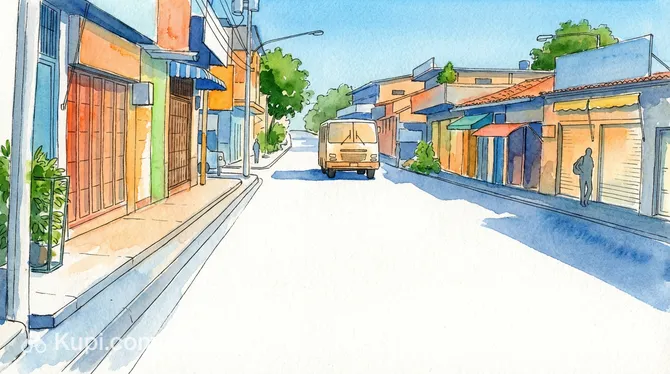
Cua. Illustration.
Source: Kupi.com AI
Diving into the rich historical heritage of Cúa, one can feel the spirit of old Venezuela, which has been preserved in the layout of the central streets and local traditions. One of the key features of the city is its proximity to religious shrines, such as Finca Betania, which attracts pilgrims. We invite you to get to know this hospitable city, where the industrial rhythm meets the leisurely charm of the Venezuelan province.
Weather Overview
The climate in Cúa is characterized as warm and stable throughout the year, making the city pleasant to visit in any season. Average air temperatures range from 18°C to 28°C. Thanks to its location in the foothills, there is no stifling heat, and the humidity remains at a comfortable level.
The region typically experiences alternating dry and wet seasons. The period from December to March is considered the driest and sunniest, while the highest rainfall occurs from June to October. Expect warm days with occasional tropical rains, which are usually short-lived and bring a pleasant freshness. The current weather in Cúa will help you plan your wardrobe more accurately before your trip.
The surrounding forests and meadows contribute to good air quality, creating a favorable atmosphere for walks. Even in the wettest months, the sun often peeks through the clouds, allowing you to enjoy the vibrant colors of Venezuelan nature.
Average monthly temperature
Average monthly precipitation
Interesting Facts
17th-century foundation: Cúa was founded in 1690, making it one of the oldest cities in this region of Venezuela with a history of over 330 years.
Fourth in the state: The city holds the honorable fourth place by population in the state of Miranda, serving as an important demographic center.
City of Roses: The patroness of the city is Our Lady of the Rosary (Nuestra Señora del Rosario), in whose honor annual cultural and religious festivities are held.
Industrial focus: Unlike many agrarian neighbors, Cúa's economy is based on the production of plastic products and paper rolls, serving the needs of the capital region.
High-altitude location: The city is situated at an altitude of nearly 500 meters above sea level, which provides it with a more pleasant temperature regime compared to coastal areas.
How to Get There
The city of Cúa is conveniently located in the state of Miranda, making it easily accessible for travelers coming from the capital of Venezuela. The main way to get here is by land transport. A car journey from Caracas takes 45 to 60 minutes, although during rush hours, heavy traffic can increase travel time to two hours. If you are planning a visit, it is useful to study the general recommendations on how to plan a route to Cúa.
The nearest major air hub is Simón Bolívar International Airport (Maiquetía), located near Caracas. Upon arrival at this airport, tourists can use transfers, taxis, or regular buses that run between the capital and the suburbs. There is no direct air connection to the city itself, so Maiquetía remains the main air gateway for all visitors to the region.
Public transport consists of a developed network of suburban buses and shared taxis ("carritos") that depart from various points in Caracas. This is an affordable and popular way to travel among locals. The railway connection in this area also plays an important role in linking with the capital, providing quick access to the industrial and residential zones of the state of Miranda.
Station
Passenger traffic
Distance
Libertador Simón Bolívar Terminal
6
30 km
Las Adjuntas
7
31 km
Main Attractions
Although Cúa is primarily known as a residential and industrial center, there are places here worthy of travelers' attention. The most significant attraction in the city's surroundings is Finca Betania. This is a well-known religious pilgrimage site featuring a church and a sanctuary associated with the apparitions of the Virgin Mary. Visitors note a special atmosphere of peace and the beauty of the surrounding nature here.
In the heart of the city, life bustles in the central squares and markets. Plaza Bolívar, traditional for every Venezuelan settlement, serves as the main gathering place for citizens. Here you can observe the leisurely pace of local life, relax in the shade of trees, and see the historical buildings surrounding the square. It's a great place to feel the authentic character of the city.
For those who appreciate natural beauty, the surroundings of Cúa offer walks through the forested hills and meadows of Miranda state. The absence of large tourist crowds allows for enjoying the natural landscapes in silence. Although there are no classic museums in the city, its architecture and way of life are living testaments to the region's history, spanning over three centuries.
Local Cuisine
The gastronomic scene of Cúa is a true feast of traditional Venezuelan flavors. You won't find fine-dining restaurants here, but you can enjoy truly authentic dishes. The main favorite is undoubtedly the arepa—a cornmeal flatbread with a wide variety of fillings: from cheese and ham to the famous "reina pepiada" with chicken and avocado.
You must try pabellón criollo—the national dish consisting of rice, black beans, juicy shredded beef, and fried plantains. This hearty and flavorful dish best reflects the character of the local cuisine. For dessert or a quick snack, locals often choose chicha—a sweet and thick rice- or corn-based drink with cinnamon and condensed milk.
Food culture in Cúa is closely linked to street food and local markets, where you can always find the freshest pastries and fruit juices. Coffee in the city, as in the whole country, occupies a special place—it is drunk often and with great pleasure. Don't miss the chance to visit a small local bakery ("panadería") to try freshly baked bread and traditional sweets in the company of hospitable locals.
Travel Tips
Planning a trip to Cúa requires attention to detail to ensure your journey is comfortable and safe. These practical tips will help you better navigate the local rhythm of life.
Clothing and gear: Choose light clothing made of natural fabrics, as warm weather prevails in the city. Don't forget comfortable shoes for walking and sunglasses. For visiting religious sites such as Finca Betania, a modest dress code is recommended.
Transport: Use official bus routes for trips from Caracas. Within the city, it is most convenient to move around by taxi, called through reliable services or the hotel administration.
Finances: The official currency is the bolívar, but US dollars are also widely accepted. It is recommended to have a cash reserve in small bills, as international cards do not work everywhere.
Health and Safety: Keep a close eye on your belongings in crowded places. Avoid walking on the outskirts of the city, especially after dark. Pharmacies can be found in the central areas.
Communication: The main language is Spanish. English is not widely spoken, so it's worth learning a few basic phrases or having an offline translator at hand.
Local Etiquette: Venezuelans are open and friendly people. A greeting like "Hola" or "Buenos días" always helps establish contact. Be polite and respect local customs.
What to avoid: Do not display expensive gadgets and jewelry on the street. Do not photograph military or government sites without special permission.
Additional Tip: Visit Finca Betania on weekdays to avoid large crowds of pilgrims and enjoy the silence.
Following these simple rules will make your visit to Cúa pleasant and leave only positive impressions of Venezuelan hospitality.
Entertainment & Nightlife
Nightlife in Cúa is characterized by tranquility, as the city is mainly focused on family life and daily work. You won't find noisy nightclubs or large concert venues typical of megacities. Local residents' evening leisure often takes place in cozy cafes or small restaurants in the city center, where you can enjoy socializing with loved ones to the sounds of Latin American music.
For active entertainment and vibrant parties, Cúa residents and tourists usually head to nearby Caracas, located just 30–40 kilometers away. The capital offers an unlimited choice of bars, clubs, and cultural events. In Cúa itself, the focus is on daytime walks in the central districts and visiting local markets, which become centers of social activity.
Safety is an important aspect, so it is recommended to choose well-lit central streets for evening walks. If you need to return to your hotel late at night, it is better to use an official taxi. In general, Cúa offers a measured pace of relaxation, ideal for those who want to take a break from the hustle and bustle of large tourist centers.
Parks & Museums
The natural surroundings of Cúa are its main ornament. The city is surrounded by hilly terrain with forested areas and green meadows, which create natural recreation zones. These are ideal places for those who prefer long walks in the fresh air. Although there are no large-scale landscaped parks in the city itself, the natural vegetation of Miranda state provides a sense of freshness and tranquility.
Regarding cultural sites, Cúa is focused on preserving local traditions through public spaces. The role of museums is often played by historical buildings and churches, such as the sanctuary at Finca Betania. This place is not only a religious center but also possesses a beautiful territory suitable for reflection and contemplation of nature. Visitors can enjoy the silence and cleanliness of the local air, which is considered one of the best in the region.
For a deeper acquaintance with the art and history of Venezuela, Cúa residents usually visit the galleries and museums of Caracas. Nevertheless, the city itself offers a unique opportunity to see the everyday life and architectural features of a typical Venezuelan suburb, where every square and central plaza is a witness to many years of history.
Getting Around
The transport system of Cúa is closely integrated with the infrastructure of the capital region. The main types of public transport are buses and shared taxis, called "carritos." They provide regular connections both between the city's districts and with neighboring settlements. Traveling in these minibuses is the most affordable way to move around, allowing you to quickly reach your destination.
The connection with Caracas plays a special role. Many residents travel to the capital daily for work, so bus routes in this direction operate very actively. The railway line passing through the region is also an important artery, helping to avoid traffic jams during rush hours. This is one of the most convenient and fastest ways to get to the industrial zones of Miranda state.
Inside the city center, it is convenient to move around on foot. For longer distances or in the evening, tourists prefer taxis. Fares are usually low, but it's better to agree on the price in advance. The payment system in public transport is mainly cash-based, so travelers are advised to always carry small bills of the local currency.
Accommodation
Accommodation options in Cúa are primarily aimed at those visiting the city for business or transit. You shouldn't expect many luxury five-star hotels here, but the city offers decent mid-range options. One of the most famous establishments is the Gran Casino Hotel, which provides a standard set of services for a comfortable short-term stay.
For those who planning to stay in the region longer, renting apartments is a popular option. This allows for a better acquaintance with the local way of life and often proves to be a more economical solution. Most of the housing is concentrated in the central areas, which is convenient for accessing transport hubs and shops.
When planning a trip, it is recommended to book accommodation in advance, especially if your visit coincides with local holidays or religious events at Finca Betania. Accommodation prices in Cúa remain quite affordable compared to the capital, making the city an attractive option for budget travelers.
Nearby Cities
The city of Cúa is an excellent starting point for exploring the northern part of Miranda state and the capital region. Its proximity to major highways allows for easy planning of day trips to neighboring cities, each of which has its own unique flavor.
Just 5 kilometers away is the city of Charallave, which serves as an important transport and commercial hub. A little further, 14 kilometers away, is Ocumare del Tuy, known for its traditions and active trade. It is also worth paying attention to Santa Teresa del Tuy, which impresses with its scale and industrial potential.
Of course, the main destination for travelers remains Caracas, which can be reached in less than an hour. The capital offers a rich cultural program, museums, and parks. Exploring the surroundings of Cúa will allow you to see the multifaceted life of Venezuela beyond the main tourist paths.
Shopping & Souvenirs
Shopping in Cúa is primarily an acquaintance with the local color and the daily life of Venezuelans. You won't find huge shopping malls with international brands here, but you can immerse yourself in the atmosphere of bustling markets and shops in the city center. Most commercial activity is concentrated around the central squares, where shops offer clothing, shoes, and household goods.
Local markets are the best place to buy fresh produce and traditional goods. It is worth paying attention to Venezuelan coffee and cocoa, which are famous for their quality worldwide. You can also find folk crafts at the markets: woven baskets, ceramics, and bright textiles, which make excellent souvenirs of your trip.
Shops in Cúa usually open from morning to evening with a lunch break, and payment is most often made in cash, although larger outlets accept bank cards. Walking through the shopping rows of Cúa is not just about buying things, but also an opportunity to chat with friendly vendors and feel the true rhythm of life in this energetic city.