Support

Phu Van Lau

About

On the banks of the Perfume River in the historic city of Hue stands the elegant two-story Phu Van Lau pavilion. It is an iconic landmark for all of Vietnam, representing a unique example of Nguyen Dynasty imperial architecture. Built in 1819, the pavilion served as the official rostrum from which imperial decrees were read and the results of major state examinations were announced.
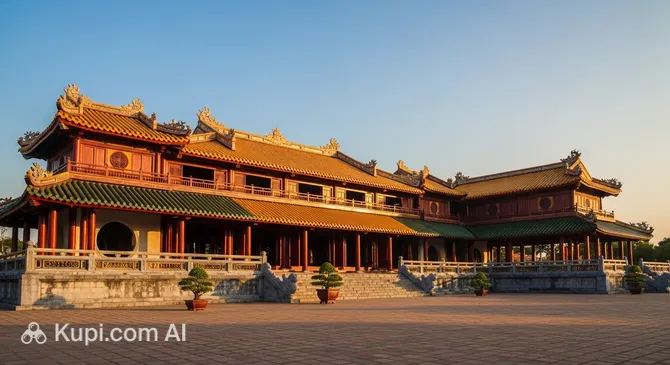
Phu Van Lau
Phu Van Lau. Иллюстрация. Источник: Kupi.com AI

Modest in size but profound in meaning, this pavilion is a key element in the philosophical layout of the ancient city. Its architectural concept reflects ancient views of the universe: the combination of square and circular forms symbolizes the unity of earth and sky. The significance of this site is highlighted by the fact that its image is part of everyday life for every Vietnamese person—it adorns the 50,000 dong banknote.

Today, Phu Van Lau is not only a historical monument but also one of the most picturesque spots in Hue. Situated on the Citadel's main axis, it offers visitors a sense of tranquility and a chance to touch the atmosphere of the imperial past while enjoying the gentle flow of the river and views of the ancient fortress walls.

Contacts

To plan your visit to this historical landmark, you may find the exact address helpful. Phu Van Lau is within walking distance of the main tourist routes.

How to contactContact
AddressFH8J+59V, Lê Duẩn, Phú Thuân, Huế, Thành phố Huế, Вьетнам

What to Do

When you arrive at the Phu Van Lau pavilion, start by noticing its unique architectural details. Take a look at the unusual windows: the circular ones symbolize the sky, while the square ones represent the earth. This is a great opportunity to see how ancient philosophical concepts of yin and yang were brought to life in wood and stone. Don't forget to spot the sun image on the roof—a central decorative element that completes the building's look.

This location is perfect for photography enthusiasts. The best shots are captured at sunset or sunrise, when the soft rays of the sun reflect in the waters of the Perfume River, and the pavilion looks particularly romantic against the backdrop of the massive Citadel gates. Many travelers choose this space for a brief meditation or a quiet rest, watching the dragon boats glide by.

A visit to the pavilion can easily be combined with a walk along the waterfront or a visit to the neighboring Nghinh Luong Dinh pavilion, where the emperors themselves once rested. For an authentic experience, try having a small picnic in the shade of the trees, as locals do, while enjoying the harmony of architecture and nature.

Getting There

Reaching this iconic site is easy, as it is located on the banks of the Perfume River, directly opposite the main gate of the Imperial Citadel. If you are already exploring the historical center, it is just a 5–10 minute walk from the Ngo Mon Gate along the city's central axis.

For those arriving from further away or from Phu Bai Airport (located about 20 kilometers away), the most convenient options are taxis or the Grab app. The drive from the airport takes approximately 30–40 minutes. Bicycles and rickshaws also remain popular and romantic ways to get around, allowing you to leisurely enjoy the sights of old Hue.

There are pedestrian paths and parking areas near the pavilion, making it a convenient stop during a car tour or a river cruise. Exact coordinates for navigation: 107.5809215, 16.4654765.

Ближайший город: Hue

History & Facts

The history of this elegant structure began in 1819, when Emperor Gia Long ordered the construction of a small building that later evolved into a ceremonial pavilion. Its name, Phu Van Lau, is closely tied to its function: it was here, during the Nguyen Dynasty, that royal decrees were announced and the names of successful imperial examination candidates were posted. The site served as a vital link between the ruler and his people.

The architecture of the pavilion is steeped in deep philosophical meaning. It is part of the Citadel's sacred axis: the path leads from Phu Van Lau to the Flag Tower (symbolizing heaven, earth, and man) and on to the Ngo Mon Gate. The building's square base represents the earth, while the circular elements on the roof represent the sky, together creating the harmony of yin and yang.

In 1841, the pavilion hosted a grand celebration for Emperor Minh Mang's 50th birthday. A banquet was held for 100 of the city's elders, whose combined age exceeded 10,000 years, symbolizing a wish for the eternal longevity of the ruling dynasty. The Emperor personally greeted the elders, offering them gifts and reciting poetry.

Despite its significance, the pavilion has suffered from the elements several times. In 1904, it was destroyed by a powerful typhoon, and in 2014, part of the structure collapsed due to age. However, careful restoration has preserved this important historical site, which today is even featured on the Vietnamese 50,000 dong banknote.

Time Needed

Exploring the Phu Van Lau pavilion itself usually takes very little time—about 20–40 minutes. This is plenty of time to admire the architectural details, read the information plaques, and take some great photos with the Perfume River in the background.

However, we recommend planning this visit as part of a longer walk. Since the site is located right next to the Imperial Citadel, which requires at least 2–3 hours to explore, the pavilion makes an excellent addition to your route or a place for a short break before continuing your tour.

Working Hours

Since Phu Van Lau is an open architectural monument located in a public space, it is accessible 24 hours a day. You can visit early in the morning or late in the evening when the city lights come on.

Nevertheless, it is recommended to check official Hue tourism portals before your trip to ensure there are no temporary closures due to city festivals or restoration work.

Круглосуточно

Nearby

A visit to the pavilion can easily be combined with exploring other iconic sites in this historic city. Its proximity to the Imperial Citadel allows for a rich, full-day cultural itinerary.

NameDistance
Meridian Gate0.3 km
Imperial City of Hue0.6 km
Museum of Royal Antiquities0.7 km
Kien Trung Palace0.8 km
Luc Bo Cultural Space0.8 km
Nguyen Dinh Chieu Walking Street0.9 km
Imperial Craft Beer Brewpub1.1 km

Reached the end of the page?

That means the route is fully explored