Support

Lao Cai

About

Lao Cai is a true gateway to northern Vietnam, a city nestled among picturesque mountains and valleys right on the border with China. Located approximately 300 kilometers northwest of Hanoi, it literally breathes the freshness of mountain air, surrounded by majestic peaks, rushing rivers, and the famous green terraces of rice fields.
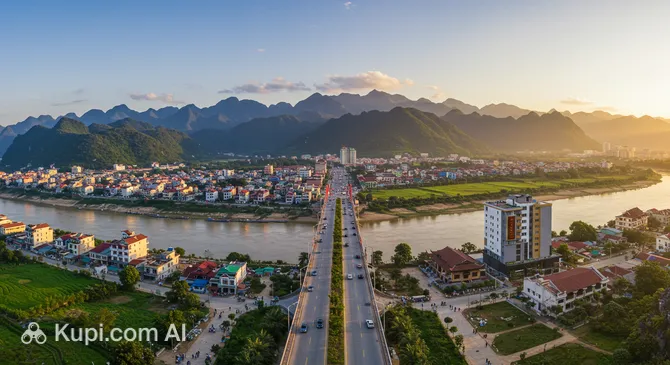
Lao Cai. Illustration.
Source: Kupi.com AI

Lao Cai serves as the administrative center of the province of the same name, with a population of about 130,000 people. The city plays a key role as a major transportation and trade hub, connecting Vietnam with neighboring China. For many travelers, Lao Cai becomes the starting point for exploring the stunning surrounding areas, including the popular mountain resort of Sapa and the colorful village of Bac Ha, famous for its Sunday markets.

The atmosphere of Lao Cai is a fascinating blend of a dynamic border town and the peaceful serenity of provincial life. You can hear a mix of languages on its streets, the local markets are always bustling with trade, and in the evenings, the city is often enveloped in a light mist, giving it a special, somewhat mysterious feel.

Nature lovers and seekers of ethnic charm particularly appreciate this city. From here, it is easy to reach the fantastic rice terraces that cascade down the mountainsides and Fansipan, the highest peak in Vietnam. Furthermore, a trip to Lao Cai offers a unique opportunity to immerse yourself in the rich culture and daily life of the local ethnic minorities.

If you are looking for authentic experiences rather than well-trodden tourist paths, Lao Cai is an ideal choice. It lacks the overwhelming crowds of tourists, allowing for a deeper immersion into the atmosphere of northern Vietnam and the chance to become part of the slow-paced yet colorful life of this border city.

You can find more interesting facts on the history of Lao Cai page.
Weather Overview

The weather in Lao Cai is characterized by warm and humid summers, and cool, drier winters. The average annual temperature ranges from 13.7°C in January to 25.5°C in June and July. The highest amount of rainfall occurs during the summer months, especially in August (averaging 12 mm and 29 rainy days), while November and December are the driest months with minimal precipitation (around 2 mm). Expect warm summers with frequent rain and cool, relatively dry winters. To find out more details, check out the detailed Lao Cai climate.

Average monthly temperature

Average monthly precipitation

Interesting Facts

Beyond its scenic landscapes and convenient location, Lao Cai hides many curious details. Here are a few interesting facts that will help you see this Vietnamese city in a new light:

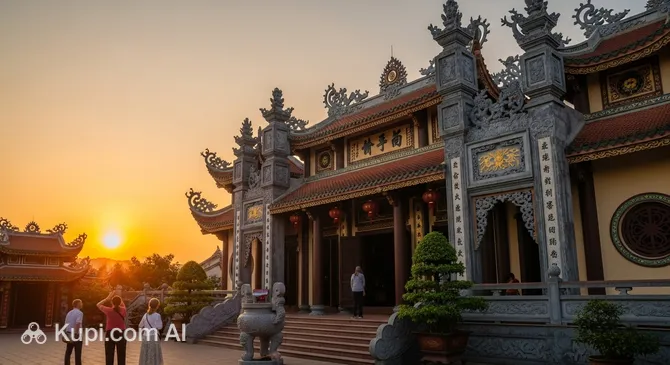
Thuong Temple (Upper Temple) Lao Cai. Illustration.
Source: Kupi.com AI

Traveler photos:

  • A Strategic Gateway: Lao Cai is not just a city, but a key transportation hub on the border with China. An important railway line connecting Hanoi with Kunming, China, passes through here, and the city serves as a major land border crossing, welcoming hundreds of people daily and creating a unique multicultural atmosphere.

  • Emerald Terraces: The surroundings of Lao Cai are home to some of the most picturesque rice terraces in Vietnam. These man-made masterpieces, created over centuries, represent not only a unique landscape but also a living monument to the hard work of local residents, attracting beauty seekers and photographers every year.

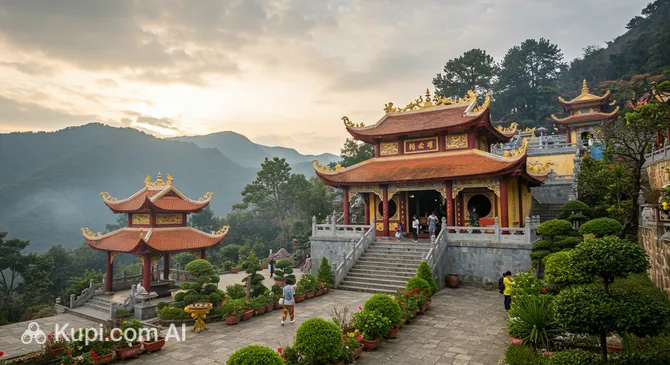
  • A Kaleidoscope of Cultures: Lao Cai province is home to many ethnic groups, such as the Hmong, Dao, and Tay. Each group carefully preserves its unique traditions, which can be seen at colorful local markets and during festivals. Reflections of these traditions can also be found in local shrines, such as the Thuong Temple (Upper Temple).

  • Recent Openness: Interestingly, for a long time, Lao Cai was closed to foreign tourists. The city only began actively welcoming guests from abroad in recent decades, which is why it still retains a special authenticity that is hard to find in more commercialized tourist centers.

How to Get There

Lao Cai is an important transport hub in the north of the country, linking mountainous regions with the plains and neighboring China. Since there is no airport in the city itself, travelers usually combine a flight with a train or bus trip. You can explore all the ways to get to the city and choose the most suitable route for your journey.

There is no airport directly in Lao Cai, so the main point of arrival for most tourists is Noi Bai International Airport (HAN) in Hanoi. It is located about 235 km from Lao Cai. Thanks to a modern expressway, the journey from the airport by taxi or intercity bus takes about 4–5 hours. This is the most popular and convenient option, as the airport handles a vast number of international flights.

Geographically, the closest is Wenshan Puzhehei Airport (WNH) in Wenshan, located about 125 km away. However, keep in mind that it is in China, which requires a visa and passing through border control. Another regional option is Dien Bien Airport (DIN) in Dien Bien Phu (about 156 km from Lao Cai), though the road from there crosses difficult mountain terrain and takes a long time.

For convenience, here is a summary of the main airports:

AirportPassenger trafficDistance
Wenshan Puzhehei Airport230 945125 km
Dien Bien Airport210 000156 km
Sam Neua65 000228 km
Noi Bai International Airport32.5 mln235 km
Oudomxay Airport15 000286 km

Rail travel is a classic and very atmospheric way to reach Lao Cai. The city is the terminal station of the line originating in Hanoi. Every day, and particularly at night, trains of various comfort levels run this route — from budget state-run trains to luxurious tourist sleepers. A night train journey allows you to save on a hotel and arrive in Lao Cai early in the morning, ready for new adventures. The station is located right in the city center, which is very convenient for further transfers to Sapa or other districts.

In addition to trains and planes, Lao Cai can be reached by comfortable sleeper buses or "limousine" minivans from Hanoi and other major cities in northern Vietnam. The journey along the new highway is fast and scenic, offering views of rice fields and green hills.

Main Attractions

Lao Cai, situated in northern Vietnam, offers travelers several interesting sites that blend cultural heritage with natural beauty. These attractions provide a deeper insight into the history and spiritual life of the region.

One of the city's key shrines is the Thuong Temple (Upper Temple). Dedicated to the national hero Tran Hung Dao, this temple is located on a scenic hill overlooking the confluence of the Red River and the Nam Thi River. It attracts visitors not only with its rich history and traditional architecture but also with the opportunity to enjoy panoramic views of the surroundings. The temple is an important site for locals and frequently serves as a center for cultural festivals.

Thuong Temple (Upper Temple) Lao Cai. Illustration.
Source: Kupi.com AI

Traveler photos:

Equally significant to the spiritual life of Lao Cai is the Mother Goddess Temple. This place of worship is dedicated to the cult of Mau, one of the oldest and most revered traditions in Vietnam. Travelers interested in local beliefs and traditions will find this temple particularly fascinating. Its vibrant decor and peaceful atmosphere leave a lasting impression.

Mother Goddess Temple. Illustration.
Source: Kupi.com AI

Traveler photos:

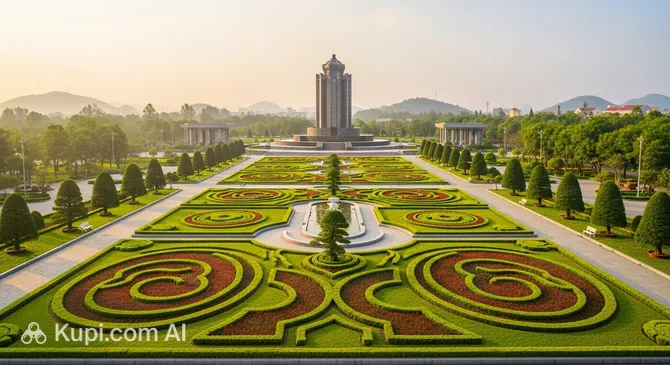
For those looking for a place to relax outdoors, Ho Chi Minh Park is an excellent choice. This well-maintained urban park, named after Vietnam's first president, is a popular spot among both residents and visitors. Here, you can stroll along shaded paths, relax by the fountains, or simply enjoy the tranquil atmosphere. The park also features a monument to Ho Chi Minh and often hosts various city events and celebrations.

Ho Chi Minh Park. Illustration.
Source: Kupi.com AI

Traveler photos:

Local Cuisine

The cuisine of Lao Cai is a wonderful blend of northern Vietnamese flavors, enriched by the culinary traditions of local ethnic groups and the influence of nearby China. The region's gastronomic pride lies in dishes prepared from the freshest vegetables, aromatic mountain herbs, and rice harvested from the famous terraces. This unique combination creates a distinct flavor profile that attracts foodies from all over the world.

Among the dishes you should definitely try in Lao Cai is "thang co" (thắng cố) – a rich and aromatic soup traditionally made from horse or beef meat with a variety of spices. This signature dish of the Hmong people is often found at bustling markets and during local festivals. Another local delicacy is smoked pork, which has a deep, smoky flavor, as well as dishes made from fresh river snails prepared according to special recipes.

Street food in Lao Cai is a true gastronomic adventure. On every corner, you can find stalls with hot steamed "banh bao" (bánh bao) buns with various fillings, as well as roasted chestnuts and corn. In numerous small eateries, you will be offered hearty and spicy noodles with beef, fresh herbs, and savory chili sauce. Local markets are not just places to buy fresh produce, but also a great opportunity to try exotic fruits, homemade cheeses, honey, and other gifts of nature.

When it comes to drinks in Lao Cai, look out for various herbal infusions prepared according to ancient recipes passed down through generations. They are not only thirst-quenching but are also believed to have healing properties. And, of course, you cannot miss the aromatic Vietnamese coffee grown on the slopes of the local mountains. Its rich taste is a wonderful addition to any meal or a pleasant companion during walks around the city.

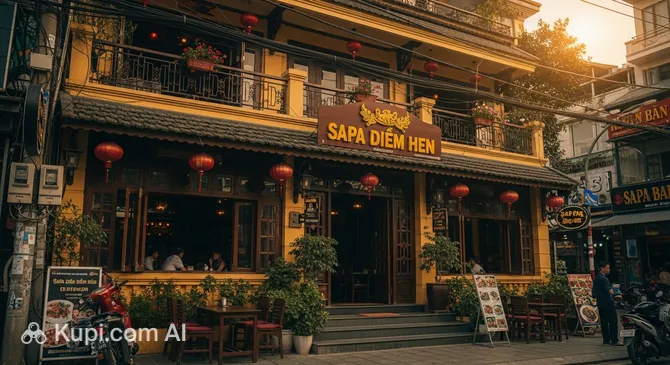
The dining culture in Lao Cai is very casual: locals and tourists alike enjoy eating in small family cafes and street stalls, as well as in restaurants offering a wider selection of dishes. To get a deeper introduction to local cuisine in a cozy setting, you can visit one of the establishments, such as SaPa Diem Hen Restaurant. Additionally, Lao Cai occasionally hosts food festivals, especially during the rice harvest season, where you can not only taste many dishes but also learn the secrets of their preparation.

SaPa Diem Hen Restaurant. Illustration.
Source: Kupi.com AI

Traveler photos:

Travel Tips

Welcome to Lao Cai! This colorful city in northern Vietnam, located on the border with China, serves as a gateway to stunning mountain landscapes and unique cultures. To ensure your trip goes smoothly and leaves you with only pleasant impressions, we have prepared some practical tips.

  1. Clothing and Essentials: The climate in Lao Cai and its surroundings can be changeable. Bring light clothing for warm days, as well as a sweater or jacket for cool evenings, especially if you plan trips to the mountains (like Sapa). Be sure to pack comfortable walking shoes, a raincoat or umbrella (especially from May to September), sunscreen, and a hat. Don't forget a universal power adapter. When visiting temples or ethnic minority villages, choose modest clothing that covers your shoulders and knees.
  2. City Transport: In Lao Cai, motorcycle taxis (xe om) are the most common way to get around – they are a fast and inexpensive way to travel short distances; always agree on the price before the ride. Regular taxis are also available. For trips to neighboring towns like Sapa, there are buses. Motorbike rental is possible but recommended only for experienced riders due to the nature of local traffic. The central part of the city is easily explored on foot.
  3. Finances: The local currency is the Vietnamese Dong (VND). Credit cards are accepted in large hotels and some restaurants, but cash will be necessary for markets, small shops, and street food. There are ATMs in the city. It is best to exchange currency at banks or official exchange offices. Tipping is not mandatory in Vietnam, but is always appreciated for good service – you can round up the bill or leave a small amount for a guide or driver.
  4. Health and Safety: There are pharmacies (nhà thuốc) in Lao Cai, but the staff may not always speak English. It is recommended to have a basic first-aid kit with you. Be sure to take out travel insurance that covers medical expenses. Drink only bottled water. The city is generally safe, but follow standard precautions: keep an eye on your belongings in crowded places (markets, stations) and avoid walking alone in poorly lit areas late at night.
  5. Communication: The official language is Vietnamese. English is common in the tourism sector but not everywhere. Learn a few simple phrases in Vietnamese, such as "sin chao" (hello) and "cam on" (thank you) – this is highly appreciated by locals. You can purchase a local SIM card with internet access upon arrival. Wi-Fi is available in most hotels and cafes.
  6. Local Etiquette: Vietnamese people are very friendly. Greet people with a light bow or nod and a smile. In public places, try not to speak too loudly. It is customary to remove your shoes when entering a private home or temple. If you want to take photos of locals, be sure to ask permission, especially of members of ethnic groups. It is customary to bargain in markets, but do so politely and with a smile.
  7. What to Avoid: Try not to show anger or irritation in public, as "saving face" is important in Vietnamese culture. Do not touch the heads of locals, as the head is considered a sacred part of the body. Also, avoid pointing at anything or anyone with your foot.
  8. Special Tip: Lao Cai is not just a transit point on the way to Sapa, but a city with an interesting border atmosphere. Visit the Lao Cai International Border Gate (Cửa khẩu Quốc tế Lào Cai) to see the bustling trade and cultural exchange with China. If your trip coincides with the weekend, find out about visiting local markets in the surrounding area where representatives of various ethnic groups gather – it's an unforgettable experience.

We hope these tips help you better prepare for your trip and get the most out of your visit to Lao Cai and its hospitable residents. We wish you an exciting journey!

Entertainment & Nightlife

Evening in Lao Cai offers tourists the chance to spend a pleasant time after a busy day, immersing themselves in the local atmosphere. While the city might not be famous for high-energy nightclubs like major metropolises, you can find cozy spots for dinner, socializing, and experiencing Vietnamese culture in the evening hours.

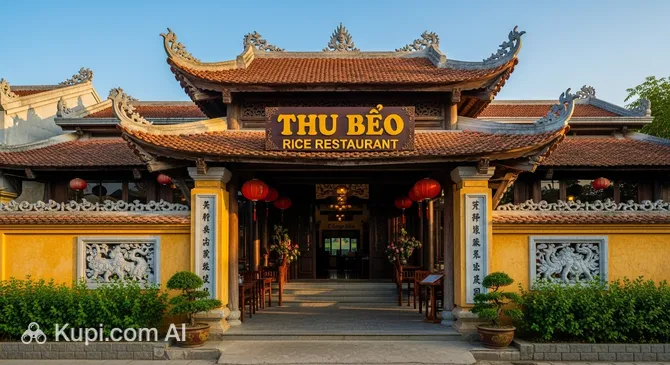
The foundation of evening entertainment in Lao Cai consists of restaurants and cafes where you can enjoy both traditional Vietnamese cuisine and dishes with Chinese influences, given the proximity to the border. Many establishments stay open late, offering guests a relaxing environment. For instance, you can visit SaPa Diem Hen Restaurant or Thu Beo Rice Restaurant, Coc San to sample local specialties. The atmosphere in such places is usually friendly and conducive to a leisurely dinner. Some venues may also serve drinks, transforming into lounge-like areas in the evening.

Thu Beo Rice Restaurant, Coc San. Illustration.
Source: Kupi.com AI

Traveler photos:

As for bars and clubs, the selection in Lao Cai may not be as extensive as in Vietnam's major tourist centers. However, in the central part of the city or near large hotels, you can find several bars serving local and imported drinks. These are often small venues with a relaxed vibe, popular with both locals and tourists. Night markets, if they are operating during your visit, can also be a great place for an evening walk, offering street food and souvenirs. It's worth wandering through the lively central streets to find interesting spots – sometimes the best discoveries happen spontaneously.

The nightlife atmosphere in Lao Cai is more calm and authentic than loud and clubby. The crowd is a mix of locals and travelers exploring northern Vietnam or crossing the border. The dress code in most places is casual. The best time for evening outings is after 19:00-20:00, when the daytime heat subsides. Prices in Lao Cai establishments are generally moderate. For getting around in the evening and night, taxis or motorcycle taxis (xe om) are most convenient; it is recommended to agree on the price in advance or use official taxi companies.

In terms of safety, Lao Cai is generally considered a peaceful city. However, as with any other place, it's wise to follow standard precautions in the evening: avoid poorly lit and deserted streets and keep an eye on your belongings. You can call a taxi through your hotel reception or by using taxi-hailing apps if they are popular in the region.

During the day, Lao Cai offers other types of leisure. You can visit cultural attractions such as the Thuong Temple (Upper Temple) or the Mother Goddess Temple to learn about local beliefs and architecture. For a quiet break and a walk, Ho Chi Minh Park is ideal. These places allow you to get to know the city and its history better before heading out for evening entertainment.

Parks & Museums

Lao Cai, a city in northern Vietnam, offers travelers not only scenic views of the surrounding nature but also the chance to touch local culture through its green spaces and historical shrines. Here, you can find places for quiet relaxation as well as sites that tell the story of the region's history and traditions.

Among the city's green zones, Ho Chi Minh Park stands out. It is a popular spot among locals and tourists for walks, morning exercises, and simply taking a break from the city bustle. The park offers well-kept paths and an opportunity to observe the daily life of the residents. While Lao Cai might not be known for an abundance of large park complexes, its embankment along the Red River (Song Hong) is also a lovely place for leisurely strolls and enjoying the fresh air.

Ho Chi Minh Park. Illustration.
Source: Kupi.com AI

Traveler photos:

Although Lao Cai may not have many large museums in the classical sense, the city's cultural and historical heritage is vividly represented in its temples and pagodas. One of the most significant is the Thuong Temple (Upper Temple). Situated on an elevation, it is dedicated to General Tran Hung Dao, a national hero of Vietnam. Visiting the temple is interesting not only from a historical and religious perspective but also for the magnificent views of the city and the confluence of the rivers.

Thuong Temple (Upper Temple) Lao Cai. Illustration.
Source: Kupi.com AI

Traveler photos:

Another important spiritual site is the Mother Goddess Temple (Den Mau). This temple attracts visitors with its authentic atmosphere and beautiful traditional architecture, serving as a hub for believers, especially during holidays. Visiting such places provides an opportunity to deeper understand the spiritual life of the local population.

Mother Goddess Temple. Illustration.
Source: Kupi.com AI

Traveler photos:

For those seeking authentic experiences, it's worth wandering through the local markets, such as the Coc Leu Market (while not a park or museum, it's a great place to get to know the local culture and lifestyle). Also, look out for lesser-known pagodas and communal houses (dinh) that can be found while exploring the city's side streets – they often hide interesting details of local history and architecture.

Getting Around

Getting around the city of Lao Cai can be done in several ways, although the public transport system here is not as developed as in major metropolises. The main options include local buses, taxis, and the popular Vietnamese motorcycle taxis.

Local buses run along the city's main streets and connect it with some surrounding areas. This is the most economical way to travel. It's best to check schedules and routes on the spot, as they can change. Fares are usually paid in cash to the conductor or driver upon entry. The cost is very low.

Motorcycle taxis (xe om) are a very common and flexible way to move short and medium distances. You can easily find motorcycle taxi drivers on the streets, especially in busy areas. It is important to agree on the price in advance, before setting off. This is a convenient option for quickly reaching your destination while avoiding potential traffic.

Taxis are also available in Lao Cai. They can be ordered by phone or found at designated stands, for example, at the train station or major hotels. It is recommended to use the services of official taxi companies and ensure the driver turns on the meter, or agree on a fixed price for longer trips. A taxi is a more comfortable but also more expensive option compared to buses or motorcycle taxis.

Practical tips for tourists: Always carry small change for fares, especially for buses and motorcycle taxis. If you plan to use buses frequently, try to find out the routes that pass your accommodation or points of interest. For motorcycle taxis and regular taxis, don't hesitate to bargain or clarify the price before starting the trip. Public transport hours, especially buses, may be limited in the evening, so plan your late-night trips in advance, perhaps using a taxi.

Alternatively, for short distances in the city center, you can get around on foot. Bicycle or scooter rentals may also be available, but this should be checked at local rental points or hotels. Specialized apps for tracking public transport or buying tickets online are generally not available in Lao Cai; the payment and navigation system is quite traditional.

Accommodation

When planning a trip to Lao Cai, you will find a variety of accommodation options to suit different preferences and budgets. The city offers a wide range of housing: from budget guesthouses and inexpensive hotels popular with backpackers and budget travelers, to more comfortable mid-range hotels and apartments for those seeking more amenities.

When choosing a place to stay in Lao Cai, it's worth looking at areas near key transport hubs, such as the train station or bus station, which is particularly convenient for further travel, for example, to Sapa. Accommodations in the central part of the city are also popular, providing easy access to local markets and restaurants. Some tourists prefer to stay in areas close to attractions like Ho Chi Minh Park or the Thuong Temple (Upper Temple), allowing them to combine their stay with a cultural program.

Ho Chi Minh Park. Illustration.
Source: Kupi.com AI

Traveler photos:

While specific world-famous hotel chains may not be as widely represented as in major metropolises, Lao Cai has plenty of local hotels offering a decent level of service. You will find small family-run guesthouses with an authentic atmosphere as well as more modern hotels with the necessary set of services for a comfortable stay.

Regarding price range, Lao Cai offers accommodation for every wallet: from very affordable options to mid-price category offers. Luxury hotels are less common; the main focus is on comfortable and functional accommodation. You can book housing through popular online booking platforms or, in some cases, by contacting the hotel directly. Especially during peak tourist seasons or local holidays, it is recommended to book your stay in advance to ensure the best choice and prices.

Nearby Cities

For those who want to explore the surrounding area, Lao Cai serves as an excellent starting point for day trips to several interesting nearby locations:

CityPopulationDistance
Hekou37 0747 km
Sa Pa9 41221 km
Lai Chau42 97353 km
Khong10 00066 km
Jinping101 29784 km

Among these cities, a few are particularly noteworthy: Son La, located just 127 km away, attracts travelers with its picturesque mountain scenery and the opportunity to learn about the culture of local ethnic minorities. A trip to Viet Tri, 188 km away, will be interesting for those fascinated by the region's history, as the city is an important industrial and cultural center on the Red River. And Thai Nguyen, famous for its extensive tea plantations, offers a unique chance to see the tea-growing process and enjoy a fresh cup of tea right on the spot.

These nearby destinations provide a great insight into the diverse culture and landscapes of the region.

Shopping & Souvenirs

Shopping in Lao Cai offers tourists a glimpse into local trade and the chance to purchase authentic goods. Located on the border with China, the city is a major trading hub, so you can find both Vietnamese and Chinese products here. Local markets are particularly famous, where life is in full swing and a wide range of products is presented – from fresh food to handicrafts.

The main shopping spots in Lao Cai are concentrated along the central streets and near the major markets. Here you can find many small shops, stalls, and street vendors offering various goods. There are few specialized shopping streets with famous brand boutiques in Lao Cai; the focus is more on traditional trade.

Large modern shopping malls in the Western sense are not a characteristic feature of Lao Cai. However, the city may have small shopping complexes or department stores where you can buy clothes, household goods, and electronics. Most trading activity is still concentrated in markets and small private shops.

Markets are the heart of commerce in Lao Cai. The most famous and largest is the Coc Leu Market (Chợ Cốc Lếu). This is a bustling place where you can find almost everything: fresh fruits and vegetables, meat, seafood, spices, clothing, shoes, household items, as well as souvenirs and local handicrafts. Visiting the market is a great opportunity to immerse yourself in the local atmosphere and observe the daily life of the citizens. There are also smaller local markets in the city and its surroundings offering products from local farmers and artisans.

As souvenirs from Lao Cai, it is worth bringing back textile products, especially those with traditional patterns of the local ethnic groups living in Lao Cai province. Local tea, coffee, dried fruits, spices, and various handicrafts are also popular. Due to the proximity to the border, you can also find interesting Chinese goods here, such as tea or small souvenirs.

Shops in Lao Cai usually open in the morning, around 8:00-9:00, and operate until the evening, around 20:00-21:00. Markets start their work very early in the morning. The primary method of payment, especially in markets and small shops, is cash in Vietnamese Dong (VND). In some larger stores or hotels, bank cards may be accepted, but it's better to always have enough cash with you. Tax-free shopping for tourists in Lao Cai is unlikely for most purchases, as this system is usually common in large international airports and specialized stores in major tourist centers.

Reached the end of the page?

That means the route is fully explored