Support

Viet Tri

About

Viet Tri is a fascinating city where the past meets the present in harmony, and ancient traditions continue to live in unison with modern dynamics. It is nestled on the scenic banks of the Lo River in the heart of Phu Tho Province in northern Vietnam, approximately 80 kilometers from Hanoi. Thanks to its strategic location, Viet Tri has rightfully become an important administrative, economic, and cultural center of the region.
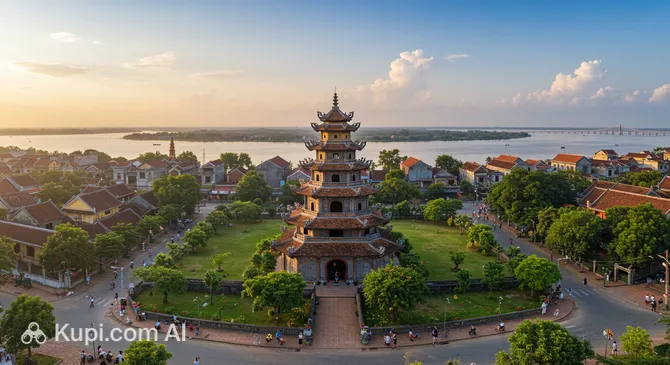
Viet Tri. Illustration.
Source: Kupi.com AI

The city has about 277,539 inhabitants, making it one of the largest settlements in the province. Life here is vibrant: the streets are full of colorful markets, old houses, and lively cafes, while in the evenings, Viet Tri is filled with the tempting aromas of street food and the enchanting sounds of traditional music.

Viet Tri is aptly called the "land of ancestors," as it is here, according to legend, that the history of the Vietnamese nation began. The atmosphere of the city is permeated with deep respect for ancient customs and pride in a rich cultural heritage. Other attractive features of the city include the opportunity to explore ancient villages and discover traditional crafts. It is an ideal place for those who seek to immerse themselves in authentic Vietnamese culture and meet hospitable locals.

Viet Tri is not just a point on the map, but a true treasure trove of experiences for curious travelers. Here, you can feel part of centuries-old history and enjoy peaceful landscapes. A visit to Viet Tri promises an unforgettable journey into the heart of the Vietnamese soul and a wonderful opportunity to discover little-known but charming corners of the country.

You can find more interesting facts on the page about the history of Viet Tri

Weather Overview

The weather in Viet Tri is characterized by distinct seasonality. Summer, especially from May to September, is usually hot and humid, with average temperatures reaching 28-30°C, while maximum values can exceed 33°C in June. This period sees the highest amount of rainfall, particularly in August, when about 13 mm of precipitation and up to 25 rainy days are recorded. Winter, from December to February, is cooler and drier. Average temperatures during this time fluctuate around 17-19°C, and rainfall is minimal, for instance, only about 1 mm in December.

Overall, Viet Tri is characterized by a hot, humid summer with frequent rains and a cooler, dry winter. The transitional seasons, spring (March-April) and autumn (October-November), feature gradual changes in temperature and rainfall. To learn more about the climatic conditions, you can check the detailed weather forecast for Viet Tri.

Average monthly temperature

Average monthly precipitation

Interesting Facts

In addition to its picturesque landscapes and hospitable residents, Viet Tri hides many surprising stories and cultural characteristics. Ready to learn some interesting facts about this city?

  • Near Viet Tri lies the legendary Hung Temple, considered the spiritual heart of Vietnam. Every year, a grand festival is held here in honor of the Hung Kings, the mythical founders of the nation, attracting thousands of pilgrims and tourists for colorful rituals and folk festivities.

  • The village of Hung Lo is part of the city, where more than 50 ancient houses have been preserved, some of which are several centuries old. These houses, built using traditional techniques and decorated with carvings featuring motifs from the Hung Kings era, along with a unique communal house where ancient ceremonies are still held, create a unique atmosphere of the past.

  • A special place in the cultural life of Viet Tri is held by the tradition of making banh chung — square rice cakes symbolizing the earth, which are prepared for the Vietnamese New Year (Tet). Travelers can not only enjoy this authentic dish but also participate in its preparation alongside local families, immersing themselves in the atmosphere of a real holiday.

  • Viet Tri is famous for its skilled artisans. Here, you can see with your own eyes how elegant bamboo products, famous lacquer boxes, and hand-embroidered panels are created. Many workshops hospitably open their doors to visitors, and masters are happy to share the secrets of their ancient craft.

How to Get There

Getting to Viet Tri is easy, as the city is located at the intersection of important transport routes in Northern Vietnam. You can find all the ways to reach the city on a separate page, but here we will look at the most popular routes for travelers.

Viet Tri city itself does not have its own airport, so the main air gateway for tourists is Noi Bai International Airport (HAN), located in the country's capital, Hanoi. This is a large, modern aviation hub that receives many international flights. It is located just 49.5 km from Viet Tri. The journey by taxi or bus will take approximately 1.5 hours, making this the fastest and most convenient option.

Another possible option is flying into Cat Bi International Airport (HPH) in Hai Phong. However, keep in mind that it is located significantly further away — about 154.5 km from Viet Tri. Traveling from this airport by car will take about 4 hours. This route might be relevant if you plan to visit the coast before heading inland.

For clarity, here is a summary of the main airports used to reach the region:

AirportPassenger trafficDistance
Noi Bai International Airport32.5 mln50 km
Cat Bi International Airport2.7 mln155 km
Bai Thuong Airport1.2 mln161 km
Sam Neua65 000169 km
Van Don260 000216 km

In addition to air travel, Viet Tri has good land connections. A railway connecting Hanoi with the northern provinces passes through the city, as do important highways, so getting here by train or intercity bus from neighboring regions is also not a problem.

Main Attractions

Viet Tri, the administrative center of Phu Tho Province, serves as a gateway to exploring the rich history and culture of northern Vietnam. The city and its surroundings offer several interesting sites that allow for a deeper understanding of the unique heritage of this region.

The main gem attracting visitors to Viet Tri is the Hung Kings Temple Complex (Đền Hùng). Located on Nghia Linh Mountain near the city, this sacred complex is dedicated to the legendary founders of the Vietnamese nation — the Hung Kings. Visiting the temples, pagodas, and tombs within the complex allows you to touch the origins of Vietnamese statehood and spirituality. The annual Hung Kings Festival, a national holiday, draws millions of pilgrims here.

In Viet Tri itself, a popular place for relaxation and walks is Van Lang Park (Công viên Văn Lang). This spacious park with a lake, green areas, and often themed sculptures is an excellent spot to observe the daily life of the townspeople, especially in the evening. Here, you can take a break from the city bustle and enjoy a calm atmosphere.

For those looking to deepen their knowledge of the region, the Phu Tho Provincial Museum (Bảo tàng Phú Thọ) is well worth a visit. Its exhibits feature artifacts, documents, and artworks that tell the history of Phu Tho Province from ancient times to the present day. The museum helps to better understand the significance of this land in the context of Vietnamese history and culture.

To experience the authentic flavor of local life, stop by the Viet Tri Market (Chợ Việt Trì). This is a lively place where you can find fresh produce, local delicacies, clothing, souvenirs, and much more. A stroll through the market is not only a shopping opportunity but also a chance to observe local trade and perhaps try some street food.

Local Cuisine

The cuisine of Viet Tri is a true immersion into the gastronomic traditions of Northern Vietnam, where every dish tells its own story. The city offers authentic flavors that can surprise even a seasoned gourmet, making the culinary experience one of the main reasons to visit this corner of the country.

One of the main culinary symbols of Viet Tri and the entire region is Banh Chung (Bánh chưng) – a hearty rice cake filled with mung beans and pork, wrapped in dong leaves. This is not just food, but an integral part of the culture, especially during the celebration of Tet (Vietnamese New Year). To better understand the significance of this dish, you can visit the ancient village of Hung Lo, where stories say you can not only taste Banh Chung prepared according to traditional recipes but also participate in its making.

Besides Banh Chung, Viet Tri will delight you with other classic dishes of Northern Vietnamese cuisine. Be sure to try the aromatic noodle soups, such as the famous Pho, the freshest spring rolls (Goi Cuon) with various fillings, as well as zesty salads, for example, made from green papaya. Local chefs masterfully use fresh farm vegetables and herbs, giving dishes a unique taste and aroma.

Street food in Viet Tri is an adventure of its own. As evening falls, numerous stalls appear on the streets offering mouth-watering snacks: fried pies, juicy chicken or pork skewers, and crispy rice cakes with various fillings, prepared right before your eyes. Don't pass by sweet desserts based on coconut milk, rice, and beans.

Regarding drinks, in Viet Tri, as in all of Vietnam, Vietnamese coffee (cà phê) is popular – both black and with condensed milk (cà phê sữa đá). Freshly squeezed juices from exotic fruits (nước ép) and sugarcane juice (nước mía) will help you cool off. For alcoholic beverages, it's worth trying the local fresh draught beer "Bia Hoi" (bia hơi) or traditional rice wine.

The food culture in Viet Tri is diverse: locals and tourists enjoy eating at small family cafes and restaurants as well as right at the lively local markets, where you can not only have a snack but also buy the freshest products – from rice and spices to exotic fruits and honey. The city's gastronomic scene is also enlivened by culinary festivals and workshops, which allow tourists to get to know local traditions better and even learn how to cook some dishes. Overall, Viet Tri offers an authentic and soul-stirring gastronomic experience based on fresh ingredients and age-old traditions.

Travel Tips

Welcome to Viet Tri, a charming city in Vietnam that may not yet be widely known to tourists, but holds many interesting things! To ensure your journey goes smoothly and leaves only pleasant impressions, we have prepared some practical tips.

  1. Clothing and Weather Prep: Viet Tri is located in a region with a tropical monsoon climate. In summer (May-October), it is hot and humid with possible rains, so bring light, breathable clothing made of natural fabrics, a raincoat, or an umbrella. In winter (December-February), it can be cooler, especially in the evenings, so a light jacket or sweater will come in handy. Don't forget comfortable shoes for walking, sunscreen, a hat, and repellent. For visiting temples and pagodas, choose clothing that covers shoulders and knees. Bring a universal adapter, as Vietnam uses plug types A (two flat parallel pins), C (two round pins), and sometimes F (European plug with grounding); type G (British) is very rare.
  2. Getting Around Town: The main way to get around Viet Tri will likely be local buses and taxis. Ride-hailing apps like Grab are widespread in Vietnam and can be a convenient option. Always agree on the fare in advance or ensure the taxi driver has turned on the meter. Motorbike rental is possible but requires experience driving in Asian traffic conditions and a valid license; be extremely careful.
  3. Financial Matters: The national currency is the Vietnamese Dong (VND). You can exchange currency at banks or official exchange offices. Credit cards (Visa, Mastercard) are accepted in large hotels and some restaurants, but for daily expenses at markets, small cafes, and shops, it's better to have enough cash. There are ATMs in the city. Tipping in Vietnam is not mandatory but is always welcome for good service (usually 5-10% of the bill).
  4. Health and Safety: Obtain travel medical insurance before your trip. There are pharmacies in the city, but it's better to bring a basic set of medications with you. Drink only bottled water and wash fruits thoroughly. Viet Tri is generally considered a safe city, but standard precautions are advisable: watch your belongings in crowded places and avoid showing off expensive jewelry.
  5. Language and Communication: The official language is Vietnamese. English may be spoken in the tourism sector but not everywhere. Learn a few simple phrases in Vietnamese, such as: "Xin chào" (Hello), "Cảm ơn" (Thank you), "Bao nhiêu tiền?" (How much does it cost?). This will help establish contact with locals. For convenient connection, you can buy a local SIM card (e.g., Viettel, Vinaphone) – they are inexpensive and offer good internet traffic. Wi-Fi is available in most hotels and cafes.
  6. Respect for Local Culture: The Vietnamese are hospitable and polite people. Show respect for elders, as this is highly valued. It is customary to remove your shoes when entering temples and private homes. Try not to raise your voice or show excessive emotion in public. When photographing locals, always ask for permission.
  7. What Not to Do: Avoid public criticism of local systems or discussing political topics. Do not point at people or sacred objects with your foot, as feet are considered an "unclean" part of the body. Also, do not stick chopsticks vertically into a bowl of rice – this is associated with funeral rituals.

We hope these tips help you better prepare for your trip and get the most out of your visit to Viet Tri. This city can offer a unique experience and warm memories of your journey to Vietnam!

Entertainment & Nightlife

Nightlife in Viet Tri differs from the bustling metropolises like Hanoi or Ho Chi Minh City. You won't find a huge number of 24-hour rave clubs here; however, evening leisure is infused with an authentic atmosphere and local flavor. Travel to Vietnam is often associated with street food, and Viet Tri is no exception: as the sun sets, the city comes alive with numerous cafes, karaoke bars, and venues with live music where locals love to relax.

The center of attraction in the evening is the area around Van Lang Park. This is the heart of the city, where the lake and pedestrian bridges are beautifully illuminated. It is a pleasant place for a promenade, enjoying the cool air by the water. Along the streets surrounding the park, especially on Hùng Vương Avenue and Tiên Dung Street, many establishments are concentrated: from simple street cafes with plastic chairs to more upscale restaurants and coffee shops that stay open late.

If you are looking for more active entertainment, look out for the Beer Club format — a popular form of leisure in Vietnam that combines the atmosphere of a bar, restaurant, and nightclub with loud music and DJs. One of the city's main entertainment centers is Vincom Plaza Viet Tri. Although it is a shopping complex, young people gather here in the evening, and there is a cinema and food court, making it a great place to start the night.

For singing enthusiasts, it's worth knowing that karaoke is perhaps the main nighttime entertainment in Phu Tho Province. Signs saying "Karaoke" are everywhere. These are usually multi-story establishments with private rooms, high-quality sound, and luxurious (sometimes flamboyant) interiors. It is a safe and fun way to spend time with a group, even if you don't know any Vietnamese songs — there are always international hits in the catalogs.

Practical Tips and Safety:

Viet Tri is a quiet and safe city. You can walk around the center and the Van Lang Park waterfront without any worries even late at night. The dress code in most establishments is casual, but it's better not to wear beach clothes to karaoke clubs or lounge bars. The average check here is significantly lower than in the capital. For getting around at night, it is most convenient to use official taxis or the Grab app, as public transport does not run at night.

During the day, the city offers more cultural and educational recreation. Be sure to visit the Hung Kings Temple historical complex located nearby — it is a sacred place for all Vietnamese people. Also of interest is the Hung Vuong Museum, where you can learn about the legendary rulers and the origins of Vietnamese statehood.

Parks & Museums

Viet Tri, the administrative center of Phu Tho Province, offers its guests a harmonious combination of opportunities for relaxation in nature and a deep immersion into the rich cultural and historical heritage of the region. The city and its surroundings carefully preserve the memory of ancient times, making it particularly attractive for curious travelers seeking both tranquility in green areas and food for thought in museums.

One of the city's main green gems is Van Lang Park (Công viên Văn Lang). It is not just a park but a favorite vacation spot for citizens, where they can enjoy fresh air, picturesque ponds, and well-kept paths. Conditions for active recreation have been created here: jogging tracks, sports grounds, as well as quiet corners for meditation or picnics. In the evenings, the park comes alive, becoming the center of social life and a wonderful place to observe the daily routine of the Vietnamese.

Another significant public space in Viet Tri is Hung Vuong Square and Park (Quảng trường Hùng Vương). This is a modern, spacious zone that often serves as a venue for city holidays, festivals, and cultural events. For tourists, it is an opportunity not only to relax in the open air but also to witness vibrant events and appreciate the modern urban architecture framing the square.

The main cultural and historical treasury of the region is located in the immediate vicinity of Viet Tri – the majestic Hung Kings Temple Historical Complex (Khu di tích lịch sử Đền Hùng). Although the complex itself is a sacred place of pilgrimage located on the picturesque Nghia Linh Mountain, for lovers of museum exhibits, the Hung Kings Museum located on its territory is of particular interest. In its halls, you can see unique archaeological finds, ancient artifacts, and detailed displays telling the story of the legendary era of the Hung Kings – the founders of the first Vietnamese state, Van Lang. Visiting the museum allows for a deeper understanding of the origins of Vietnamese culture and statehood.

For a more detailed introduction to the history and culture specifically of Phu Tho Province, it is worth visiting the Phu Tho Provincial Museum (Bảo tàng tỉnh Phú Thọ). The exhibits of this museum are usually dedicated to the ethnography of local ethnic groups, their traditional crafts, daily life, as well as the natural riches and key historical events of the region. This is a great place to learn about the diversity of the province's cultural heritage, its contribution to the history of Vietnam, and to see objects that tell the story of the lives of people on this land over the centuries.

For authentic impressions and natural beauty, take a walk along the embankments of the Lo and Hong (Red) Rivers, whose confluence occurs near the city. These places offer peaceful landscapes and the chance to observe the unhurried life of local fishermen. Don't forget to also check out the lively local markets – these are not only a chance to try the freshest fruits and regional dishes but also an opportunity to touch the daily life of the city and perhaps purchase unique handmade souvenirs.

Getting Around

Getting around Viet Tri can be done in several ways, and although the city does not boast an extensive subway network like major metropolises, its transport system is quite convenient for tourists. The main types of public transport here are buses and, of course, the ubiquitous moto-taxis, known as "xe om".

City buses run along the main streets of Viet Tri, connecting different districts and sometimes even nearby settlements. This is the most economical way to travel relatively long distances. Fares are usually paid in cash to the conductor or driver upon boarding; try to have small bills with you. Tickets are typically for a single trip. Schedules and exact routes may not always be obvious, so don't hesitate to ask locals or your hotel. Buses usually start running early in the morning and finish in the evening.

Moto-taxis ("xe om") are a very popular and flexible way to quickly reach your destination, especially for short distances or to bypass potential traffic jams. Be sure to agree on the price of the trip in advance, before getting on. Taxis also operate in Viet Tri. They can be found at stands near major hotels, markets, or called by phone. For more predictable pricing and convenience, you can consider using ride-hailing mobile apps if they are available in the city. Taxis are usually paid by the meter or through the app.

For those who prefer more independence in their movements, you can consider renting a motorbike or a bicycle in Viet Tri. This will allow you to explore the city and its picturesque surroundings at your own pace. In general, navigating Viet Tri's transport system is not difficult, especially if you are ready for small adventures and communication with the friendly locals, who are often happy to help tourists.

Accommodation

In the city of Viet Tri, tourists are offered a diverse choice of accommodation options capable of satisfying various preferences and budgets. Here you can find both budget guesthouses and small hotels, as well as more comfortable mid-range hotels. For those seeking more privacy or planning a long stay, apartments or houses for rent may be available, although this segment may be less developed compared to major tourist centers.

When choosing a place to stay in Viet Tri, you should pay attention to areas located near major transport hubs or the attractions that interest you. This will save time on moving around the city. Central areas usually offer more housing options and convenient access to cafes, restaurants, and shops.

When planning your trip, especially during popular tourist seasons, it is recommended to book accommodation in advance. This will help ensure you have the best choice and more favorable prices. Most hotels and guesthouses in Viet Tri can be booked through popular online platforms, and direct booking via hotel websites or by phone is also possible. The price range varies from very affordable options to mid-range and higher-level offers, allowing any traveler to find the optimal choice.

Nearby Cities

For those who want to explore the surroundings, Viet Tri serves as an excellent starting point for day trips to several interesting nearby locations:

CityPopulationDistance
Phu Tho91 65015 km
Vinh Yen152 80128 km
Son Tay230 57730 km
Huong Canh16 34133 km
Phuc Yen83 35240 km

These nearby destinations provide an insight into the diverse culture and landscapes of the region. For example, a trip to Hanoi, the capital of Vietnam, offers an immersion into the country's rich history and culture, with its ancient temples, lively markets, and French colonial architecture. The city of Son Tay, located closest, boasts an old citadel and picturesque surroundings ideal for a quiet walk. Thai Nguyen is known as the center of Vietnam's tea culture, where you can visit plantations and learn about the tea production process.

Shopping & Souvenirs

While Viet Tri may not be a major shopping destination in Vietnam compared to Hanoi or Ho Chi Minh City, the city still offers interesting opportunities for those looking to purchase local goods and souvenirs. Here you will find an authentic atmosphere and can immerse yourself in the daily life of the Vietnamese, shopping side-by-side with the locals.

Main shopping spots in Viet Tri are concentrated along the central streets, such as Dai Lo Hung Vuong (Đại lộ Hùng Vương), as well as in areas adjacent to major markets. Strolling along these streets will allow you to find a variety of shops, from small family-run stalls to more modern retail outlets.

For a more familiar shopping format, you can visit the Vincom Plaza Việt Trì shopping center. This is a modern complex featuring clothing, electronics, and cosmetics stores, as well as a food court and entertainment zones. Here you can find both local and some international brands.

The heart of local trade is undoubtedly the markets. The main one is the Viet Tri Central Market (Chợ Việt Trì). This is a bustling place where you can buy fresh fruits, vegetables, seafood, spices, as well as clothing, shoes, household items, and inexpensive souvenirs. Visiting the market is a great way to feel the local color and practice the art of bargaining.

As souvenirs from Viet Tri and Phu Tho Province, you should look for silk products, traditional Vietnamese non la hats, local tea (Phu Tho province is famous for its tea plantations), and various handmade crafts, for example, made from "co" palm leaves. You can also bring home local sweets or spices. Don't forget to try the local delicacy banh tai (bánh tai) – ear-shaped rice cakes that are a specialty of the province.

Shops in Viet Tri are usually open from 8:00-9:00 AM until 8:00-9:00 PM. Markets start their operations very early in the morning. In small shops and markets, cash (Vietnamese Dong) is preferred. In large shopping centers like Vincom Plaza and some hotels, credit cards are accepted.

The possibility of a tax refund (Tax Free) in Vietnam exists, but it usually applies to large purchases in authorized stores in major cities and international airports. In Viet Tri, finding stores participating in the Tax Free system may be difficult, but if you make a significant purchase in a large shopping mall, it's worth checking this information with the salesperson.

Reached the end of the page?

That means the route is fully explored