Support

Bac Giang

About

Bac Giang is a charming city nestled in northern Vietnam, just 50 kilometers from Hanoi, in the fertile Red River Delta. This favorable geographical position makes it a kind of bridge between the bustling life of the capital and the quiet, measured atmosphere of the countryside, where nature and traditions exist in complete harmony. The city serves as the administrative center of Bac Giang Province.
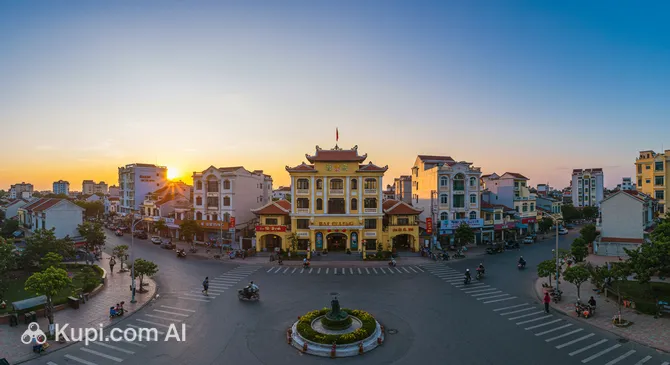
Bac Giang. Illustration.
Source: Kupi.com AI

With a population of about 201,595 people, Bac Giang plays a significant role in the region's economic, cultural, and transport development. Major highways pass through the city, connecting the country's northern territories with its other parts. The climate here is typical for northern Vietnam, with distinct seasons, which adds variety to the travel experience at different times of the year.

The atmosphere of Bac Giang uniquely combines the dynamics of a developing city with the genuine charm of authentic Vietnam. Here, you will immediately feel like a welcome guest thanks to the hospitality of the locals. The city streets are filled with the appetizing aromas of street food, and the sounds of traditional music can often be heard, creating a unique local flavor.

For travelers, Bac Giang offers a wonderful variety of experiences. The city and its surroundings are rich in both historical attractions, including ancient pagodas and monuments, and natural beauties. Nature lovers will appreciate the local nature reserves, picturesque lakes, and dense forests, ideal for walks and relaxation away from the urban bustle.

Bac Giang is a great opportunity to see Vietnam from a different side, less explored by tourists, to immerse yourself in its culture and enjoy its hospitality. This city will undoubtedly leave bright and warm memories for everyone who decides to visit it.

You can find more interesting facts on the Bac Giang city history page
Weather Overview

When planning a trip to Bac Giang, expect a warm and humid climate with distinct seasons. Summer (May-September) is hot here, with average temperatures around 28-30°C and frequent, sometimes heavy, rains, especially in July and August. Winter (December-February) brings cooler weather, around 17-18°C, and is significantly drier with minimal precipitation, although occasional rainy days are still possible.

For detailed climate information and the current forecast, you can check the weather in Bac Giang page.

Average monthly temperature

Average monthly precipitation

Interesting Facts

In addition to its picturesque landscapes and hospitable people, the city of Bac Giang hides many fascinating secrets and little-known stories that make it truly special. Ready to learn a bit more about it?

  • Bac Giang is home to the unique Vinh Nghiem Pagoda, famous for its wooden blocks with ancient inscriptions. These artifacts are recognized by UNESCO as Memory of the World documentary heritage, making the pagoda a true treasure for history and culture enthusiasts.

  • Not far from the city lies the massive West Yen Tu nature reserve, covering an area of over 2,000 hectares. This territory is home to rare species of trees and medicinal plants and is also famous for the picturesque Gio Waterfall and Tien Lake.

  • Bac Giang is known for its craft traditions, one of which is the production of high-quality rice liquor. The drink produced in Van Village is especially famous, becoming not only a local pride but also a popular souvenir among visitors to the city.

  • Among the historical gems of the region are the ancient Duc La Buddhist Pagoda, dating back to the 12th century, and the impressive, albeit partially ruined, Xuong Giang Citadel from the 15th century. Both of these sites hold many legends and tales of times gone by.

Hoang Hoa Tham Park. Illustration.
Source: Kupi.com AI

Traveler photos:

How to Get There

Getting to Bac Giang is quite simple thanks to its convenient location near major transport hubs in Northern Vietnam. The city does not have its own airport, but an excellent road network connects it with the capital and neighboring provinces. You can find out more about how to get to Bac Giang on the dedicated page of our travel guide, and below we will look at the main options.

There is no airport in the city of Bac Giang itself, so most travelers fly into Noi Bai International Airport (IATA: HAN), located in Hanoi. This is the main air gateway to the region, situated only 41 km from Bac Giang. A trip by taxi or transfer from here will take about 1 hour and 20 minutes, making this the most preferred option for tourists.

Another convenient alternative is Cat Bi International Airport (IATA: HPH) in the city of Hai Phong. It is located approximately 75 km from Bac Giang. The journey by car from this airport will take about 2 hours and 15 minutes. This option might be convenient if you are planning a combined route with a visit to the coast.

For clarity, here is summary information on the main airports:

AirportPassenger trafficDistance
Noi Bai International Airport32.5 mln41 km
Cat Bi International Airport2.7 mln75 km
Van Don260 000128 km
Bai Thuong Airport1.2 mln171 km
Sam Neua65 000241 km

In addition to flights, Bac Giang is easily accessible by land transport. Buses regularly depart from Hanoi's My Dinh or Gia Lam bus stations; the journey time is about 1–1.5 hours. The Hanoi — Dong Dang railway line also passes through the city, so train enthusiasts can take advantage of this scenic and inexpensive way to travel.

Main Attractions

Bac Giang, while not a major tourist hub in Vietnam, offers its guests several interesting places to spend time and get acquainted with the local atmosphere. Among them, green areas for relaxation and popular food spots stand out.

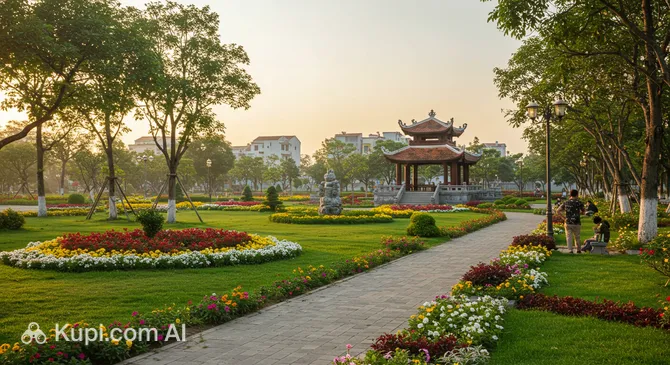
One such place is Hoang Hoa Tham Park. This is a popular green space where locals and tourists can escape the city bustle, stroll through shaded alleys, or simply enjoy nature. The park often hosts various city events, making it even more attractive to visit as it allows you to dive into the everyday life of the city.

Hoang Hoa Tham Park. Illustration.
Source: Kupi.com AI

Traveler photos:

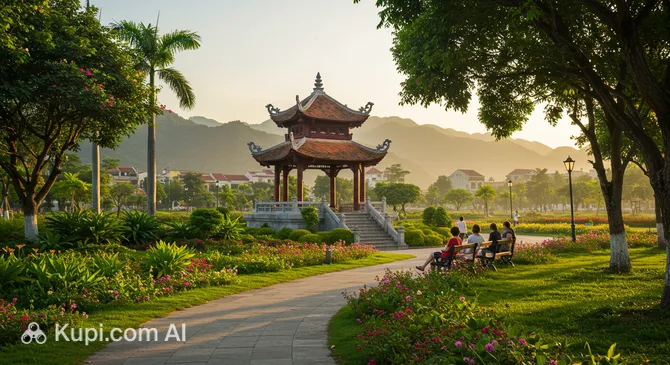
Another notable spot for outdoor relaxation is Ngo Gia Tu Park. It also serves as an oasis of tranquility in the city, offering well-maintained areas for walking and resting. This park is great for family time or a morning jog, allowing you to better feel the rhythm of life in Bac Giang and observe the leisure activities of its citizens.

Ngo Gia Tu Park. Illustration.
Source: Kupi.com AI

Traveler photos:

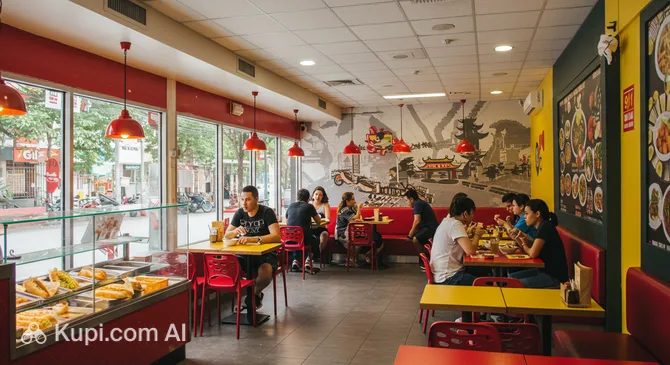
For those looking for a quick and tasty snack, the Fast food restaurant in Bac Giang is worth checking out. While not a tourist attraction in the classical sense, this establishment is popular and offers both familiar dishes and the chance to try something from the local cuisine in a quick-service format. It is a good option to refuel while walking around the city and to appreciate local gastronomic preferences in an everyday setting.

Bac Giang Fast Food Restaurant. Illustration.
Source: Kupi.com AI

Traveler photos:

Local Cuisine

The gastronomic scene of Bac Giang is a fascinating immersion into the culinary traditions of northern Vietnam. The local cuisine is famous for using fresh ingredients, with rice, fragrant herbs, and river fish caught in local waters playing a special role. Travelers can expect an authentic taste of Vietnam here, presented in both simple street snacks and more substantial dishes.

It is definitely worth trying the famous pho soup, which in Bac Giang is prepared with special attention to the richness of the broth and the quality of the noodles. No less popular are banh cuon—thin steamed rice flour rolls with filling, often served with crispy fried onions and fresh herbs. Also, pay attention to dishes made from fresh river fish prepared according to local recipes. And, of course, you cannot overlook fresh spring rolls, which are an integral part of a Vietnamese meal.

Among drinks, a special place is held by the local rice liquor, prepared according to ancient recipes. It has a delicate taste with a slight sweetness and herbal notes and is often served on holidays or as a treat for honored guests. Among non-alcoholic drinks, freshly squeezed sugarcane juice (nước mía) and various types of tea, especially green tea, are popular.

The food culture in Bac Giang is very informal. Locals and tourists alike enjoy eating at street stalls and lively farmers' markets, where you can not only have a snack but also purchase seasonal fruits, local honey, and homemade sweets. Of course, the city also has restaurants for every taste, offering both traditional Vietnamese dishes and more familiar European cuisine. For example, you can stop by the Fast food restaurant in Bac Giang to appreciate local offerings in this segment.

The gastronomic face of Bac Giang attracts with its authenticity and diversity. Here you can enjoy the classics of Vietnamese cuisine, discover unique local specialties, and feel the real atmosphere of Vietnamese hospitality. Sometimes the city hosts gastronomic festivals where chefs demonstrate their skills, and guests can try many delicacies and learn the secrets of their preparation.

Travel Tips

Welcome to Bac Giang! To make your trip to this charming corner of Vietnam as comfortable and memorable as possible, we have prepared some practical tips. They will help you better navigate on-site and enjoy every moment of your stay.

  1. Clothing and Essentials:

    In Bac Giang, as in all of northern Vietnam, there is a tropical monsoon climate. In summer (May to October), it is hot and humid, so choose light, breathable clothing made of natural fabrics like cotton or linen. Don't forget a raincoat or umbrella, especially if traveling during the rainy season. In winter (November to April), it can be cooler, especially in the evenings, so a light jacket or sweater will come in handy. Be sure to bring comfortable walking shoes, sunscreen, a hat, and mosquito repellent. For visiting temples and pagodas, choose modest clothing that covers shoulders and knees. A universal power adapter will also be useful, as types A, C, and F sockets are used in Vietnam.

  2. Getting Around the City:

    The main form of public transport in Bac Giang is likely buses, but their routes may not always be convenient for tourists. More popular and convenient options are taxis or motorcycle taxis (xe om). We recommend using ride-hailing apps like Grab to avoid inflated prices and language barriers. Renting a car for self-driving in Vietnamese cities can be difficult due to traffic patterns, but renting a scooter is a common option for more experienced drivers wishing to explore the area.

  3. Finances:

    The local currency is the Vietnamese Dong (VND). You can exchange currency at banks or official exchange offices; avoid street money changers. Credit cards (Visa, Mastercard) are accepted in large hotels, restaurants, and some shops, but for daily expenses at markets, in small cafes, and for paying for taxis, it is better to have cash on hand. ATMs are quite common, especially in the city center. An approximate daily budget can vary, but aim for 700,000 - 1,200,000 VND ($30-50 USD) per person per day (excluding accommodation). Tipping in Vietnam is not mandatory but is always appreciated for good service, usually a small amount rounded up.

  4. Health and Safety:

    Pharmacies (Nhà thuốc) can be found in the city, but not all of them operate 24/7, and staff do not always speak English. Bring a basic first-aid kit. For serious medical assistance, contact local hospitals or clinics; travel insurance is highly recommended. Bac Giang is generally considered a safe city, but take standard precautions: watch your belongings in crowded places, and do not leave valuables unattended. Drink only bottled or boiled water. Be cautious with street food; choose places where locals eat and where hygiene is maintained.

  5. Communication:

    The official language is Vietnamese. English may be common among young people and in the tourism sector, but do not expect everyone to speak it, especially outside of hotels and large restaurants. Learn a few basic phrases in Vietnamese, such as "Xin chào" (Hello), "Cảm ơn" (Thank you), "Bao nhiêu tiền?" (How much does it cost?). This is greatly appreciated by the locals. A SIM card with internet access can be easily bought upon arrival at the airport or in mobile phone shops in the city (popular operators are Viettel, Vinaphone, Mobifone). Wi-Fi is available in most hotels and many cafes.

  6. Local Etiquette:

    Vietnamese people are friendly and hospitable. When greeting, you can give a slight nod or smile. Avoid overly loud behavior in public places and public displays of affection. It is customary to remove shoes when visiting temples or someone's home. Do not touch the heads of locals (especially children), as the head is considered sacred. When photographing people, especially the older generation, it's better to ask for permission.

  7. What to Avoid:

    Try not to point at people or objects with your index finger—it's considered impolite; it's better to use an open palm. Also, avoid discussing sensitive political topics. Do not raise your voice or show anger publicly, as this can lead to "losing face," which is very important in Vietnamese culture.

  8. Bac Giang Specialty:

    Bac Giang province is famous for its lychees! If your trip coincides with the harvest season (usually May to July), be sure to try fresh local lychees—it's a real delicacy. You might even be able to visit one of the lychee orchards, which would be a unique experience.

We hope these tips make your stay in Bac Giang even more pleasant and rewarding. We wish you an unforgettable experience exploring this interesting city in Vietnam!

Entertainment & Nightlife

When the sun goes down, Bac Giang offers its own, more relaxed and authentic version of evening leisure, which differs from the noisy nightlife of major metropolises. Here, evening entertainment is centered around cozy local establishments where you can have a pleasant time, enjoy local cuisine, and get to know the city's hospitable atmosphere.

The main points of evening activity are usually concentrated on the central streets of Bac Giang, as well as near local markets that may come alive in the evening, offering street food and drinks. Look for small family restaurants, cafes that stay open late, and karaoke bars—a popular form of entertainment in Vietnam. The atmosphere in such places is generally very informal and friendly; you can meet both locals and occasional travelers here. A special dress code is usually not required; comfort is key.

For dinner or an evening snack, you might consider the Fast food restaurant in Bac Giang. Although Bac Giang may not be famous for an abundance of large nightclubs in the Western sense, you will find charm in small local bars and cafes where you can chat and relax. Such establishments are best discovered by strolling through the lively parts of the city in the evening. The optimal time for evening outings is after 7:00–8:00 PM, when the daytime heat subsides and the streets fill with coolness.

Bac Giang Fast Food Restaurant. Illustration.
Source: Kupi.com AI

Traveler photos:

Prices in Bac Giang establishments are usually quite affordable, making evening relaxation accessible. To get around the city after dark, it is most convenient to use taxi or motorcycle taxi services. It is recommended to choose official services or use trusted ride-hailing apps if they are common in the region. In terms of safety, the central and well-lit streets of Bac Giang are considered quite calm for walking; however, as with any trip, it is worth taking basic precautions: keep an eye on personal belongings and avoid poorly lit and deserted places.

During the day, Bac Giang offers different opportunities for leisure and exploring the city. You can spend a pleasant time walking through green oases such as Hoang Hoa Tham Park, which is a favorite vacation spot for citizens and offers freshness and peace.

Hoang Hoa Tham Park. Illustration.
Source: Kupi.com AI

Traveler photos:

Another great place for a day walk and enjoying nature is Ngo Gia Tu Park. Besides parks, Bac Giang may have interesting local museums, temples, or cultural centers, which you can always learn about from locals or at tourist information points to dive deeper into the history and culture of this corner of Vietnam.

Ngo Gia Tu Park. Illustration.
Source: Kupi.com AI

Traveler photos:

Parks & Museums

Bac Giang offers its guests a pleasant combination of green relaxation zones and opportunities to get acquainted with local culture. Although the city may not be famous for massive museum complexes, it has its own corners where you can enjoy nature and touch the region's history.

Among the city's green oases, several pleasant parks stand out. One of the popular places for walking and relaxation is Hoang Hoa Tham Park. This is a great place to observe the daily life of the townspeople, rest in the shade of trees, or simply enjoy the peaceful atmosphere. Another favorite vacation spot is Ngo Gia Tu Park, which also offers well-maintained paths and greenery, creating comfortable conditions for leisurely walks and family leisure.

As for museums, Bac Giang, not being the largest tourist center, may not have large state museums with extensive collections. However, to get acquainted with the culture and history of Bac Giang province, it is worth paying attention to local cultural centers or visiting old pagodas and temples, which often house interesting artifacts and tell the story and traditions of the region. The architecture of these structures can be interesting in itself.

The city's historical heritage can also be traced by walking through its streets and paying attention to old buildings or commemorative signs. While there may not be world-famous monuments here, an attentive traveler will find traces of the past reflecting the stages of Bac Giang's development.

For more authentic experiences, stop by the local markets—they are always a good way to feel the rhythm of the city and see the daily life of its inhabitants. Also, don't miss the opportunity to try local dishes in small cafes, which will allow you to dive deeper into the culture of Vietnam.

Getting Around

When planning your travels around Bac Giang, keep in mind that the public transport system here has its own characteristics typical of many Vietnamese cities of this size. The main form of public transport is buses. They run on various routes, connecting different districts of the city and suburbs. This is the most budget-friendly way to travel relatively long distances within Bac Giang.

The payment system on buses is usually quite simple: tickets are purchased directly from the conductor or driver upon entry. It is recommended to have small bills for convenience. Specialized transit cards or complex mobile apps for paying fares on Bac Giang city buses may not be as common as in large metropolises. Buses usually start running early in the morning and finish in the evening, but it's best to check the exact schedule locally for specific routes.

In addition to buses, taxis and motorcycle taxis (known as "xe om") are widespread in Bac Giang. Taxis can be hailed on the street, found at special stands, or ordered by phone. A motorcycle taxi is a very popular and fast way to travel short and medium distances, especially in heavy traffic. It is recommended to agree on the cost of a taxi or motorcycle taxi ride in advance, before starting the trip, to avoid misunderstandings. In recent years, ride-hailing apps like Grab have also been gaining popularity, which can be a convenient option for tourists.

For those who prefer more independence, renting a motorbike is possible—this is a common practice in Vietnam, allowing you to explore the city and surroundings at your own pace. However, remember the need for an appropriate license and to follow traffic rules, which can be quite intense. Bicycle rentals are less common but may be available at some hotels or tourist areas for leisurely rides.

Accommodation

When planning a trip to Bac Giang, you will find a variety of accommodation options to suit different preferences and budgets. The city offers inexpensive guesthouses and mid-range hotels, as well as more comfortable lodging. You can also consider renting an apartment if you prefer more privacy and a home-like feel.

When choosing a place to stay in Bac Giang, it's worth looking at central areas, from where it is easy to reach major city facilities and transport hubs. Some travelers prefer to stay closer to attractions or business centers of interest, depending on the purpose of their visit. Although specific high-end hotels may not be as widely represented as in larger tourist centers, you can always find a cozy and convenient place to rest.

The price range for housing in Bac Giang varies from budget options to mid-range and higher-level offers. Booking a room or apartment is most convenient through popular online platforms or directly on hotel websites. Especially during the peak tourist season or during major events, it is recommended to book accommodation in advance to ensure the best choice and prices.

Nearby Cities

For those who want to explore the surrounding area, Bac Giang serves as an excellent starting point for day trips to several interesting nearby locations:

CityPopulationDistance
Bac Ninh520 00017 km
Chi Linh220 42122 km
Hiep Hoa15 46827 km
Bac Ninh202 87432 km
Hai Duong507 46940 km

These nearby destinations provide insight into the diverse culture and landscapes of the Vietnam region. A trip to any of these cities will give you new impressions and complement your journey.

Shopping & Souvenirs

Shopping in Bac Giang offers tourists a chance to get acquainted with local trade and purchase authentic Vietnamese goods. Although the city may not be a major shopping destination in Vietnam, you can find both traditional markets and small modern shops here. While Bac Giang might not have a specific specialization in certain goods, it is worth paying attention to local agricultural products and handmade crafts.

Main shopping areas in Bac Giang are generally concentrated on the city's central streets. Here you will find various shops offering clothing, shoes, electronics, and household goods. Lively trade also frequently takes place on the streets adjacent to the city markets. Walking through these areas will allow you to immerse yourself in the daily life of the city and find interesting purchases.

As for large Western-style shopping centers, there may be few in Bac Giang. However, the city may have local department stores or small shopping complexes where you can find a wider range of products under one roof. Sometimes in cities of this size, you can find supermarket chains like Co.opmart or Big C, offering food and basic necessities.

Markets play an important role in the commercial life of Bac Giang. The Central City Market (Chợ Bắc Giang) is likely the main place for buying fresh produce, fruits, vegetables, meat, and seafood. There are often rows with clothing, fabrics, household goods, and possibly a small selection of souvenirs as well. Visiting a local market is a great way to feel the authentic atmosphere and practice bargaining.

As souvenirs from Bac Giang and Vietnam as a whole, you can bring back traditional items: silk scarves and clothing, lacquer boxes, and the famous conical hats known as "non la." Vietnamese coffee and tea, various spices, and local sweets are also popular. Look for items made by local craftsmen—these can be unique and memorable gifts.

Shops in Bac Giang are usually open from the morning (around 8:00–9:00 AM) and work until the evening (approximately 8:00–9:00 PM). Markets, especially food markets, start their work very early in the morning. Large shops and supermarkets may accept credit cards, but in markets and small private shops, it is preferable to have cash—Vietnamese Dong (VND).

In Vietnam, there is a Tax Free system for tourists on certain types of goods purchased in authorized shops. This usually applies to large purchases. Although there may be few such shops in Bac Giang, if you make a significant purchase, it is worth checking with the seller about the possibility of processing documents for a VAT refund at the airport when leaving the country.

Reached the end of the page?

That means the route is fully explored