Support

Ha Giang

About

Ha Giang is a stunning city that serves as the gateway to the world of wild, untouched nature in Northern Vietnam. It is nestled among majestic mountain ranges, emerald terraced rice fields, and winding rivers, right at the foot of the famous Dong Van Karst Plateau. This is a place where every corner breathes authenticity and tranquility, offering travelers a unique experience.
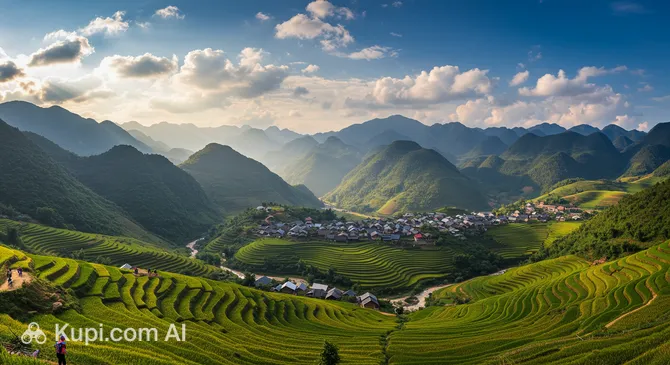
Ha Giang. Illustration.
Source: Kupi.com AI

With a population of just over 55,000, Ha Giang retains a cozy provincial atmosphere where locals are renowned for their hospitality. As the administrative center of the province of the same name, the city plays a vital role in the region. One of the main reasons to visit Ha Giang is the famous "Ha Giang Loop" — one of the most breathtaking and scenic mountain routes in Southeast Asia, which begins right here. It is a true adventure for fans of motorbike trips and stunning landscapes.

Beyond its incredible nature, Ha Giang attracts visitors with its distinctive culture. It is home to more than a dozen different ethnic groups, each with its own unique traditions, costumes, and way of life. Exploring the city and its surroundings will allow you to immerse yourself in this colorful world, see vibrant local markets, and perhaps witness traditional festivals. If you are looking for unforgettable impressions, love trekking and ethnography, and want to breathe in the fresh mountain air, Ha Giang is waiting for you!

You can find more interesting facts on the Ha Giang city history page.
Weather Overview

The weather in Ha Giang is characterized by warm and very humid summers, followed by cooler and drier winters. Summer months, from approximately May to September, bring average temperatures around 23-25°C and heavy rainfall, especially in June (12 mm) and July-August (9-10 mm), with the number of rainy days reaching up to 27-29 per month. In winter, from November to February, the temperature averages 13-18°C (with lows around 10°C), and precipitation is minimal (2-3 mm per month, 13-18 rainy days). Thus, when planning your trip, expect a hot and very rainy summer, and a cool, dry winter.

You can find more detailed information about monthly climatic conditions on the Ha Giang Climate page.

Average monthly temperature

Average monthly precipitation

Interesting Facts

Beyond its breathtaking landscapes and famous routes, Ha Giang holds many fascinating secrets and little-known details that make it even more alluring for curious travelers. Discover some of them:

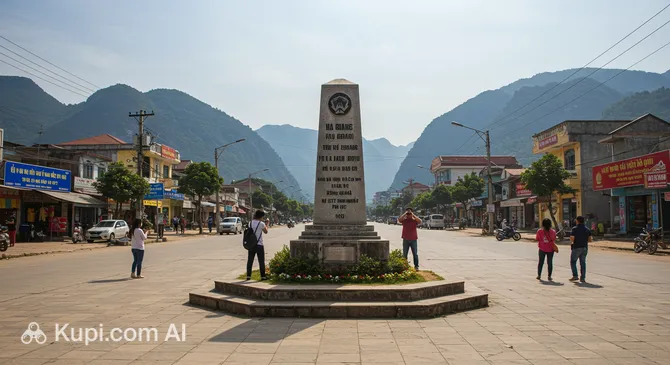
Ha Giang Kilometer Zero Marker. Illustration.
Source: Kupi.com AI

Traveler photos:

  • While the famous "Ha Giang Loop" is known for its views, not everyone knows it includes challenging and dizzying passes like Bac Sum and Chin Khoan. Completing this route is considered a true achievement for many motorcyclists, not just a scenic drive.

  • In the vicinity of Ha Giang, you can find unique architectural gems, such as the Hmong King's Palace. Built in the early 20th century, it is a fascinating blend of Chinese, French, and local ethnic styles, reflecting the rich history of the region.

  • This region is home to more than 20 different ethnic groups, including the Hmong, Dao, Tay, and Lolo. Each group carefully preserves its unique traditions, language, and national costumes, and holds colorful festivals, turning local markets and villages into a true kaleidoscope of cultures.

  • There is an iconic spot where many begin their journey through the province — Ha Giang Milestone KM 0. This is not just a starting point but also, according to local beliefs, the place where real adventures begin and the paths open to the "Heavenly Gates" — mysterious natural arches in the mountains shrouded in ancient legends.

How to Get There

Since Ha Giang is located in a mountainous area in the north of the country, there is no direct air connection. Traveling here is an adventure in itself, usually involving a transfer to ground transport. You can explore all the ways to get to the city on our detailed page, and below we will look at the main options via the nearest air hubs.

Most tourists choose the route via Noi Bai International Airport (IATA: HAN), located in Hanoi. This is the main air gateway to Northern Vietnam. The airport is situated in Hanoi, approximately 195 km from Ha Giang. The journey from here by taxi or intercity bus takes about 5 hours. This is the most popular and convenient option, as the airport handles a vast number of international flights.

An alternative option is Cat Bi International Airport (IATA: HPH), located in Hai Phong. It is significantly further away — about 284 km from Ha Giang. Travel time by car is approximately 7.5 hours. This route might be convenient if you plan to visit Ha Long Bay before heading into the mountains.

For clarity, here is a summary of the main airports:

AirportPassenger trafficDistance
Wenshan Puzhehei Airport230 945107 km
Noi Bai International Airport32.5 mln195 km
Youjiang186 093227 km
Xingyi Airport975 171253 km
Dien Bien Airport210 000256 km

There is no railway infrastructure in the city of Ha Giang itself, as the complex mountain terrain makes track laying difficult. The nearest major railway station is in Hanoi. Travelers often take a train to the capital of Vietnam from other regions and then transfer to comfortable sleeper buses or limousine minibuses that deliver passengers directly to the center of Ha Giang.

Main Attractions

The city of Ha Giang, serving as the gateway to the breathtaking mountain region of Northern Vietnam, is an important starting point for many travelers. While the main attraction of the region is the famous Ha Giang Loop, there are several iconic spots and points of interest within the city itself where this unforgettable adventure often begins or where you can enjoy your time.

One of the most famous spots in the city is Ha Giang Milestone KM 0. This is not just a road sign, but a symbolic starting point for everyone embarking on a journey along the legendary QL4C highway, which forms the core of the Ha Giang Loop. For tourists, it is a popular place for commemorative photos marking the beginning of their journey along one of Southeast Asia's most scenic and impressive roads. This monument embodies the spirit of adventure and discovery that lies ahead.

Ha Giang Kilometer Zero Marker. Illustration.
Source: Kupi.com AI

Traveler photos:

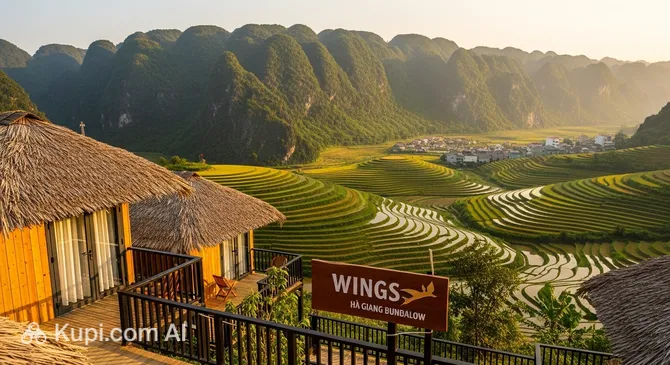
For many travelers planning a motorbike trip along the loop, comfortable accommodation before or after the ride is a key aspect. Places like Wings Ha Giang Loop Bungalow offer not just a place to stay, but a special atmosphere filled with expectations of the upcoming road or fresh impressions of the journey already completed. Such hotels and hostels often become meeting points for like-minded people where useful tips and stories can be exchanged.

Wings Ha Giang Loop Bungalow. Illustration.
Source: Kupi.com AI

Traveler photos:

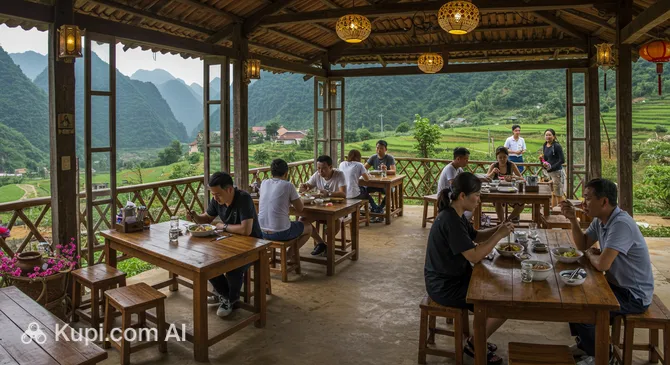
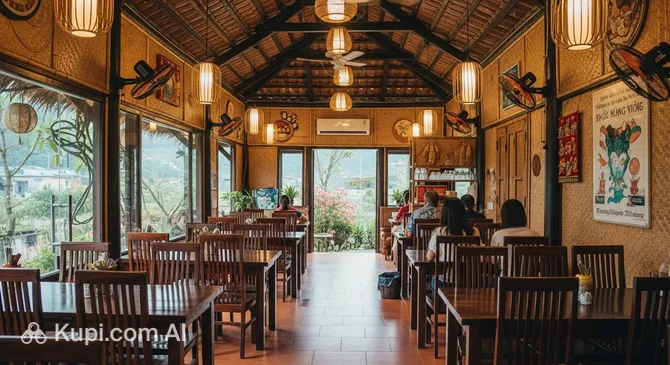
In addition to trip preparation and relaxation, you can find pleasant places for dinner in Ha Giang to get acquainted with the local cuisine. For example, Bông Hostel Restaurant attracts visitors with its atmosphere and the chance to try various dishes. For those following a vegetarian diet, Ha Giang Vegetarian Restaurant offers a good selection of meat-free meals. These establishments provide a pleasant way to end the day and recharge before new adventures.

Bông Hostel Restaurant. Illustration.
Source: Kupi.com AI

Traveler photos:

Local Cuisine

The gastronomy of Ha Giang is a fascinating blend of the culinary traditions of mountain peoples and classic Vietnamese flavors. A trip here would not be complete without experiencing the local cuisine, which offers authentic and memorable dishes. It is a true kaleidoscope of aromas and tastes reflecting the rich culture of the region.

One of the most iconic dishes that is a must-try in Ha Giang is thắng cố (thang co). This fragrant and hearty stew is traditionally made from horse or beef meat with offal and a variety of spices. It is often prepared over an open fire during fairs and festivals and has deep roots in Hmong culture. Also, look out for smoked pork, dried fish, and various types of homemade sausages found at local markets. Special mention goes to dried buffalo meat — a true local delicacy.

Bông Hostel Restaurant. Illustration.
Source: Kupi.com AI

Traveler photos:

Among the drinks, corn wine stands out — a strong, warming beverage that locals often offer to guests as a sign of respect and hospitality. For non-alcoholic options, you can always find fresh juices, herbal teas, or traditional Vietnamese coffee. Street food in Ha Giang is an attraction in itself: fragrant flatbreads with various fillings, hearty noodle soups with fresh herbs, and fried pastries with vegetables and meat will delight any gourmet.

The food culture in Ha Giang centers around bustling markets and street stalls, where you can not only eat delicious and inexpensive food but also watch the cooking process and chat with locals. Of course, the city also has restaurants offering both traditional cuisine and more familiar European dishes. For example, you can visit Bông Hostel Restaurant to sample local culinary delights in a cozy setting. Every autumn, Ha Giang province hosts a rice harvest festival, where guests can enjoy dishes made from fresh rice and immerse themselves in the local festive atmosphere.

Travel Tips

Welcome to Ha Giang! This amazing corner of Vietnam is famous for its breathtaking mountain scenery and unique culture. To ensure your trip goes smoothly and leaves only bright impressions, we have prepared some practical tips.

  1. Clothing and Equipment: What to Bring

    The climate in Ha Giang is mountainous and changeable. Summers (May-September) are hot and humid with potential rain, while winters (November-March) can be cool, especially in the mountains and at night. The key to comfort is layering: bring light clothing, a fleece or jacket, and a raincoat. Comfortable walking shoes, sunscreen, repellent, and a hat are essential. Don't forget a universal adapter (outlets in Vietnam are types A, C, and F). When visiting temples and ethnic minority villages, dress modestly, covering your shoulders and knees.

  2. Transport: How to Get Around

    Ha Giang city itself is small; you can get around on foot or by motorbike taxi (xe om – remember to agree on the price beforehand). The main adventure here is the famous Ha Giang Loop. The best way to explore it is by renting a motorbike (ensure you have an international driving permit and driving experience) or hiring an "Easy Rider" (a local driver with a motorcycle). This will allow you to fully enjoy the views. Public transport exists between settlements, but it is less convenient for tourist purposes.

  3. Finance: Money and Payments

    The local currency is the Vietnamese Dong (VND). You can exchange money at banks in Ha Giang. ATMs are available, but it's better to withdraw cash beforehand in larger cities or upon arrival in Ha Giang, as they may not be available in smaller villages on the loop. Credit cards are accepted in some hotels and restaurants, but cash is your best friend, especially in rural areas. Tipping is not mandatory but appreciated for good service (5-10%).

  4. Health and Safety: What to Take Care Of

    There are pharmacies in Ha Giang city with a basic range of medicines. However, medical infrastructure is limited, so travel insurance with medical evacuation coverage is highly recommended. The main safety aspect is caution on the roads, especially if you are driving a motorbike. Drink only bottled water and be careful when choosing street food. Overall, Ha Giang is a safe region for travelers.

  5. Communication: Language and Connection

    The official language is Vietnamese. English is not widely spoken, mostly in tourist areas. Learning a few basic Vietnamese phrases (e.g., "Xin chào" – hello, "Cảm ơn" – thank you) will be very helpful when communicating with locals. You can buy a local SIM card with internet upon arrival. Wi-Fi is available in most hotels and cafes.

  6. Local Etiquette: Respecting Traditions

    Vietnamese people are very hospitable. Show respect for local culture and customs. Smile and be polite. Always ask permission before taking photos of people, especially members of ethnic minorities. It is customary to remove your shoes when entering a home or temple. Avoid loud conversations and excessive displays of affection in public places.

  7. What to Avoid

    Do not show disrespect to elders or local traditions. Do not photograph people without their explicit consent – this can be seen as an invasion of privacy. Also, avoid leaving trash in natural areas – the beauty of Ha Giang depends largely on the respectful attitude of tourists.

  8. Important Note: Visiting Permit

    For traveling in the border areas of Ha Giang province (including most of the loop), foreign tourists formally require a special permit. It is easy to arrange through most hotels or motorbike rental points in Ha Giang city for a small fee. Don't forget to bring your passport.

Ha Giang is a place that offers unforgettable impressions with its pristine beauty and authenticity. We hope these tips help you plan the perfect journey. Enjoy every moment of your adventure!

Entertainment & Nightlife

Ha Giang, being the starting point for the famous Ha Giang Loop, offers its guests not only breathtaking landscapes by day but also the opportunity to enjoy a pleasant evening. The nightlife here, of course, does not compare to the bustling metropolises of Vietnam, but it has its own special, calmer, and more authentic charm.

Evening entertainment in Ha Giang is mainly concentrated around the main street, Nguyễn Trãi, its adjacent alleys, and the banks of the Lo River. Here you will find many local cafes, restaurants, and street food stalls where you can taste traditional Vietnamese dishes and enjoy a cool "bia hoi" beer. The atmosphere in such places is usually very friendly and relaxed, gathering both local youth and travelers sharing their trip experiences. Many establishments stay open until late evening, though loud night clubs with dancing until dawn are virtually non-existent here. Instead, small bars at guesthouses and hostels are popular spots for socializing with other tourists.

For dinner, you might consider establishments like Bông Hostel Restaurant, which offers both local and some Western dishes in a cozy setting, or Ha Giang Vegetarian Restaurant if you prefer meat-free options. These places are excellent for refueling after a busy day and planning further adventures.

Ha Giang Vegetarian Restaurant. Illustration.
Source: Kupi.com AI

Traveler photos:

Practical Tips:

  • The best time for evening walks and socializing is after 19:00, once the daytime heat has subsided.
  • Prices in most establishments are very reasonable. A dinner with drinks will cost on average between 100,000 and 300,000 VND per person.
  • You can get around the city in the evening on foot if you are staying in the center, or by taxi/motorbike taxi (Grab works perfectly here). Agree on the fare in advance if using private drivers.

Safety: Ha Giang is generally considered a safe city. However, as with anywhere, standard precautions should be taken: do not leave valuables unattended and avoid poorly lit, deserted streets late at night. You can call a taxi via the Grab app or ask the staff at your hotel or restaurant.

As for daytime entertainment, Ha Giang offers tourists an introduction to local culture and history. While there are no major theme parks or world-famous museums, you can visit the local market to immerse yourself in the color of daily life or walk to iconic spots like Ha Giang Milestone KM 0, where the famous mountain road officially begins. The primary "entertainment" in this province is, undoubtedly, nature itself and the journey along the Ha Giang Loop.

Parks & Museums

The city of Ha Giang, serving as the gateway to the stunning eponymous mountain region of Vietnam, offers its guests not only breathtaking landscapes but also the chance to touch a rich cultural heritage. Although Ha Giang is better known for its natural beauty beyond the city limits, interesting places to learn about history and culture can also be found here.

Ha Giang city itself is nestled among picturesque mountains and green valleys, which are essentially its main "green zones." The Lo River (Sông Lô), flowing through the city, and its embankments serve as a wonderful place for leisurely strolls and enjoying the fresh air. Instead of formal city parks, the entire surrounding nature of Ha Giang province constitutes a vast natural area attracting fans of trekking, motorbike trips, and ethno-tourism.

For those who want a deeper understanding of the history and culture of this multi-ethnic region, the main place to visit is the Ha Giang Provincial Museum (Bảo tàng tỉnh Hà Giang). Its exhibits feature artifacts telling the story of the daily life, traditions, crafts, and heroic past of the various ethnic groups inhabiting the province. Here you can see unique national costumes, household items, musical instruments, and archaeological finds, making the museum a must-visit for curious tourists.

Ha Giang Kilometer Zero Marker. Illustration.
Source: Kupi.com AI

Traveler photos:

Among the iconic landmarks of the city itself is Ha Giang Milestone KM 0. This monument is not just a starting point on the QL2 highway leading into the heart of the Dong Van Karst Plateau, but also a symbol of the beginning of the legendary "Ha Giang Loop" – one of Southeast Asia's most impressive mountain routes. For many travelers, a photo at this monument becomes the starting point of their provincial adventures.

For a more authentic experience, visit the Ha Giang Central Market. This is a vibrant and lively place where you can not only observe the daily life and colorful trade of the locals but also taste local cuisine and purchase souvenirs and handmade goods. Additionally, a walk through the small streets of the city will allow you to better feel its atmosphere and see the lifestyle of its residents.

Getting Around

Public transport in the city of Ha Giang is mainly represented by local buses, motorbike taxis (xe om), and regular taxis. The city serves as the starting point for the famous Ha Giang Loop, so many transport options are geared toward travelers planning this route. Within the city itself, given its relatively small size, many central areas can be explored on foot.

The main form of transport for short trips within the city and nearby surroundings is the motorbike taxi (xe om). They are easy to find on the streets, at markets, and popular tourist spots. You should agree on the fare for a motorbike taxi ride in advance, as there are usually no fixed rates. Payment is made in cash in Vietnamese Dong. Taxis also operate in the city and can be called by phone, through apps (if available), or found at taxi stands. In taxis, payment is usually by meter, but it doesn't hurt to confirm this before the trip. Some local buses may connect Ha Giang with nearby settlements, but their routes and schedules may not always be convenient for tourists and are oriented more toward locals. Payment on these buses is also made in cash to the conductor.

For tourists planning to explore Ha Giang province and the famous mountain loop, the most popular alternative is motorbike rental. Numerous rental agencies offer various models of motorcycles and scooters. This provides freedom of movement and the chance to enjoy the stunning scenery at your own pace. Another popular option is to hire an "Easy Rider" — a local driver with a motorcycle who also acts as a guide. Within the city for short moves, in addition to motorbike taxis, you can use taxi services. Some hotels can assist with calling a taxi or organizing a transfer.

There are no specialized types of public transport like subways or trams in Ha Giang. The system is oriented toward more flexible and individual modes of travel. Tourists are advised to always have cash on hand for fares, especially for motorbike taxis and local buses. Transport operating hours, particularly informal ones like motorbike taxis, can vary, but finding transport during the day is usually not difficult.

Accommodation

Ha Giang offers tourists a variety of accommodation options suitable for any budget and travel style. Here you can find very affordable hostels and guesthouses, as well as more comfortable hotels and unique ethnic homestays that allow for a deeper immersion into the local culture.

The majority of accommodation in Ha Giang consists of guesthouses (nha nghi), small hotels, and homestays. Many of these are located in the central part of the city, providing convenient access to cafes, markets, and motorbike rental points necessary for exploring the famous Ha Giang Loop. Homestays in surrounding villages are also popular, offering an authentic living experience. Luxury resorts are few here; the emphasis is on simplicity, hospitality, and proximity to the region's stunning nature.

If you are looking for something with extra comfort, you might consider options such as Wings Ha Giang Loop Bungalow, which offers accommodation in cozy bungalows.

Regarding price range, Ha Giang remains a very affordable destination. A night in a hostel dorm can cost just a few dollars, while a private room in a mid-range guesthouse or hotel will cost more but is still reasonably priced. It is recommended to book accommodation in advance, especially if your trip is planned for the peak tourist season (usually autumn and spring months) or on weekends, when there is an influx of both foreign and local tourists. International online platforms are convenient for booking, as is contacting hotels directly via their websites or by phone.

Nearby Cities

For those looking to explore the surroundings, Ha Giang serves as an excellent starting point for day trips to several interesting nearby locations:

CityPopulationDistance
Wenshan500 000100 km
Zhujiezhen40 623105 km
Lao Cai130 671109 km
Hekou37 074111 km
Bac Kan45 036114 km

Thai Nguyen is a city known as the "tea capital" of Vietnam, where you can visit vast tea plantations and the Museum of the Cultures of Vietnam's Ethnic Groups. A day trip here will allow you to dive into tea production culture and learn more about the diversity of local peoples.

Viet Tri is considered the first capital of the ancient Vietnamese state of Van Lang and is located near the Hung Kings Temple Complex, an important pilgrimage site. This destination is perfect for those interested in the ancient history and culture of Vietnam.

Son Tay attracts tourists with the ancient village of Duong Lam, which preserves traditional houses up to 400 years old, and its ancient citadel. A trip to Son Tay is an opportunity to experience authentic Vietnamese architecture and rural life.

Vinh Yen may be of interest for its proximity to Tam Dao National Park, which offers mountain landscapes, a cool climate, and trekking opportunities. It is a good choice for nature lovers and outdoor enthusiasts.

Son La is known for its historic prison museum built by French colonists, as well as its picturesque surroundings with hot springs and local ethnic cultures. A trip here offers a combination of historical insight and exposure to unique traditions.

These nearby destinations provide a glimpse into the diverse culture and landscapes of the Vietnam region. Each trip promises new impressions and encounters with unique corners of the country.

Shopping & Souvenirs

Shopping in Ha Giang offers an immersion into the authentic atmosphere of Northern Vietnam, where the focus is not on large shopping centers but on local markets and small shops. The city is not known for a wide selection of brand stores, but here you can find unique handmade products, fresh produce, and goods that reflect the culture of local ethnic groups.

The main shopping spots in Ha Giang are concentrated around the central market and its adjacent streets. This is where life bustles, and tourists can find a variety of goods – from clothing and household items to food and souvenirs. A walk through these areas will allow you to better experience the local color.

There are no large modern shopping centers in the conventional sense in Ha Giang. Shopping here is more oriented toward traditional formats. Instead of malls, look for the numerous small shops and family stalls scattered throughout the city.

Markets are the heart of trade in Ha Giang. The city's central market is the main place for purchases for both locals and tourists. Here you can find fresh fruits and vegetables, meat, spices, as well as the products of local artisans, textiles, and household items. Visiting the market is not just shopping, but a real cultural immersion.

As souvenirs from Ha Giang, it is worth bringing back handmade items created by representatives of local ethnic minorities. These can include brightly colored fabrics with traditional patterns, embroidery, clothing, as well as woven baskets and other household objects. Local tea and coffee harvested in the province's mountains are also popular. Don't forget to look through the market for unique jewelry or small crafts.

Shops and stalls in Ha Giang are usually open from the morning, around 8:00-9:00, and work until the evening, around 18:00-19:00. Many small retail outlets may close for a lunch break. In the markets, the most active trade happens during the morning hours. The main method of payment, especially in markets and small shops, is cash (Vietnamese Dong). Some larger shops or hotels may accept bank cards, but it is better to always have enough cash with you.

The tax refund system (Tax Free) in small cities like Ha Giang is generally not common and is mainly focused on major purchases in international airports and specialized stores in the large tourist centers of Vietnam.

Reached the end of the page?

That means the route is fully explored