Support

Son La

About

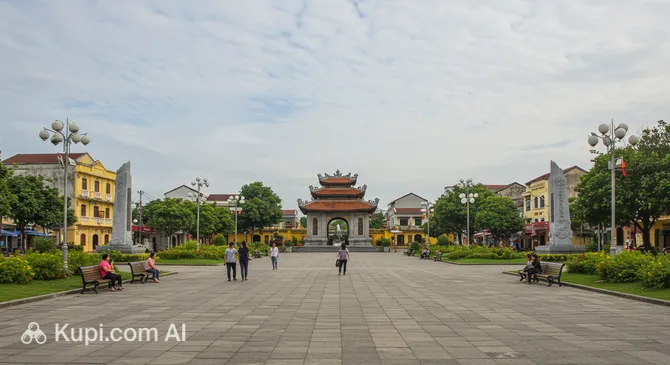
Son La is a charming city nestled among the emerald mountains of northwestern Vietnam, far from the hustle and bustle of popular tourist routes. It seems to hide in the very heart of the mountainous province, offering travelers a unique opportunity to immerse themselves in an authentic atmosphere and enjoy a leisurely pace of life.

The city is situated at an altitude of about 600 meters above sea level, which provides a pleasant, mild climate even during the hotter months. With a population of approximately 150,000 people, Son La is not only the administrative center of the province of the same name but also an important cultural hub of the region. The traditions of many local ethnic groups, such as the Thai, Hmong, Muong, and Dao, intertwine here, creating a unique character and a friendly atmosphere on its streets.

Son La. Illustration.
Source: Kupi.com AI

Son La attracts visitors with its sincere simplicity and the hospitality of the locals. Among the main reasons to visit this corner are the famous hot springs, where you can relax and rejuvenate, as well as incredibly picturesque valleys and green hills, ideal for hiking and connecting with nature. Travelers come here for the chance to see Vietnam as it was before mass tourism and to feel its true spirit.

If you are looking for unexplored places full of authenticity, color, and warmth, then Son La will be a real discovery for you. This city offers a unique chance to get to know another side of Vietnam, its rich culture, and amazing nature, leaving unforgettable impressions.

You can find more interesting facts on the Son La city history page.
Weather Overview

The weather in Son La is characterized by warm, humid summers and cooler, dry winters. The average annual temperature fluctuates significantly: from a cool 16.1°C in January and December to a hot 26.2°C in May. Maximum temperatures can reach 30.5°C in May, while minimums drop to 11.4°C in December.

The highest amount of rainfall occurs during the summer months, especially from June to August, when the number of rainy days can reach 28 per month, with precipitation levels at 13 mm in August. In contrast, the winter months are significantly drier, with minimal rainfall (around 1 mm) and fewer rainy days, for example, only 5 in December. Expect a warm, rainy summer and a cool, relatively dry winter. For a more detailed forecast and weather information by month, you can check the Son La Climate page.

Average monthly temperature

Average monthly precipitation

Interesting Facts

In addition to its picturesque landscapes and hospitality, Son La hides many amazing stories and little-known details that make this city truly special. Here are just a few curious facts that will help you see it from a new perspective:

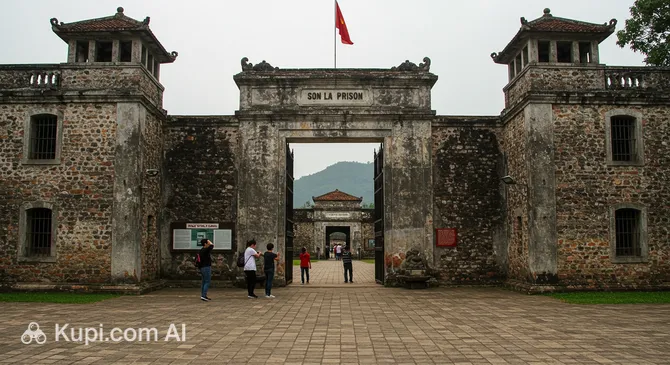
Son La Prison. Illustration.
Source: Kupi.com AI

Traveler photos:

  • One of the city's most significant historical sites is an old French fort built in the early 20th century. For a long time, its walls housed the Son La Prison, where participants of the Vietnamese independence movement were held. Today, it is a museum complex telling a story of struggle, resilience, and national spirit.

  • In the vicinity of Son La, you can find the famous thermal springs of Ba Van and Moc Chau. Legends say that their healing waters have attracted not only locals but also travelers from all over the country for centuries, seeking relief from fatigue and various ailments.

  • Son La is one of the important centers for preserving the traditional culture of the Thai people. It is here that you can witness authentic performances, such as the famous bamboo pole dances, hear unique melodies played on folk instruments, and immerse yourself in the atmosphere of colorful ethnic festivals.

  • The city and its surroundings are shrouded in many legends about mysterious caves and ancient rock paintings. Locals are happy to share tales about mountain spirits, magical rituals, and unusual natural phenomena that have given this land an aura of mystery for centuries.

How to Get There

Traveling to the mountainous region of Northwestern Vietnam is an exciting adventure that begins with choosing the right route. Since the city is located in a mountainous area, logistics require some planning. You can find out more about how to get to Son La and choose the most convenient option for you, keeping in mind that there is no direct air service to the city itself.

There is no airport in the city of Son La, so most travelers fly to nearby major cities and continue their journey by land. The nearest major international hub is Noi Bai International Airport (IATA: HAN), located in Hanoi. It is approximately 197 km from Son La. This is the primary choice for international tourists. The journey from the airport to the city by taxi or bus takes about 5 hours 15 minutes, passing through picturesque but winding mountain roads.

An alternative option for domestic flights is Dien Bien Airport (IATA: DIN), located in the city of Dien Bien Phu. This is the nearest air gateway, situated just 95 km from Son La. The travel time by car is about 2 hours 40 minutes. This airport serves fewer flights but can be convenient if you are combining visits to several provinces in the region.

For clarity, here is a summary of the main airports:

AirportPassenger trafficDistance
Dien Bien Airport210 00095 km
Sam Neua65 000102 km
Noi Bai International Airport32.5 mln197 km
Oudomxay Airport15 000212 km
Xieng Khouang Airport70 000222 km

There is no railway connection to Son La, as the complex mountain terrain of the province did not allow for tracks to be laid here. The nearest railway stations are in Hanoi or Yen Bai, but they are located quite far away.

Therefore, road transport remains the primary way to get to Son La. The most popular option among tourists and locals is intercity buses (often with sleeping berths, known as sleeping buses), which regularly depart from Hanoi's bus stations (such as My Dinh). The trip along Highway QL6 will provide you with unforgettable views of green terraces and mountain passes.

Main Attractions

The city of Son La, located in a picturesque region of Vietnam, offers travelers several interesting places worth visiting for a deeper acquaintance with its history, culture, and daily life. Among them are both historical monuments and modern sites reflecting the city's development.

One of the key historical sites is the Son La Prison. This former correctional complex from the French colonial era now serves as an important museum and memorial. A visit to the prison allows for a deeper understanding of a complex period in Vietnamese history and pays tribute to those who fought for the country's independence. This place will be of particular interest to history enthusiasts.

Son La Prison. Illustration.
Source: Kupi.com AI

Traveler photos:

For those interested in the city's modern life and who prefer to combine cultural leisure with shopping, Son La Plaza is an excellent choice. This modern shopping center offers visitors a variety of goods—from clothing and electronics to local products and souvenirs. Here, you can not only shop but also feel the rhythm of modern urban life and find a place to relax and have a snack.

Son La Plaza. Illustration.
Source: Kupi.com AI

Traveler photos:

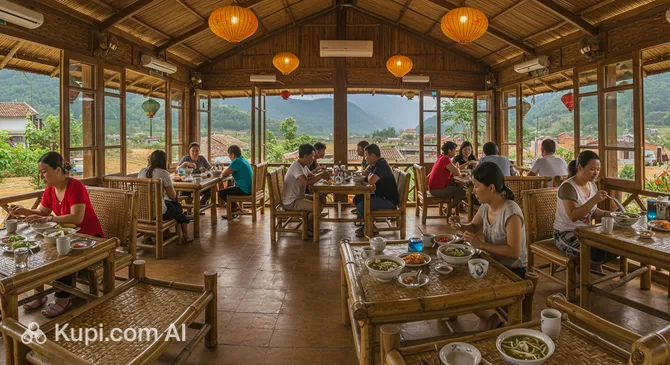
To get acquainted with authentic local cuisine, it's worth stopping by the Suoi Hen Restaurant. This establishment is popular with both locals and tourists thanks to its traditional dishes from the Son La region, prepared from fresh local ingredients. A visit to the restaurant provides a wonderful opportunity to enjoy the unique flavors of Vietnamese cuisine and relax in a pleasant atmosphere.

Suoi Hen Restaurant. Illustration.
Source: Kupi.com AI

Traveler photos:

Local Cuisine

The cuisine of Son La is a true feast for the gourmet eager to discover new flavors and authentic dishes of northwestern Vietnam. The city's gastronomic scene offers a unique combination of traditional ethnic recipes and the freshest local products, capable of surprising even the most seasoned traveler.

One of the main delicacies that you should definitely try in Son La is smoked buffalo meat (thịt trâu gác bếp). This is not just a dish, but a whole culinary tradition and a source of pride for the locals: the meat is marinated in a mixture of local spices and aromatic herbs, and then smoked for a long time over a hearth on bamboo racks, giving it a unique aroma and taste. Equally famous is the fresh river fish, which is often steamed here with wild herbs and spices, preserving its tenderness and juiciness. During the season, corn reigns supreme—it is boiled, grilled, added to soups, and even used to make desserts.

The variety of gastronomic experiences is complemented by green papaya salads and fermented vegetables. Special mention goes to sticky rice (xôi), which is often prepared with beans and baked in bamboo stalks, as well as traditional rice cakes such as bánh dày. At the bustling street markets, you can try aromatic pork skewers and many other snacks fresh from the fire. For those who are not afraid of experiments, street vendors may offer fried insects, while those with a sweet tooth will appreciate the abundance of fresh tropical fruits—passion fruit, mango, and lychee.

While the information provided does not give detailed descriptions of specific local drinks, in Son La, as in all of Vietnam, you can always enjoy freshly brewed green tea, tropical fruit juices, or try local rice wine, which is particularly popular in the mountain regions. These drinks perfectly complement a meal and help you refresh yourself.

The food culture in Son La is very vibrant and accessible. Locals and tourists often eat at street markets. The city is also famous for its gastronomic festivals, where you can not only taste local specialties but also participate in culinary workshops, learn to wrap rice in banana leaves, or cook traditional soup. Of course, there are also restaurants in Son La offering a more formal setting to get to know the regional cuisine, such as the Suoi Hen Restaurant, where many of the mentioned dishes can be sampled.

Overall, the gastronomic scene of Son La is characterized by the use of fresh, natural ingredients, unique cooking methods inherited from local ethnic groups, and a welcoming atmosphere. A trip here is a great opportunity to immerse yourself in the world of authentic flavors and aromas of Northern Vietnam.

Travel Tips

Planning a trip to Son La? Wonderful! This city in the mountainous region of Vietnam offers a unique experience. To ensure your journey goes smoothly and leaves only pleasant impressions, we have prepared a few practical tips.

  1. Clothing and Essentials:

    The climate in Son La is temperate, with distinct seasons. In summer (May-September), it is warm and humid, with frequent rain, so light breathable clothing, a raincoat, and an umbrella will come in handy. In winter (December-February), it can be cool, especially in the evenings and mornings, so bring a sweater or jacket. Comfortable shoes for walking around the city and its surroundings are a must. If you plan to visit pagodas or temples, choose clothing that covers shoulders and knees. Don't forget a universal adapter for your electronics.

  2. Local Transport:

    There are several ways to get around Son La. The most popular and authentic option is the "xe om" (moto-taxi); they are inexpensive and easily available. There are also regular taxis. Public buses may run around the city and the surrounding areas, but their routes and schedules may not always be convenient for tourists. Motorbike rental is possible if you have driving experience and an international license, but be cautious with local traffic. For long-distance trips, consider renting a car with a driver.

  3. Finances:

    The local currency is the Vietnamese Dong (VND). You can exchange currency at banks or some jewelry stores, but banks usually offer the best rate. Credit cards are accepted in major hotels and some restaurants; however, cash remains the primary means of payment, especially in markets and small establishments. There are ATMs in the city, but it's better to check in advance if they accept international cards and what fees apply. A daily budget can range from 500,000 to 1,500,000 dong, depending on your plans. Tipping is not mandatory but always appreciated for good service (5-10% in restaurants or a small amount for drivers).

  4. Health and Safety:

    There are pharmacies ("nhà thuốc") in Son La, but the selection of medications may differ from what you're used to. It's recommended to carry a basic first-aid kit. In case of serious health issues, contact the local hospital or, if possible, a clinic in a larger city. Drinking tap water is not recommended—buy bottled water. Son La is generally a safe city, but standard precautions apply: keep an eye on your belongings in crowded places and avoid walking alone in poorly lit areas late at night.

  5. Communication:

    The official language is Vietnamese. English is common in the tourism sector (hotels, some restaurants, guides), but overall, not many locals speak it. Learn a few basic phrases in Vietnamese: "Xin chào" (Hello), "Cảm ơn" (Thank you), "Bao nhiêu tiền?" (How much does it cost?). This will help immensely with communication. A local SIM card with internet access can be bought upon arrival; it's inexpensive and convenient. Wi-Fi is available in most hotels, cafes, and restaurants. Apps like Google Maps and Google Translate can be very useful.

  6. Local Etiquette:

    Vietnamese people highly value politeness. Greet people with a slight bow or nod, especially elders. When giving or receiving items, use both hands or your right hand while supporting it at the wrist with your left. It is considered impolite to point at someone or something with a finger—better to use an open palm. Avoid loud talking and public displays of strong emotions. It is customary to remove your shoes when entering a private home or temple.

  7. What to Avoid:

    Try not to touch the heads of local residents, as the head is considered a sacred part of the body. Also, avoid taking photos of people, especially members of ethnic minorities, without their prior permission. Do not engage in arguments or raise your voice in public places, as this can be perceived as "losing face."

  8. Additional Tip:

    Son La and its surroundings are famous for their unique ethnic minority culture. Visit local markets where you can see traditional crafts and products. If possible, organize a trip to a village of one of the ethnic peoples (for example, Thai or Hmong) to get a closer look at their life and traditions—this will be an unforgettable experience. It's also worth visiting the historical Son La Prison complex, an important historical monument.

We hope these tips help you better prepare for your trip and get the most enjoyment out of your stay in welcoming Son La. We wish you an exciting journey!

Entertainment & Nightlife

In the evening, Son La envelops its guests in an atmosphere of tranquility and authenticity, which sets it apart from the noisy tourist centers of Vietnam. Nightlife here is slow-paced, offering cozy cafe visits, tastings in local restaurants, and leisurely walks along the lively evening streets where you can observe the daily life of the city residents.

The main points of attraction in the evening are concentrated along the city's central streets. Here, after sunset, life does not stand still, and you can find many places for a pleasant pastime. The atmosphere in most of them is relaxed, and the crowd is mixed—both locals and a few tourists. One of the popular dinner spots is the Suoi Hen Restaurant, known for its local cuisine and hospitality. Many establishments stay open until late evening, offering a variety of food and drinks.

Suoi Hen Restaurant. Illustration.
Source: Kupi.com AI

Traveler photos:

While Son La cannot boast a large selection of loud nightclubs in the European sense or major concert venues, you can find small bars or karaoke establishments that are popular with the local population. Occasionally, night markets may be organized in the city, becoming a hub for street food and local goods. Live music is rare, but some local cafes may feature acoustic performances.

The best time for evening walks and visiting establishments is after 7:00 PM when the daytime heat subsides. Prices in most places are quite affordable, making leisure accessible. To move around the city in the evening, it is most convenient to use taxis or moto-taxis (xe om). It is recommended to always agree on the fare in advance.

Overall, Son La is considered a fairly safe city for evening walks. However, as in any other place, it is worth following standard precautions: keep an eye on your personal belongings and avoid poorly lit or deserted streets late at night.

During the day, Son La offers other leisure opportunities. Travelers can visit iconic historical sites, such as the Son La Prison, which is an important historical monument. For walks, shopping, and daytime relaxation, Son La Plaza is suitable, where shops and cafes are located. Additionally, there are excellent opportunities in and around the city to explore the culture of local ethnic groups and enjoy the picturesque nature of the mountain region.

Parks & Museums

The city of Son La offers travelers an interesting blend of historical attractions that provide a deeper understanding of Vietnam's past and the chance to enjoy the natural beauty of the surrounding region. This is a place where history intertwines with the picturesque landscapes of northern Vietnam.

One of the city's main historical sites that is a must-visit is the Son La Prison. This memorial complex is of great significance, as it was built by French colonizers to hold Vietnamese political prisoners. A visit to the prison offers an opportunity to learn about the difficult times of the struggle for independence and the resilience of the human spirit. Cells, watchtowers, and a museum exhibition with artifacts and photographs from that era have been preserved here. Also, for a more complete introduction to the culture and history of the region, it is worth visiting the Son La Provincial Museum. Its halls display exhibits about the ethnography, traditions, and daily life of the numerous ethnic groups inhabiting the province, as well as archaeological finds.

Although Son La may not have many formal city parks in the usual sense, its location in the heart of a mountainous province more than makes up for it. The city's main "green lungs" are its picturesque surroundings. Travelers can go for walks on the hills, explore nearby valleys where rice fields and tea plantations spread out, or visit ethnic villages to enjoy the fresh air and peaceful landscapes. The region is also known for its natural beauties, such as waterfalls and caves, which can be the goal of an exciting day trip.

For an authentic experience and a deeper immersion in local life, take a look at the central market of Son La. Here, you can not only buy fresh produce and local delicacies but also see handmade crafts created by representatives of local ethnic minorities. Sometimes the most interesting discoveries await away from the tourist paths—these could be small local temples or simply the chance to observe the daily life of the townspeople.

Getting Around

Getting around Son La and its surroundings can be done in several ways typical of Vietnamese cities. The public transport system here is not as extensive as in major metropolises but offers enough options for tourists to explore the city and its picturesque environs.

The basis of public transport, in terms of regular routes within the city, can be made up of local buses. This is usually an inexpensive way to reach various districts of Son La. A trip on a local bus is very affordable, typically costing a few thousand dong. It is better to check schedules and routes on-site, as they may not always be obvious to newcomers, and information online may be limited. Fares are most often paid in cash to the conductor or driver upon boarding the bus.

A very popular and authentic way to get around is by moto-taxis, known as "xe om." Drivers can be found on almost every corner, especially in busy places. A moto-taxi (xe om) for a short trip around the city will cost approximately 20,000-50,000 dong, but always agree on the price in advance before getting on the motorcycle, as there are usually no fixed tariffs. This is a flexible and fast way to get to your destination, especially for short distances or if you need to bypass traffic jams.

Traditional taxi services are also available in Son La. It is recommended to use the services of official companies and ensure the driver turns on the meter, or agree on a fixed price for longer trips, such as to the airport or remote attractions. Metered taxis are also available, and the starting price and cost per kilometer are moderate. In recent years, taxi-hailing apps (like Grab) have become popular in many cities in Vietnam, including provincial centers, which can be a convenient alternative with more transparent pricing and route-tracking capabilities.

For independent travelers wishing to explore the surroundings of Son La at their own pace, renting a motorbike can be a good option. Rental points can be found in tourist areas or inquired about at your hotel. Bicycles may also be available for rent, which is suitable for leisurely rides around the city itself. When renting any transport, be sure to check its technical condition, the availability of helmets, and clarify the insurance terms.

In general, to pay for public transport in Son La, especially on buses and with "xe om," it is better to have small cash (Vietnamese Dong) with you, as there may not be change for large bills. Payment is almost everywhere cash-only, and specialized transport cards or tourist passes in Son La are likely not common. Bus tickets are generally purchased directly inside the vehicle. Public transport hours can vary, but main routes are usually active from early morning until evening. When planning trips, especially out of town or late at night, take this into account and, if necessary, think about alternative return options in advance.

Accommodation

In the city of Son La, travelers will find various accommodation options to suit different budgets and preferences. The main choice is represented by budget guesthouses and small hotels offering basic amenities, as well as mid-range hotels with more comfortable conditions. Although luxury resorts are less common here, you can find cozy options for a pleasant stay. Apartment rentals are less frequent but also possible.

For accommodation, tourists should look at the central districts of Son La, where the main infrastructure is concentrated, including markets, cafes, and restaurants like the Suoi Hen Restaurant. Proximity to places like the Son La Plaza shopping center or historical sites like the Son La Prison can also be convenient. Choosing housing in these parts of the city will provide easy access to transport hubs and major attractions.

Son La Plaza. Illustration.
Source: Kupi.com AI

Traveler photos:

Although there may not be a large number of major international hotel chains in Son La, local hotels and guesthouses offer an authentic living experience. There are few specialized hotels or resort complexes listed in tourist databases, so the choice will be focused on local offerings. It is recommended to book accommodation in advance, especially if your trip coincides with the tourist season or local holidays, to ensure the best choice and prices.

The price range for housing in Son La varies from very affordable options in guesthouses to moderate prices in mid-level hotels. You can book accommodation through popular online booking platforms or, in some cases, by contacting the hotel directly. This allows you to compare options and choose the most suitable one for your trip to Vietnam.

Nearby Cities

For those who wish to explore the surrounding area, Son La serves as an excellent starting point for day trips to several interesting nearby locations:

CityPopulationDistance
Nghia Lo68 20668 km
Dien Bien Phu70 00092 km
Xam Nua46 800102 km
Tan Son9 966107 km
Yen Bai100 631111 km

These nearby destinations provide insight into the diverse culture and landscapes of the region. Each trip promises new discoveries and impressions, complementing your journey through Vietnam.

Shopping & Souvenirs

Shopping in Son La offers tourists an opportunity to immerse themselves in the local culture and purchase authentic goods. The city is not a major shopping hub compared to Vietnam's metropolises; however, you can find interesting handmade items, fresh local products, and household goods here. Son La is particularly famous for the textiles of ethnic minorities and the region's agricultural products.

The main trading activity is centered around the Son La Central Market and its adjacent streets. Here you will find a lively atmosphere, many small shops, and street vendors offering a variety of goods—from fresh fruits and vegetables to clothing and souvenirs. This is the best place to feel the local flavor and observe the daily life of the residents.

For those who prefer a more modern shopping format, there is a shopping center in Son La. One notable place is Son La Plaza. Here you can find clothing stores, electronics, household goods, as well as a food court and entertainment zones. This is a good option for buying well-known brand products or if you are looking for an air-conditioned space for shopping.

Markets play a key role in the trading life of Son La. In addition to the main city market, where you can buy the freshest products, spices, tea, and locally produced coffee, it is worth paying attention to smaller markets in the surroundings if you have the chance. They often sell unique handmade items created by representatives of local ethnic groups, such as the Thai, Hmong, and Muong.

As souvenirs from Son La, it is worth bringing back brocade items and traditional textiles with bright patterns, hand-embroidered bags, clothing, and accessories. Also popular are local delicacies: dried fruits, especially plums and apricots, mountain honey, tea, and coffee grown in the province. You can also find interesting wooden crafts or bamboo products.

Shops in Son La are typically open from 8:00-9:00 AM until 6:00-8:00 PM. Markets start operating very early in the morning and may close after lunch or closer to evening. In small shops and markets, payment in cash (Vietnamese Dong) is preferred. In large stores and shopping centers like Son La Plaza, bank cards may be accepted, but it is always better to have enough cash with you.

The possibility of a tax refund (Tax Free) in Son La for tourists is unlikely, as this system is usually common in major international airports and specialized stores in large tourist cities. When making large purchases in official stores, you can clarify this issue, but do not count on it too much.

Reached the end of the page?

That means the route is fully explored