Support

Tejas Park

About

Tejas Park is one of the modern green spaces in the vibrant city of Córdoba, the second largest in Argentina. It was opened in **2011** on the site of the former provincial government residence, known as "Casa de las Tejas" ("House of Tiles"), which gave the park its name. This space was created to offer residents and visitors a new place for outdoor recreation.
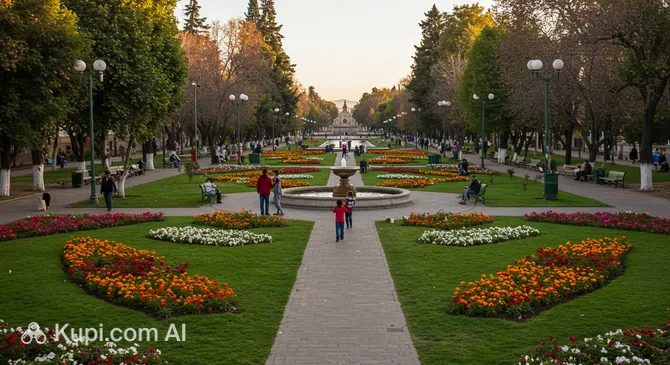
Tejas Park. Illustration.
Source: Kupi.com AI

Traveller photos:

The park covers about **seven hectares** and is a popular spot for family walks, meeting friends, and student relaxation, as it is located near the famous University Campus. It has everything needed for a comfortable visit: convenient benches, children's playgrounds, fountains, and even **free Wi-Fi**. The park is ideal for taking a break, enjoying the sunny weather, and watching the leisurely pace of city life.

One of the park's features is its large pedestrian bridges, which not only catch the eye with their design but also safely connect it to the neighboring, even larger **Sarmiento Park**. This creates a continuous green route that makes it easy to move between different recreation areas. After a stroll through Tejas Park, you can continue exploring Córdoba by heading out to discover its rich historical heritage and numerous cultural attractions.

Contacts

Since Tejas Park is a public space, it does not have a dedicated phone number or email address for visitors. It is located in the southern part of the Nueva Córdoba neighborhood, on the border with the University Campus, and is open to everyone 24/7. You can reach the park by public transport, bicycle, or on foot from the center of Córdoba, following Chacabuco Boulevard.

How to contactContact
AddressChacabuco, X5000 Córdoba, Argentina

What to Do

Tejas Park offers visitors a variety of opportunities for relaxation and entertainment. On a regular day, it is an ideal place for leisurely strolls along its wide alleys, morning jogs, or simply relaxing on one of the many benches with a book. Due to its proximity to the University Campus, you can always find students studying or socializing on the grass. Families with children will appreciate the modern playgrounds, while active recreation enthusiasts can use the wide paths for cycling or rollerblading. Additionally, the famous pedestrian bridges connecting Tejas Park with the neighboring Sarmiento Park allow for a long and scenic walking route.

However, the park's true energy is revealed during the numerous public events that transform it into a center of cultural and social life in Córdoba. The space regularly hosts **music festivals**, open-air concerts, and DJ performances. Various cultural celebrations also take place here, such as colorful festivals honoring the Chinese New Year with traditional dances and food. Such events attract many locals and tourists, creating a lively and festive atmosphere in the park.

Special mention goes to the events under the "Córdoba Cerca Tuyo" ("Córdoba Near You") program, which are often organized in the park. During these events, visitors can participate in **open aerobics classes**, cooking workshops from local chefs, and visit various educational and technological exhibitions. For park guests, this is a unique opportunity not only to relax in nature but also to get a closer look at the culture and social life of Argentina by joining the locals in one of the city's most popular green spaces.

Getting There

Getting to Tejas Park is quite simple thanks to its excellent location in the southern part of the central Nueva Córdoba neighborhood, on the border with the University Campus. If you are in the city's historic center, the most pleasant way is a walk. It takes about 20–30 minutes and allows you to better experience the architecture and atmosphere of the city. Your main landmark will be Chacabuco Boulevard, which runs right through the park and connects it with other iconic spots, such as Plaza España.

For those who prefer public transport, Córdoba has an extensive network of city buses known as "colectivos." Since the park is next to a large university campus, many routes pass by. You can take buses **18, 19, 21, 26, 41**, and others that stop on Chacabuco Boulevard or adjacent streets. It is recommended to check the current schedule and routes using online maps or public transport apps and purchase a local transport card to pay the fare.

The fastest and most comfortable option, especially if traveling with children or short on time, is a taxi or a ride-hailing service. A trip from any point in the city center will be short and inexpensive. This method is also convenient if heading to the park from Córdoba's main bus station or the airport. If you have rented a car, keep in mind that finding free parking in this busy area can be difficult, especially on weekdays.

Nearest city: Cordoba

History & Facts

Although Tejas Park is a modern space, the history of the land it occupies is closely intertwined with the history of Córdoba itself. The park inherited its unusual name from "Casa de las Tejas" ("House of Tiles")—the former provincial government residence that previously occupied this site. The creation of the park became a symbol of urban renewal, transforming an important administrative site into a green space open to everyone for relaxation and socializing.

The city's history dates back to the 16th century. Córdoba was founded on July 6, 1573, by Spanish conquistador Jerónimo Luis de Cabrera, who named it after the city of the same name in Spain. Interestingly, the settlement was originally located on the left bank of the Suquía River, but due to constant attacks by indigenous tribes, it had to be moved to the right bank, where the terrain was better suited for defense. This strategic move determined the future location of the city's historical center.

The Jesuits, who arrived in 1599, played a key role in the development of Córdoba. They transformed the city into an intellectual and spiritual center, founding the first university in Argentina and building magnificent temples, cathedrals, and administrative buildings. The Jesuit Block, listed as a UNESCO World Heritage site, remains the heart of the city today. Although the Jesuits were expelled in 1767, their legacy still defines the unique cultural and architectural appearance of Córdoba.

Even before the arrival of the Spanish, these lands were inhabited by the Comechingones indigenous tribes, who practiced farming and livestock breeding. Thus, modern Tejas Park sits on land that has witnessed many eras: from the life of indigenous peoples and the founding of a colonial city to its transformation into a major cultural and educational center of modern Argentina, where history harmoniously coexists with the present.

Time Needed

Visiting Tejas Park usually doesn't take much time, making it an ideal place for a short break during the day. For a leisurely stroll along the main paths, relaxing on a bench, and taking in the park's atmosphere, **1-2 hours** will be enough. During this time, you can appreciate its modern design, see the fountains, and cross the pedestrian bridges leading to the neighboring Sarmiento Park. This is sufficient to get a general impression and enjoy this green oasis in the center of Córdoba.

However, if you plan for a more thorough rest, your stay could be significantly longer. For example, if you want to have a picnic on the grass, spend time with children at the playground, or simply read a book in the shade of the trees, feel free to set aside **half a day** for your visit. Additionally, keep in mind that Tejas Park is connected to the larger Sarmiento Park. If you decide to combine a walk through both parks, your journey through the city's green zones could take **3-4 hours** or more, depending on your pace.

The time of your visit also depends heavily on whether any events are taking place in the park. Tejas Park often serves as a venue for music festivals, concerts, and cultural celebrations that can last an entire **evening** or even a whole day. If your visit coincides with such an event, you can immerse yourself in the lively atmosphere and spend much more time here. Therefore, before visiting, it is recommended to check the event calendar in Córdoba to plan your day in the most interesting way possible.

Working Hours

Good news for all travelers: Tejas Park is a public city space, so it is open to the public **24/7 and free of charge**. You don't need to buy tickets or book a visit in advance to walk along its paths, rest on a bench, or enjoy the greenery. The park is accessible to guests and residents at any time of the year, day or night.

While the park itself is always open, it's worth noting that various events—festivals, concerts, or fairs—are often held on its grounds and may have their own schedules. For a standard visit, this won't cause any issues, but if you want to attend a specific event, it's recommended to check its time in advance on Córdoba's official tourism portals or in local event listings.

Open 24/7

Nearby

Visiting a single attraction is only the beginning of an exciting journey. To truly feel the city's atmosphere, it's worth exploring its surroundings. A walk through neighboring streets and parks can provide unexpected discoveries and make your travel experience much richer and more complete.

Tejas Park is very well located in Córdoba, making it an excellent starting point for further exploration of this vibrant city in Argentina. Many other interesting places—from museums and cultural centers to picturesque squares and other green zones—are within walking distance. This makes it easy to plan a full day's itinerary without even using transportation.

NameDistance
Plaza Cielo Tierra0.2 km
España Square0.5 km
Evita Fine Arts Museum (Palacio Ferreyra)0.6 km
Emilio Caraffa Museum0.6 km
Super Park Córdoba0.8 km
Biodiversity Park0.8 km
Church of the Sacred Heart of Jesus (Capuchin Church)0.9 km

Reached the bottom of the page?

Looks like you know this route inside out