Support

Regional Historical Museum

About

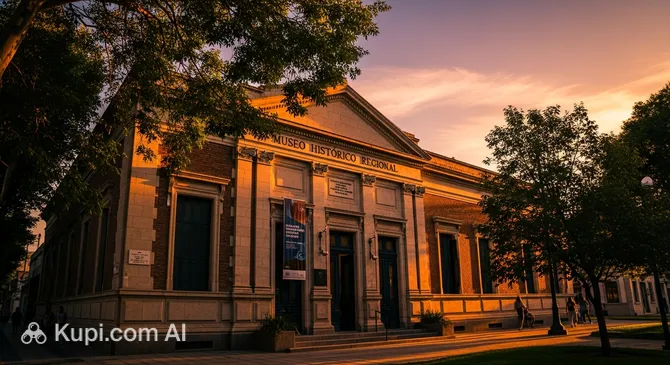
The Regional Historical Museum in the city of Río Cuarto is more than just a repository of antiquities; it is a unique portal to the past housed within the walls of an old manor. The building on the corner of Fotheringham and Alvear streets is the city's oldest architectural monument, and in 1975, it was rightfully honored with the status of a National Historic Monument. This was the starting point for the official protection of cultural heritage in the region.
Regional Historical Museum
Regional Historical Museum. Иллюстрация. Источник: Kupi.com AI

Opened in 1981, the museum offers its guests a fascinating journey through the centuries. The exhibition is divided into five thematic halls, covering the timeline from prehistoric times and the era of indigenous peoples to the waves of mass immigration that shaped the modern face of Argentina today. Here, you can see rare archaeological artifacts and household items belonging to the legendary gauchos.

The architecture of the manor itself is of particular value, as it once served as the headquarters of the Southern Border Command. The combination of historical atmosphere, rich collections, and a modern approach to museology makes this place a must-visit for anyone wishing to understand the soul and identity of this Argentine region.

Contacts

To confirm the latest information regarding special exhibitions or to book group tours in advance, you can contact the museum administration directly. The staff is always ready to help visitors navigate the cultural program of Río Cuarto.

Below are the main contact details for reaching the Regional Historical Museum:

How to contactContact
AddressFotheringham 178, X5800 Río Cuarto, Córdoba, Аргентина
Phone+54 358 467-1208
Websitewww.riocuarto.gov.ar

What to Do

Visiting the museum is an excellent opportunity for an interactive journey through time. Start with the rooms dedicated to indigenous tribes, which feature authentic archaeological finds from Cerro Inti Huasi. Following these, you will enter the colonial era: here, the interiors of gaucho houses have been recreated, and old documents and objects telling the story of the city's founding and the harsh life on the "desert" frontier are preserved.

Be sure to notice the History Mural, located on the square adjacent to the museum. This large-scale canvas depicts more than 100 prominent personalities of Río Cuarto. It is an ideal spot for commemorative photos and reflection on how individuals shaped the history of an entire region. During the warmer months, the grounds often host cultural events such as open-air concerts and theatrical performances.

For a deeper immersion, we recommend taking advantage of the guided tours. Professional guides help bring history to life, turning a standard viewing of display cases into a gripping narrative of struggle, exploration, and cultural exchange. This makes the museum an excellent destination for both thoughtful solo travelers and family visits with children.

Getting There

The Regional Historical Museum is conveniently located in the very heart of Río Cuarto, at the intersection of Fotheringham and Alvear streets. If you are already in the city center, a pleasant walk to the museum from the main squares will take no more than 5–15 minutes.

For those traveling from more distant neighborhoods, it is most convenient to use public transport — city buses stop on the adjacent streets. You can also call a taxi or use Uber, especially if you are coming from the train station or Río Cuarto Airport (MPC), which is approximately 10 kilometers from the historical center.

If you are planning a trip from Buenos Aires, the journey by intercity bus or train takes about 5–6 hours. Upon arrival in the city, the easiest way is to take a taxi to Fotheringham 178, which will take about 10–15 minutes. For precise real-time route planning, it is recommended to use Google Maps.

Ближайший город: Rio Cuarto

History & Facts

The manor house that hosts the museum today is considered the oldest surviving building in Río Cuarto. It originally belonged to Ignacio J. Fotheringham, a prominent military figure. After his death in 1938, the building changed owners several times and even served as a temporary hotel named "Hospedaje Lalo" between 1944 and the 1970s.

This site is literally steeped in national history: over the years, it housed magistrate courts and the Border Command for Córdoba, San Luis, and Mendoza. A particular point of pride is that between 1872 and 1878, Julio Argentino Roca, one of the key political figures in the formation of modern Argentina, lived and worked here.

The path to creating the museum was long — the idea first emerged in 1945. Thanks to the efforts of historians and public figures, Congress approved the expropriation of the manor for cultural use in 1974. In 1975, the building was officially recognized as a National Historic Monument, the first such designation for the entire city.

The grand opening of the museum took place on November 11, 1981. This date was chosen intentionally to coincide with City Day. Since then, the museum and its adjacent square have become the primary keepers of the region's memory, evolving from a private residence into a vital cultural center.

Time Needed

To leisurely explore all the exhibits and feel the atmosphere of the old manor, we recommend setting aside 1.5 to 2.5 hours for your visit. This time is quite sufficient to carefully study all five thematic halls and discover the unique archaeological finds.

Usually, about an hour is spent on the main exhibition inside the building. Another 30–40 minutes should be reserved to see the famous mural and walk through the adjacent square. If you decide to join a guided tour, your stay may become more immersive and last a bit longer, but you will learn many details hidden from the casual observer.

Working Hours

When planning your visit, keep in mind that the museum is closed on Mondays. From Tuesday to Friday, the doors are open twice a day: from 08:30 to 12:30 and in the afternoon from 15:30 to 19:30. On Saturdays and Sundays, the museum welcomes guests only during the evening hours — from 15:30 to 19:30.

Since the working schedule may change due to holidays or special events, we strongly recommend checking the latest information on the official city website or calling to confirm before your trip. For organized groups and educational institutions, guided tours are often available by prior arrangement during a wider range of hours.

DayWorking hours
понедельникЗакрыто
вторник08:30–12:30, 15:30–19:30
среда08:30–12:30, 15:30–19:30
четверг08:30–12:30, 15:30–19:30
пятница08:30–12:30, 15:30–19:30
суббота15:30–19:30
воскресенье15:30–19:30

Nearby

Strolling around the area surrounding the Regional Historical Museum is a wonderful way to soak up the atmosphere of Río Cuarto. Just a few steps from the museum, you will find interesting art objects and locations that offer different perspectives on the city, from modern street art to cozy spots for relaxation.

Exploring the central streets will enrich your experience, as many small landmarks reflecting the local culture and daily life are concentrated here. Here is a list of interesting places located nearby:

NameDistance
La Pancha0.2 km
Ribera Paseo Shopping0.4 km
Factory XL0.5 km
Tegua – Pints with Stories1.3 km
Andino Cultural Center1.4 km
YPF Bar1.5 km
Sunken Plaza1.5 km

Reached the end of the page?

That means the route is fully explored