Support

Museo de la Industria Azucarera - Casa Obispo Colombres

About

In the heart of the largest park in San Miguel de Tucumán lies a unique place where the industrial past that Argentina is so proud of comes to life. This colonial mansion from the end of the 18th century serves not merely as a museum, but as a monument to the era that saw the birth of the region's powerful economy.
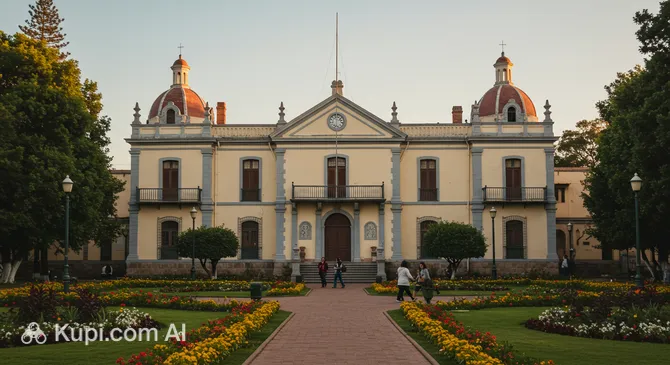
Sugar Industry Museum – Bishop Colombres House
Sugar Industry Museum – Bishop Colombres House. Иллюстрация. Источник: Kupi.com AI

The building, known as the Museum of the Sugar Industry — Bishop Colombres House, is recognized as a National Historic Monument. Its architecture, featuring staircases made of precious quebracho wood and massive adobe walls, is one of the best-preserved examples of colonial style in the province.

The main value of this site lies in its history: it was here that the first machines for processing sugar cane were installed. Today, visitors can see rare exhibits, including the original wooden mills from 1821, which became the starting point for the country's entire sugar industry.

Contacts

For information about special events or group tours, you can use the following contact details:

How to contactContact
AddressParque 9 de Julio, T4000 San Miguel de Tucumán, Tucumán, Argentina
Phone+54 381 451-6500
Websitesmt.gob.ar

What to Do

Visitors can expect a fascinating journey through four themed halls that illustrate the evolution of sugar production. You can see original machinery, including the first wooden trapiches and impressive cast-iron boilers. Of particular interest is the steam engine, which is occasionally operated to demonstrate the principles of how old factories worked.

At the museum, you can:

  • Explore the collection of Bishop Colombres' personal belongings and learn about his contribution to the region's development.
  • Browse interactive screens and video materials explaining the socio-economic impact of the sugar industry.
  • Visit the restored adobe shed, where the process of making the first sweets and the traditional drink aguardiente is recreated.
  • Take photos against the backdrop of vintage steam locomotives and massive machinery installed in the courtyard.

After immersing yourself in history, be sure to take a stroll through the alleys of 9 de Julio Park. It's a great place to discuss what you've seen while enjoying the fresh air and peaceful atmosphere of one of the city's most beautiful green spaces.

Getting There

Located in the picturesque 9 de Julio Park, the museum is within walking distance for those who decide to stroll from the city center. The walk from Plaza Independencia takes only 10–15 minutes, making it a pleasant addition to your cultural itinerary.

If you prefer public transport, you can use the buses that run through the city center toward the park. For those arriving from the airport, it is most convenient to take a taxi or use a service like Uber; the trip takes about 20–30 minutes depending on traffic.

For travelers with their own or a rented car, there are free parking spaces available within the park, so you don't have to worry about finding a spot in a busy area.

Ближайший город: San Miguel de Tucumán

History & Facts

Built at the end of the 18th century as a country estate, this building preserves the memory of the man who changed the region's destiny. In 1821, Bishop José Eusebio Colombres installed the first wooden trapiches here—mechanisms for crushing cane that were powered by oxen. This moment marked the revival of sugar production, which had originated in Jesuit missions but had been forgotten for decades.

Colombres' small enterprise became a powerful stimulus for economic development: by the mid-19th century, more than 20 factories were operating in the province. The Bishop's House became a symbol of industrial progress, supplying sugar and sweets not only to the domestic market but also to neighboring countries.

In 1941, the estate was granted the status of a National Historic Monument. Decades later, in 1984, the museum was officially opened here. A major milestone was the extensive restoration in 2007, during which valuable archaeological artifacts were discovered, which now hold a place of honor in the exhibition.

Time Needed

To leisurely explore all four exhibition halls and examine the antique machinery outdoors, you will need approximately 1.5–2 hours. This is plenty of time to soak in the history and appreciate the scale of engineering from centuries past.

If you plan to combine your museum visit with relaxation in 9 de Julio Park itself, set aside at least 3 hours for your visit. The park offers excellent opportunities for walks and picnics, making it an ideal half-day destination for families.

Working Hours

Please note that the museum's schedule includes a midday break, typical for this region. Admission to the museum is free, making it accessible to all visitors.

  • Monday: Closed
  • Tuesday – Friday: 09:00 – 12:30, 15:00 – 18:30
  • Saturday – Sunday: 09:00 – 13:30, 14:30 – 18:30
DayWorking hours
ПонедельникЗакрыто
Вторник9:00 – 12:30, 3:00 – 18:30
Среда9:00 – 12:30, 3:00 – 18:30
Четверг9:00 – 12:30, 3:00 – 18:30
Пятница9:00 – 12:30, 3:00 – 18:30
Суббота9:00 – 13:30, 2:30 – 18:30
Воскресенье9:00 – 13:30, 2:30 – 18:30

Nearby

A stroll around the 9 de Julio Park area will allow you to immerse yourself deeper in the city's atmosphere and see the historical heritage of Tucumán in its various forms. Within walking distance, you will find important memorials as well as interesting cultural spaces.

NameDistance
9th of July Park0.3 km
Rose Garden0.3 km
Mercedes Sosa Museum - Birthplace0.4 km
Futbol 5 Terminal0.9 km
Cultural Mill1.3 km
Dot Bar Tucumán1.4 km
ML Calentitas1.4 km

Reached the end of the page?

That means the route is fully explored