Support

Kortrijk

About

Kortrijk is a charming city in Belgium, nestled on the banks of the Leie River in the heart of West Flanders. Its strategic location, just a few kilometers from the French border, makes it an excellent base for exploring the region: from here, you can easily reach Brussels, Ghent, or Bruges.

With a population of about 77,000 people, Kortrijk maintains the atmosphere of an intimate European town where every corner is steeped in history. Despite its size, the city plays an important role in the region, renowned for its university, innovative developments, and vibrant cultural life.

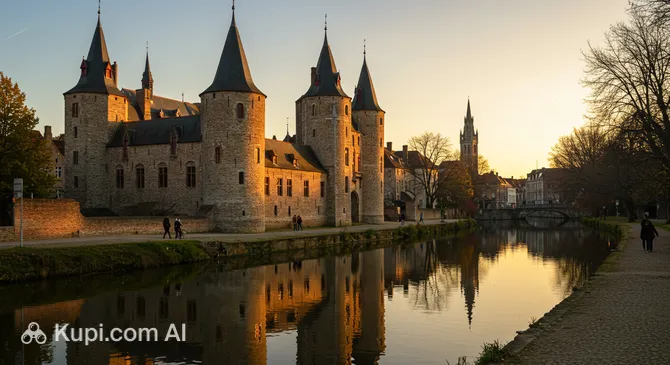
Kortrijk. Illustration.
Source: Kupi.com AI

The main charm of Kortrijk lies in the harmonious blend of medieval architecture and modern infrastructure. Here, you can see majestic towers, ancient churches, and cozy squares. The city also takes pride in its UNESCO World Heritage sites and the picturesque embankments of the Leie River, which invite leisurely strolls.

Kortrijk is a place where the past and present meet, creating a unique atmosphere of tranquility and creative inspiration. Visit this city to enjoy its historical heritage, rich culture, and, of course, the famous Flemish cuisine. It is an ideal destination for a slow and thoughtful journey.

You can find more interesting facts on the history of Kortrijk page.

Weather Overview

The weather in Kortrijk is characterized by a temperate maritime climate. Summers here are usually warm, with average temperatures in July and August around 18-19°C, and maximum values can reach 22-23°C. Winters are cool, with an average temperature in January of about 4.8°C. Precipitation is distributed fairly evenly throughout the year, with a slight increase in October and December, and the number of rainy days varies from 10 to 16 per month. Expect comfortable summers with occasional rain and cool, damp winters.

To get more detailed information about the weather, including monthly forecasts, you can visit the Kortrijk Climate page.

Average monthly temperature

Average monthly precipitation

Interesting Facts

Beyond its well-known landmarks, Kortrijk hides many amazing stories and little-known details that make it truly special. Ready to learn a few of them?

Broel Towers. Illustration.
Source: Kupi.com AI

Traveler photos:

  • The city's hallmark is the famous Broel Towers, standing on the banks of the Leie River. Interestingly, these two massive towers were built in different eras: one, the Speytorre, dates back to the late 14th or early 15th century and served to control river traffic, while the second, the Ingelborchtorre, was part of the 12th-century medieval fortifications but was later rebuilt and used for weapons storage.

  • Kortrijk's historic Beguinage, founded in the 13th century, along with the city's bell tower – the Belfry of Kortrijk – are listed as UNESCO World Heritage sites. This quiet corner with its white houses and the Church of Saint Elizabeth still preserves a medieval atmosphere and tells the story of the Beguines – women who dedicated themselves to religion and community work without taking monastic vows.

  • Kortrijk has a rich history inextricably linked to flax production and the textile industry. This important heritage is the focus of Texture — Museum of Flax and the River Leie. Here you can learn why the Leie was called the "golden river" and how Flemish flax gained worldwide fame, bringing prosperity to the region.

  • While Kortrijk is famous for its history, it is also a hub for innovation and design. The city hosts the renowned international design biennial, Interieur, which attracts designers, architects, and enthusiasts from all over the world, showcasing the latest trends in interior and product design.

How to Get There

Kortrijk, located in the Belgian province of West Flanders, is very accessible. The city can be reached in various ways, including flights via nearby international airports and a well-developed railway network.

Although Kortrijk itself does not have its own major passenger airport, several international airports are within reasonable distance, providing convenient options for air travelers.

One of the primary options is Brussels Airport (BRU), located in the Belgian capital, Brussels, approximately 87 km from Kortrijk. It is the country's largest international airport with a vast number of flights. From there, Kortrijk can be reached by car in about 1.5-2 hours. There is also a train connection: from the airport, you can take a train to Brussels-Midi (Zuid) station, from where direct trains to Kortrijk depart.

Significantly closer to Kortrijk, just 31 km away, is Lille Airport (LIL), located in the French city of Lille. This international airport can be particularly convenient if your route goes through France or if you are flying from certain European cities. A trip by taxi or rental car from Lille Airport to Kortrijk takes about 45-60 minutes. You can also reach one of Lille's train stations and take a train to Kortrijk from there.

Another major airport often used for budget flights is Brussels South Charleroi Airport (CRL). It is located about 94 km from Kortrijk, also in the vicinity of Brussels. The journey from there to Kortrijk by car takes about 1.5-2 hours. Another option is to take a shuttle bus to Brussels (e.g., to Brussels-Midi station) and then transfer to a train to Kortrijk.

For your convenience, here is a summary of the main airports from which you can reach Kortrijk:

AirportPassenger trafficDistance
Lille Airport1.8 mln31 km
Ostend-Bruges International Airport386 38750 km
Brussels Airport23.6 mln87 km
Antwerp International Airport239 51793 km
Charleroi Brussels South Airport10.5 mln94 km

Kortrijk has its own railway station (Station Kortrijk), which is an important transport hub in the region. It provides direct connections to many cities in Belgium, such as Brussels, Ghent, Bruges, and Antwerp, making the train the most convenient way to reach the city from most parts of the country.

If your route passes through neighboring France or if you are looking for alternative rail routes, you can consider large hub stations nearby. For example, Lille Flandres Station in Lille, France, is just 25 km from Kortrijk. This is a very large railway hub with many international (including Eurostar to London) and regional connections. From Lille, Kortrijk is easily accessible by train (often with one transfer) or taxi.

Another nearby station in France is Gare de Tourcoing, which is only 14 km from Kortrijk. While it is a smaller station, it may be convenient for those traveling from French border regions. From Tourcoing, you can quickly reach Kortrijk by local transport or taxi.

Below is information about some railway stations in neighboring cities that may be convenient for a trip to Kortrijk:

StationPassenger trafficDistance
Tourcoing Station710 22314 km
Roubaix Station127 29316 km
Lille Europe Station7.2 mln25 km
Lille Flandres Station19.5 mln25 km
Brugge Railway Station6.6 mln50 km

Additionally, Kortrijk is easily accessible by car thanks to the developed highway network of Belgium and neighboring countries. The city is located near major European routes (such as the E17), making a car trip a convenient option if you prefer to travel by vehicle.
Main Attractions

Kortrijk, a charming city in the province of West Flanders, boasts a rich history and culture reflected in its numerous attractions. Travelers will find unique architectural monuments, interesting museums, and picturesque corners here, each telling its own part of the city's story.

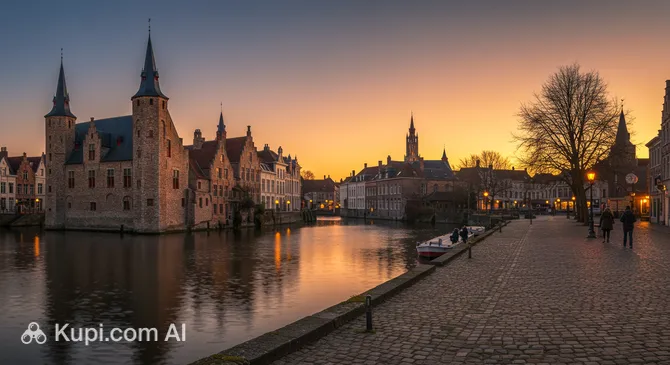
One of Kortrijk's most recognizable landmarks is the Broel Towers. These two massive medieval towers, standing on opposite banks of the Leie River and connected by a bridge, were once part of the city's fortifications. They have survived many historical events and today serve as a powerful symbol of Kortrijk's resilience and rich past. The towers attract tourists with their impressive architecture and photogenic appeal, especially against the backdrop of the river.

Broel Towers. Illustration.
Source: Kupi.com AI

Traveler photos:

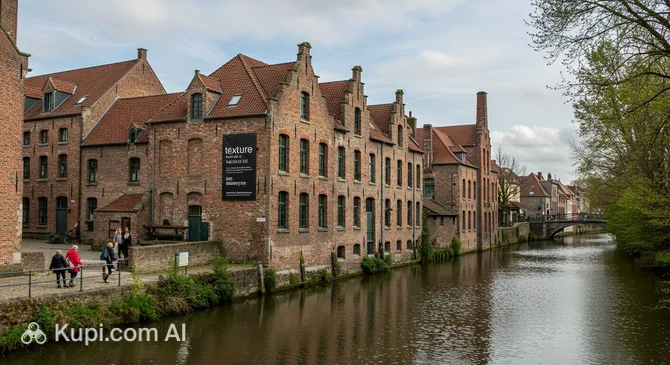
For those who want to better understand the economic and social heritage of the region, a visit to Texture — Museum of Flax and the River Leie is a must. This modern museum is dedicated to the history of flax cultivation and the textile industry, which for centuries played a key role in the life of Kortrijk and the Leie Valley, nicknamed the "Golden River." The museum's exhibits fascinatingly tell the story of the transformation of flax into exquisite fabrics and the industry's influence on the city's development.

Texture – Museum of Flax and the River Lys. Illustration.
Source: Kupi.com AI

Traveler photos:

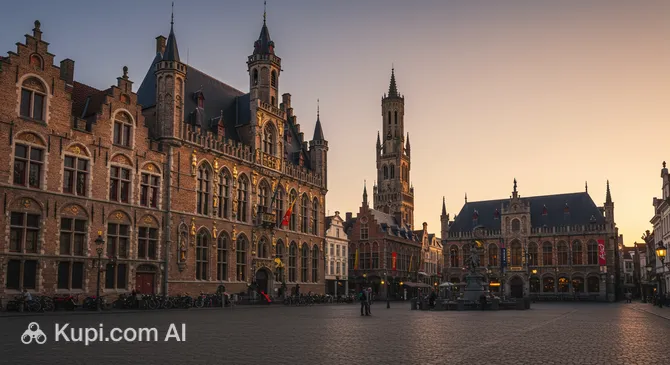
The Belfry of Kortrijk, located on the Grote Markt main square, is also not to be missed. This majestic tower, listed as a UNESCO World Heritage site, is a symbol of the city's civil liberty and prosperity. Historically, belfries served as watchtowers, treasuries, and storage places for city archives. Today, it remains an important architectural monument and a popular site for tourists wishing to touch the medieval history of Flanders.

Belfry of Kortrijk. Illustration.
Source: Kupi.com AI

Traveler photos:

In addition to these iconic sites, Kortrijk offers many other interesting corners, cozy cafes, and shops, making a walk through the city both pleasant and educational. Every street and building here breathes history, inviting travelers to discover this Flemish city.

Local Cuisine

Kortrijk is a true paradise for foodies, where the gastronomic traditions of Flanders blend harmoniously with modern culinary trends. The city offers a rich selection of dishes and drinks that can surprise even the most seasoned traveler. Kortrijk's culinary scene is diverse: from cozy bistros to elegant restaurants, and from lively markets to specialized beer bars.

Be sure to try classic Flemish dishes. Among them is waterzooi — a delicate, creamy stew made of chicken or fish with vegetables, perfect for warming up in any weather. Another iconic specialty is stoofvlees (carbonnade flamande), a fragrant beef stew often slow-cooked with dark beer, traditionally served with crispy Belgian fries. For those with a sweet tooth, it's worth seeking out the famous Belgian waffles, exquisite handmade chocolates, and a variety of pastries found in the city's numerous confectioneries and coffee shops.

Speaking of drinks, one cannot fail to mention Belgian beer, which holds a special place in the culture of Belgium and, of course, Kortrijk. Here you can find both ancient breweries that carefully preserve centuries-old traditions and modern craft producers. Many bars and restaurants offer tasting sets, allowing you to sample various local beers. Besides beer, various lemonades and freshly squeezed juices are popular.

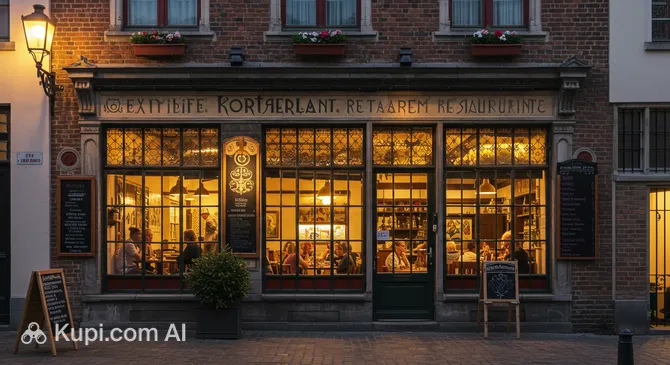
Gust'Eaux. Illustration.
Source: Kupi.com AI

Traveler photos:

The food culture in Kortrijk is diverse. Locals and tourists enjoy visiting restaurants that offer both traditional and international cuisine; for instance, visit Gust'O to experience local flavors. Street food also plays an important role: at farmers' markets, you can buy fresh cheeses, cured meats, pastries, and seasonal products. In the summer, food festivals are often held in the city squares, where you can enjoy street food, music, and culinary workshops. Kortrijk is also known for its gastronomic events, such as Belgian Cuisine weeks and chocolate and cheese days, which attract food lovers from all around.

Travel Tips

Welcome to Kortrijk! To ensure your trip to this charming Flemish city is as comfortable as possible and leaves only pleasant impressions, we have prepared a few practical tips for you.

  1. Clothing and Essentials:

    The climate in Kortrijk is moderate maritime, with fairly mild winters and cool summers. Regardless of the season, be prepared for potential rain, so a light raincoat or umbrella will come in handy. Be sure to bring comfortable shoes, as the city is perfect for walking along ancient streets. For electrical appliances, you will need an adapter (Belgium uses Type E sockets). When visiting churches, such as St. Martin's Church or the Church of Our Lady, it is advisable to stick to a modest style of dress (covered shoulders and knees).

  2. City Transport:

    The center of Kortrijk is quite compact and easy to get around on foot. For longer distances, you can use De Lijn buses. Taxis are available but can be expensive; check for ride-hailing apps upon arrival. Renting a car is not necessary for moving within the city itself but might be useful if you plan to explore the Flanders countryside. Kortrijk is a cycling city, so renting a bike can be a great way to get to know the city and its surroundings.

  3. Finances:

    The official currency in Belgium is the Euro (EUR). You can exchange money at banks or exchange offices. Credit and debit cards (Visa, Mastercard) are accepted almost everywhere in shops, restaurants, and hotels. ATMs are easy to find throughout the city. A rough daily budget, excluding accommodation, could be 70-100 euros per person. Tips in restaurants are usually included in the bill, but if the service was particularly good, you can leave a small amount (5-10% of the bill) or round up the bill.

  4. Health and Safety:

    Kortrijk is generally a safe city. Pharmacies (Apotheek) are easy to find; information about on-duty pharmacies working at night or on weekends can be found online ("apotheek van wacht"). EU citizens are recommended to have a European Health Insurance Card (EHIC). It is highly recommended for tourists from other countries to have travel insurance. In emergencies, call 112. Follow standard precautions: watch your belongings in crowded places to avoid pickpockets.

  5. Communication:

    The official language in Kortrijk, as in all of Flanders, is Dutch (the local variant is often called Flemish). However, most residents, especially young people and service workers, speak English well. Learning a few phrases in Dutch is a polite gesture: "Hallo" (Hello), "Dank u wel" (Thank you very much), "Ja / Nee" (Yes / No), "Spreekt u Engels?" (Do you speak English?). A local operator's SIM card can be purchased at mobile phone shops or some supermarkets. Wi-Fi is available in many cafes, hotels, and public places.

  6. Local Etiquette:

    When meeting, it's common to say "Hallo" (Hello) or "Goedendag" (Good day). Belgians value politeness and punctuality. Try not to make noise in public places. When interacting with locals, be friendly and respectful. Flemings are proud of their culture and history; show an interest in it.

  7. What to Avoid:

    Try not to be overly loud or expressive in public places, especially in restaurants and churches. Also, avoid starting discussions on sensitive topics regarding internal Belgian politics or linguistic differences if you are not well-acquainted with your conversation partner.

  8. Extra Tip:

    Kortrijk is known for its interest in design (it hosts the famous Interieur Biennale, though not every year). Check if any exhibitions, fairs, or festivals are happening during your visit. The city is located on the Leie (Lys) River, along which picturesque walking and cycling routes are laid out. Keep in mind that many shops are closed on Sundays, except for special "shopping Sundays" (koopzondagen).

We hope these tips help you better prepare for your trip and get the most out of your stay in Kortrijk – a city with a rich history and a dynamic modern life. Have a great journey!

Entertainment & Nightlife

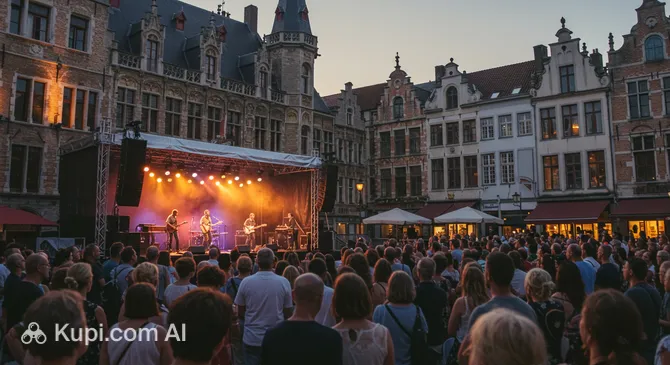
Kortrijk, despite its relatively small size, offers a fairly lively and diverse nightlife, especially thanks to its student population, which gives the city a young and energetic atmosphere. In the evening, the city is transformed, and its cozy streets fill with those looking to relax and have fun.

The main concentration of evening and night venues is in the city center, particularly around the Grote Markt (Main Market) and adjacent streets like the Vlasmarkt (Flax Market). Here you will find numerous bars, cafes, and several clubs. The atmosphere in most places is quite relaxed and friendly. The crowd is mixed, ranging from students to locals and tourists. The dress code in bars is usually casual, while it might be slightly more dressed up in clubs, especially on weekends.

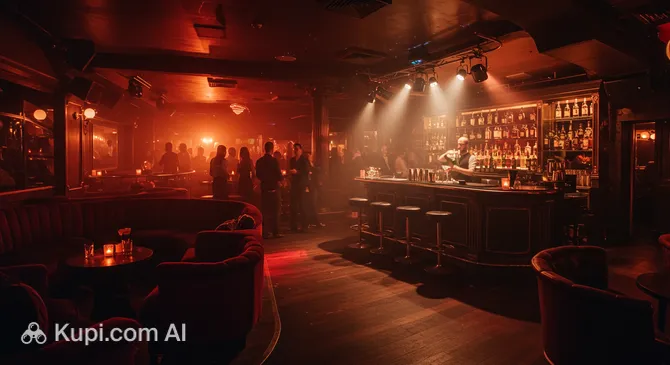
Among the popular spots for evening relaxation is the bar deDingen, known for its pleasant atmosphere and good selection of drinks. It’s a great place to start the evening or spend time with friends. For those looking for more active entertainment and dancing until late at night, a nightclub like Café Damast is a great choice. Many restaurants, such as Hawaiian Poké Bowl or Gust'O, are also open in the evening, offering various options for dinner before heading to the bars or clubs.

deDingen. Illustration.
Source: Kupi.com AI

Traveler photos:

Bars typically open in the afternoon and stay open until late (1-2 AM), especially on Fridays and Saturdays. Clubs start coming to life closer to midnight and can stay open until 4-5 AM. The best time to visit is the weekend when the city is most vibrant. Prices for drinks in Kortrijk are comparable to the average in Belgium: a beer costs about 3-5 euros, and cocktails start from 8-12 euros. Getting around the city center at night is convenient on foot. For longer trips, you can use taxi services; it is recommended to call official services or use apps.

Kaffee Damast. Illustration.
Source: Kupi.com AI

Traveler photos:

Kortrijk is considered a quite safe city. The central areas where the nightlife is concentrated are well-lit and pleasant for walking. Nevertheless, it is always worth following standard precautions, especially late at night. If you need a taxi, it’s better to order one by phone or via an app to ensure the reliability of the driver.

During the day, Kortrijk also offers plenty of interesting activities. You can visit historical landmarks like the famous Broel Towers or the Belfry of Kortrijk. Culture enthusiasts will enjoy Texture — Museum of Flax and the River Leie, which tells the history of the region. For shopping, you can head to shopping centers like Ring Kortrijk or K in Kortrijk. Thus, in Kortrijk, you can find entertainment for every taste at any time of day.

Parks & Museums

Kortrijk is a city where history harmoniously blends with modernity, offering guests both peaceful green spots for relaxation and rich cultural experiences in its museums and historical sites. Here, everyone will find something for themselves, whether it's a quiet walk in a park or an immersion into the city's centuries-old heritage.

While Kortrijk may not be famous for massive national parks within its limits, it offers charming opportunities for outdoor recreation. The banks of the Leie River are the heart of the city's green zones, perfect for leisurely walks, jogging, or cycling. Here you can enjoy picturesque views and a calm atmosphere. One of the main urban oases is Queen Astrid Park (Koningin Astridpark), a beautiful place for a picnic or simply relaxing on the grass in the city center. In summer, Budabeach is popular – a temporary city beach on the banks of the Leie that creates a resort-like mood.

Kortrijk's cultural heritage is equally attractive. Start your exploration of the city with a visit to Texture — Museum of Flax and the River Leie. This modern museum tells a fascinating story of the city's unbreakable link with the flax industry and the Leie River, which shaped its identity for centuries. The interactive exhibits will be interesting for both adults and children, revealing the secrets of producing famous Flemish flax.

Texture – Museum of Flax and the River Lys. Illustration.
Source: Kupi.com AI

Traveler photos:

Continuing the historical journey, one cannot overlook the famous Broel Towers. These two medieval watchtowers, connected by a bridge over the Leie, are one of Kortrijk's most recognizable symbols and serve as a reminder of its rich past and strategic importance.

Broel Towers. Illustration.
Source: Kupi.com AI

Traveler photos:

Another architectural gem and UNESCO World Heritage site is the Belfry of Kortrijk. This majestic bell tower, located on the Grote Markt main square, once served as a treasury and archive, as well as a symbol of city power. Today, its summit offers a magnificent panoramic view of Kortrijk's historic center.

Belfry of Kortrijk. Illustration.
Source: Kupi.com AI

Traveler photos:

In addition to these iconic spots, stroll through the historic center to see the impressive Town Hall (Stadhuis) with its richly decorated Gothic and Renaissance facade, and be sure to visit the peaceful Saint Elizabeth Beguinage (Begijnhof Sint Elisabeth). This quiet and picturesque quarter, also listed by UNESCO, seems to transport you to another era with its unique atmosphere and characteristic architecture of white houses.

For a more authentic experience, turn off the main tourist routes and explore the quiet streets in the Beguinage area or along the Leie River, where you can find charming views and local cafes. If your visit coincides with a market day on the Grote Markt, don't miss the chance to immerse yourself in the lively local atmosphere and perhaps try some regional products.

Getting Around

Getting around Kortrijk is quite convenient thanks to its well-developed public transport system, primarily based on buses. The city is also perfectly suited for walking and cycling, making its exploration even more enjoyable.

The main form of public transport in Kortrijk is buses, operated by the company De Lijn, which serves the entire Flemish region. The bus network covers both the city itself and its surroundings, linking the center with suburbs and neighboring towns. Buses run according to a schedule, which can be found at stops, on the official De Lijn website, or in their mobile app.

The fare payment system in Kortrijk offers several options. You can purchase a single-use ticket (m-ticket via the app, SMS ticket, contactless payment on board, or a paper ticket), a day pass (dagpas) for unlimited travel within a day, or a multi-ride card (Lijnkaart, often digital), which makes each trip cheaper. The most economical way to buy tickets is usually through the De Lijn mobile app or pre-purchasing at vending machines and sales points (Lijnwinkels). Buying a ticket from the driver is possible but usually costs more.

Tourists are encouraged to download the De Lijn app, which allows you not only to buy tickets but also to plan routes and track bus movements in real-time. Tickets must be validated when entering the bus by tapping them against a special reader. Buses typically start running early in the morning (around 6:00 AM) and finish late in the evening (around 11:00 PM - midnight), but schedules can vary depending on the route and the day of the week (intervals may be longer on weekends and holidays).

In addition to buses, there are other ways to get around Kortrijk. Taxis are available but are a more expensive option. Given the city's compactness and its cyclist-friendly nature, bike rental is an excellent alternative. There are rental points in the city, including a public bike system, making it easy to rent a two-wheeled vehicle. Many central areas of Kortrijk are also very convenient to explore on foot, allowing you to enjoy its architecture and atmosphere.

Accommodation

In Kortrijk, you will find a variety of accommodation options to suit any budget and preference. The city offers a wide choice from cozy guesthouses and apartments to comfortable hotels, allowing every traveler to find the optimal choice for their stay.

Most tourists prefer to stay in the central part of Kortrijk. This is not surprising, as the main attractions, such as the famous Broel Towers and the historic Belfry of Kortrijk, are concentrated here. Staying in the center also provides easy access to shops, restaurants, and transport hubs, making it as convenient as possible to move around the city and its surroundings.

Broel Towers. Illustration.
Source: Kupi.com AI

Traveler photos:

The price range for accommodation in Kortrijk varies: you can find budget options, mid-range hotels, or more luxurious apartments. You can book accommodation through popular online platforms such as Booking.com or Airbnb, as well as directly on hotel websites. Some small guesthouses and B&Bs may take bookings by phone or email.

To guarantee the best choice and prices, especially if your trip coincides with the peak tourist season or during major events in the city, it is recommended to book accommodation in advance. This will help avoid unnecessary hassle and ensure a comfortable stay in Kortrijk.

Nearby Cities

For those looking to explore the surrounding area, Kortrijk serves as an excellent starting point for day trips to several interesting nearby locations:

CityPopulationDistance
Bissegem15 5332 km
Heule10 5033 km
Kuurne13 3184 km
Harelbeke27 8865 km
Zwevegem24 6195 km

These nearby destinations provide a glimpse into the diverse culture and landscapes of the region. For example, a trip to Mouscron, located just 9 km away, will introduce you to a city on the border with France, offering an interesting mix of cultures. Waregem, famous for its equestrian events, is about 13 km away and attracts fans of the sport. Meanwhile, Wevelgem, just 6 km away, may be of interest to those who want to visit a quieter town with local charm.

Shopping & Souvenirs

Kortrijk offers pleasant shopping opportunities, combining the charm of historical streets with modern retail spaces. While the city is not famous for any unique, world-renowned goods, you can find high-quality Belgian products, fashionable clothing, and interesting souvenirs here. Special attention should be paid to linen products, given the region's historical connection to its production, which is showcased, for example, at Texture — Museum of Flax and the River Leie.

The main shopping arteries of Kortrijk are Lange Steenstraat and Korte Steenstraat. Here, numerous stores selling clothing, footwear, accessories, perfumes, and jewelry are concentrated, featuring both well-known international brands and local boutiques. Strolling through these lively streets is a pleasure in itself, allowing you to combine shopping with viewing beautiful architecture.

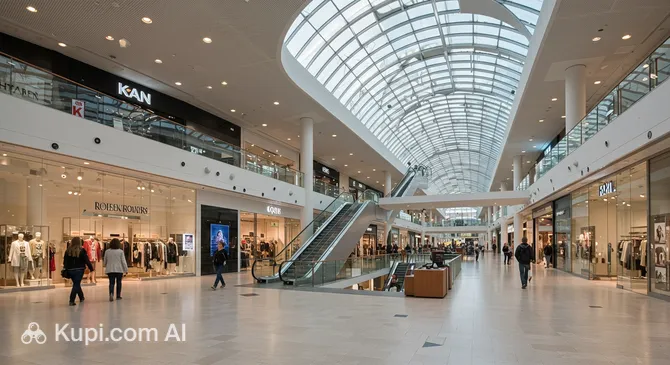
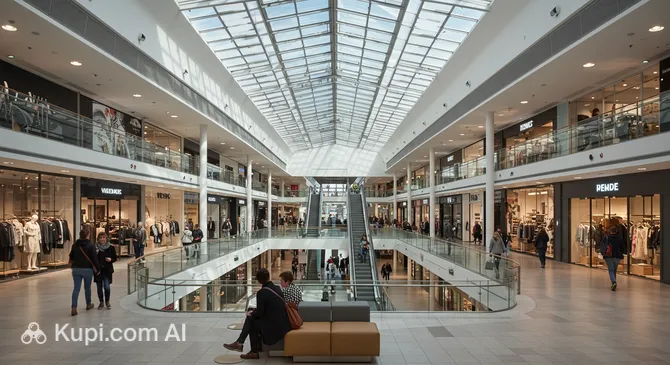
For those who prefer to shop under one roof, Kortrijk has several shopping centers. One of the most popular is K in Kortrijk, a modern complex with a wide selection of shops, cafes, and restaurants, located in the very heart of the city. Another large shopping center, Ring Kortrijk, is located on the outskirts of the city and offers a large range of goods, including a hypermarket and electronics stores.

K in Kortrijk. Illustration.
Source: Kupi.com AI

Traveler photos:

On Mondays and Saturdays, a traditional market takes place on the Grote Markt. Here you can buy fresh farm products, cheeses, cured meats, flowers, as well as clothing and various household goods. It’s an excellent place to feel the local flavor and pick up something delicious.

Ring Kortrijk. Illustration.
Source: Kupi.com AI

Traveler photos:

As souvenirs from Kortrijk, besides traditional Belgian chocolate and beer, it is worth looking at linen items – tablecloths, napkins, towels. You can also find interesting handmade ceramics and souvenirs depicting city landmarks, such as the Belfry of Kortrijk or the Broel Towers.

Shops in Kortrijk are usually open from Monday to Saturday, roughly from 10:00 AM to 6:00 PM or 7:00 PM. Large shopping centers may stay open longer. On Sundays, most shops are closed, except for some souvenir shops and grocery stores in tourist areas. Bank cards (Visa, Mastercard) are widely accepted everywhere, and you can also pay in cash.

Tourists from countries outside the European Union can take advantage of the Tax Free system to claim back VAT on purchases over a certain amount. To do this, you must ask for a special Tax Free check when purchasing at participating stores and present it along with the goods at customs when leaving the EU.

Nearby cities

Reached the end of the page?

That means the route is fully explored