Support

Central Urban Park

About

On the outskirts of La Paz, one of Bolivia's highest metropolises, lies an extraordinary natural formation—Central City Park. However, among travelers and locals, it is much better known by its poetic second name—Valle de la Luna, which translates to "Moon Valley." This name perfectly describes the park's surreal landscapes, which truly resemble an alien, lunar surface.
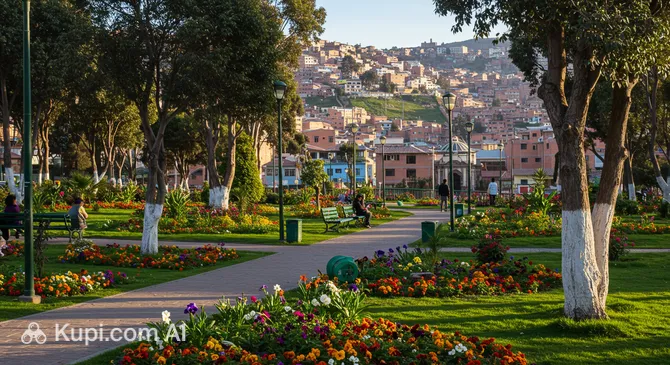
Central Urban Park. Illustration.
Source: Kupi.com AI

Traveller photos:

This unique landscape was formed over thousands of years as a result of erosion. Wind and water gradually wore away the soft clay and sandstone rocks, creating a labyrinth of jagged spires, unusual towers, and deep canyons. Walking through this place leaves an unforgettable impression, as if you have landed on another planet.

For the convenience and safety of visitors, special walking trails and observation decks have been set up throughout the park. These offer breathtaking views of the stone formations, which create a striking contrast with the surrounding high-altitude landscape of La Paz. A visit to Moon Valley is a great opportunity to see one of nature's most unusual creations and take some truly fantastic photographs.

Contacts

Since Central City Park is primarily a public space for recreation, it may not have a dedicated contact service. To get the most up-to-date information on opening hours, potential events, or visitor rules, it is best to contact the tourist information center in La Paz or consult with local guides and travel agencies.

How to contactContact
AddressLa Paz, Bolivia

What to Do

A visit to Central City Park in La Paz is an opportunity to immerse yourself in an almost otherworldly atmosphere. Its main attraction is the amazing geological formations that create a surreal, lunar landscape. For the convenience of visitors, there are special observation decks offering breathtaking panoramic views of the intricate terrain. This is an ideal spot for photographers and anyone who appreciates unusual natural landscapes.

For those who prefer active recreation, the park offers walking trails. These paths lead down the canyon directly to the river, allowing you to see the unique formations up close and from different angles. During such a walk, you can not only enjoy the unusual views but also catch a glimpse of local life—small private gardens tended by residents of the surrounding areas can be found along the way. This adds a special local flavor to the walk and allows you to better feel the atmosphere of this unique place.

For the more adventurous travelers, a visit to the park can serve as a starting point for further adventures. Extreme tours are organized from La Paz, including the famous bike ride down "Death Road" or a bus excursion to Chulumani, both promising unforgettable experiences and an adrenaline rush.

Getting There

You can reach Central City Park from the center of La Paz by public transport or taxi. The city's transport system is well-developed, making it easy for tourists to move between neighborhoods. The choice between a taxi and a bus depends on your budget and preferred level of comfort.

A key transport hub in the city is the Central Bus Station, designed by Gustave Eiffel. From here, you can find buses heading toward the park. It is also worth noting the Mi Teleférico cable car system, which is unique to La Paz. Not only is it an efficient way to connect different parts of the city, but it is also an attraction in its own right, offering stunning views of Bolivia's capital.

If you prefer not to plan your route yourself, you can use the services of local travel companies. La Paz offers many organized tours that often include a visit to this park and other iconic sites. This option saves time and provides more insight from a professional guide.

Nearest city: La Paz

History & Facts

While Central City Park itself is a relatively modern oasis of calm, its history is inextricably linked to the turbulent events that shaped La Paz. The city was founded on October 20, 1548, by the Spanish conquistador Alonso de Mendoza on the site of an ancient Inca settlement. The name given to it—Ciudad de Nuestra Señora de la Paz, which means "City of Our Lady of Peace"—was symbolic. The name La Paz itself translates to "peace" and was given to commemorate the restoration of peace after the suppression of indigenous uprisings.

The city's history is a chronicle of resilience and struggle. One of the most dramatic episodes was the siege of La Paz in 1781, when an Aymara army led by Túpac Katari held the city under siege for six months. These events left a deep mark on the culture and gave rise to many legends. One of them is associated with Ekeko, the god of abundance, in whose honor the famous Alasitas fair is held annually on January 24, attracting thousands of people.

Modern La Paz is a city of contrasts, where ancient traditions coexist with cutting-edge technology. A striking example of this is the Mi Teleférico cable car system launched in 2014. This network, which has become the largest urban cable car system in the world, not only solved the transport problems of this high-altitude metropolis but also became a unique attraction, offering a bird's-eye view of the city and its green zones, including Central Park.

Time Needed

To experience the unique landscapes of Moon Valley, it is recommended to set aside 2 to 3 hours. This is enough time to walk the main marked trails, admire the bizarre rock formations from the primary viewpoints, and take impressive photos of the otherworldly scenery. Such a walk will give you a good general impression of this amazing natural site.

If you want to explore the area more thoroughly and without rushing, you should plan for a half-day visit, which is about 4–5 hours. This will give you the opportunity to walk longer, more secluded paths, including a scenic descent to the river, and fully immerse yourself in the surreal atmosphere of this canyon. Such a leisurely exploration will make your trip to La Paz truly unforgettable.

Working Hours

Central City Park in La Paz, often called Moon Valley (Valle de la Luna), is generally open to visitors daily. Standard working hours are from 8:00 AM to 5:00 PM. The park is accessible year-round, allowing you to enjoy its otherworldly landscapes at any time. However, the schedule may change depending on the season or on national holidays, so it is recommended to check the latest information on the official website or at local tourist offices before your trip.

Usually, advance booking is not required for individual visits; tickets can be purchased directly at the entrance. The cost is approximately 15 bolivianos. If you are planning a visit as part of a large group or during the peak tourist season, it is worth contacting the park administration in advance to clarify details and avoid any potential inconvenience.

DayOpening hours
Monday8:00 – 19:00
Tuesday8:00 – 19:00
Wednesday8:00 – 19:00
Thursday8:00 – 19:00
Friday8:00 – 21:00
Saturday8:00 – 19:00
SundayClosed

Nearby

Visiting an iconic attraction like Central City Park is just the beginning of your journey through the city. To truly feel the atmosphere of La Paz, it is worth exploring the surrounding areas. Often, the most interesting discoveries—be it cozy cafes, unusual museums, or picturesque squares—await you just around the corner. A walk through the nearby streets will allow you to dive deeper into local life and see the city from a new, unexpected perspective.

There are many interesting places located within walking distance of the park. Below is a list of nearby attractions that can complement your walk.

NameDistance
Pipiripi Interactive Museum of Memory and Future0.2 km
San Martín Square0.5 km
Uyuni Square0.7 km
Diesel Nacional0.7 km
Las Torres Mall0.7 km
HB Bronze Coffeebar0.8 km
La Paz Botanical Garden0.9 km

Reached the bottom of the page?

Looks like you know this route inside out