Support

Luiz Gonzaga Center of Northeastern Traditions

About

In the heart of Rio de Janeiro, far from the famous beaches, lies a real island of a different Brazil — the Luiz Gonzaga Center for Northeastern Traditions. This unique cultural complex is dedicated to preserving and promoting the rich heritage of the country's northeastern region. The center is named after Luiz Gonzaga, the legendary musician known as the "King of Baião" and a symbol of Northeastern culture.
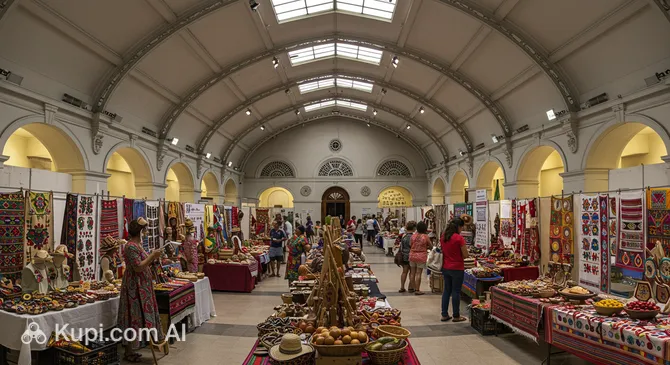
Luiz Gonzaga Center of Northeastern Traditions. Illustration.
Source: Kupi.com AI

Traveler photos:

Entering here, you are immersed in an atmosphere of eternal celebration. At the massive indoor fair, also known as Feira de São Cristóvão, you can hear the infectious rhythms of forró and xaxado, see traditional dances, taste authentic northeastern cuisine, and purchase unique handicrafts. This is a place where culture lives and breathes, offering guests the chance not just to observe, but to become part of the experience.

The Center for Northeastern Traditions is not just a tourist attraction, but an important site for the local community, especially for those from the northeastern states. Concerts, festivals, and fairs are regularly held here, attracting both locals and tourists wishing to experience the diversity of Brazilian culture. Visiting the center is an opportunity to take an exciting journey through Brazil without leaving Rio de Janeiro.

Contacts

To plan your visit, check current event schedules, and clarify information, it is recommended to consult official sources. Below are the primary contact details for the Luiz Gonzaga Center for Northeastern Traditions.

How to contactContact
AddressCampo de São Cristóvão - São Cristóvão, Rio de Janeiro - RJ, 20921-240, Brazil
Phone number+55 21 98860-3660
Websitewww.feiradesaocristovao.org.br

What to Do

A visit to the Center for Northeastern Traditions is a total immersion in a vibrant and boisterous festive atmosphere. The highlights here are music and dance. You can enjoy live performances by musicians playing on several stages and see energetic dance shows. Rhythms of forró, baião, and samba de roda fill the air, inviting everyone to join the fun. Festivals and theatrical performances reflecting the distinctiveness of Northeastern culture are held regularly, and for the boldest visitors, karaoke areas are scattered throughout the fair.

For foodies, the center will be a real discovery. Here you can try authentic dishes from northeastern Brazil, prepared in numerous restaurants and cafes. Be sure to order the famous moqueca — a fragrant seafood stew, or carne-de-sol (sun-dried meat). Other delicacies include acarajé (deep-fried bean balls with filling) and the exotic dish buchada de bode (goat offal stew). You can complement your meal with the traditional drink, cachaça.

The fair, where the center is located, has about 700 stalls and shops offering unique goods. It is an excellent place to buy souvenirs and gifts. In the craft stalls, you can find handmade items like woven hammocks and delicate lace. Traditional musical instruments, national costume elements, and various clothes, shoes, and drinks are also for sale. Strolling through the market rows is a fascinating activity in itself, allowing you to get to know the region's culture better.

Getting There

The Luiz Gonzaga Center for Northeastern Traditions is located in the northern part of Rio de Janeiro, and getting there is quite simple. For those who prefer public transport, there are several convenient options. You can take one of the many city buses that pass through the area or use the metro, getting off at the station nearest to the center.

If you value comfort or are traveling in a group, a taxi or a ride-sharing app is a good choice. The trip from the city center usually takes 20 to 30 minutes, though it is worth considering the impact of traffic on travel time. Parking areas are available in the vicinity for visitors arriving by private car.

Nearest city: Rio de Janeiro

History & Facts

The history of the Luiz Gonzaga Center for Northeastern Traditions is inextricably linked to the cultural and social processes of Brazil. It was founded to support people from the northeastern states who moved in large numbers to Rio de Janeiro in search of a better life and traditionally settled in the northern part of the city. The idea was to create a kind of "little homeland" for them, where they could preserve their unique customs, music, cuisine, and crafts.

The center is named after the legendary musician and composer Luiz Gonzaga (1912–1989), known as the "King of Baião." He was a key figure in introducing the rich culture of the Northeast to the entire country. His work, permeated with themes of life in the arid Sertão region, had a huge impact on the formation of a national identity and promoted cultural dialogue between different parts of Brazil. Thus, the center's name is a tribute to the man who made his region's music and traditions a national treasure.

Since its founding, the center has evolved into one of the city's most important cultural spaces. It has become not only a meeting place for the Northeastern diaspora but also a point of attraction for anyone interested in the ethnic and musical diversity of Brazil. Today, it regularly hosts educational programs, dance and craft workshops, and themed exhibitions that help preserve the region's rich heritage and introduce it to new audiences.

Time Needed

When planning a visit to the Center for Northeastern Traditions, it is worth setting aside enough time to immerse yourself in its unique atmosphere without rushing. For a full experience, including viewing exhibits, attending concerts, tasting local dishes, and participating in workshops, it is recommended to allow 2 to 4 hours. This is enough time to leisurely browse the numerous stalls, listen to live music, and appreciate the full variety of local cuisine.

The length of your visit can easily vary depending on the program and your personal interests. If you only want a quick look at the fair, which features about 700 stalls, and to buy souvenirs, an hour and a half to two hours might suffice. However, to truly feel the spirit of this place, you should plan for a longer stay. For example, if your visit coincides with a concert or one of the many festivals, time will fly by. A full dinner at one of the authentic restaurants will also add at least an hour to your stay.

Working Hours

The Center for Northeastern Traditions is open to guests year-round, but its opening hours vary significantly depending on the day of the week. From Tuesday to Thursday, the fair operates in daytime mode, usually from 10:00 to 18:00. However, the real fun begins on the weekend: from Friday to Sunday, the center moves into non-stop party mode, operating continuously from 10:00 Friday to 20:00 Sunday. Entry to the grounds is usually free from Tuesday to Thursday, while a small fee may be charged on weekends.

Advance booking for visiting the fair is usually not required. However, if you plan to see a performance by a popular artist or dine at one of the restaurants during peak times, it is worth checking the possibility of reserving seats in advance. Since the schedule of events and concerts can change, especially during holidays, it is highly recommended to check the latest information on the center's official website before your visit.

DayOpening hours
MondayClosed
Tuesday10:00 – 18:00
Wednesday10:00 – 18:00
Thursday10:00 – 18:00
Friday10:00 – 4:00
Saturday10:00 – 4:00
Sunday10:00 – 20:00

Nearby

A visit to the Center for Northeastern Traditions is just the beginning of discovering the multifaceted Rio de Janeiro. The São Cristóvão district where it is located, and its surroundings, are rich in interesting places that help deepen your understanding of the city's history and culture. Exploring nearby attractions will give you a more complete picture of the Brazilian capital of celebration, complementing the vibrant impressions of the fair with new discoveries.

Both world-famous and less touristy but equally charming sites are located in the immediate vicinity of the center. You can easily combine a visit to the fair with a walk through historical sites, a visit to sports arenas, or relaxation in modern entertainment complexes. Below is a list of nearby attractions.

NameDistance
Júlio Delamare Aquatics Centre1.8 km
Rio de Janeiro Aquarium2.9 km
Pedra do Sal3.6 km
Largo de São Francisco da Prainha3.7 km
Rio Scenarium3.9 km
Rio Art Museum3.9 km
Masonic Palace of Lavradio4.1 km

Have you reached the end of the page?

So the route has been studied inside and out