Support

Pedra do Sal

About

Pedra do Sal, which translates to "Salt Stone," is an iconic historic site in the heart of Rio de Janeiro. Located in the Saúde district, known as "Little Africa," this place was originally a quilombo—a settlement of escaped slaves. The massive stone slab that gave the area its name served in the past as a site where salt was unloaded from ships arriving in Brazil.
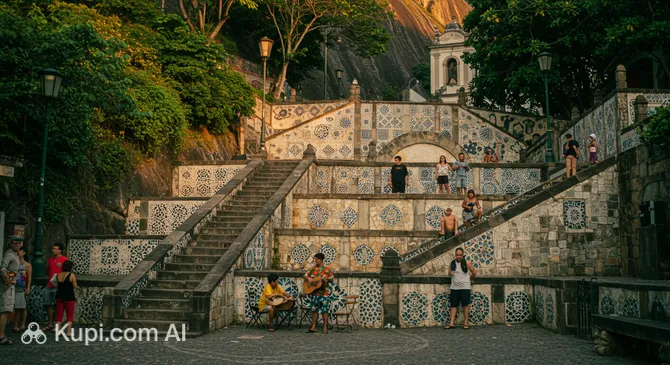
Pedra do Sal. Illustration.
Source: Kupi.com AI

Traveler photos:

Today, Pedra do Sal is known worldwide as the cradle of samba. It was here, on these stones, that the rhythms that became the symbol of Brazilian culture were born. It is a vital center of Afro-Brazilian heritage, where history comes alive every evening to the sounds of street musicians and spontaneous dancing. Visiting this place is not just a tour, but a true immersion into the city's authentic and vibrant atmosphere.

This site has held official cultural heritage status since 1984, highlighting its immense significance. Its historical value goes far beyond music—it is a living reminder of the struggles and triumphs of the African diaspora in Brazil. For travelers, Pedra do Sal offers a unique opportunity to touch living history and feel the real spirit of Rio.

Contacts

Pedra do Sal is an open public space and a historical and cultural heritage site of the city, so it does not have traditional contact details like a phone number or email. This location is open to visitors at any time.

The landmark is located at: Rua Argemiro Bulcão, Saúde district. You can get here by metro by taking it to Uruguaiana station, which is followed by a short walk. Numerous city buses also serve this area.

How to contactContact
AddressR. Tia Ciata - Saúde, Rio de Janeiro - RJ, 20081-040, Brazil

What to Do

Visiting Pedra do Sal is a unique opportunity to dive headfirst into rich Afro-Brazilian culture and history. The main reason locals and tourists flock here is, of course, samba. In the evenings, especially on Mondays and Fridays, the famous "rodas de samba" (samba circles) unfold—musical gatherings where professional and amateur musicians play infectious rhythms while everyone is welcome to join the dance. This isn't a concert but a living, breathing event that allows you to feel the genuine and vibrant spirit of Rio.

In addition to music, Pedra do Sal offers a deep dive into history and spiritual traditions. The site is considered a center for Candomblé religious practices brought to Brazil by enslaved Africans. In the past, an important Candomblé house was located here where famous priestesses gathered, making this a sacred place for followers of Afro-Brazilian faiths. Today, visitors can explore the historic corners of the district, see colorful houses, and learn about the influence of these traditions on the cultural life of the entire city.

Overall, spending time at Pedra do Sal is more than just sightseeing; it's active participation in cultural life. Here you can listen to live music, try street food and drinks, chat with locals, and feel the atmosphere of the place where samba was born. A walk through the historic surroundings, filled with street art and echoes of the past, will complete the experience and leave unforgettable memories of "Little Africa" in the heart of Rio de Janeiro.

Getting There

Pedra do Sal is located in the historic center of Rio de Janeiro, in the Saúde district, near the revitalized port area. Thanks to its central location, reaching this iconic landmark is quite easy from any part of the city. This spot is a popular attraction for both tourists and locals, so transport accessibility is excellent.

One of the most convenient ways to reach Pedra do Sal by public transport is to use the metro or the modern VLT light rail. The nearest metro stations are Presidente Vargas and Uruguaiana, both within a short walking distance. You can also take the VLT to the Parada dos Museus stop, which is located in the immediate vicinity. Additionally, many city bus routes pass through this area, making it accessible from various corners of Rio.

If you prefer comfort, you can always use taxi services or ride-sharing apps. A trip from popular tourist areas like Copacabana or Ipanema will take about 20–30 minutes, depending on traffic. For those staying in central areas such as Centro or Lapa, a walk to Pedra do Sal can be a great opportunity to get better acquainted with the city. The walking route allows you to see the colorful streets and historic architecture of this unique district.

Nearest city: Rio de Janeiro

History & Facts

The history of Pedra do Sal is inextricably linked to Brazil's colonial past and the development of the port economy in Rio de Janeiro. It all began in the 17th century when this rocky slope right by the sea was used for unloading salt and other goods. Around 1608, migrants from Bahia began moving here in large numbers, attracted by the proximity to the port and job opportunities. During that time, the first large docks and warehouses were actively built here, and a major slave market was located nearby, which left a deep mark on the subsequent history of this place.

By the beginning of the 19th century, specifically by 1817, the community of people from Bahia had grown so much that Pedra do Sal turned into an iconic cultural landmark for the city's Black population. This area, which came to be known as "Little Africa," became a center of Afro-Brazilian culture and a meeting place. The influence of the Bahian diaspora was so great that even city authorities attended local festivals and Candomblé temples, recognizing the community's cultural significance.

Over time, a unique tradition of social cohesion formed in the Pedra do Sal area, uniting the diverse population of the port zone. This place became more than just a spot on the map; it became a true symbol of heritage preservation and cultural expression. It was here, in an atmosphere of creativity and unity, that the rhythms of samba were born, later becoming the trademark of all Brazil. Thus, the former port hub, which witnessed hard labor and trade, transformed into the cradle of national music and a vital historical monument.

Time Needed

The time needed to visit Pedra do Sal depends greatly on what exactly you want to get out of the visit. If your goal is simply to see the historic site, take a few photos on the famous stone stairs, and feel the "Little Africa" atmosphere during the day, about an hour will be enough. This will allow for a leisurely stroll through the area to see the vibrant murals that tell the story of this place.

However, for a full immersion into the authentic atmosphere of Pedra do Sal, you should come here in the evening, especially on Monday or Friday. This is when the famous street parties with live samba ("rodas de samba") take place. The music usually starts around 8 PM and continues until midnight or even later. In this case, a visit can take anywhere from 2-3 hours to the whole night—it all depends on your desire to dance, socialize, and enjoy Rio's unique spirit. Many evening samba tours are designed to last about 2.5–4 hours.

Working Hours

Pedra do Sal is an open public space, not a museum or a venue with ticket offices, so it has no official opening hours. Access to this historic square is open 24/7 year-round, allowing travelers to visit at any convenient time. No tickets or advance bookings are required—admission is absolutely free for everyone.

While the site itself is always accessible, to experience its true magic, it is worth coming in the evening. Traditional street parties with live samba, known as "rodas de samba," usually take place on Mondays and Fridays. The music starts around 7:00 PM – 8:00 PM and doesn't stop until midnight. Since this is an informal event, the exact schedule can change, so it may be helpful to check with locals or tourist centers before your visit to ensure you catch this vibrant celebration of Brazilian culture.

Open 24 hours

Nearby

Visiting Pedra do Sal is just the beginning of an exciting journey through the historic heart of Rio de Janeiro. This district, known as "Little Africa," is located in the revitalized port area, which is itself a treasure trove of interesting sites. Exploring the surroundings will allow you to deeper understand the city's cultural and historical diversity, complementing your impressions of the cradle of samba.

Within walking distance of Pedra do Sal, you'll find futuristic museums, ancient libraries, and lively cultural centers. A walk through this district is a chance to see how Brazil's past and present intertwine, creating a unique and dynamic atmosphere. Below is a list of attractions located very close by.

NameDistance
Largo de São Francisco da Prainha0.1 km
Rio Art Museum0.4 km
Museum of Tomorrow0.7 km
Rio de Janeiro Aquarium0.9 km
Candelária Church0.9 km
Centro Cultural Banco do Brasil1 km
Rio Scenarium1.2 km

Have you reached the end of the page?

So the route has been studied inside and out