Support

Toledo

About

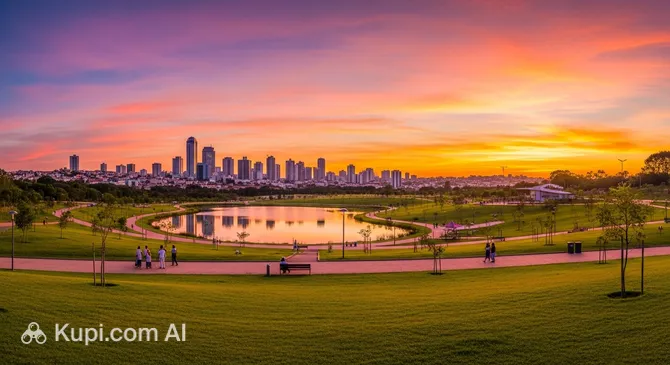
Toledo is a vibrant gem of the state of Paraná, nestled comfortably amidst green expanses and picturesque bodies of water in the south of the continent. This city offers travelers a chance to discover the real, authentic Brazil far from the hustle and bustle of overcrowded metropolises.

Toledo. Illustration.
Source: Kupi.com AI

With a population of about 119,000, Toledo harmoniously combines a measured provincial atmosphere with modern urban amenities. Thanks to its favorable geographical location and mild climate, the city has become an important economic hub for the region, famous for its fertile lands. Despite active development, Toledo's history is inextricably linked with a careful attitude toward nature, which is confirmed by its many well-kept parks and public spaces.

The main highlight of the city is its relaxed and welcoming atmosphere. The infrastructure here is well-developed, from cozy cafes and restaurants to comfortable hotels. Tourists can enjoy leisurely strolls along the waterfronts, visit local eco-parks, or study the unique architecture of the central squares. This place is ideal for both family vacations and gastronomic discoveries.

Toledo is an excellent choice for those who value comfort, safety, and the opportunity to immerse themselves in the authentic traditions of the region. Come here to feel the hospitality of the locals and enjoy the harmony of nature and urban life.

Weather Overview

The climate in this region favors travel almost year-round, offering a variety of experiences depending on the season. Toledo is characterized by warm summers followed by mild and drier winters.

The hottest period lasts from December to March. During this time, the average temperature is about 25°C, and during the day, the thermometer often rises to 29–30°C. However, be prepared for precipitation: January is traditionally the wettest month, when it can rain for up to 19 days.

The winter months (June, July, and August) bring a pleasant coolness. Daytime temperatures remain comfortable — an average of 18–19°C, but nights become fresher, with lows around 13–14°C. July is considered the driest month, with a minimum number of rainy days (only about 5).

To choose the perfect time for a visit, it is useful to find out in advance what weather in Toledo is expected on the dates of your trip. In general, expect warm summers with periodic rains and cool, predominantly dry winters.

Average monthly temperature

Average monthly precipitation

Interesting Facts

Beyond its main attractions, Toledo holds many fascinating secrets that reveal the city from a new, unexpected side. Here are a few facts proving that this place is not just a point on the map, but a living organism with its own unique character.
  • An oasis in the city center. The Municipal Lake (Lago Municipal De Toledo) is not just a body of water, but a true symbol of ecological balance. It serves as home to many birds, making it an ideal location for birdwatching right within the city limits, and the adjacent park has become a favorite spot for local residents' picnics.

  • The cathedral as a cultural center. The majestic Cristo Rei cathedral stands out not only for its bold modern design but also for its functionality. This space goes beyond religion: concerts and art exhibitions are regularly held here, bringing citizens and tourists together in an atmosphere of creativity.

  • Caring for rare species. In the Diva Paim Barth Ecological Park (Parque Ecológico Diva Paim Barth), you can encounter rare animals in their natural environment. This green corner serves as the main venue for the city's ecological festivals and educational programs, highlighting Toledo's status as a "green" city.

  • A city of inspiration. Despite its relative youth, Toledo has already established itself as a cradle of talent. The city has become the birthplace of many artists and musicians, and its streets and galleries constantly come to life thanks to festivals dedicated to art and national traditions.

How to Get There

When planning a trip to this cozy corner of the state of Paraná, it is important to think through the logistics in advance, as there may not be direct flights to the city itself. However, the region's well-developed transport network allows you to travel here comfortably through neighboring major hubs. We recommend studying more about how to get to Toledo to choose the optimal route.

The most convenient option for arrival is Cascavel Airport (CAC). It is important to note that it is located not in Toledo itself, but in the neighboring city of Cascavel, at a distance of only 39.2 km. This is a regional hub that accepts domestic flights. The journey from the terminal to the center of Toledo by taxi or bus will take approximately 1 hour and 20 minutes.

If you are flying from afar or looking for more flight options, you should consider Cataratas International Airport (IGU). This is a large international airport located in the tourist center of Foz do Iguaçu, about 123 km from Toledo. Due to the high passenger traffic, many flights arrive here. The road from this airport to your destination will take about 3.5 hours, but the picturesque views of the state will brighten the trip.

For clarity, here is a summary of the main airports located in relative proximity to the city:

AirportPassenger trafficDistance
Cascavel Airport408 00039 km
Cataratas International Airport2.1 mln123 km
Cataratas del Iguazu International Airport1.6 mln134 km
Alejo Garcia Airport41 512138 km
Regional de Maringá820 000223 km

Since the rail network in this region is practically not used for passenger transport, buses and cars remain the main ground transport. From the arrival airports, you can reach Toledo by comfortable intercity buses or a rented car. Roads in the state of Paraná are generally in good condition, making a car trip a pleasant part of the vacation.

Main Attractions

Although Toledo is often perceived as a business and agricultural center, this city can surprise tourists with its cozy green zones and cultural sites. Modern architecture and a careful attitude toward nature are harmoniously intertwined here, creating excellent conditions for informative walks.

The heart of the city's social life is rightfully considered Diva Paim Barth Ecological Park (Parque Ecológico Diva Paim Barth). This is Toledo's main landmark, where both locals and tourists love to relax. In the center of the park is a picturesque lake surrounded by walking paths, sports fields, and picnic areas. It is an ideal place to enjoy the sunset, watch birds, or simply relax in the shade of the trees after a busy day.

Within the same park, there is a unique attraction — the Dr. Romolo Martinelli Municipal Aquarium. This place is especially interesting for those who want to get acquainted with the underwater world of the region. The aquariums feature a rich collection of freshwater fish living in the basins of the Paraná, Iguaçu, and Amazon rivers. Here you can see impressive inhabitants such as large catfish, stingrays, and golden dorado, making the visit exciting for both children and adults.

Architecture lovers should pay attention to the majestic Cathedral of Christ the King (Catedral Cristo Rei). This temple stands out for its unusual modern design, which differs markedly from the traditional colonial churches of Brazil. Its upward-reaching lines and impressive stained-glass windows create a special atmosphere of solemnity and peace. The cathedral is not only a spiritual center but also an important architectural dominant of the cityscape.

For those interested in the past of this region, the Willy Barth Historical Museum opens its doors. The museum's exhibition carefully preserves the memory of the first settlers and the stages of the region's colonization. It contains old photographs, documents, household items, and tools that tell the story of the transformation of wild lands into a prosperous city. This is an excellent opportunity to gain a deeper understanding of the culture and traditions of the local residents.

Local Cuisine

The gastronomic scene in Toledo is a true kaleidoscope of flavors, where the traditions of the Brazilian south intertwine with international influences. The city is famous for its diversity: here you can find cozy family establishments with home-cooked food as well as restaurants offering Italian pasta or American burgers. However, the main feature of the local cuisine remains the use of the freshest products grown on the fertile lands of the state of Paraná.

Fish dishes hold a special place on the menu. Thanks to the abundance of local reservoirs, the fish here is always fresh and incredibly tasty. The city's signature dish is considered to be fried fish with a crispy crust, which is often served in large portions for the whole family. If you want to try the definitive version of this dish, locals will surely recommend the restaurant Peixe Frito Pantanal, known for its traditions in preparing river fish.

For a quick snack or a light lunch, empadas are ideal — popular mini-pies with a wide variety of fillings: from chicken and cheese to palmito (heart of palm). This gastronomic hit can be found literally on every corner. And sweet lovers should pay attention to churros, which are generously drizzled with thick chocolate or gooey caramel here, turning a simple dessert into a real treat.

Food culture in Toledo is not limited to restaurants. Be sure to visit the farmers' markets, where a festive atmosphere prevails. Here you can not only buy local cheeses and exotic fruits but also try natural freshly squeezed juices, which are perfectly refreshing on a hot day. Among alcoholic drinks, cold beer is popular in the region, perfectly complementing fried snacks, as is the traditional Brazilian caipirinha.

Toledo is a city that loves to celebrate. Gastronomic festivals often take place here, gathering the best chefs and gourmets from all around. This is a great opportunity to immerse yourself in the atmosphere of Brazilian hospitality, participate in culinary masterclasses, and discover new facets of taste in the company of friendly locals.

Travel Tips

A trip to Toledo promises to be comfortable and memorable, as this city in the state of Paraná is distinguished by a high standard of living and organization. To ensure your holiday goes as smoothly as possible, we have prepared a list of practical recommendations to help you quickly adapt to local characteristics and avoid common mistakes.

  1. Clothing and Climate. Given the region's warm climate, opt for light clothing made from natural fabrics, especially during the summer period (December to March). However, the weather can be changeable: be sure to bring a raincoat or a compact umbrella, as downpours are not uncommon here. A light jacket or sweater will be useful for evening walks in winter. If you plan to visit temples, such as the Cathedral of Christ the King, follow the dress code: shoulders and knees should be covered.

  2. Transport. The city is quite compact, but for convenience, it is better to use taxi apps (Uber or 99), which work stably here and are inexpensive. Public buses run on schedule, but understanding the routes without knowing the language can be difficult. Renting a car makes sense if you want to freely explore the surroundings and natural parks of the region.

  3. Finances and Payment. The official currency is the Brazilian real. Bank cards (Visa, Mastercard) are accepted almost everywhere, including most restaurants and supermarkets. However, it is recommended to have a small amount of cash for paying at street fairs or in small kiosks. A 10% tip is often already included in the bill as a "taxa de serviço," but leaving change for good service is always welcome.

  4. Health and Safety. Toledo is considered one of the safer cities in Brazil, but you should not lose your vigilance: do not leave your things unattended and avoid deserted streets at night. Pharmacies (Farmácia) are common, and pharmacists can help with selecting medications for minor ailments. Drinking tap water is not recommended — buy bottled water.

  5. Communication and Connection. English is not very common here, so download an offline translator for Portuguese. Locals are very responsive and will try to help even if they don't understand the words. For constant connection, it is better to purchase a local SIM card (operators Vivo, TIM, or Claro) at an official service center, for which you will need a passport.

  6. Local Etiquette. Brazilians are open and tactile people. Greetings are often accompanied by a handshake or even a light hug, and women may exchange kisses on the cheek. The universal gesture of approval and gratitude is a thumbs-up. Don't hesitate to smile and say hello when entering small shops or elevators — politeness is highly valued here.

  7. What to Avoid. Be careful with gestures: the "OK" sign (a ring made of the thumb and forefinger) popular in many countries is considered offensive and rude here. Also, try not to raise your voice in public places — locals usually speak emotionally but not aggressively loudly.

  8. Gourmet Tip. Be sure to try tereré — a cold drink based on yerba mate, which is very popular in this region. Locals often drink it in parks from a shared vessel through a special straw. If you are offered some, don't refuse; it's a sign of trust and friendship.

Toledo is a city that opens up to those ready to embrace its measured rhythm and the sincere hospitality of its residents. By following these simple tips, you will be able to feel confident in any situation and focus on the main thing — enjoying your acquaintance with this wonderful corner of the country.

Entertainment & Nightlife

The nightlife in Toledo can be a pleasant surprise for travelers. Thanks to its status as a university city, there is a young and energetic atmosphere that brings the streets to life after sunset. Unlike noisy metropolises, entertainment here is more intimate but no less fun, offering great opportunities for socializing and relaxation.

The epicenter of evening activity is traditionally the area around Diva Paim Barth Ecological Park (Parque Ecológico Diva Paim Barth). With the onset of twilight, the lake's waterfront fills with people: locals come here for runs, families stroll, and young people gather in groups. Most bars, pubs, and snack bars are concentrated near the park and in the city center (Centro), where you can start the evening with "happy hours."

The city's music scene is diverse, but sertanejo (Brazilian country) and rock hold a special place. If you are looking for a place to dance and listen to live performances by popular bands, you should check out Empório Santa Maria. This is one of the most famous venues in the region, combining the formats of a concert venue, bar, and nightclub. Large-scale parties and performances by famous Brazilian artists often take place here.

For connoisseurs of rock music and the atmosphere of a classic pub, Abbey Road Pub is an excellent choice. The interior is permeated with the spirit of British rock, and the menu offers a wide selection of beers and excellent snacks. This place is ideal for those who prefer quality music and friendly communication without unnecessary pretension. The dress code in most establishments is relaxed: casual style will be appropriate almost everywhere.

In addition to bars, Toledo also has a developed cultural component of leisure. The Toledo Municipal Theater (Teatro Municipal de Toledo) is the second largest in the state of Paraná. In the evening, you can attend theatrical productions, dance shows, or symphonic music concerts here. For those who prefer a more relaxed vacation, it is worth visiting the Shopping Panambi mall, which houses a modern cinema and a food court.

As for practical aspects, night walks in the central areas and near the lake are considered safe; however, as elsewhere, you should remain vigilant. For moving between venues or returning to your hotel late at night, it is recommended to use taxis or apps (Uber, 99). Prices for entertainment and drinks in Toledo are noticeably lower than in major state capitals, making a holiday here affordable and pleasant.

Parks & Museums

Toledo is often called the "ecological capital" of the region, and this title is well-deserved. The city is harmoniously integrated into the natural landscape, offering travelers many well-kept green zones that neighbor cultural centers preserving the rich heritage of the early settlers.

Luiz Cláudio Hoffmann Park, also known as the "People's Park" (Parque do Povo), is a modern space that is definitely worth visiting for its unique landscaping solutions. Unlike the busy central park, an atmosphere of contemplation prevails here. The main attraction is the "Cherry Blossom Garden" (Jardim das Cerejeiras), created in honor of Japanese immigrants. Tourists are also drawn to the stylized glass pyramid and well-kept alleys reminiscent of European gardens, making this place ideal for photoshoots.

Another important green zone is Pioneers Park (Parque dos Pioneiros). This place is steeped in history, as it was here that the city's development began. The park offers excellent conditions for active recreation: there is an artificial lake, cycling paths, and walking trails. This is an excellent alternative for those who want to enjoy nature in a calmer setting, away from the main tourist routes.

To get to know the city's cultural code, it's worth visiting the House of Culture (Casa da Cultura). This is the creative heart of Toledo, where exhibitions by local painters, photographers, and sculptors are regularly held. The building itself is an important center of social life, housing an art school and exhibition halls. Here you can see works reflecting a modern take on the traditions of the region.

While the Willy Barth Historical Museum is the main repository of the region's memory, the building of the Municipal Theater also presents architectural interest. Its massive forms and modern design symbolize the city's cultural growth. The theater is the second largest in the state, and even if you don't plan to attend a performance, it's worth seeing its foyer, where temporary exhibitions are often displayed.

Insider Tip: If you happen to be in Toledo in July or August, be sure to head to Luiz Cláudio Hoffmann Park. At this time, the cherry trees bloom, painting the garden in delicate pink tones — a sight that briefly transports visitors to the atmosphere of Japan in the middle of the Brazilian south.

Getting Around

The public transport system in Toledo is simple, compact, and intuitive, which is characteristic of medium-sized Brazilian cities. There is no metro, trams, or trolleybuses; the main and only type of municipal transport is buses. The route network is designed quite efficiently: it connects residential areas, university campuses, and industrial zones with the city center.

The heart of the transport system is the Urban Terminal (Terminal Urbano), located in the center. This is the main transfer hub through which most routes pass. The system is organized so that inside the terminal you can change from one bus to another without paying the fare again, provided you do not leave the turnstile area. Buses usually run from early morning (around 06:00) until late evening (23:00–00:00); however, on weekends and holidays, service intervals can increase significantly.

Paying the fare is easy for tourists. While local residents use rechargeable transport cards, visitors to the city can pay for their trip in cash directly upon entering the bus. Payment is made to the conductor or driver (on less busy routes). The fare is fixed, but it is strongly recommended to have small bills and coins with you, as the staff may not have change for large banknotes.

For travelers who do not speak Portuguese, the most convenient alternative to buses is taxi and ride-sharing services. The popular apps Uber and 99 work actively and stably in Toledo. Trips on them are relatively inexpensive, cars arrive quickly, and the app eliminates the need to explain the destination to the driver. Classic taxis are also available at specialized stands (ponto de táxi), but rates there are usually higher.

For planning trips around the city, it is recommended to use the Google Maps or Moovit apps, which accurately display bus stops and transport arrival times. In addition, the central part of Toledo and the areas around the lakes are conducive to walking thanks to the flat terrain and good sidewalks, so it is often more pleasant to walk for short distances.

Accommodation

The hotel sector in Toledo is primarily oriented toward business tourism and family vacations, offering travelers comfortable conditions at reasonable prices. You won't find the massive resort complexes characteristic of the coast here; however, the city has an excellent selection of modern mid-range hotels, cozy guesthouses, and functional apartments suitable for both a short business trip and a long visit.

When choosing a place to stay, you should pay attention to the two main areas most popular among guests of the city. Centro (Downtown) is an ideal choice for those who value mobility and proximity to urban infrastructure. Staying here, you will be within walking distance of shops, banks, restaurants, and the main architectural landmark — the Cathedral of Christ the King. This is the most convenient location for tourists without personal transport.

For those looking for a more peaceful and picturesque atmosphere, the area around the Municipal Lake (Lago Municipal) and Diva Paim Barth Park is a great fit. Hotels in this part of the city often offer rooms with beautiful views of the water and greenery. This is a prestigious and safe area where you can go for morning runs and enjoy dinner in one of the many waterfront establishments in the evenings.

The price range for accommodation in Toledo can be described as moderate. The cost of living here is generally lower than in major tourist centers of Brazil, such as Foz do Iguaçu or Curitiba. Most hotels offer breakfast and Wi-Fi included in the room rate. Booking is easy to do through popular international online platforms, which guarantees price transparency and the availability of reviews.

Although there are usually no problems with availability, we recommend booking accommodation in advance if your trip coincides with major events. During agricultural exhibitions or traditional festivals such as Oktoberfest, the demand for rooms increases sharply, and the best options can be quickly sold out.

Nearby Cities

For those who want to explore the surroundings, Toledo serves as an excellent starting point for day trips to several interesting nearby locations:

Just a half-hour drive away is the large regional center of Cascavel. This is a dynamic city with wide avenues and developed infrastructure, often called the "capital of western Paraná." Tourists here will be interested in the Municipal Zoo, located in a vast green area and open for free visits, as well as the Paulo Gorski Ecological Park, where you can see capybaras in their natural habitat. Cascavel also offers excellent opportunities for shopping and gastronomic tourism.

Fans of cultural flair should head to Marechal Cândido Rondon. This cozy town is known for its distinct German heritage. Half-timbered architecture, traditional bakeries, and the locals' love for festivals create an atmosphere of a small Europe here. The city also serves as a gateway to Lake Itaipu, where water sports and fishing are popular. This is an ideal place to learn about the traditions of the immigrants who shaped the region's character.

Slightly further away is the city of Medianeira, which attracts fans of ecotourism and quiet relaxation. Surrounded by fertile lands and natural beauty, it offers the chance to escape the urban bustle and get acquainted with the rural lifestyle of the state of Paraná. Its proximity to Iguaçu National Park makes it a convenient stop for those planning to continue their journey to the famous waterfalls.

CityPopulationDistance
Cascavel286 20537 km
Marechal Candido Rondon46 81937 km
Corbelia16 31246 km
Ceu Azul11 03248 km
Palotina28 68350 km

These nearby destinations provide an insight into the diverse culture and landscapes of the region, making your journey through the state of Paraná even more rich and memorable.

Shopping & Souvenirs

General Overview: Shopping in Toledo is a calm and pleasant activity, devoid of the bustle of metropolises. While the city does not claim to be a fashion capital, its commercial infrastructure is well-developed, covering all travelers' needs. Toledo, as an agro-industrial center, is famous for high-quality local products, textiles, and handicrafts. It is an ideal place to purchase authentic products from the state of Paraná at very affordable prices.

Main Shopping Areas: The heart of trade beats in the Centro (Downtown) area. The main commercial arteries can be considered the surroundings of Avenida Maripá and Rua Almirante Barroso. Many shops for clothing, shoes, accessories, and cosmetics are concentrated here. A walk through the center is convenient because most shops are within walking distance of each other, and storefronts sit next to cozy cafes where you can take a break.

Shopping Centers: The main point of attraction for lovers of comfortable shopping is Shopping Panambi. This is a small but modern shopping center that serves not only as a place for purchases but also as a leisure center for local residents. Here you will find boutiques of famous Brazilian brands, electronics stores, a food court, and a cinema. This is an excellent option if you want to shop in air-conditioned coolness or are looking for entertainment on a rainy day.

Markets: To feel the true taste of the region, be sure to visit the Feira do Pequeno Produtor (Small Producer's Fair). These markets operate in different parts of the city according to a schedule (usually in the mornings on certain days of the week). Here farmers sell the freshest fruits, homemade cheeses, salami, honey, and pastries. This is the best place for gastronomic shopping, where you can taste products before buying and chat with friendly vendors.

Souvenirs: From a trip to Toledo, it is worth bringing back items that reflect the gaucho culture and the traditions of southern Brazil. * Mate/Tereré sets: Calebas (cuia), metal straws (bomba), and high-quality yerba mate make an excellent and useful gift. * Leather goods: The region is famous for high-quality locally produced shoes, belts, and wallets. * Craft products: Pay attention to local jams, wines, and craft beers produced in the city's surroundings.

Hours of Operation and Payment: Street shops are usually open Monday to Friday from 09:00 to 18:00, and on Saturday until 12:00 or 13:00 (this is an important detail for weekend planning). Shopping Panambi stays open longer, usually until 22:00, including weekends. Credit and debit cards (Visa, Mastercard) are accepted almost everywhere, even in small kiosks. Cash may only be needed at street markets.

Tax Free: The tax refund system (Tax Free) for tourists in Brazil is practically non-existent and is not available in regular retail stores in Toledo. The prices indicated on price tags are final, so you should not count on a VAT refund when leaving the country.
Reached the end of the page?

That means the route is fully explored