Support

Kribi

About

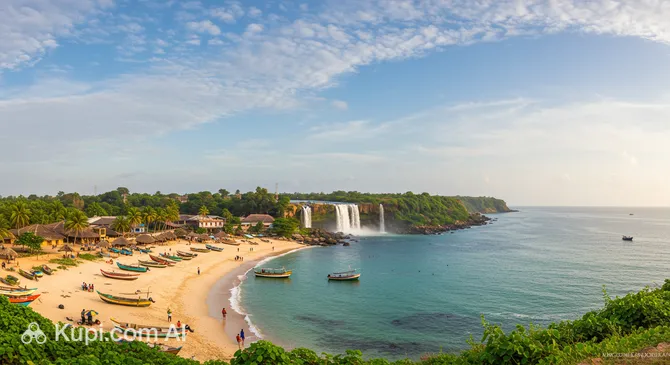
Kribi is a true tropical paradise, nestled comfortably on the coast of the Gulf of Guinea in the Atlantic Ocean. This picturesque resort town in the south of Cameroon is famous for its unique location: where endless golden sand beaches meet dense equatorial forests. Located approximately 270 kilometers from the capital, Yaoundé, Kribi offers travelers an ideal combination of relaxed seaside recreation and exciting adventures in the heart of the wild.

Kribi. Illustration.
Source: Kupi.com AI

Despite the city's population being around 60,000 people, it maintains a cozy and friendly atmosphere unusual for bustling metropolises. Kribi is home to representatives of various ethnic groups, which gives the local culture a special flavor. Curious tourists will be interested in the history of Kribi, which tells the story of the city's development as an important port and economic center of the region. Today, it is often called the "pearl of Central Africa" and is considered the country's best seaside resort.

Kribi attracts guests not only with its warm climate and temperatures around +28°C year-round but also with its attractions. The famous Lobe Waterfalls deserve special attention, as they are unique for cascading directly into the ocean, along with local restaurants where you can taste the freshest seafood. If you are looking for a place for leisurely walks, beautiful sunsets, and peaceful relaxation to the sound of the surf, this city will certainly not disappoint you.

Weather Overview

The climate in Kribi is a classic example of equatorial weather: it is always warm here, and temperature fluctuations throughout the year are minimal. Thanks to its proximity to the ocean and dense vegetation, the city maintains high humidity, but the sea breeze helps make the heat more bearable.

The average air temperature stays consistently within a comfortable range of +25°C to +27°C. The warmest months are traditionally February and March, when daytime figures can reach +29°C. The period from July to September can be called the "cool" season, when the average temperature drops to +25°C. Expect consistently warm weather year-round, but be prepared for frequent precipitation: rainy days are recorded between 25 and 31 times per month.

Despite the high number of days with precipitation, rains are often short-lived tropical downpours that are quickly replaced by sun. To choose the best dates for a beach holiday and walks to the waterfalls, we recommend checking in advance what weather in Kribi is expected during your visit.

Average monthly temperature

Average monthly precipitation

Interesting Facts

Beyond its main attractions and beach holidays, Kribi holds many fascinating secrets and historical details. This city can surprise travelers with unique natural phenomena and the living heritage of past eras.

  • A rare global phenomenon: The Lobe Waterfalls are famous not only for their beauty but also for a unique geological feature. It is one of the few places in the world where fresh river water cascades directly into the salty ocean. Locals revere the waterfalls as a sacred site, believing that water spirits dwell there, and perform ancient rituals at their base.

  • Traces of the German era: At the end of the 19th century, Kribi was an important center of German trade and the economic heart of the southern region. A symbol of that time remains the famous Kribi Lighthouse. Built during the colonial period, it still serves as a reliable landmark for ships and is a favorite historical monument for tourist walks.

  • Guardians of traditions in Londji: In the city's outskirts lies the colorful fishing village of Londji, where the way of life has remained virtually unchanged for centuries. Century-old customs are still honored here, and every bountiful catch turns into a community celebration. Guests are welcomed warmly, often invited to taste the freshest fish right on the shore, prepared according to ancient recipes.

How to Get There

When planning a trip to Cameroon's Atlantic coast, it is important to consider logistics, as there is no direct air service to the resort itself. Most often, tourists fly into the country's major cities and then continue their journey by land. You can find out more about how to get to Kribi by choosing the most convenient route through the region's main transport hubs.

The most convenient option for most travelers is Douala International Airport (IATA: DLA). It is located not in Kribi, but in the country's economic capital—Douala, which is about 120 km to the north. This is Cameroon's largest international airport, receiving many flights from Europe and Africa. The journey from the airport to the beaches of Kribi by taxi or intercity bus usually takes about 3–3.5 hours, depending on traffic.

The second popular method is to use the capital's air gates. Yaoundé Nsimalen Airport (IATA: NSI) is located in the city of Yaoundé, at a distance of about 202 km from Kribi. This option is often chosen by those who want to combine a beach holiday with a visit to the capital. The drive from here will be longer and take approximately 5–5.5 hours, but the road passes through the picturesque landscapes of the South Region.

For convenience, here is a summary of the main airports:

AirportPassenger trafficDistance
Bata Airport253 678115 km
Douala Airport1.5 mln120 km
Malabo Airport237 376161 km
Mongomeyen8 500186 km
Nsimalen Airport500 000202 km

There is currently no direct rail link to the city of Kribi, so trains are not used as a primary way to reach the resort. The main transport artery is the road network. Comfortable buses from various transport companies depart regularly from Douala and Yaoundé. Renting a car with a driver or using a shared taxi ("bush taxi") is also popular, allowing you to reach the destination faster and with more comfort.

Main Attractions

The main natural gem of the region is undoubtedly the Lobe Waterfalls. This is a unique site where the river's wide cascades noisily crash directly into the salty waters of the Atlantic Ocean—a phenomenon found in only a few places on Earth. Tourists come here not only for spectacular photos: local boatmen offer pirogue rides to the very foot of the falls to feel the power of the elements. Additionally, right on the beach, you can try freshly caught shrimp prepared in small cafes overlooking the falling water.

The architectural symbol of the city is the famous Kribi Lighthouse. This elegant red-and-white tower, built at the beginning of the 20th century, is located near the mouth of the Kienké River. The lighthouse is still active and is a popular spot for walks. After climbing to the top, travelers can enjoy a panoramic view of the vast ocean and the city coastline dotted with coconut palms. It is an ideal location for watching the sunset and learning about the colonial history of the coast.

For those seeking solitude and space, Grand Batanga is a must-see. This historical area and its namesake beach are located a few kilometers from the city center. Grand Batanga is famous for its special atmosphere of tranquility, golden sand, and a museum detailing the culture of local peoples. There are fewer tourists here than on the city beaches, allowing for total relaxation to the sound of the surf and the rustle of palm branches.

Adventure and ethnography enthusiasts should take an excursion up the Lobe River. Traveling in traditional canoes through dense mangroves and equatorial forests provides a feeling of total immersion in the wild. Often, these routes include visits to the settlements of the Bagyeli Pygmies, where you can learn about the traditional lifestyle of the forest dwellers, discover the secrets of local medicine, and see a way of life hidden deep within the jungle.

Local Cuisine

Kribi's local cuisine is a true paradise for foodies and, specifically, for seafood lovers. Thanks to its coastal location, the menu is based on the freshest seafood delivered to shore by fishermen from morning to evening. The main gastronomic pride of the resort is the famous Kribi shrimp. They are often served baked with coconut and aromatic spices right in beach cafes, where the meal is accompanied by the sound of the ocean surf. Additionally, you can always find excellently prepared lobsters, oysters, and various sea fish in the restaurants.

To dive deeper into the culinary traditions of Cameroon, you should definitely try the national dishes. One of the most famous is ndolé—a thick spicy stew made from bitterleaf (vernonia), simmered with peanut paste and pieces of fish or shrimp. Meat lovers will enjoy brochettes—flavorful fish or meat skewers cooked over an open fire, which are sold everywhere.

Street food and markets play an important role in the city's gastronomic life. During walks, you can snack on fried plantains, try tapioca dishes, or refresh yourself with juicy tropical fruits such as mango and coconut. Popular drinks include freshly squeezed juices, local beer—which perfectly quenches thirst in the heat—and traditional palm wine, which is worth trying for an exotic experience.

The food culture in Kribi is characterized by special warmth and accessibility. Locals and tourists often dine in small family restaurants where the hostesses cook according to old recipes and are always happy to chat with guests. Food here is a real celebration: the city regularly hosts seafood fairs and gastronomic festivals where you can not only enjoy delicacies but also learn how to cook them under the guidance of local chefs.

Travel Tips

Welcome to sunny Kribi! To ensure your trip to the "Cameroon Riviera," as the picturesque coast of Cameroon is often called, is as comfortable and safe as possible and leaves only pleasant memories, we have prepared a list of important practical recommendations.

  1. Clothing and Gear: Given the hot and humid equatorial climate, opt for loose clothing made of natural fabrics such as cotton or linen. Be sure to bring swimwear, a hat, and sunglasses. For excursions to waterfalls or walks in the jungle, you will need comfortable shoes with non-slip soles. Don't forget to pack a light raincoat and a universal power adapter (types C and E are common here).
  2. Transport: There is no developed bus system in the city. The most popular and fastest way to get around is moto-taxis, which locals call "benskins." It is cheap and cheerful but requires some getting used to. For long-distance trips, transfers with luggage, or better safety, it is better to use a classic yellow taxi (always negotiate the price in advance) or rent a car with a driver for the day.
  3. Finances: The official currency is the Central African Franc (XAF). Bank cards are accepted only in a few large hotels, so cash is vital. Try to always have small bills for paying taxis and street food, as change may not be available. Currency exchange (Euros or Dollars) is most reliably done at banks in the city center.
  4. Health and Hygiene: Observe basic tropical precautions. Drink only bottled water and avoid drinks with ice in questionable places. Be sure to use repellents (especially in the evening) to protect against mosquitoes and apply sunscreen with a high SPF. There are pharmacies in the city, but it's better to bring specific medications with you.
  5. Communication: The French language dominates in the Kribi region. English is not understood everywhere, so knowing basic polite phrases ("Bonjour", "Merci") will significantly facilitate communication and win over local residents. For connectivity, we recommend buying a local SIM card from MTN or Orange—mobile internet here is often more stable than hotel Wi-Fi.
  6. Local Etiquette: Cameroonians value politeness highly. Any conversation, whether buying a souvenir or asking a passerby a question, should begin with a greeting. If you want to photograph locals, always ask permission first. Many may refuse or ask for a small fee—treat this with understanding.
  7. What to Avoid: It is strictly forbidden to photograph military installations, police stations, government buildings, and people in uniform—this can lead to serious trouble with the police and confiscation of equipment. It is also not recommended to walk alone in unlit and deserted sections of the beach late at night.
  8. Gastronomic Life Hack: If you want to try the freshest seafood at the best price, head to the fish market at the pier (Débarcadère) early in the morning when the boats return. After buying fresh shrimp or fish, you can ask to have them prepared at any nearby beach restaurant for a small fee—it will be tastier and cheaper than ordering from the menu.

By following these simple tips, you can avoid minor troubles and fully immerse yourself in the relaxed atmosphere of a tropical holiday. Kribi awaits you with open arms and is ready to give you unforgettable impressions!

Entertainment & Nightlife

Nightlife in Kribi is a vibrant reflection of Cameroonian culture: loud, musical, and incredibly hospitable. You are unlikely to find pretentious, exclusive world-class parties here, but you can fully immerse yourself in the atmosphere of a real African "ambiance." Evening leisure in this resort town is closely intertwined with gastronomy: most parties begin with a leisurely dinner of fresh seafood and smoothly transition into dancing until dawn.

The epicenter of evening activity is rightfully considered the Débarcadère area. This is a waterfront near the fish market that transforms into a huge outdoor restaurant and lounge zone after dark. Hundreds of plastic tables are set out, the air fills with the aroma of grilled fish and shrimp, and loud music blares from the speakers of numerous bars. It is the best place to start the evening, watching the ocean and enjoying local beer in the company of locals and tourists.

If you are looking for a more club-like atmosphere and dancing, head to the city center or check out the venues at major hotels. "Snack bars"—a hybrid of a cafe and a disco where you can both eat and dance—are popular in Kribi. The musical repertoire usually consists of an energetic mix of international hits and local rhythms like makossa, bikutsi, and afrobeats. The dress code in most places is very casual: "smart casual" (neat everyday clothes) will be appropriate everywhere, from beach bars to nightclubs.

Practical tips for night outings:

  • Time and prices: Bar life comes alive after 9:00 PM, and clubs fill up closer to midnight. Drink prices are quite affordable; entry to some discos may be paid, but the cost is nominal.
  • Transport: Public transport does not run at night. The most reliable way to get to your hotel is an official yellow taxi. Moto-taxis (benskins) operate 24/7, but riding them after dark may be less safe.
  • Safety: The city center and the Débarcadère area are considered safe for tourists; however, avoid walking alone on unlit streets and remote sections of the beach late at night.

During the day, entertainment in Kribi is more relaxed. After a wild night, tourists usually rest on the beaches or take leisurely walks through the city. History buffs will enjoy viewing the historic Kribi Cathedral, built in colonial style, or browsing local markets for ebony souvenirs and bright African fabrics. Although there are no major amusement parks here, the city's atmosphere itself encourages hedonism and peaceful contemplation.

Parks & Museums

Kribi is a unique place where the boundaries between the urban environment, wild nature, and history are practically blurred. In this resort corner of Cameroon, you won't find the usual European parks with paved paths or massive museum complexes. The main "green belt" here consists of equatorial forests and the ocean coast, while the streets with old colonial architecture serve as an open-air museum.

If you are looking for complete union with wild nature, be sure to plan a trip to Campo Ma'an National Park. Although it is some distance south of the city, it is the region's main natural attraction. The park is a vast expanse of untouched tropical jungle, home to elephants, gorillas, mandrills, and leopards. It is an ideal spot for ecotourism, allowing you to see the real biodiversity of Central Africa in its natural habitat.

Within the city limits, the roles of main recreational zones are played not by squares, but by picturesque coastal strips like Tara Beach and the area around the Lobe River. Here you can not only sunbathe but also have a picnic in the shade of coconut palms or walk along the mangroves. These natural zones are the heart of social life: people play football, hold family celebrations, and enjoy the sea breeze that offers relief from the midday heat.

The city's cultural heritage is concentrated in its architecture and religious buildings. One of the key historical landmarks is St. Joseph's Cathedral (Cathédrale Saint-Joseph de Kribi). Built in colonial style, this majestic church with its bright facade and peaceful atmosphere serves not only as a place of prayer but also as a monument to the era of early evangelization in the region. Its architecture contrasts vividly with the tropical greenery, creating excellent opportunities for photography.

History buffs will find it interesting to explore the Administrative Center, where buildings from the German colonial period have been preserved. The former governor's residence, the old hospital, and the courthouse—these buildings from the late 19th and early 20th centuries hold the memory of the days when Kribi was an important trading outpost. Although many of them are not museums in the literal sense and perform administrative functions, their appearance allows you to touch the city's past.

Of particular interest is the historical area of Grand Batanga, located a few kilometers from the center. It is essentially an open-air museum of the Batanga people. This is the place where, according to legend, the first missionaries landed, and commemorative monuments have been erected. This place is steeped in the spirit of ancestors, and it is here that the region's main cultural festivals are held annually, showcasing traditional boats and costumes.

Insider Tip: For a unique cultural experience that replaces a trip to any ethnographic museum, try to arrange a visit to one of the Bagyeli Pygmy communities in the surrounding forests. This is not a staged show, but an opportunity to see the real life of the forest's indigenous people, learn about their hunting methods and the collection of medicinal herbs, which will leave a much more vivid impression than looking at exhibits behind glass.

Getting Around

The public transport system in Kribi differs significantly from what residents of major metropolises are used to. Here you won't find a metro, trams, or a strict schedule for municipal buses. The city is quite compact, and its transport network is built on informal but effective ways of moving around that allow you to get anywhere in the resort quickly and cheaply.

The most popular and ubiquitous form of transport is the moto-taxi, which locals call "benskins." These are the true kings of Kribi's roads. Motorcycle drivers can navigate where a car might get stuck and will deliver you right to the doorstep of your hotel or beach. To catch a benskin, just wave your hand from the roadside. It is an ideal option for short trips around the city, but it requires a bit of skill and a readiness for a ride "with the breeze."

A more comfortable alternative is the classic yellow taxi. In Kribi, they operate in two modes. The first is "Ramassage" (collective taxi): the driver picks up passengers along the way if they are heading in the same direction. This is very cheap, but you will have to squeeze in. The second mode is "Dépôt" (or "Course"): you rent the entire car for a trip to a specific place, like a regular taxi. This option is more expensive but guarantees comfort and the absence of fellow travelers.

The payment system in the city is extremely simple and conservative: cash only. There are no transport cards, validators, or mobile apps for paying fares here. The official currency is the CFA franc. It is critically important to have small bills and coins with you, as drivers often do not have change for large banknotes. The cost of a ride on a moto-taxi or in a shared taxi around the city is fixed at unofficial tariff levels, but prices may be inflated for foreigners, so knowing the approximate rates is a plus.

Practical tips for tourists:

  • Agree on the price in advance: Before getting on a motorcycle or in a taxi (especially in "Dépôt" mode), clearly state the cost of the trip with the driver. This will save you from unpleasant disputes at the end of the journey.
  • Safety: If you choose a moto-taxi, try to pick drivers who have a helmet for the passenger, although this is rare. Hold on tight and avoid riding motorcycles with large amounts of luggage.
  • Operating Hours: Benskins operate almost 24/7, but there are fewer of them at night, and rates increase. Yellow taxis are also active all day, but catching a car on the street after sunset can be harder—it's better to book one through your hotel reception or get a reliable driver's phone number in advance.

Usual car-sharing services or taxi aggregators (like Uber) do not exist in Kribi. If you plan to travel a lot, for example, to visit the Lobe Waterfalls or distant beaches, the best solution would be renting a car with a driver for the whole day. This can be arranged through your hotel or local travel agencies. Renting a car without a driver is possible but less popular due to the specifics of local traffic and the condition of some roads.

To move between the city center and the nearest beaches, many tourists prefer walking. Distances here are small, and a walk along the ocean under the shade of palm trees can be a pleasant part of the holiday. However, for trips to neighboring villages or natural attractions, you cannot do without transport.

Accommodation

The choice of accommodation in Kribi is quite diverse and capable of satisfying the needs of many different travelers. The city offers a wide range of accommodation options: from inexpensive guesthouses and mid-range city hotels to luxurious beach resorts and cozy eco-lodges hidden in the shade of palm trees. The level of service in top establishments meets international standards, while the budget segment offers a simple but hospitable atmosphere.

When choosing a place to stay, it is important to consider the city's geography. The most prestigious and sought-after area is the southern coast, especially the zone toward the Lobe Waterfalls. This is where the best resort hotels with private beaches, swimming pools, and ocean views are located. It is the ideal choice for those who come for relaxation and the sea breeze. If you are looking for more economical options or want to be closer to the nightlife, shops, and banks, you should consider the city center. Accommodation here is humbler, but prices are significantly lower, and the beach can be quickly reached by moto-taxi.

For those who value seclusion and nature, the Londji area north of the center is an excellent option. Here you can find colorful bungalows and eco-hotels that offer full immersion in the tropical atmosphere, far from the city bustle.

Booking tip: Kribi is a favorite holiday destination not only for foreign tourists but also for residents of major Cameroonian cities who come here for the weekend. Therefore, if your trip falls on a weekend or public holiday, we strongly recommend booking your accommodation in advance (at least 1–2 weeks), as the best rooms are quickly taken.

The price range varies from budget (small rooms in guesthouses) to high (suites in resort complexes). Large hotels are often featured on international booking platforms where you can pay by card. However, booking small guesthouses or bungalows often requires direct contact with the owners and payment in cash on-site. Clarify payment methods in advance to avoid misunderstandings upon arrival.

Nearby Cities

For those who want to explore the surroundings, Kribi serves as an excellent starting point for day trips to several interesting nearby locations. While the city itself is conducive to peaceful relaxation, neighboring regions offer a change of scenery and an introduction to the rhythm of life in major Cameroonian metropolises and other natural wonders.

Just a couple of hours away is Douala—the economic capital and the country's largest city. A trip here will be a real contrast to the relaxed atmosphere of Kribi. Douala is bursting with energy: here you can visit the Maritime Museum, see colonial architecture like the Palace of the Kings Bell, and go shopping in the lively markets. This is a great option for those who want to feel the pulse of modern urban Africa.

Another interesting destination is the coastal city of Limbe. It is known for its unique black volcanic sand beaches, which differ significantly from Kribi's golden coastline. It also houses the famous Limbe Wildlife Centre, which rescues primates, and an ancient Botanical Garden founded during the German colonial period. Limbe offers a unique combination of history, ecotourism, and volcanic landscapes at the foot of Mount Cameroon.

A bit further inland is the political capital, Yaoundé. The city is spread over seven hills and attracts tourists with the National Museum of Cameroon, located in the former presidential palace. Although the journey takes longer, a visit to the capital allows for a deeper dive into the history and culture of the nation.

CityPopulationDistance
Edea122 30098 km
Bata250 770121 km
Eseka79 500124 km
Douala5 768 400124 km
Santiago de Baney29 366139 km

These nearby destinations provide insight into the diverse culture and landscapes of the region.

Shopping & Souvenirs

General Overview

Shopping in Kribi is an immersion into the atmosphere of real Africa, devoid of the bustle of huge shopping malls. You won't find high-fashion boutiques or giant malls here; instead, the city offers a unique shopping experience in colorful markets and small shops. Kribi is primarily famous for its gastronomic riches: the freshest seafood and exotic fruits, as well as products from local craftsmen that make excellent mementos of the trip.

Main Shopping Areas

The commercial life of the city is concentrated mainly in its center and along the main paved roads. Walking through the central streets, you will encounter many small shops, pharmacies, and kiosks where you can buy everything you need: from beach accessories to SIM cards. Lively trade also takes place in the port and waterfront area, where tourists often buy souvenirs and food.

Shopping Centers

For those who prefer a familiar European shopping format, several supermarkets operate in the city. The most famous among tourists is Casino. It offers a wide range of imported products, cheeses, wines, and essential goods. It is one of the few places in the city where you can find familiar Western brands and shop comfortably in an air-conditioned environment.

Markets

The city's main shopping attraction is the famous Fish Market (Débarcadère). A visit to this place is a mandatory part of any tourist's itinerary. It's best to come in the morning or toward evening when the fishermen return with their catch. Here you can buy giant shrimp, lobsters, sea bass, and barracuda directly from the boats. The atmosphere is lively and noisy, and prices are significantly lower than in restaurants.

It's also worth checking out the Central Market. This is a classic bazaar selling juicy tropical fruits (mangoes, pineapples, papayas), vegetables, spices, and bright fabrics. A riot of colors and scents reigns here, and it's where you can feel the real rhythm of the townspeople's lives.

Souvenirs

From a trip to Cameroon, it is worth bringing back products from local masters, who are famous for their woodcarving skills. Look for figurines, masks, and interior items made of ebony—this is a traditional and valuable souvenir. Bright wax-print fabrics (ankara) are also popular and can be used to have custom clothing made. As a gastronomic gift, tourists often buy fragrant local pepper or dried shrimp.

Opening Hours and Payment

Most shops and market stalls open early, around 8:00 AM, and work until 6:00 PM–7:00 PM. Supermarkets may stay open a bit longer, until 8:00 PM. Sunday is often a short working day or a day off for many private shops.

Regarding payment, cash rules in Kribi. Bank cards are only accepted in large supermarkets and some expensive hotels. There are no terminals in markets and souvenir shops, so always carry a sufficient supply of small local currency bills. Bargaining is appropriate and even encouraged in markets and when buying souvenirs, but in shops with price tags, the cost is fixed.

Tax Free

The Tax Free system for tourists is not developed in Kribi. Processing such procedures in local shops is unavailable, so you should not count on a VAT refund upon leaving the country for purchases made at the resort.
Reached the end of the page?

That means the route is fully explored