Support

Canadian Aviation Museum

About

History and aviation enthusiasts should definitely visit the Canadian Aviation Museum, a unique non-profit organization located in the city of Windsor. This place is a true portal to the past, where legendary aircraft that played a key role in the development of aviation in Canada are carefully preserved and restored.

The museum is based in the historic Hangar No. 7, which was built back in 1940. The building itself is a monument of the era, as it once served as a training ground for pilots under the massive British Commonwealth Air Training Plan. Today, giants of the past and rare examples of flight technology coexist under its roof, creating the unique atmosphere of the golden age of aviation.
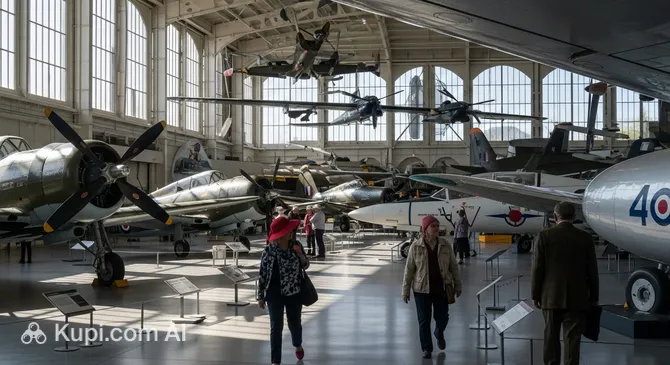
Canadian Aviation Museum. Source: Kupi.com AI

The pride of the collection includes legends like the Lancaster FM212 bomber and the Mosquito KB161 fighter. These machines, along with vintage biplanes and training aircraft, are maintained in excellent condition by dedicated volunteers. A visit here is not just a walk through the halls, but an opportunity to touch the living history of the Canadian skies.

Contacts

For those planning a visit to this unique site, it's useful to have up-to-date contact information on hand. The museum's staff and volunteers are always ready to answer visitors' questions by phone or through official communication channels.

Address 2600 Airport Road, Windsor, ON N8V 1A1, Canada
Phone +1 519-966-9742
Website canadianaviationmuseum.ca
Rating 4.8 out of 5 based on visitor reviews

What to Do

The main reason people come to the museum is the opportunity to get up close and personal with the "steel birds" of the past. Visitors can do more than just look at the planes; they can actually board some of the historic aircraft. This offers a rare chance to feel what it was like inside a mid-20th-century cockpit, study the instrument panel designs, and appreciate the power of the aviation engines of that era.

The museum’s special atmosphere is enhanced by the fact that restoration work is carried out right in front of the public. You can watch experienced volunteer craftsmen restoring fuselage panels or the mechanisms of rare machines. If you're lucky, guides will take you on a tour filled with fascinating stories about the pilots' lives and the technical secrets of famous fighters and bombers.

For those seeking a deeper experience, the museum offers interactive displays and flight simulators. And for the most devoted aviation fans, there is the opportunity to become a member of the organization and even book an "Honor Flight" on one of the vintage aircraft, such as a Harvard or de Havilland Chipmunk, to see the world through the eyes of mid-last-century pilots.

Getting There

Getting to this aviation treasure trove is easy, as it is located at 2600 Airport Road, on the western side of the Windsor International Airport grounds. The airport itself serves as a landmark — the museum is situated just south of Airport Road, making it an easily recognizable destination for travelers.

For those who prefer to travel by private car or rental vehicle, free parking is available on the museum grounds. The drive from the city center takes very little time: simply follow the signs for the airport and then turn onto the corresponding street.

If you don't plan on driving, taxis or ride-sharing services from the city center are convenient options. Public transport in this area is limited, so a car or taxi is considered the most reliable and fastest way to reach the gates of the historic hangar.

History & Facts

The history of this place is inextricably linked to the events of the mid-20th century. Hangar No. 7, which houses the collection today, was built in 1940. It served as the base for No. 7 Elementary Flying Training School as part of the large-scale British Commonwealth Air Training Plan. Surprisingly, the building, originally intended to last only seven years, has survived to this day thanks to its sturdy construction using Douglas fir brought in from British Columbia.

Over the years, more than 2,200 pilots from all over the world were trained here. The significance of this training center is further highlighted by the fact that, at one point, the base was commanded by the legendary Canadian World War I ace, Billy Bishop. After the war, the hangar did not remain empty: in the 1950s, it was used by Air Canada, and it later became the home of a local flying club.

The modern chapter of its history began in 1993 when the building was acquired by the museum. Since then, the organization's main mission has been to preserve the country's aviation heritage. The fact that the museum is run by enthusiastic volunteers gives it a special atmosphere of intergenerational continuity and a sincere love for the sky.

Time Needed

To leisurely explore all the aircraft, study the engine details, and read the information boards, the average visitor is recommended to set aside 2 to 3 hours. This is usually enough time to not only see the exhibits but also chat with the volunteers, who often share unique details about the restoration process.

If you are a true aviation enthusiast planning to study every bolt of the historical machines or take advantage of the opportunity for a commemorative flight (if scheduled for the day), your visit could easily last half a day. Given the passion of the guides, their stories might hold your attention much longer than originally planned.

Working Hours

The museum's schedule is seasonal, so we highly recommend checking the official website for the most up-to-date information before your trip. The hangar doors are typically closed on Mondays and Sundays.

During the winter period (September to May), the collection is open to visitors on Tuesdays, Thursdays, and Saturdays from 10:00 AM to 3:00 PM. In the summer months (May to September), the museum expands its schedule and is open from Tuesday to Saturday during the same hours — from 10:00 AM to 3:00 PM. Plan to arrive in the first half of the day so you have time to see all the highlights.

Nearby

A visit to the aviation museum can easily be combined with exploring other interesting places in the vicinity. Since Windsor is right on the border, travelers have access to both Canadian historical sites and the attractions of neighboring Detroit, located just across the river.

Exploring nearby parks, historical settlements, and cultural centers will provide a more complete picture of the rich heritage of this border region. Below are the most noteworthy sites located nearby:

Name Type Distance (km)
Mariners' Church Attraction 9.3
The Spirit of Detroit Monument 9.4
JoJo's Shake Bar - Detroit Cafe/Bar 10.6
Slows Bar BQ Restaurant 11.5
The Whitney Historic Building 12.3
Thunderbowl Lanes Entertainment 19.1
Fort Malden National Historic Site Historic Site 21.5
Amherstburg Navy Yard National Historic Site of Canada Historic Site 22
Sportway of Brownstown Entertainment 24.8
Zap Zone Entertainment 25.1

Reached the end of the page?

That means the route is fully explored