Support

Regional Museum of Rancagua

About

The Rancagua Regional Museum is a key cultural and historical center of Rancagua, located in the heart of the O'Higgins region in Chile. The museum is a unique repository of rich heritage, housing archaeological finds, ethnographic collections, and colonial-era artifacts under one roof.
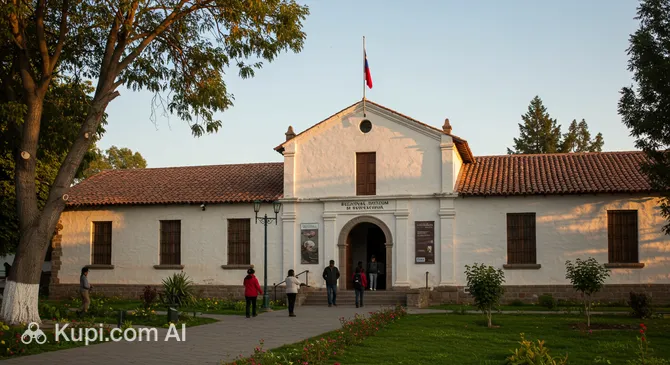
Regional Museum of Rancagua
Regional Museum of Rancagua. Иллюстрация. Источник: Kupi.com AI

The museum building itself is an attraction: it harmoniously combines elements of traditional Chilean architecture with modern exhibition spaces. Here, you can trace the region's history from the time of the indigenous Picunche people to the rapid economic development associated with the legendary El Teniente copper mine.

Thanks to its high ratings and popularity among visitors, this place has become a symbol of Rancagua's cultural identity. Collections of minerals, traditional crafts, and rare historical documents make the museum a must-see for those who want to truly connect with the spirit of central Chile.

Contacts

For more information about special exhibitions or group visits, you can contact the museum administration directly. Below are the current contact details for the Rancagua Regional Museum.

How to contactContact
AddressEstado 685, 2840944 Rancagua, O'Higgins, Chile
Phone+56 72 256 5600
Websitewww.museorancagua.cl

What to Do

Visiting the museum is an opportunity to take a complete journey through time. You can examine archaeological artifacts from the pre-Columbian period in detail, as well as exquisite household items from the colonial era: from massive antique furniture to rare examples of clothing and tools used by locals centuries ago.

The exhibition dedicated to the copper industry is of particular interest. It features detailed models and equipment from the El Teniente mine, one of the largest underground deposits in the world. For families with children, there are interactive zones with multimedia installations that allow you to touch history through play and virtual reconstructions of historical events.

After touring the halls, be sure to take a walk through the courtyard. This quiet garden serves as a place for relaxation, and on weekends it often hosts folk music concerts or handicraft fairs. The museum's souvenir shop offers unique copper and textile items created by local artisans.

Getting There

The museum is located in the heart of the historical center at Estado 685. It is an easy walk from the city's main square, Plaza de los Héroes. If you are traveling from Santiago, an intercity bus (TurBus or Pullman) takes about 1–2 hours; transport departs regularly from the Santiago terminal.

For those who prefer the railway, a convenient option is the train to Rancagua station. From the station, you can reach the museum on foot in about 10–15 minutes or take a taxi for just a few minutes. Local buses 1, 2, and 10 also run within the city, stopping at the Estado / Gerónimo Neven intersection, right next to the entrance.

Parking is available in the surrounding blocks for those driving, while fans of eco-friendly transport can use the city's bike paths. Thanks to its central location, a visit to the museum fits perfectly into any walking route through the city's main streets.

Ближайший город: Rancagua

History & Facts

The history of this site began in 1885 with the private collection of a local enthusiast, but the museum officially opened its doors in its current building in 1943. This event was timed to coincide with a landmark date—the 200th anniversary of the founding of the city, which in the 18th century was named Villa Santa Cruz de Triana by Spanish Governor José Antonio Manso de Velasco.

The museum is named after the national hero Bernardo O'Higgins, highlighting its mission to preserve the memory of the country's struggle for independence. The museum building itself is a magnificent example of colonial architecture, with characteristic tiled roofs and open galleries that allow you to feel the spirit of a bygone era while walking between the halls.

The museum's collections reflect the region's complex development: from the ancient artifacts of the indigenous Picunche people to the city's transformation into an industrial hub thanks to the copper industry. Today, the Rancagua Regional Museum is recognized as a national treasure and is considered the most important guardian of the cultural identity of the central part of the country.

Time Needed

To leisurely explore all the permanent displays and temporary exhibitions, a typical visitor will need approximately 2–3 hours. This is plenty of time to get acquainted with the archaeological finds, colonial interiors, and the hall dedicated to the history of mining.

If you plan to study archival documents in detail, use the audio guide services, or simply want to relax longer in the inner courtyard, we recommend setting aside about 4 hours for your visit. The museum is quite compact, but the density of exhibits encourages stopping at every display case.

Working Hours

The museum welcomes guests throughout the work week, however, please note that it is closed on Mondays and Sundays. Plan your visit according to the official schedule:

Tuesday – Thursday: 10:00 – 17:45
Friday: 10:00 – 16:45
Saturday: 10:00 – 13:45
Monday and Sunday: Closed

DayWorking hours
ПонедельникЗакрыто
Вторник10:00 – 17:45
Среда10:00 – 17:45
Четверг10:00 – 17:45
Пятница10:00 – 16:45
Суббота10:00 – 13:45
ВоскресеньеЗакрыто

Nearby

Exploring the surroundings of the Rancagua Regional Museum will help you gain a more complete picture of the city's cultural landscape. Within walking distance are many historical mansions and picturesque squares that retain the charm of the colonial past.

A stroll through the nearby neighborhoods will allow you to see unique murals and old estates, turning a simple museum visit into a full historical excursion. Below is a list of interesting nearby locations:

NameDistance
Rancagua Cultural Center0.2 km
Magari0.2 km
Don Teo Restobar0.2 km
Rancagua Cathedral0.3 km
Tara Rancagua, Tapas & Bar0.5 km
Open Plaza Rancagua0.6 km
The Bar Twins0.8 km

Reached the end of the page?

That means the route is fully explored