Support

Flamingo

About

Playa Flamingo is a true gem of the northwest coast, nestled in the sunny province of Guanacaste. This resort town is rightfully considered one of the most picturesque and prestigious locations in Costa Rica. Its hallmark is a magnificent beach with dazzling white sand that gently slopes into the crystal-clear waters of the Pacific Ocean.

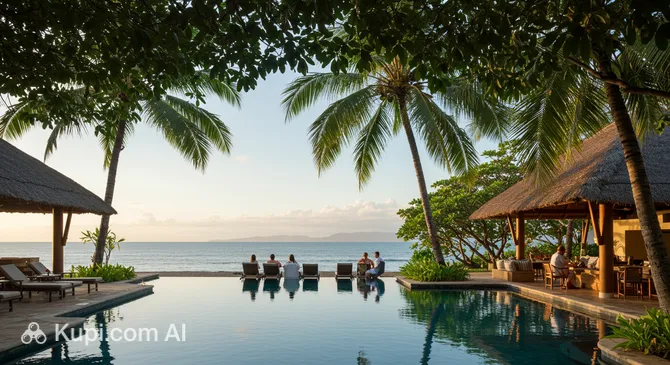
Flamingo. Illustration.
Source: Kupi.com AI

There is no noisy city bustle here; instead, an atmosphere of coziness and respectability prevails. Flamingo attracts travelers with its developed infrastructure: from comfortable hotels and villas on green hills to cozy restaurants overlooking the coast. Although the modern appearance of the village is shaped by luxury tourism, the history of Flamingo is inextricably linked to the sea—this place has long been a favorite for fans of boat trips and world-class sport fishing.

Guests come to the resort for a unique combination of natural beauty and high levels of comfort. Days can be spent exploring picturesque rocky bays or diving, while evenings are dedicated to contemplating the famous sunsets, which become a true spectacle of nature. Flamingo is a must-visit for everyone who dreams of a high-quality, relaxed vacation accompanied by the sound of the ocean breeze.

Weather Overview

The climate in Flamingo is typical for the tropical coast of Costa Rica: it is hot and humid, with minimal temperature fluctuations throughout the year. The average air temperature stays steadily at +26...+28°C. During the day, the air often warms up to +30...+31°C, especially in March and April, and nightly minimums rarely drop below +24°C, ensuring warm and comfortable evenings.

The year is clearly divided into two periods. The dry season lasts from January to March, when there is practically no precipitation (0 mm), and the number of rainy days is minimal. With the arrival of May, the wet season begins, peaking in September and October, when it can rain for up to 28 days a month. Current weather in Flamingo will help you choose the ideal time for your visit, whether for a sunny beach holiday or to enjoy the lush nature of the "green season."

Expect consistent heat year-round: dry and sunny months at the beginning of the year give way to a wet season from May to November, when frequent tropical showers are combined with high temperatures.

Average monthly temperature

Average monthly precipitation

Interesting Facts

Beyond its main attractions, Flamingo holds many fascinating secrets that reveal themselves only to the most curious travelers. This town is full of surprising stories hidden behind its luxurious facade.

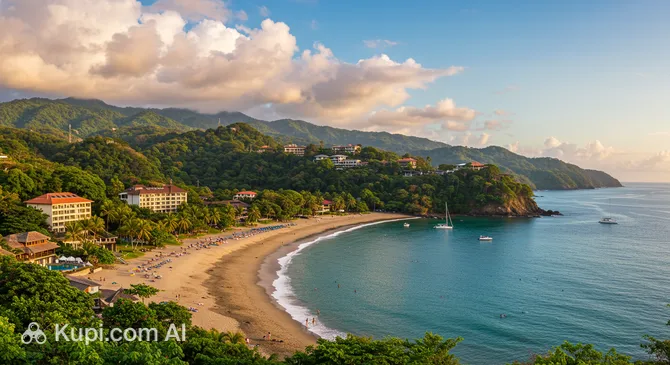
Playa Flamingo. Illustration.
Source: Kupi.com AI

Traveler photos:

  • Unexpected Origin of the Name: Contrary to popular belief, the resort's name is not connected to the presence of pink birds. The town was named after the Flamingo Hotel—the very first hotel built on this coast in the 1950s, which marked the beginning of tourism development in the region.

  • Legends of Treasure: Local residents share stories of "lucky finds" on the coast. It is said that after heavy storms, the ocean sometimes washes up not only rare collectible shells onto Playa Flamingo but also pieces of amber, though finding them is considered a stroke of great luck.

  • Star-Studded Retreat: This corner of Costa Rica has long been favored by world celebrities seeking privacy. It is known that Hollywood stars have vacationed here over the years, and the legendary actress Elizabeth Taylor even owned a home in the Flamingo area.

  • "Village" Atmosphere: Despite its status as an elite resort with expensive villas and yachts, Flamingo maintains a surprising small-town seaside atmosphere. There are no high-rise buildings blocking the horizon, and at the local market, you can easily encounter both long-time residents and famous travelers chatting like old friends.

How to Get There

When planning a trip to the Pacific coast of Costa Rica, it is important to think through the logistics in advance. Flamingo is located in the province of Guanacaste, and the most convenient way to get here is by flying into one of the nearest airports and then using a ground transfer. You can find out more details on how to get to Flamingo to choose the optimal route for your vacation.

The most popular and convenient hub for international tourists is Liberia Airport (IATA: LIR), also known as Daniel Oduber Quirós International Airport. It is important to note that it is located approximately 32 km from Flamingo in the city of Liberia. This is a large, modern hub receiving many flights from the USA and Europe. The journey from the terminal to the beach by taxi or rental car takes about 1 hour and 10 minutes.

For domestic flights or travel from other parts of the country, you might consider Nosara Beach Airport (IATA: NOB). It is located in the town of Nosara, about 52 km from the resort. This is a small regional airfield serving light aircraft. The trip from there to Flamingo by car takes approximately 1 hour and 40 minutes, though road conditions in rural areas should be taken into account.

For clarity, here is a summary of the main airports:

Railway communication is not developed in this region of Costa Rica, so trains are not used for trips to the beach resorts of Guanacaste. The main alternative to flying is comfortable tourist shuttles (minibuses) or car rentals. The roads leading to Flamingo are mostly paved and in good condition, making a road trip a pleasant way to enjoy the country's scenic views.

Main Attractions

Although Flamingo is a small resort village, it boasts several iconic spots that shape its unique atmosphere and attract travelers from around the world. The main points of interest are connected to the magnificent coastal nature and the high-quality relaxation offered by this elite corner of Guanacaste.

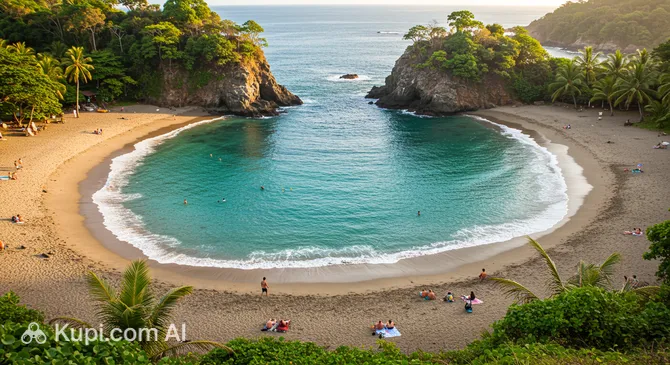
The undisputed heart of the resort is Playa Flamingo. This beach, with its white sand—a rarity for the country's Pacific coast—is considered one of the most picturesque in Costa Rica. It is ideal for those seeking tranquility: there are no noisy crowds, and the ocean waves are often gentle enough for comfortable swimming. The beach is surrounded by mangroves and hills that offer breathtaking views of the bay, especially during sunset hours.

Playa Flamingo. Illustration.
Source: Kupi.com AI

Traveler photos:

For lovers of comfortable leisure and entertainment, the Dunama Hotel and Casino is of great interest. This place attracts not only residents but also resort guests wishing to try their luck or spend an evening in a lively setting. Located directly opposite the beach, the complex combines the relaxed atmosphere of a tropical vacation with the opportunity to dive into an exciting nightlife, making it a prominent spot on the town's entertainment map.

Another major landmark on the coast is the Playa Flamingo Beach Resort. This large-scale resort complex has long been a symbol of hospitality in the region. Tourists come here not only for accommodation but also to enjoy the well-maintained grounds, swimming pools, and spa services. The complex is harmoniously integrated into the landscape and serves as an excellent landmark for walks along the coastline.

A gastronomic attraction of the village is certainly Surf Box. This establishment has gone beyond being just a restaurant to become a cult meeting place for expats and tourists. A special community atmosphere reigns here, where plans for the day and the best surfing spots are discussed over a cup of excellent Costa Rican coffee or a healthy breakfast. Visiting this place allows you to experience the true taste of the "pura vida" lifestyle.

Local Cuisine

The culinary life of Flamingo is a true feast for gourmets, where tropical exoticism meets the traditions of Costa Rican and international cuisine. Thanks to its location on the Pacific coast, the menu's foundation consists of the freshest seafood. The signature dish of local restaurants is fish or shrimp ceviche marinated in lime juice, as well as grilled octopus and tuna or sea bream steaks.

To experience authentic Costa Rican cuisine, you should order a "casado"—a hearty dish served for lunch. It is a large plate with rice, black beans, salad, fried plantains, and a main meat or fish ingredient. Locals and tourists traditionally start their mornings with "gallo pinto"—a mixture of rice and beans generously seasoned with cilantro and local spices, which provides energy for the whole day.

The town's gastronomic scene is diverse: from exquisite seaside restaurants serving fusion dishes with tropical fruits to casual cafes. A popular spot among travelers is Surf Box, where you can enjoy healthy food and excellent coffee in a relaxed atmosphere. At street markets, be sure to try seafood tacos, corn arepas, and sweet coconut pastries.

Natural drinks will help you cool off on a hot day. Flamingo is famous for its fresh-pressed juices (refrescos naturales) made from mango, pineapple, passion fruit, and guava, which are often prepared with water or milk. Food enthusiasts should keep an eye on the calendar: during the high season, food festivals, seafood weeks, and wine tastings are regularly held here, turning dinner into a vibrant cultural event.

Travel Tips

Flamingo is an oasis of tranquility and prestige in the Guanacaste province, but even in this tropical paradise, it is useful to know the local nuances. To ensure your vacation goes perfectly and you feel confident in any situation, we have prepared a list of important practical recommendations.

  1. Clothing and Sun Protection. The climate here is hot year-round, so bring light clothing made from natural fabrics (cotton, linen). The most important accessories are a strong sunscreen (SPF 50+) and a hat, as the sun in Guanacaste is very intense. For evenings in restaurants, resort casual style (elegant everyday wear) is appropriate. If traveling during the "green season" (May–November), be sure to pack a light raincoat.
  2. Transport and Mobility. There is no public transport within the village itself. Since Flamingo is located on hills, walking can be tiring. The most popular and convenient way to get around here is by renting a golf cart. For trips to the surrounding areas, it is better to rent a car (preferably 4x4). Taxi apps work, but the wait for a car can be long.
  3. Finance and Tipping. The local currency is the colon, but US dollars are widely accepted in Flamingo. It is more profitable to pay by card (Visa and Mastercard work everywhere) and use cash dollars for larger purchases. Change may be given in colones. Tipping in restaurants is often already included in the bill (10% service charge), but an additional gratuity is always appreciated.
  4. Health and Safety. Flamingo is a safe area, but do not leave valuables unattended on the beach. Tap water in hotels is usually safe, but it is recommended for tourists to drink bottled water. The nearest 24-hour clinics are located in neighboring towns (Huacas or Liberia), so carry a basic first-aid kit and insurance.
  5. Communication and Language. The official language is Spanish, but thanks to its status as an international resort, staff in hotels, restaurants, and shops speak English very well. Wi-Fi is available in almost all establishments. For mobile internet, it is better to buy a SIM card from local operators (Kolbi or Claro)—coverage in the region is good.
  6. Local Etiquette. The main motto of Costa Rica is "Pura Vida" (Pure Life), which signifies a relaxed and positive attitude toward everything. Greet locals with this phrase, smile, and do not rush service staff—a slow pace of life is accepted here.
  7. What to Avoid. It is strictly forbidden to take shells, corals, and sand from the beaches—this is a violation of environmental laws that can lead to fines at the airport. Also, do not feed wild animals (monkeys, raccoons), even if they approach hotels closely.
  8. Planning Tip: Keep in mind that there are no bank branches in Flamingo, only ATMs. If you need specific banking services, plan a visit to the neighboring town of Brasilito or Potrero in advance.

By following these simple tips, you can fully immerse yourself in the "Pura Vida" atmosphere and enjoy every moment of your vacation. Flamingo is a place where worries recede, giving way to the sound of the ocean and incredible sunsets.

Entertainment & Nightlife

Nightlife in Flamingo has its own special, relaxed rhythm that perfectly complements the atmosphere of this prestigious resort. Unlike neighboring party hubs, you won't find massive nightclubs with thumping music until dawn here. Evenings are traditionally spent more elegantly: enjoying magnificent sunsets with a cocktail in hand, dining at ocean-view restaurants, or testing your luck at gambling.

The evening center of gravity for many tourists is the Dunama Hotel and Casino. It is one of the few places in the area where you can immerse yourself in a lively nightlife atmosphere. The establishment offers not only gaming tables and slots but also an excellent bar where resort guests often gather to discuss the day's events. The dress code here is casual, but a tidy "resort casual" style is most appropriate.

Dunama Hotel & Casino. Illustration.
Source: Kupi.com AI

Traveler photos:

Fans of live music and tropical cocktails should visit the bars at major hotels, such as the Playa Flamingo Beach Resort. During the high season, they often host themed nights with music, and bartenders prepare signature drinks based on local rum and fresh fruit. The atmosphere in these places is very friendly and safe, making them ideal for couples and groups of friends.

The most popular "show" that kicks off any evening in Flamingo takes place right on the shore. Playa Flamingo beach becomes the main stage at sunset. Tourists and locals gather here to see off the sun as it sinks into the Pacific Ocean, after which many move to seaside restaurants and lounge areas that stay open until late evening.

Practical tips for nighttime:

  • Safety: Flamingo is considered a quiet and safe area. However, it is recommended to order a taxi when moving between hotels and restaurants after dark, as street lighting is not available everywhere and sidewalks may be lacking.
  • Prices: Be prepared for the fact that the cost of cocktails and dinner here can be higher than the national average, reflecting the status of an elite resort.
  • Transport: If you are looking for a louder party and dancing until dawn, you can take a taxi to the neighboring towns of Brasilito or Tamarindo; the trip takes about 20–40 minutes.

During the day, entertainment in Flamingo is more active. The town is known as one of the world's centers for sport fishing, so many tourists spend time in the open ocean. Also popular are diving tours to the Catalina Islands, catamaran cruises, snorkeling, and, of course, relaxed lounging on the white-sand beaches.

Parks & Museums

The main cultural and natural asset of Flamingo is its magnificent surroundings. As a small resort, the town does not abound with classic urban parks or large museum complexes; however, nature itself acts as a grand open-air museum, with green zones seamlessly blending into golden beaches and tropical forests.

The primary natural recreation area for all resort guests is Playa Flamingo. It is more than just a beach; it is a true natural park where white sand borders dense mangrove thickets. Here, you can observe tropical birds and marine life in their natural habitat. The area is perfect for morning jogs, meditation to the sound of waves, or picnics under the shade of palm trees, serving as a natural alternative to urban squares.

Just a few minutes' drive from Flamingo is the Las Baulas National Marine Park. This site is of global importance as it is one of the largest nesting grounds for leatherback turtles. Visiting the park is a unique opportunity to connect with Costa Rica's wild nature. Tours here are strictly regulated to preserve the fragile ecosystem, making a visit here a truly exclusive experience of interacting with nature.

As for cultural life, in Flamingo, it is concentrated in small private spaces. There are no state historical museums in the town, but the creative atmosphere is supported by local art galleries. Often located in hotel lobbies or small shopping plazas, they exhibit works by Costa Rican artists and craftsmen. Here, you can see paintings inspired by the ocean and unique wooden products reflecting the spirit of the Guanacaste region.

For those who want to dive deeper into history and culture, a trip to the nearby village of Guaitil is recommended. It is a kind of "living museum" of pottery art under the open sky. Local residents still create ceramics using the techniques of the Chorotega Indians, utilizing local clay and natural dyes. This place allows you not only to see the process of creating masterpieces but also to learn more about the pre-Columbian history of these lands.

Insider Tip: If you are looking for privacy surrounded by greenery, head for a walk to the northern tip of Flamingo Beach during low tide. Small rocky coves and natural pools open up there, where you can feel like the discoverer of an uninhabited island.

Getting Around

Given the compact size of Flamingo, there is no complex urban public transport system like a metro or trams. Movement within the resort itself most often occurs on foot, as many hotels, restaurants, and the beach are within walking distance of each other. Public transport is mainly represented by intercity buses that connect the village with neighboring beaches and major cities in the province.

Bus service is the most budget-friendly way to reach neighboring settlements like Brasilito, Potrero, or Santa Cruz. Buses run along the main road passing through the village. There may not be clearly marked stops, so it is customary to hail the bus with a wave of your hand. Schedules are often approximate, so it is recommended to check the bus arrival time with locals or hotel staff and head to the road with some time to spare.

The payment system on buses is very simple: fare is paid in cash to the driver upon entry. No special transport cards, apps, or passes are used here. It is extremely important to have local currency (colones) in small bills or coins, as the driver may not have change for large denominations or dollars. The fare is low and depends on the distance of the trip.

For more comfortable travel, you can use a taxi. Official cars in this region are red with a yellow triangle on the doors. Before the trip, make sure the driver turns on the meter ("la maria"), or agree on a fixed price in advance if there is no meter. Ride-hailing apps like Uber also function in the region, but wait times may be significantly longer than in the capital due to the smaller number of drivers on the coast.

A unique feature of transport in Flamingo is the popularity of renting golf carts and ATVs. This is a favorite way for tourists to get around: golf carts are perfect for short trips between the beach and apartments, they are easy to drive, and they allow you to enjoy the views. Rental points are located in the center of the village. Bicycle rentals are also available, but the hilly terrain and hot climate should be considered.

Accommodation

The hotel infrastructure in Flamingo fully corresponds to its status as an elite and respectable resort. You are unlikely to find cheap hostels or noisy youth guesthouses here. The primary accommodation options consist of comfortable resort hotels, boutique hotels, and—particularly popular in this region—luxurious private villas and apartments nestled on green hills with panoramic ocean views.

The most famous and large-scale complex on the coast is the Playa Flamingo Beach Resort. This is a classic tropical hotel located on the front line of the famous white-sand beach. It is ideal for family vacations and those who prefer an "all-inclusive" format or a full range of on-site services: from pools with bars to spa centers and tennis courts. Due to its location, it is often the number one choice for those who want to wake up to the sound of the surf.

For travelers seeking a combination of comfort and a more democratic atmosphere, the Dunama Hotel and Casino is an excellent option. It is located across the street from the beach and offers guests cozy rooms, well-maintained grounds with a pool, and, of course, access to evening entertainment. This place is often chosen by those who want to be in the center of the action, with the beach, restaurants, and nightlife all close at hand.

A specific feature of Flamingo is the huge selection of vacation rentals. The North Ridge is dotted with condominiums and villas of varying levels of luxury—from cozy studios to mansions with infinity pools. This is an excellent choice for large groups or long-term stays, allowing you to feel like a local resident while enjoying privacy and spectacular sunsets from your own terrace.

Useful tip: Since Flamingo is a popular destination, especially among North American tourists, the best housing options for the "dry season" (from December to April) and Easter week are booked several months in advance. Prices peak during this period, so to save on your budget, consider a trip at the beginning of the "green season" (May-June), when hotels offer attractive discounts.

Nearby Cities

For those who want to explore the surroundings, Flamingo serves as an excellent starting point for day trips to several interesting nearby locations. The resort's location in the Guanacaste province makes it easy to reach cities rich in history and local flavor without spending too much time on the road.

Just an hour's drive away is Liberia—the provincial capital, often called the "White City" because of the whitewashed facades of its old colonial buildings. It is an ideal place for those who want to combine a cultural walk with shopping and museum visits. Even closer is Santa Cruz, known as the national center of folklore. People come here to hear traditional marimba music, try authentic dishes, and feel the true spirit of Costa Rican traditions. Also worth mentioning is Nicoya—one of the country's oldest cities, which features the beautiful colonial church of San Blas.

These nearby destinations provide an insight into the region's diverse culture and landscapes, making your vacation in Flamingo even more fulfilling and memorable.

Shopping & Souvenirs

Shopping in Flamingo is not a marathon through massive shopping centers, but rather a pleasant and relaxed addition to a beach holiday. Since Flamingo is a small and fairly exclusive resort village, you won't find large malls or global brand outlets here. Local trade is focused on high-quality vacation goods, unique souvenirs, and essentials, creating an atmosphere of coziness and serenity.

Main commercial life is concentrated in the Flamingo Plaza area and around the new marina. These are small open-air shopping complexes where boutiques featuring designer beachwear, swimwear, and accessories are located. You can find items that fit perfectly into a tropical wardrobe, as well as surf and dive equipment shops, which is unsurprising given the proximity of the popular Playa Flamingo.

There are no large shopping malls in the traditional sense in the town. For large-scale shopping, tourists usually head to neighboring Tamarindo or the provincial capital, Liberia. In Flamingo, the retail format consists of small commercial centers (plazas) where pharmacies, grocery mini-marts, and souvenir shops sit side by side. Some large hotels, such as the Playa Flamingo Beach Resort, also operate their own gift and beach supply shops for the convenience of guests.

Regarding markets, there is no permanent large market in Flamingo itself. However, farmers' fairs and Night Markets are regularly held in neighboring villages (such as Brasilito or Tamarindo), which are easily accessible by taxi. There, you can buy fresh exotic fruits, homemade pastries, and products by local craftsmen in a more authentic atmosphere.

As souvenirs from Flamingo, it is worth bringing back the famous Costa Rican coffee, sold both as whole beans and ground. Products made from precious woods, brightly colored hammocks, and Chorotega-style ceramics are also popular. A bottle of local rum or "Salsa Lizano," which is a gastronomic symbol of the country, would also make a great gift.

Shops usually operate from 9:00 AM to 6:00 PM or 8:00 PM; some souvenir shops may close for a break in the middle of the day, though this is rare during the tourist season. US dollars and credit cards (Visa, Mastercard) are accepted almost everywhere, but change may be given in the local currency—colones. Having small amounts of cash is always welcome for purchases at small kiosks.

A Tax Free system (VAT refund) exists in Costa Rica, and theoretically, tourists can reclaim tax on purchases made in authorized shops when departing from the international airport. However, there are few shops in Flamingo operating under this system, and the procedure can be quite complex and time-consuming, so most vacationers rarely use this option when buying souvenirs.
Reached the end of the page?

That means the route is fully explored