Support

Tamarindo

About

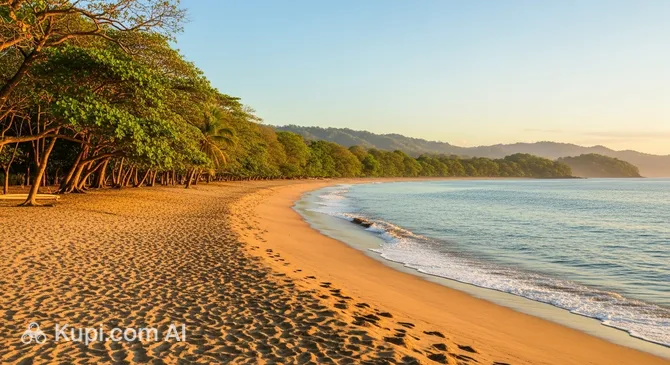
Tamarindo is a picturesque resort town nestled in the Guanacaste province in northwestern Costa Rica. Stretching along a wide band of golden beaches washed by the turquoise waters of the Pacific Ocean, this corner of the world attracts travelers with its unique blend of wild tropical nature and well-developed tourist infrastructure.

Despite its modest population of about 7,000 people, the town pulses with life and energy while maintaining an intimate, cozy atmosphere. Here, dense jungles meet mangroves and scenic cliffs, creating unforgettable landscapes. Tamarindo is famous for its warm climate and the special spirit of "pura vida"—the local art of sincerely enjoying life and savoring every moment.
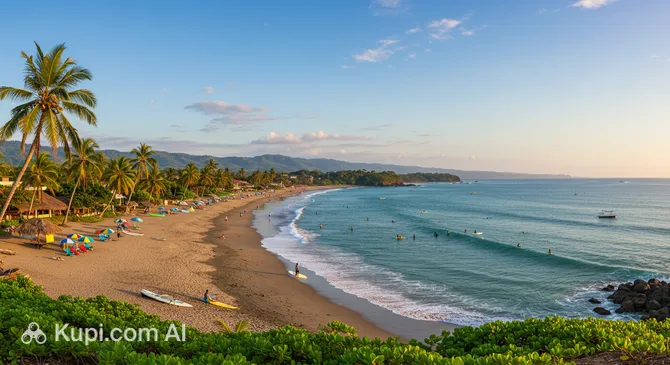
Tamarindo. Illustration.
Source: Kupi.com AI

Today, the town is deservedly considered the unofficial capital of surfing and beach recreation in the region. Both beginners come here to catch their first wave at dawn, and professionals arrive in search of the perfect swell. The fascinating history of Tamarindo is reflected in its transformation from a quiet fishing village into a trendy hub with boutiques, fine dining restaurants, and vibrant beach parties.

Tamarindo is perfect for those seeking a balance between adventure and relaxation. Embark on a sunset cruise along the "Gold Coast," watching the sun sink into the ocean, or simply relax in the shade of the palms. This welcoming town invites you to dive into a world of tropical paradise and take unforgettable memories home with you.
Weather Overview

Tamarindo greets travelers with a hot tropical climate that gives a feeling of eternal summer all year round. The air temperature here is remarkably stable: average figures stay at 26–28°C, while the daily maximum often reaches 30–31°C, especially in March and April. Even nights here are very warm, with temperatures around 24–25°C, allowing for comfortable walks by the ocean at any time of day.

The year is clearly divided into two seasons. The "dry season" lasts from December to April and is the peak of tourist activity: in January and February, rain is practically non-existent, and the number of rainy days tends toward zero. From May, the "green season" begins, when nature comes to life, but rainfall increases. The wettest months, according to statistics, are September and October, when the number of rainy days can reach 28–29 per month. To choose the perfect time for your vacation, we recommend checking the monthly weather in Tamarindo in advance.

Expect hot, sunny days at the beginning of the year and a warm wet season with frequent tropical downpours and lush greenery from May to November.

Average monthly temperature

Average monthly precipitation

Interesting Facts

In addition to its main attractions, Tamarindo holds many fascinating secrets and stories. This town is capable of surprising even experienced travelers with unexpected facts about its nature and past.

  • Turtle Sanctuary. In the immediate vicinity of the town is the Las Baulas National Marine Park, which is one of the world's most important nesting sites for giant leatherback turtles. From October to March, these ancient reptiles come out onto Playa Grande to lay their eggs, and later, tourists can witness the amazing phenomenon of thousands of tiny hatchlings rushing toward the ocean.

  • Rapid Transformation. Historically, Tamarindo was a quiet and modest fishing village that few people knew about outside the region. Everything changed in the 1980s when the place was discovered by surfers and ecotourists. In a few decades, the settlement turned into a popular international resort, while remarkably preserving the cozy atmosphere of a small coastal town.

  • Origin of the Name. According to local legend, the town got its name from the tamarind trees that once abundantly lined the shoreline. These trees not only gave the place its name but also became part of the culinary culture: locals still prepare traditional refreshing drinks from their fruit.

  • Surfing Mecca. The town is known for its ideal conditions for water sports. The famous Tamarindo Beach and neighboring bays create a unique zone where the waves are suitable for both teaching beginners and for professional riding, which is why prestigious international competitions are regularly held here.

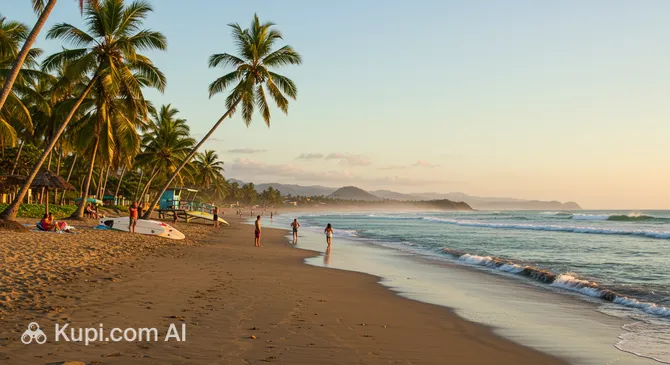
Playa Grande. Illustration.
Source: Kupi.com AI

Traveler photos:

How to Get There

When planning a trip to the sunny coast of Costa Rica, it is important to find out in advance how to get to Tamarindo in the most convenient way. The town is located in the Guanacaste province, and although there is no major international airport in Tamarindo itself, the region's excellent transport accessibility makes it easy to reach the resort from neighboring cities.

The most popular and comfortable option for most tourists is arriving via Liberia Airport (IATA: LIR), also known as Daniel Oduber Quirós International Airport. It is located in the city of Liberia, about 46 km from Tamarindo. This is a major aviation hub with high passenger traffic. The journey from the airport to the hotel by taxi or transfer will take about 1 hour and 30 minutes, passing through the scenic landscapes of Guanacaste.

As an alternative for domestic flights, you can consider Nosara Beach (IATA: NOB). This small airport is located in the town of Nosara, at a distance of about 41 km from the center of Tamarindo. Travel time by car is approximately 1 hour and 20 minutes. This is a good option for those already traveling around the country who want to reduce travel time.

For convenience, here is summary information on the main airports:

AirportPassenger trafficDistance
Nosara Beach15 00041 km
Liberia Airport1.6 mln46 km
Cobano Airport45 000106 km
Tambor Airport25 000110 km
Costa Esmeralda Airport35 000127 km

Since rail links are not developed in this region, the main way to travel between cities remains the road. Upon arrival at the airport, tourists most often rent a car or book a seat on a tourist shuttle (minibus), which is a reliable and common way to get to their vacation destination.

Main Attractions

Tamarindo attracts travelers primarily with its magnificent nature and unique atmosphere, where tropical jungles meet the ocean. The town's main attractions are centered around beach holidays, surfing, and ecotourism, offering guests a chance to immerse themselves in the "Pura Vida" lifestyle.

The undisputed center of attraction is Tamarindo Beach. This wide strip of golden sand, stretching for about 2.5 kilometers, is considered the perfect place to get acquainted with the ocean. The beach is world-famous for its surfing conditions, offering waves for both beginners and experienced surfers. Additionally, it is the best spot in town to watch the famous Costa Rican sunsets, when the sun paints the sky and water in incredible hues.

For those seeking communion with nature, a visit to Playa Grande is a must. Located north of the town across the river estuary, this beach is part of the Las Baulas National Marine Park and serves as a vital nesting site for giant leatherback turtles. During the season (October to March), night tours are held here, allowing visitors to see these ancient reptiles, while during the day, the beach charms with its silence and lack of crowds.

Playa Grande. Illustration.
Source: Kupi.com AI

Traveler photos:

An equally exciting adventure is a trip through the Tamarindo Estuary. This vast ecosystem of mangrove forests separates the two main beaches. By embarking on a boat or kayak tour, you will find yourself in a wilderness where you can encounter American crocodiles, howler monkeys, iguanas, and dozens of exotic bird species just a couple of steps away from civilization.

Local Cuisine

Tamarindo's culinary scene is a vibrant kaleidoscope of flavors, where the freshest gifts of the Pacific Ocean meet the rich traditions of Costa Rica. Gastronomic life here does not stop for a minute: from early breakfasts overlooking the surf to romantic dinners to the sound of the waves. The main stars of the local menu are invariably seafood—freshly caught fish, shrimp, octopus, and squid that arrive on the table directly from fishing boats.

A journey through the local cuisine should start with ceviche. This is a very popular appetizer of raw fish marinated in lime juice with red onions, fresh cilantro, and chili peppers. Every chef has their own secret ingredient that makes the flavor unique. For those who want a substantial meal, the ideal choice is casado—a traditional set lunch including rice, black beans, salad, fried plantains, and a main protein: fish, chicken, or meat.

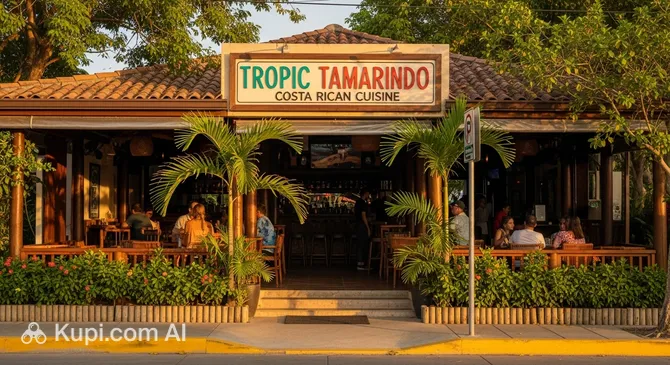
Tropic Tamarindo Costa Rican Cuisine. Illustration.
Source: Kupi.com AI

Traveler photos:

A morning in Tamarindo is impossible to imagine without gallo pinto. This hearty dish of rice and beans, often served with eggs, cheese, and tortillas, will provide the energy needed to conquer the waves. To try authentic Costa Rican dishes in a cozy atmosphere, you can visit Tropic Tamarindo Costa Rican Kitchen, where local culinary traditions are honored.

Special attention should be paid to drinks. On a hot afternoon, there is nothing better than frescos naturales—freshly squeezed juices from tropical fruits: mango, pineapple, guava, or passion fruit. It would be symbolic to try a refreshing drink made from tamarind fruit, after which the town is named. Evening lovers will enjoy cocktails based on local rum or guaro, which are often served at beach parties.

The food culture in Tamarindo is very democratic. Here, exquisite restaurants like the Chop House steakhouse peacefully coexist with small street cafes. For a quick and tasty snack, Little Lucha is perfect, and exotic lovers can head to the farmers' market for homemade cheeses and rare fruits. Food festivals are often held on the beach, where seafood barbecues are prepared under the open sky, creating a unique festive atmosphere.

Travel Tips

Welcome to sunny Tamarindo! To make your vacation as comfortable as possible and in true "Pura Vida" style, we have prepared a list of useful recommendations to help you feel confident from your first minutes on the coast of Costa Rica.

  1. Clothing and Accessories. The climate here is hot and humid year-round, so your wardrobe should consist of light items made from natural breathable fabrics (cotton, linen), shorts, and sandals. Be sure to bring strong sunscreen and a hat—the sun here is very intense. For evening walks, a light wrap may be useful. Note that outlets here are American style (types A and B, 120V), so travelers from Europe will need an adapter.

  2. Transport Nuances. The town center is compact and best navigated on foot. For trips to neighboring beaches or the surrounding area, the most popular transport is rental golf carts—it's fun and practical. If you need a taxi, look for official red cars with a yellow triangle on the doors. Apps like Uber work, but there may not be many cars available.

  3. Money and Tipping. The national currency is the colón, but US dollars are accepted almost everywhere (the exchange rate might be slightly less favorable). Visa and Mastercard work in most restaurants and shops, but for markets and street food, it's better to have cash (small bills). Restaurant bills often already include a 10% service charge, but additional tips are welcome if you enjoyed the service.

  4. Health and Safety. Tamarindo is a safe resort, but do not let your guard down: never leave your things unattended on the beach while swimming. There are pharmacies (Farmacia) in town, and staff often speak English. The main health threat is dehydration and sunstroke, so drink plenty of water.

  5. Communication and Language. The official language is Spanish, but Tamarindo is so popular with tourists that English is understood almost everywhere. Nevertheless, locals will appreciate it if you learn a few phrases. A SIM card (operators Kölbi, Liberty, Claro) can be bought in supermarkets or at the airport; Wi-Fi is available in almost all cafes and hotels.

  6. Local Etiquette. The main phrase here is "Pura Vida" (pure life). It is used as a greeting, farewell, thank you, or an answer to "how are you?". Locals ("ticos") are very friendly and relaxed; it's not customary to rush or show aggression here.

  7. What to Avoid. Strictly avoid swimming in the river estuary separating Tamarindo and Playa Grande beaches. American crocodiles live there, and it can be deadly. Also, do not feed wild animals, especially monkeys and raccoons—this harms their health and disrupts the ecosystem.

  8. Insider Tip. Don't plan anything important between 5:30 PM and 6:00 PM. At this time, the whole town flocks to the beach to see the sun off. It's a real daily ritual of togetherness that shouldn't be missed: just sit on the sand, enjoy the colors of the sky, and applaud the sunset with everyone else.

By following these simple tips, you can avoid minor troubles and fully immerse yourself in the atmosphere of serenity and joy that this amazing corner of Guanacaste is so famous for. We wish you an unforgettable journey and vivid impressions!

Entertainment & Nightlife

The nightlife in Tamarindo is rightfully considered one of the most vibrant and intense in the entire Guanacaste province. As soon as the sun disappears behind the horizon, this resort town transforms from a relaxed surf village into an epicenter of parties, music, and dancing. Most of the fun is concentrated in the town center, along the main street and directly on the beach, where bars and restaurants open their doors to everyone looking to have a good time.

The atmosphere here is incredibly democratic and friendly. In Tamarindo, there is practically no strict dress code: "surf chic," shorts, and sandals are appropriate even in the most popular venues. The crowd is very diverse—from locals ("ticos") to tourists from all over the world, creating a unique cultural mix. The evening often begins with sunset cocktails ("happy hours" usually last from 4:00 PM to 7:00 PM) and then transitions smoothly into dinner and dancing until dawn.

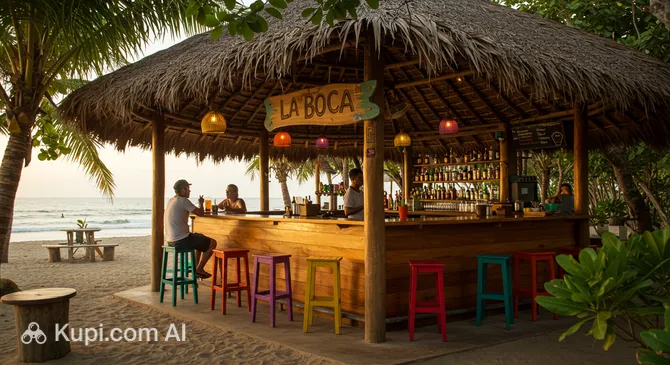
Among the popular spots, La Boca bar stands out. This establishment is famous for its laid-back atmosphere and excellent selection of drinks, perfect for starting the evening with friends. If you are looking for a place with unique flavor, check out Naans and Curry, which offers an interesting combination of gastronomy and evening relaxation. For those who want to immerse themselves in a lively and noisy environment, Little Lucha is an excellent choice—a popular taqueria that is always crowded and fun in the evenings.

La Boca. Illustration.
Source: Kupi.com AI

Traveler photos:

Beyond the bars, the town's nightlife is filled with special events. A legendary event is the Tamarindo Moonlight Market, which takes place on Thursdays. Here you can listen to live music, watch fire shows, and buy products from local artisans. Beach parties are often organized directly on the sand with DJs playing everything from reggaeton and Latin rhythms to house and techno.

As for daytime cultural entertainment, Tamarindo does not boast classic theaters or large concert halls. Daytime leisure here is inextricably linked to active recreation: surfing, ATV riding, or visiting small art studios. Nature itself serves as the "stage" here, and the main "performances" are the breathtaking sunsets over the Pacific Ocean.

Practical Tips and Safety:

  • Transport: It is easy to move around the town center on foot at night. If your hotel is on the outskirts or in the hills, it is better to use an official taxi (red cars) or book a transfer to avoid walking on unlit roads.
  • Safety: Tamarindo is a safe tourist town, but basic precautions are necessary. Avoid walking alone on dark parts of the beach late at night and keep an eye on your drinks and personal belongings in bars.
  • Prices: Club entrance fees vary, but entry is often free or nominal. Prices for cocktails and beer are average by Costa Rican tourist standards but higher than in non-resort areas.

Parks & Museums

Although Tamarindo is not famous for classic museums with dusty display cases and strict curators, this town and its surroundings can easily be called a huge open-air exhibition. Here, culture is closely intertwined with nature, and the main exhibits are created not by human hands but by the tropical ecosystem itself.

The region's main natural attraction is the Las Baulas National Marine Park (Parque Nacional Marino Las Baulas). This sanctuary was created to protect the nesting sites of leatherback turtles—the largest sea turtles in the world. The park covers a vast territory, including mangrove swamps and beaches, with Playa Grande being the most prominent. For tourists, this is a unique opportunity to touch wilderness: during the day you can walk along the paths watching birds, and during the nesting season (October to March), go on a guided night tour to see the miracle of new life being born.

Playa Grande. Illustration.
Source: Kupi.com AI

Traveler photos:

Another important green zone is the Tamarindo Wildlife Refuge, located in the river estuary. This is a dense network of mangrove forests that is home to howler monkeys, crocodiles, iguanas, and many exotic birds. A boat or kayak trip through the quiet waters of the estuary allows you to see the "other side" of Tamarindo—quiet, mysterious, and full of life, away from the noise of the surf bars.

The town's cultural life is concentrated in small private art galleries and boutiques. In the center of Tamarindo, you can find several exhibition spaces where local artists and expats present their work: from vibrant paintings inspired by tropical sunsets to wooden sculptures. These galleries are often combined with souvenir shops, offering guests not just a look at art but a chance to take a piece of local flavor home.

Special attention should be paid to Chorotega pottery. Although there is no ethnographic museum in the town itself, many shops in Tamarindo display and sell the work of potters from the nearby village of Guaitil. This pottery is created using techniques preserved from pre-Columbian times, with natural dyes and local clay. By studying these patterns, you are effectively learning about the history of the indigenous peoples of the Guanacaste region.

Insider Tip: If you want to combine a walk with art, look at the walls of buildings in the town center. Tamarindo is famous for its street art: colorful murals depicting marine life and surfing scenes turn ordinary streets into a free gallery of contemporary art, ideal for photo shoots.

Getting Around

The transport system of Tamarindo has its own unique features due to the town's size and resort status. Since it is a small coastal town, there are no subways, trams, or trolleybuses. Within the town itself, most distances are easily covered on foot, and public transport is mainly represented by buses connecting the resort with neighboring towns and the capital, as well as various types of taxis and rental vehicles.

The main form of public transport is scheduled buses. They depart from improvised stops in the town center or from small terminals of local companies (e.g., Alfaro or Tralapa). Buses are the most budget-friendly way to get to Liberia, Santa Cruz, or San José. Schedules may change depending on the season, so it is best to check in advance on-site or on the carriers' websites.

The payment system in local buses is simple and conservative. Transport cards or mobile applications for fare validation are not used here. Tickets are purchased directly from the driver upon boarding. Only cash—local colones—is accepted for payment. It is highly recommended to have small bills with you, as the driver may not have change for large banknotes. The fare is low and fixed for a specific route.

For more comfortable travel between cities, tourist shuttles (shared minibuses) are popular. They are a reliable alternative to regular buses: they are equipped with air conditioning and often pick up passengers directly from their hotel. A seat in a shuttle must be booked in advance online or through travel agencies on the street, where you can pay by bank card.

Within the town and its surroundings, taxis are widespread. Official cars are easily recognizable by their red color and yellow triangle on the door. They are required to use a meter ("maria"), but for long trips, it is better to agree on the price in advance. Ride-hailing apps also operate in the region, although wait times can vary.

A real "highlight" of Tamarindo's transport life is golf cart rental. This is perhaps the most popular way for tourists to get around town. They are convenient, eco-friendly, and allow you to easily reach remote beaches or restaurants on the hills. Rental points are at every turn; a driver's license and credit card are required for rental.

Another interesting feature is the water taxi (pangas). Small boats run across the river estuary, connecting the main beach with the neighboring Playa Grande. This is not only a way to shorten the journey (by land, the detour takes about 40 minutes) but also an opportunity to see crocodiles and birds in the mangroves. Payment is made in cash to the boatman before departure.

Accommodation

Tamarindo offers travelers an impressive variety of accommodation options to suit every taste and budget. The range of housing here varies from budget-friendly hostels and surf camps with a youthful atmosphere to cozy mid-range boutique hotels and luxury resorts overlooking the ocean. In recent years, renting private villas and apartments (condos) has become particularly popular, which is especially convenient for families with children or large groups.

When choosing a place to stay, it is important to consider the town's geography. Lovers of nightlife and those who do not want to depend on transport are better off staying in the town center or directly by the beach: here all restaurants and shops will be within walking distance, but it can be a bit noisy in the evenings. Those seeking peace and privacy should look at the Playa Langosta area, located slightly to the south, or at hotels located on the hills: from there, stunning panoramic views of the bay open up, but a rental vehicle may be required for comfortable movement.

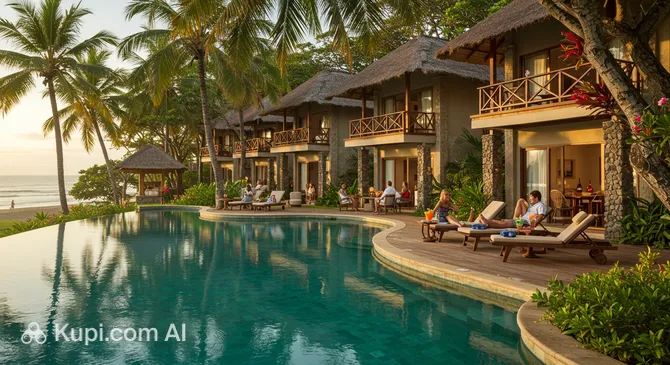
Jardin del Eden Boutique Hotel. Illustration.
Source: Kupi.com AI

Traveler photos:

Among the notable accommodation options worthy of attention is Jardín del Edén Boutique Hotel. This place is often chosen by couples and comfort lovers wishing to enjoy a tropical garden and private atmosphere. For those who prefer an apartment format with resort amenities, the Sunrise Condos Tamarindo complex, located in close proximity to the beach and town infrastructure, can be an excellent choice.

Booking Tips: Given the high popularity of the resort, especially during the "dry season" (December to April) and during holidays, it is strongly recommended to book accommodation in advance—preferably 2–3 months before the trip. At this time, demand is at its peak, and the best options disappear quickly.

The price range in Tamarindo is wide: budget beds in hostels can cost from $20–$30 per night, comfortable rooms in mid-level hotels range from $100–$200, and prices for luxury segment accommodation start from $300 and up. You can book housing through popular international online platforms or directly on hotel websites, which sometimes allows you to get additional bonuses or discounts.

Nearby Cities

For those who want to explore the surroundings, Tamarindo serves as an excellent starting point for day trips to several interesting nearby places. The Guanacaste region offers travelers not only beach holidays but also the opportunity to immerse themselves in authentic Costa Rican culture and history just an hour's drive from the coast.

Only a 30-minute drive away is Santa Cruz, which is often called the "folklore capital" of the country. Here traditions are carefully preserved, vibrant fiestas are held, and you can hear authentic marimba music. Another important destination is Liberia—the administrative center of the province, known as the "White City" (La Ciudad Blanca) due to its historical buildings made of white stone and colonial architecture. Also worth mentioning is Nicoya, one of the oldest cities in the country, located in the famous "Blue Zone" of longevity, where you should visit the ancient church of San Blas.

CityPopulationDistance
Flamingo16 km
Santa Cruz55 10428 km
Sardinal14 91232 km
Nosara2 50042 km
Nicoya50 82546 km

These nearby destinations provide an insight into the diverse culture and landscapes of the region, complementing a beach holiday with new experiences.

Shopping & Souvenirs

Shopping in Tamarindo is a relaxed and pleasant activity that perfectly complements a beach holiday. Here you won't find huge multi-story shopping malls or outlets of global luxury brands. Instead, the town offers many cozy boutiques, souvenir shops, and specialized surf shops. The range of goods fully reflects the resort atmosphere: bright beachwear, high-quality equipment for water sports, original jewelry, and products from local artisans.

Main shopping life is concentrated along Main Street (Calle Central) and in the roundabout area. Strolling here, tourists can visit small shops offering locally made swimwear, stylish sunglasses, and casual clothing made from natural fabrics. This is an ideal place for a leisurely promenade after sunset, when the heat subsides and the shop windows light up welcomingly.

While there are no major malls in town, the Garden Plaza shopping complex, located at the entrance to Tamarindo, is worth mentioning. This is a modern space that houses a large supermarket, as well as several clothing stores, a pharmacy, and a cafe. Here you can buy both groceries and necessary goods for your vacation in a comfortable air-conditioned environment.

Tamarindo Beach. Illustration.
Source: Kupi.com AI

Traveler photos:

Local markets are particularly noteworthy and are an important part of the town's culture. On Thursday evenings, the famous Tamarindo Moonlight Market opens. It's not just a place for shopping, but a real event with live music and street food, where you can buy unique handmade items. On Saturday mornings, a farmers' market (Feria) operates, selling fresh tropical fruits, homemade pastries, and organic cosmetics.

As souvenirs from Tamarindo, people most often bring home the famous Costa Rican coffee, which can be bought both in beans and ground. Art lovers should pay attention to Chorotega-style pottery, which is made in neighboring villages using ancient indigenous technologies. Wooden items, hammocks, natural cosmetics based on coconut oil, and, of course, clothing with "Pura Vida" symbols are also popular.

Most shops open around 9:00 or 10:00 AM and work until 8:00 or 9:00 PM, especially in the tourist center. For payment methods, local colones and US dollars are widely accepted. Bank cards (Visa, Mastercard) are accepted in almost all boutiques and supermarkets; however, for purchases at markets or from street vendors on Tamarindo Beach, it is better to have cash with you.

The Tax Free (VAT refund) system exists in Costa Rica, but the tax refund procedure for tourists is not as widespread as in some other countries. Usually, sales tax (13%) is already included in the price of goods. Claiming a refund is only possible when buying from authorized stores for an amount over a certain limit and requires filling out special forms at the departure airport, so for common souvenir purchases in town, it is rarely relevant.

Reached the end of the page?

That means the route is fully explored