Support

Playa Samara

About

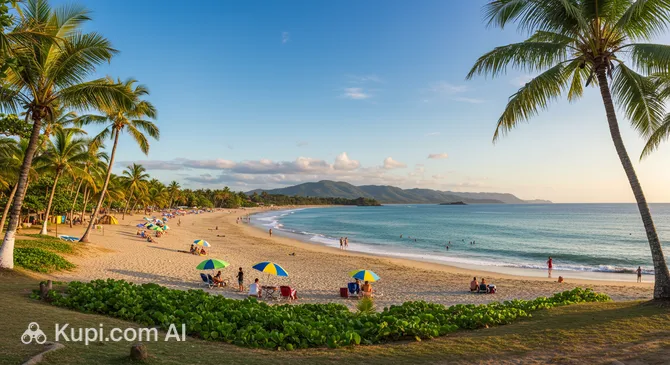
Playa Samara is a picturesque and incredibly cozy resort town located on the western coast of the Nicoya Peninsula. Unlike many bustling tourist centers, this place has preserved an authentic atmosphere of tranquility and harmony, which locals call "pura vida." Situated in the sunny country of Costa Rica, Samara attracts travelers with its magnificent horseshoe-shaped beach, fringed with palm trees and tropical greenery.

Playa Samara. Illustration.
Source: Kupi.com AI

Geographically, the town belongs to the province of Guanacaste and features a warm tropical climate, perfect for vacationing year-round. Despite its popularity, Playa Samara remains a small settlement with a population of about 2,500 people, creating a sense of homey comfort and safety. Here, modern tourism intertwines harmoniously with the past: the fascinating history of Playa Samara tells the story of its transformation from a quiet fishing village into one of the region's most attractive family resorts.

A unique feature of the town is the coral reef, which protects the bay from strong ocean currents. Because of this, there are almost no large waves, making the beach ideal for swimming with children and learning to surf. Nature lovers will also appreciate the proximity of the uninhabited Isla Chora with its pinkish sand, reachable by kayak. Playa Samara is an ideal destination for those seeking a relaxed vacation, stunning sunsets, and complete harmony with nature.

Weather Overview

The climate in this region is tropical, so warmth is maintained throughout the year. When planning your trip, keep in mind that the weather in Playa Samara has distinct seasonality. The driest and sunniest period, ideal for a beach holiday, lasts from January to March. During these months, precipitation is extremely rare, and the number of rainy days varies from only 1 to 5 per month.

The temperature regime is pleasantly stable: average indicators range from 25.7°C in October to 28.0°C in March, with daytime highs often reaching 30–31°C. The rainy season usually begins in May and lasts until November, with April serving as a transition month when the number of wet days increases to 17. The wettest period falls in September and October—at this time, rain can occur daily, filling nature with freshness and vibrant colors.

Average monthly temperature

Average monthly precipitation

Interesting Facts

Beyond its picturesque landscapes and relaxed atmosphere, Playa Samara holds many fascinating features that make this corner unique even by the standards of an exotic country.

  • Secret of Longevity: The town is located in the heart of the Nicoya Peninsula, which is officially recognized as one of the world's five "Blue Zones." Residents of this region of Costa Rica are known for their phenomenal health and often live past the 100-year mark, which scientists attribute to the mineral-rich water and a specific lifestyle.

  • Natural Shield: Samara is considered one of the safest beaches on the entire Pacific coast. Thanks to a powerful coral reef that closes off the entrance to the bay, strong ocean waves are muffled, and the treacherous rip currents common at neighboring resorts are virtually non-existent.

  • Island within a Paddle's Reach: The picturesque uninhabited island of Isla Chora, visible from the shore, is a national wildlife refuge. A surprising fact: it is one of the few places where tourists can reach independently by kayak or paddleboard to see colonies of rare birds and iguanas in their natural habitat.

  • The "No Higher Than a Palm Tree" Law: In Playa Samara, you won't see multi-story hotels or skyscrapers. Height restrictions on construction are strictly followed here, stating that buildings must not exceed the height of coconut palms, allowing the town to maintain its look as a cozy village nestled in the jungle.

How to Get There

When planning a trip to the Pacific coast, it's important to think through your route in advance. Playa Samara is located away from bustling metropolises, which allows it to maintain its unique atmosphere but requires attention to logistics. You can explore all ways to get to the city in more detail, and below we will look at the main transport hubs through which tourists enter this region.

The most convenient option for international travelers is Liberia Airport (IATA: LIR). There is no airport in the town of Playa Samara itself, but you can fly into this major aviation hub located in the city of Liberia, which is about 79 km from Playa Samara. It is the second most important airport in the country, receiving many flights from North America and Europe. The journey from here to the coast by taxi or transfer will take about 2–2.5 hours, passing through the scenic landscapes of Guanacaste province.

For those who prefer domestic flights on small aircraft, the nearest landing point is Nosara Beach (IATA: NOB). This small airport is located in the town of Nosara, just 18.2 km from Playa Samara. However, keep in mind that despite the proximity on the map, the overland journey can take longer due to the terrain and the condition of unpaved roads, especially during the rainy season. Flying here is usually chosen by tourists wanting to save time traveling from the capital.

For clarity, here is a summary of the main airports in the region:

AirportPassenger trafficDistance
Nosara Beach15 00018 km
Cobano Airport45 00051 km
Tambor Airport25 00058 km
Liberia Airport1.6 mln79 km
Fortuna Airport13 000122 km

Railway service is not developed in this part of Costa Rica, so it is impossible to reach Playa Samara by train. The main ground transportation remains cars and buses. From the airports or the capital, tourists often book private shuttles (minibuses) or rent SUVs, providing freedom of movement and the chance to enjoy the views along the way. There are also regular bus services from San José and the city of Nicoya, which are a budget-friendly alternative to taxis.

Main Attractions

Playa Samara offers travelers a harmonious blend of beach relaxation and active nature exploration. The main attractions here were not created by man, but by the elements, and each allows you to immerse yourself deeper into the tropical paradise atmosphere.

The absolute center of attraction is Playa Samara itself. This perfectly horseshoe-shaped beach is considered one of the most beautiful and safest in Costa Rica. Its main feature is an extensive coral reef that breaks the force of the ocean waves, creating a calm lagoon ideal for swimming and surf lessons. Sprawling trees grow along the shoreline, providing natural shade to escape the midday heat. This place is the heart of the town, where tourists gather to watch the sunrises and sunsets.

Directly opposite the beach, about one and a half kilometers from the shore, rises the picturesque uninhabited Isla Chora. This small piece of land is a protected area and a popular spot for kayaking and paddleboarding enthusiasts. It can only be reached by water, making the journey an adventure in itself. The island is famous for its pink sand beach and crystal-clear water, excellent for snorkeling. Here, you can see colorful tropical fish, sea turtles, and on land—many iguanas and exotic birds.

For those who want to get to know the region's unique ecosystem, the Werner Sauter Biological Reserve is a must-visit. This is a private reserve protecting one of the rarest forest types on the planet—the tropical dry forest. Unlike the humid rainforests, it is easier to observe wildlife here due to the less dense vegetation. During a guided tour, you have a high chance of spotting howler monkeys, porcupines, owls, and many species of butterflies. A climb to the reserve's observation deck rewards you with a panoramic view of Samara Bay.

Just a few minutes' drive south of town is Playa Carrillo. Although it is a neighboring beach, it is considered a significant attraction for Samara's guests. Carrillo is known for its postcard-perfect beauty: a wide strip of white sand is fringed by a boulevard of slender coconut palms, and the shore is completely free of buildings and hotels. This place gives a sense of absolute peace and wild nature, while remaining easily accessible to tourists.

Local Cuisine

The culinary scene in Playa Samara is a harmonious blend of traditional Costa Rican recipes and the freshest seafood, shaped by the town's coastal location. The main delicacy here is undoubtedly ceviche. In local variations, this appetizer is prepared from freshly caught fish (most often sea bass or dorado) or shrimp, marinated in lime juice with cilantro, onions, and sweet peppers. This dish is perfectly refreshing on a hot afternoon and is served in almost every establishment on the coast.

For a more substantial meal, it's worth trying casado—the most popular dish in the country, which is a complete set meal on one plate. It usually includes rice, black beans, fried plantains, salad, and a choice of protein: fish, chicken, pork, or beef. For breakfast, locals and tourists invariably choose gallo pinto—a mixture of rice and beans sautéed with spices, served with eggs, sour cream, and corn tortillas.

Drink culture in Samara is inextricably linked with the abundance of tropical fruits. Be sure to try batidos—thick smoothies made from mango, pineapple, papaya, or passion fruit, which can be prepared with water or milk. The simplest and most popular thirst quencher remains pipa fria—a chilled coconut opened with a machete right in front of you. Among alcoholic beverages, the national sugar cane liqueur Guaro is worth noting, which is used to make the famous "chiliguaro" shot with tomato juice and hot sauce.

Dining in Playa Samara is divided into two main directions: authentic budget cafes and relaxed beachfront restaurants. To immerse yourself in the local culture, look for signs saying "Soda." Sodas are small family-run eateries where they cook home-style, delicious, and inexpensive food. If you want to dine with an ocean view, visit first-line establishments such as Bar and Restaurant El Ancla, where you can enjoy seafood with your feet literally in the sand.

In recent years, thanks to its "Blue Zone" status and the influx of expats, a healthy eating culture has been actively developing in the town. It is easy to find vegetarian dishes, organic cafes, and bakeries with European pastries here. A feature of the local gastro scene is the casual atmosphere: a strict dress code is not accepted here, and even in the best restaurants, dinner proceeds at the relaxed "pura vida" pace characteristic of the entire country of Costa Rica.

Travel Tips

Playa Samara is a place where time flows by its own rules, but to ensure your vacation is as comfortable as possible, it's worth knowing a few local nuances. We have prepared a list of practical recommendations to help you feel confident and safe from your first minutes in this tropical resort.

  1. Clothing and Gear: Given the hot tropical climate, prioritize light clothing made of natural breathable fabrics (cotton, linen). Be sure to bring high-quality sunglasses, a wide-brimmed hat, and swimwear. For evening walks, a light long-sleeved shirt will come in handy, and if you plan to visit reserves—closed, comfortable shoes. During the rainy season (May to November), don't forget a raincoat or a light poncho.

  2. Transport: The town itself is very compact, and it's most convenient to get around the center on foot. To explore the surroundings and visit neighboring beaches, tourists often rent bicycles or ATVs—the most popular local transport. If you need a taxi, look for official red cars; apps like Uber work inconsistently here.

  3. Finances: The official currency is the colón, but US dollars are accepted almost everywhere. However, you will likely receive change in local currency. Visa and Mastercard work in hotels and large restaurants, but to pay in small shops ("sodas"), at markets, or for bus fare, must have cash colones with you. There is an ATM in town, but it may be out of order or run out of cash on weekends, so it's better to withdraw a reserve of money in advance.

  4. Health and Safety: The sun is very active here, so use SPF 50+ sunscreen and reapply it every two hours, ideally choosing reef-safe products. Be sure to use mosquito repellent, especially at sunset. There are pharmacies in town, but they are not open 24/7. Tap water in Costa Rica is often drinkable, but in small coastal towns, travelers with sensitive stomachs are better off buying bottled water.

  5. Communication: The official language is Spanish. Many people in the tourism industry speak English, but knowing basic phrases (greetings, thank you) will earn you genuine appreciation from the locals. For mobile internet, it's best to buy a prepaid SIM card from Kölbi (best regional coverage) upon arrival or at local shops. Wi-Fi is available in most cafes and hotels.

  6. Local Etiquette: The main rule is to be polite and relaxed. It is customary to say hello ("Hola" or "Buenos días") when meeting people. To any question about how you are doing, the universal and most correct answer is the phrase "Pura Vida" ("pure life"). People don't rush or show impatience here—service can be slow, but that is part of the local culture.

  7. What to Avoid: It is strictly discouraged to feed wild animals (monkeys, raccoons, coatis), even if they come close—it harms their health and disrupts the ecosystem. Also, do not attempt to take shells, coral, or sand as souvenirs—it is prohibited by law and strictly controlled at customs.

  8. Additional Tip: Keep an eye on the tide schedule. Playa Samara changes significantly depending on the water level. During low tide, interesting rocky areas of the beach and natural pools near the reef become accessible for safe snorkeling, and long walks on the firm sand become much more comfortable.

By following these simple tips, you can avoid minor troubles and fully immerse yourself in the serene atmosphere of Playa Samara. Enjoy every moment, catch a wave, and let the rhythm of "pura vida" make your vacation unforgettable!

Entertainment & Nightlife

The nightlife in Playa Samara fully reflects the "pura vida" philosophy—it is relaxed, friendly, and unpretentious. You won't find massive nightclubs with strict dress codes or neon signs outshining the stars here. Instead, evening leisure is centered in cozy thatched-roof beach bars where you can dance barefoot on the sand to the rhythms of reggae, Latin music, or acoustic guitar. The main fun begins right after sunset, which is a major evening show in itself, gathering all residents and visitors on the shore.

The epicenters of evening activity are Main Street, leading to the ocean, and the first line of the beach itself. This is where the most popular venues are located, their doors open until late at night. The atmosphere in town is very democratic: there is no formal evening dress code, and in most places, you will feel comfortable in shorts and flip-flops. The crowd is a colorful mix of locals ("ticos"), surfers from all over the world, and family travelers, creating the feeling of one big party with friends.

Among the specific venues that set the tone for Samara's nightlife, several iconic spots stand out. Lo Que Hay is a legendary bar-restaurant located right on the beach. It is famous for its "Taco Tuesdays," live music, and laid-back atmosphere where tables sit right on the sand. For fans of craft brews, Microbar is a must-visit. This tiny but highly atmospheric spot specializes in the best craft beer in Costa Rica, offering a wide selection of local varieties in a cozy setting. If you're looking for something more elegant, stop by Gusto Beach—an Italian beach club where you can enjoy exquisite cocktails and a candlelit dinner to the sound of the surf.

Regarding the practical side, prices for cocktails and drinks are average for the country's tourist standards. "Happy Hours" usually take place at sunset, from 5:00 PM to 7:00 PM, offering great discounts. In terms of safety, Playa Samara is considered one of the calmest places, and nighttime walks through the center and the illuminated part of the beach cause no concern. However, as elsewhere, you should not leave your belongings unattended. It is better to call a taxi at night through a bartender or take one from the official stand in the center, as hailing a car on the street can take a long time.

While the nightlife here is vibrant, daytime entertainment is no less diverse. During daylight hours, the town turns into a center for active recreation. In addition to the beach, surf schools offering lessons for beginners and yoga studios—many of which conduct classes overlooking the ocean—are popular. For adventure seekers, horseback riding through the jungle and beach is organized, as well as ATV tours. Those who prefer cultural leisure should visit small local art galleries or sign up for a culinary masterclass on preparing traditional Costa Rican dishes.

Parks & Museums

Playa Samara is a unique place where the concept of traditional museums and fenced parks gives way to living, breathing nature and open-air creativity. In this corner of Costa Rica, the main exhibition halls are the tropical forests and ocean reefs, and cultural heritage is passed down through small art studios and craft workshops scattered throughout the town.

Speaking of green zones, it's impossible not to mention the Werner Sauter Biological Reserve. This is not just a park, but a private conservation area covering about 140 hectares. Its uniqueness lies in the fact that it protects one of the rarest ecosystems on Earth—the tropical dry forest. For tourists, it's an opportunity to see nature in its pristine form: howler monkeys, long-tailed manakins, and many species of owls live here. A walk along the reserve's trails feels like a tour of a living natural history museum, where every exhibit was created by evolution.

Another important natural attraction is the Isla Chora National Wildlife Refuge. Although technically an island visible from the shore, it functions as a natural park for marine and coastal inhabitants. This place attracts travelers with the chance to explore an untouched ecosystem: seabirds nest here, and sea turtles can be found in the waters around the island. The lack of infrastructure on the island helps preserve its wild beauty, making it an ideal place for solitary nature contemplation.

In Playa Samara, you won't find large state museums with dusty displays. Cultural life here is concentrated in art galleries and boutique art shops. Local artists and craftsmen often exhibit their work directly in cafes or small studios on the main street. The main theme of such "galleries" is the vibrant nature of Guanacaste and marine landscapes. Here you can get to know contemporary "tico" art, see unique ceramics, wooden sculptures, and jewelry created from natural materials, providing a great insight into the local mentality and aesthetics.

From an architectural point of view, the town is interesting for its desire for harmony with the landscape. There are no historical palaces here, but the development itself is a kind of monument to environmental consciousness. Observing the unspoken "no higher than a palm tree" rule has shaped Samara's unique look: low-rise buildings with open terraces, roofs made of natural materials, and an abundance of wood in the finishing. This creates the atmosphere of an authentic fishing village that carefully preserves its coziness despite the development of tourism.

Insider Tip: For those who want to see a hidden "green zone," we recommend walking to the mouth of the Mala Noche River (Estero Mala Noche) at the northern end of the beach. These are mangroves that are home to herons, crabs, and even crocodiles. It's best to explore this place during low tide or rent a kayak to glide quietly through the water and observe the life of the mangrove forest in silence, away from the main tourist trails.

Getting Around

The public transport system in Playa Samara perfectly matches the relaxed atmosphere of this small coastal town. Since the resort is very compact, there is no metro, tram, or complex city route network here. For most tourists, the main way to get around the center remains walking: most hotels are just a few minutes away from the beach, restaurants, and shops. However, buses and private carriers are actively used to connect with the outside world and neighboring regions.

The main form of public transport for intercity travel is scheduled buses, particularly the Alfaro company, which connects the coast with the city of Nicoya and the capital. Buses are the most budget-friendly way to travel, but be prepared for the fact that they may not have air conditioning. Fares are paid exclusively in cash (colones) directly to the driver upon boarding. There are no validators, turnstiles, or options to pay by bank card or app on local buses, so always keep small bills with you.

For more comfortable travel between cities, tourists often choose tourist shuttles (minibuses). This is a semi-official type of transport that operates on a "hotel-to-hotel" basis. Tickets for such trips must be booked in advance online or through your accommodation's reception. Shuttles are air-conditioned and run on a schedule more convenient for travelers, although they cost significantly more than regular buses.

Within Playa Samara itself and for trips to neighboring beaches like Carrillo, official red taxis are a popular alternative. Always ensure the driver turns on the meter ("la maria"), or agree on a fixed price before boarding if there is no meter. Ride-hailing apps work inconsistently here, so it is easier to find a car at the stand in the center or ask a restaurant to call one for you.

A unique feature of the town's transport system is the widespread rental of bicycles and ATVs. An ATV here is not just for fun, but a legitimate means of transport, allowing you to easily navigate unpaved roads and reach remote bays. If you decide to rent a vehicle, remember that traffic is on the right, and speed limits in residential zones are strictly enforced for the safety of pedestrians and animals.

Practical tip for travelers: bus stops in town often lack clear signs or schedules on poles. The "official" stop is usually a spot at the entrance to town or near the soccer field. It's best to check the schedule in advance with locals or on the carrier's website, but always arrive with time to spare—transport may arrive a bit early or be delayed.

Accommodation

Accommodation in Playa Samara perfectly matches the relaxed spirit of this resort. You won't find massive all-inclusive chain hotels or multi-story concrete boxes blocking the sun here. Instead, the hotel stock is represented by cozy boutique hotels, family-run bed and breakfasts (B&Bs), eco-lodges, and surfer hostels. Most accommodation options are harmoniously integrated into the surrounding landscape, hidden in the shade of palms and tropical gardens, creating a sense of privacy even in the town center.

The choice of area depends on what type of vacation you prefer. The central part of town and the main street area are ideal for those who want to be in the heart of the action: shops, restaurants, and night bars are nearby. This is a convenient option for tourists without transport. If you are looking for peace and quiet, consider the Cangrejal neighborhood in the eastern part of the bay or the area near Buena Vista Beach. There is less hustle, more greenery, and in the morning, you will likely be woken up by the calls of howler monkeys rather than car noises.

The price range in Playa Samara varies from very affordable to high, but overall remains accessible compared to more heavily marketed resorts in Costa Rica. Budget travelers and backpackers can find a spot in a hostel or campsite for $15–$30 per night. The mid-range segment features comfortable mini-hotels with pools and air conditioning (from $80 to $150). For those accustomed to luxury, rental villas on the hills with panoramic ocean views and exclusive boutique hotels are available, with prices starting from $200 per night.

When planning a trip, it's important to consider seasonality. During peak periods—Christmas, New Year, and Easter Week (Semana Santa)—the demand for housing is enormous, and the best options are booked 3–4 months in advance, while prices can double. In the "green season" (from May to November), the rush subsides, and many hotels offer discounts. You can book accommodation through popular international online platforms, but many small family hotels in Samara happily accept direct bookings through their websites or messengers, sometimes offering better terms or a complimentary breakfast.

Nearby Cities

For those who want to explore the surroundings, Playa Samara serves as an excellent starting point for day trips to several interesting nearby places:

The closest city is Nicoya, which is only about 30 km away. It is the historical heart of the peninsula and one of the oldest settlements in the country. Tourists come here to see the colonial church of San Blas and immerse themselves in the "Blue Zone" atmosphere, where traditions intertwine with modernity.

Culture lovers should head to Santa Cruz, located 43 km from the coast. This city is known as the folklore capital of Costa Rica. Here you can get acquainted with the traditions of local cowboys (sabaneros), listen to marimba music, and feel the true spirit of Guanacaste province.

For a more diverse trip, Liberia—the regional capital—is a great choice. It is often called the "White City" due to the characteristic architecture of its old buildings. It's a wonderful place to walk through the historical center, do some shopping, and explore the colonial heritage before returning to the beach.

CityPopulationDistance
Puerto Carrillo4 0004 km
Punta Islita13 km
Nosara2 50017 km
Nicoya50 82530 km
Nandayure11 12132 km

These nearby destinations provide insight into the diverse culture and landscapes of the region.

Shopping & Souvenirs

Shopping in Playa Samara perfectly matches the resort's relaxed atmosphere ("pura vida"). You won't find huge malls, glittering storefronts of global brands, or noisy outlets here. Instead, the town offers a charming selection of small boutiques, souvenir shops, and art galleries where you can purchase unique handmade items. The shopping process here is a pleasant stroll between the beach and cafes, allowing you to find original gifts and support local artisans.

Main shopping streets are concentrated in the town center. The primary shopping artery is the street leading directly to the beach (Main Street). It is here, as well as on the adjacent side streets, that most shops are located. Walking through this area, tourists can stop into surf shops with high-quality gear, beachwear stores, and shops featuring the work of local craftsmen. The town's compactness allows you to visit all the interesting spots on foot without needing transportation.

While there are no large shopping centers in the traditional sense, The Natural Center is worth your attention. This is a cozy open-air complex surrounded by greenery that brings together several interesting shops, a spa, and a cafe. Here you can find high-quality clothing made from natural fabrics, original jewelry, and organic cosmetics. This place serves as a hub for those seeking higher-end goods in a pleasant, shady setting.

Local markets deserve special mention. A farmers' market (Feria) is regularly held in town, usually operating on specific days of the week (most often Tuesdays or Fridays). This is the best place to buy the freshest exotic fruits, homemade cheese, pastries, and organic products grown in the vicinity. Additionally, local artists often display their work at the market, offering tourists paintings, ceramics, and jewelry that cannot be found in regular stores.

When choosing souvenirs, look for items that reflect the spirit of Costa Rica. From Playa Samara, it's worth bringing home:

  • Costa Rican Coffee: One of the best in the world, an excellent gift for gourmets.
  • Woodwork: Local artisans create stunning bowls, figurines, and kitchen utensils from tropical hardwoods.
  • Handmade Jewelry: Jewelry made from seeds, shells, and semi-precious stones.
  • "Boho" style clothing: Light dresses, tunics, and swimwear, perfect for the tropical climate.
  • Natural Cosmetics: Oils and creams based on coconut and aloe vera.

Opening hours for shops in Playa Samara are usually geared toward daylight hours and tourist flow. Most shops open around 9:00–10:00 AM and stay open until 7:00–8:00 PM. Some grocery supermarkets may stay open later. As for payment, most tourist boutiques and restaurants accept credit cards (Visa, Mastercard) and US dollars without issue. However, for purchases at the market or in small kiosks ("sodas"), it is highly recommended to have the local currency—colones—on hand, as terminals may be unavailable.

The Tax Free system is virtually non-existent in small resort towns in Costa Rica. A VAT refund procedure for tourists exists in the country, but it is complex and usually only applicable to large purchases in authorized stores in major cities. In Playa Samara, it's better to expect that the price on the tag is final, although polite bargaining is appropriate at markets and in private shops.
Reached the end of the page?

That means the route is fully explored