Support

Estonian National Museum

About

The Estonian National Museum (est. Eesti Rahva Muuseum), located in the city of Tartu, Estonia, is not just a museum but a true treasure trove of culture and history. Founded in 1909, it has dedicated its mission to preserving and presenting the rich folklore heritage of Jakob Hurt, Estonian ethnography, and folk art. This is a place where every visitor can immerse themselves deeply in the unique world of Estonian traditions and daily life.
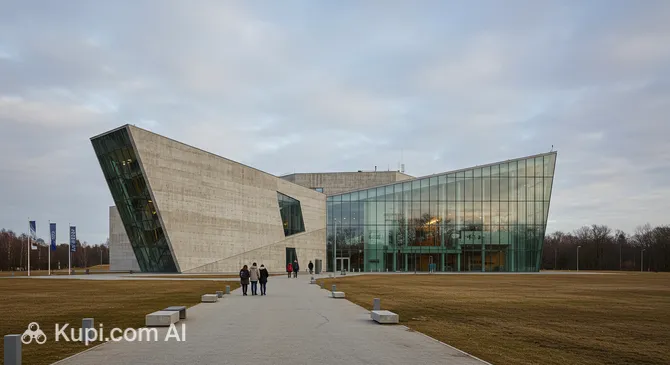
Estonian National Museum. Illustration.
Source: Kupi.com AI

Traveller photos:

The museum's exhibitions tell a fascinating story of the history, daily life, and customs of not only Estonians but also other Finno-Ugric peoples and national minorities living in Estonia. Here you will find artifacts that bring the past to life, allowing for a better understanding of the cultural roots and development of the local population over the centuries.

Special attention is given to the complete collection of traditional Estonian national costumes, representing all regions of the country in all their diversity and color. Visitors can also admire skillfully carved wooden beer mugs illustrating scenes of traditional peasant festivals and holidays, and appreciate the craftsmanship of the creators of handmade rugs and linen tablecloths. The Estonian National Museum offers an unforgettable journey into the heart of Estonian culture and folk art.

Contacts

To find out current information about opening hours of the Estonian National Museum, current exhibitions, ticket prices, and possible schedule changes, we recommend checking official sources. You will find the most complete information, including other contact details, on the museum's official website.

How to contactContact
AddressMuuseumi tee 2, 60532 Tartu, Estonia
Phone+372 736 3051
Websitewww.erm.ee

What to Do

As you immerse yourself in the exhibitions of the Estonian National Museum, you can trace the centuries-old history and culture of the Estonian people. The main focus here is on daily life, traditions, and art. One of the highlights is the chance to see a complete collection of Estonian national costumes from all over the country. Looking at these outfits, you will more deeply understand the diversity and uniqueness of Estonian culture, as well as the skill of their creators.

Continuing your exploration of Estonian heritage, visitors can examine unique carved wooden beer mugs that vividly depict peasant festivals and daily life. You will also learn about traditional crafts while admiring handmade rugs and elegant linen tablecloths, which testify to rich folk creativity. The museum halls offer not only a look at Estonian culture but also the chance to learn more about the lives of Finno-Ugric peoples and other national minorities living in Estonia, making the visit particularly educational and broadening your horizons.

Getting There

The Estonian National Museum is located in the city of Tartu, on the site of the former Raadi airfield, which gives it a unique atmosphere. You can reach this significant cultural landmark in several ways, depending on your preferences and starting point in Tartu.

Public transport is the most convenient and economical option for many tourists. Tartu has a well-developed bus network, and special city bus routes run to the Estonian National Museum. It is recommended to check the current schedule and bus numbers on the museum's official website or the Tartu public transport portal. The stop is usually located in the immediate vicinity of the museum complex.

For those who value comfort and speed, a taxi is an excellent choice. A taxi ride from the center of Tartu to the Estonian National Museum takes very little time, allowing you to reach your destination quickly and directly. Also, if you are traveling by private or rental car, the museum provides a spacious parking lot for visitors.

Nearest city: Tartu

History & Facts

The history of the Estonian National Museum dates back to 1909, when it was founded in the city of Tartu. However, the first steps towards creating its rich collection were taken as early as the second half of the 19th century. Initially, the core of the exhibition consisted of priceless antiquities collected by the famous Estonian folklorist Jakob Hurt, which laid the foundation for the preservation and study of Estonia's cultural heritage.

By 1913, the museum set an ambitious goal: creating an open-air museum, developing a concept—innovative for its time—of preserving cultural heritage in its natural environment. Unfortunately, these plans were not destined to be fully realized in their original form, as the main museum building suffered a tragic fate: it was destroyed during World War II during the Tartu Operation. This event was a major trial for the museum and its staff.

Despite these heavy losses, the idea of reviving the national treasure did not fade. In 2005, the Ministry of Culture of Estonia, together with the Union of Estonian Architects and the museum itself, announced an international competition for a new building project. The winner was a project symbolically titled "Поле памяти" (est. Mälestuste väli), proposed by an international group of architects. The grand opening of the new, modern building of the Estonian National Museum took place in 2016, marking a bright new chapter in its history and providing unique opportunities to showcase the rich culture of the Estonian people and the Finno-Ugric world.

Time Needed

When planning a visit to the Estonian National Museum in Tartu, it's worth setting aside enough time to fully enjoy its rich and diverse exhibitions. For a general overview of the main halls and the most iconic exhibits, you may need about 2-3 hours. This is enough time to get an idea of the scale of the collection and the main themes presented in the museum.

However, if you want to dive deeper into the history and culture of Estonia, carefully study the details of the interactive stands, read the descriptions of the numerous artifacts, or visit the temporary exhibitions often held at the museum, then feel free to budget half a day (about 4-5 hours) for your visit. Some dedicated visitors interested in ethnography and the history of Finno-Ugric peoples spend even more time here.

The Estonian National Museum is a truly large-scale and modern complex offering a multifaceted experience. To make your visit comfortable and educational, it's better not to rush and to allocate as much time as suits your interests. This way, you can get the most enjoyment and knowledge from exploring this significant cultural site.

Working Hours

The Estonian National Museum in the city of Tartu is generally open to visitors year-round, although exact opening hours may vary depending on the season, day of the week, or special events. To ensure your visit goes smoothly and you can fully enjoy the exhibitions, it is highly recommended to check the current schedule on the official museum website before your trip. Information about the need for advance ticket booking is also usually published there, which can be particularly relevant during peak tourist season or for visiting popular temporary exhibitions.

Since opening hours and visiting conditions may be updated periodically, checking official sources or contacting the museum directly shortly before your planned visit is the most reliable way to get up-to-date information. This will allow you to avoid potential inconveniences and plan your time in Tartu as efficiently as possible, dedicating enough time to exploring this significant cultural site in Estonia.

DayOpening hours
MondayClosed
Tuesday10:00 – 18:00
Wednesday10:00 – 18:00
Thursday10:00 – 18:00
Friday10:00 – 18:00
Saturday10:00 – 18:00
Sunday10:00 – 18:00

Nearby

Visiting the Estonian National Museum is undoubtedly a highlight, but exploring Tartu shouldn't be limited to this one iconic site. Exploring the area around the Estonian National Museum can significantly enrich your experience of the city, revealing new facets of its history, culture, and modern life. This is a wonderful opportunity to expand your itinerary and see more of what this charming Estonian city has to offer.

There are several other notable places near the Estonian National Museum that can complement your cultural program. Below you will find information about some of them, including their distance from the museum, to help you plan your time and travels around Tartu.

NameDistance
Upside Down House0.2 km
Raadi Manor0.5 km
St Peter's Church1.1 km
University of Tartu Botanical Garden1.8 km
Pühaste Cellar2 km
Tartu Art Museum2 km
St. John's Church2 km

Reached the bottom of the page?

Looks like you know this route inside out