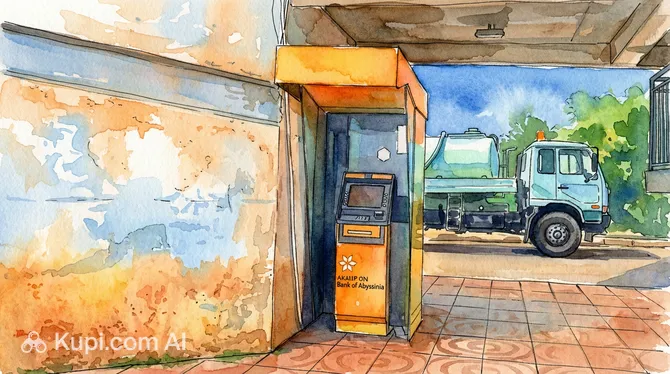
Metu is a cozy and picturesque city located in the western part of Ethiopia, in the heart of the Oromia region. Sprawling at an altitude of about 1,600 meters above sea level, it charms travelers with its emerald hills and the relaxed atmosphere of provincial life. The city serves as an important administrative center while maintaining a close connection with pristine nature and a traditional lifestyle.
Metu. Illustration.
Source: Kupi.com AI
Metu's geographic location in a temperate climate zone makes its land incredibly fertile. The surrounding area is steeped in the greenery of coffee plantations and dense tropical forests. Home to about 28,000 people, the city maintains its status as a quiet and welcoming hub where every guest can feel the authentic rhythm of the Ethiopian hinterland. Exploring the local cultural heritage, you will find that the city's history is inextricably linked with the development of agriculture and trade in this rich region.
For tourists, Metu is primarily attractive for its natural riches: from walks along the banks of full-flowing rivers to visiting local markets filled with the scents of fresh coffee and tropical fruits. This place is perfect for those seeking solitude and wanting to see the real Ethiopia without the hustle and bustle of the capital. We invite you to embark on this journey to personally appreciate the natural harmony and hospitality of the Oromo people.
Weather Overview
The climate in Metu is characterized as subtropical highland, which provides the city with pleasant warmth during the day and refreshing coolness at night. According to weather in Metu data, the average temperature throughout the year ranges between +18°C and +23°C. The warmest months are February and March, when the daytime maximum can reach +30°C, while the coolest period occurs in July and August.
Precipitation plays a key role in the life of the region. There are two main seasons: dry (from October to May) and wet (from June to September). During the wet season, it rains almost daily, often accompanied by high cloud cover, which makes the surrounding vegetation particularly lush and bright green. The dry season is characterized by an abundance of sunny days, though small "short rains" may occur in February or March.
For tourists, the most comfortable time to visit Metu is considered the period from November to February. During this time, stable sunny weather sets in, ideal for hiking and excursions to coffee plantations. However, due to diurnal temperature fluctuations (it can be around +10°C...+13°C at night), it is recommended to always have warm clothes with you for evening walks.
Average monthly temperature
Average monthly precipitation
Interesting Facts
Metu is located at an altitude of about 1,600 meters in the Weina Dega climatic zone, which provides ideal conditions for growing high-quality coffee and various cereal crops.
The city is an important transport and trade hub for the surrounding agricultural areas, linking small farms with major regional markets.
Thanks to high humidity and fertile soils, exotic tropical crops such as bananas and citrus fruits are successfully grown in the vicinity of Metu, in addition to coffee.
The city's population is less than 30,000 people, making it one of the quietest and most environmentally friendly administrative centers in the Oromia region.
The city's surroundings are crisscrossed by many rivers and streams, creating unique conditions for eco-tourism and birdwatching of rare species.
How to Get There
Getting to Metu is possible in several ways, although the city is located away from Ethiopia's main tourist routes. The primary mode of transport for connecting with this region is buses and minibuses. Traveling along scenic mountain roads allows you to fully enjoy the beauty of nature, although it's worth noting that travel can take longer during the rainy season. Detailed information on routes can be found on the page describing how to get to the city.
For those who prefer air travel, the nearest airport is located in the city of Jimma, which is about 150 kilometers from Metu. From Jimma to Metu, you can take a taxi or a scheduled minibus; the trip usually takes 4 to 6 hours. There is also the possibility of getting there by bus from Addis Ababa, but this is a long journey (about 450 km) that is best planned in advance.
There is no rail service in Metu itself or its immediate surroundings, so all ground transport is limited to roads. For comfortable travel between cities in the region, many tourists prefer to rent SUVs with a driver, which is especially relevant for groups. This allows for independence from public transport schedules, which are often flexible and depend on the vehicle's occupancy.
Main Attractions
The main attractions of Metu are created by nature itself. The city is surrounded by picturesque hills and valleys that are perfect for hiking and organizing outdoor picnics. One of the central natural locations is the Metu River, whose banks serve as a wonderful place for relaxation and observing local fauna in its natural habitat.
For those who want to immerse themselves in the daily life of the region, the Metu Market is a must-visit. This vibrant and noisy place is where you can find not only the freshest produce but also unique items from local artisans and aromatic spices. A walk through the market allows tourists to become part of the local flavor and see how the Ethiopian province lives.
Special attention should be paid to the coffee plantations located in the vicinity of the city. Metu is situated in one of the best regions for growing coffee, and many farms invite travelers for tours. Here you can see the harvesting process and learn the secrets of processing the beans that later turn into the famous Ethiopian drink. Additionally, eco-tourism enthusiasts will enjoy the nearby waterfalls and green trails hidden in cool forest massifs.
Local Cuisine
The gastronomic scene of Metu is the quintessence of Ethiopian culinary traditions. The basis of any meal here is injera — a porous sourdough flatbread made from teff flour. It is served with various sauces known as wat. Be sure to try the spicy pulse-based sauce or beef stew generously seasoned with the traditional berbere spice blend. For meat lovers, a local specialty is kitfo — finely chopped beef with butter and spices.
A special place in the food culture is held by Ethiopian coffee. Metu is located in an area where it is actively grown, so the drink here is always fresh and incredibly aromatic. The traditional coffee ceremony is not just the process of drinking coffee, but an important social ritual. For refreshing drinks, look for fresh-squeezed tropical fruit juices, and among alcoholic options, tej stands out — a homemade honey wine with a characteristic golden hue.
You can have lunch in Metu at small family restaurants called shinka-bet. A homey atmosphere prevails here, and dishes are prepared from the freshest ingredients purchased at the morning market. The food culture in the city involves collective meals, where a large portion of injera with a selection of sauces is shared among all diners. This is a great way to experience the community and hospitality of the local residents.
Travel Tips
Planning a trip to Metu requires some preparation to ensure your journey through the Ethiopian province is comfortable and memorable. Here are some practical tips from experienced travelers.
Clothing and gear: Pack your wardrobe based on the "layering" principle. It is warm in Metu during the day, but due to the altitude, nights can be quite chilly. Be sure to bring comfortable closed shoes for walking on rough terrain and a light jacket.
Transport: The primary way to get around is minibuses. Note that they depart only when all seats are filled, so allow extra time for waiting. For travel around town, use agile motorized rickshaws.
Finances: International cards are practically not accepted in Metu. Carry a sufficient supply of cash Birr. It is better to exchange currency in advance at banks in larger cities or at local bank branches in Metu.
Health: Drink only bottled water and avoid ice in drinks. In this region, it is recommended to use insect repellents, especially in the evening.
Communication: The main language is Oromo, and Amharic is also common. Few people know English, so learn a couple of basic greeting phrases. It's best to buy a SIM card at the arrival airport, as Wi-Fi in Metu hotels can be unstable.
Local etiquette: Ethiopians are very polite people. Greet people with a handshake. Before entering a private home, be sure to remove your shoes if you see the hosts doing so.
What to avoid: Do not photograph people, their homes, or religious processions without prior permission. This can be perceived as a lack of respect for privacy.
Time of visit: Try to plan your trip for the dry season (October to May). During this time, the roads are most passable, and nature walks will bring maximum pleasure.
Following these simple rules will help you establish contact with local residents and enjoy every minute of your stay in this amazing corner of Ethiopia.
Entertainment & Nightlife
Entertainment in Metu is of a calm and traditional nature, which is entirely consistent with the spirit of a small provincial center. There are no noisy nightclubs or large-scale concert venues that residents of megacities might be used to. Instead, the city offers guests cozy evening gatherings in local cafes and interaction with friendly residents on the central streets.
The main activity in the evening is centered around local establishments where you can hear traditional Ethiopian music. During national and regional holidays, the city streets are transformed: folk dances and festive celebrations are held here, allowing tourists to get acquainted with the rich culture of the Oromo people. This is the best time to see live performances by local groups.
Daytime entertainment is mainly related to outdoor activities. Tourists can go hiking in the surrounding hills or spend time by the river. For those who prefer a more relaxed pace, visiting the market square in the afternoon is an excellent option, as trade is in full swing and the city's atmosphere becomes most vibrant and colorful.
Parks & Museums
In the traditional sense, there are practically no classical museums or developed parks in Metu. However, natural landscapes fulfill the role of the main cultural and recreational zones here. The green massifs and river valleys surrounding the city can rightfully be considered a huge "open-air park" where locals and tourists alike relax from their daily chores.
For those seeking cultural experiences, the best "living history museum" will be the central part of the city and its market squares. Here, through the prism of daily life, the architecture of simple houses, and traditional crafts, the authentic history and culture of the Oromo people are revealed. The absence of formal exhibition halls is compensated for by the opportunity to see an authentic way of life without museum display cases.
An alternative to organized gardens are walks along the hilly trails in the vicinity of Metu. These routes lead through coffee forests and small farms, offering travelers the opportunity to get acquainted with the region's flora and fauna. This is an ideal option for eco-tourists who value the pristine beauty of nature and the opportunity to spend time in silence, away from the noise of civilization.
Getting Around
The transport system in Metu is simple and adapted to the needs of the local population and the few tourists. The main means of travel between Metu and other cities in the region are minibuses (known as vans) and buses. They depart from the central square or the market as they fill up, so a fixed schedule often does not exist.
For getting around within the city itself, motorized rickshaws (bajajs) and bicycles are most convenient. The city is compact enough that many residents and guests prefer to move on foot. This allows you to better observe the streets and feel the atmosphere of Metu. Traditional taxis are rare here, but if necessary, you can arrange a ride with private car owners.
Payment is made in cash directly to the driver or conductor. Transport prices in Metu are very affordable. Those planning to explore the surroundings independently should consider renting a bike, but it's important to remember that road conditions outside main highways can depend heavily on weather conditions. In the dry season, the roads are quite passable, opening up excellent opportunities for trips to natural attractions.
Accommodation
Accommodation options in Metu are primarily geared toward unassuming travelers and those passing through the city. The main housing stock consists of small guesthouses and local pensions located in the central part of the city. The level of comfort is usually basic, but the establishments are pleasingly clean and the staff offers sincere hospitality.
Among the most well-known places are the Metu Hotel and several private lodges. The cost of staying in such hotels ranges between 20–50 USD per night, making Metu an affordable destination for budget tourists. Most hotels offer a standard set of services: a clean bed, hot water (not always 24/7), and the opportunity to order a traditional breakfast.
We recommend booking accommodation in advance, especially if your visit coincides with local holidays or the coffee harvest period, when many trade representatives come to the city. Since international booking systems may not display all available options, it is useful to have the contacts of local guesthouses or to arrange accommodation directly upon arrival.
Nearby Cities
The city of Metu serves as an excellent starting point for exploring the picturesque corners of western Ethiopia. The surrounding region is rich in small settlements and natural parks that are perfect for short trips and getting to know rural Oromo life.
Just 17 kilometers from Metu is the city of Gore. This place is worth visiting for its colorful landscapes and the chance to see how a small Ethiopian community lives surrounded by green hills. Another interesting destination is Bedele, located 87 kilometers away. It is known for its production and is an important economic center in this part of the country.
Exploring the surroundings of Metu will give you unforgettable impressions of the contrast between untouched nature and the lively trade on the roads. We recommend planning such trips for daylight hours to fully enjoy the views and return safely to the city.
Shopping & Souvenirs
Shopping in Metu is primarily about getting to know local products and handmade items. There are no modern shopping centers in the city, so all commercial life is concentrated in the central market and in small shops along the main streets. This is a place where you can feel the true spirit of Ethiopian trade, filled with the sounds of bargaining and the aromas of spices.
The main treasure to bring back from Metu is local coffee. The beans grown on nearby plantations are distinguished by high quality and a unique flavor profile. You can also find a variety of spices, honey, and fresh tropical fruits at the market. Among handmade souvenirs, popular items include woven straw products, traditional fabrics, and wooden utensils created by Oromo craftsmen.
Shops and market stalls usually operate from early morning until sunset. Payment is accepted mainly in cash in local currency (Ethiopian Birr), and it is customary to haggle during the purchase process, especially if you are buying several items. Shopping in Metu is not just about buying things, but an opportunity to interact with local residents and take home a piece of authentic Ethiopia.