Support

Albi

About

Albi is a charming city in the south of France that captivates at first sight with its unique architecture and warm atmosphere. Located on the picturesque banks of the Tarn River, about 80 kilometers northeast of Toulouse, this city is a jewel of the Occitanie region. Its historic center, built predominantly of red brick, creates a unique and memorable appearance, for which Albi is often called the "Red City."

Albi has a population of about 49,000 people and serves as the administrative center of the Tarn department. The city seems to invite guests to get lost in its labyrinth of narrow cobbled streets, admire the old half-timbered houses, and relax in cozy squares with restaurant terraces. There is a wonderfully leisurely and hospitable atmosphere here, allowing you to feel the spirit of old Europe.
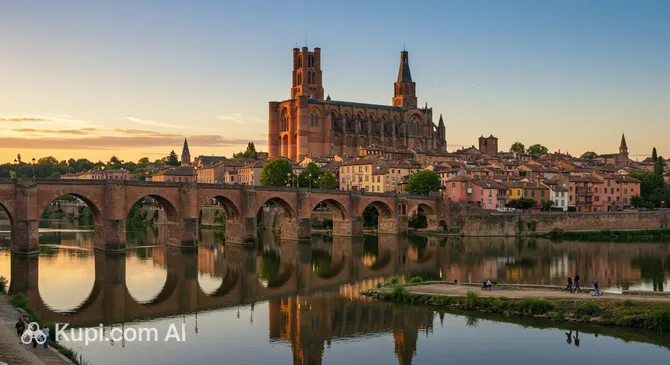
Albi. Illustration.
Source: Kupi.com AI

One of the main reasons to visit Albi is its rich cultural and historical heritage. The entire Episcopal City, including the majestic Sainte-Cécile Cathedral—the largest brick religious building in the world—and the Berbie Palace, which now houses the Toulouse-Lautrec Museum (Lautrec was a native of Albi), is a UNESCO World Heritage site. In addition to architectural masterpieces, Albi attracts with a vibrant cultural life: music festivals are held here, art galleries are open, and local markets are full of authentic products.

Albi is an ideal destination for those seeking inspiration, who appreciate history, architecture, and the unique atmosphere of Southern France. A visit to this city will give you unforgettable impressions and allow you to discover another wonderful facet of this beautiful country.

You can find more interesting facts on the history of Albi page.
Weather Overview

The weather in Albi is characterized by warm summers and cool winters. Average summer temperatures, especially in July and August, hover around 22-23°C, with highs reaching 28°C. In winter, during January and December, the average temperature stays around 5-7°C, with lows dropping to 2-4°C. Precipitation is distributed relatively evenly throughout the year, averaging 2-3 mm per month, with the number of rainy days varying from 7 in July to 15 in May.

Expect warm summers with little rainfall and cool, damp winters. To get more detailed weather information by month and plan your trip in the best way, you can check the detailed forecast: Albi Climate.

Average monthly temperature

Average monthly precipitation

Interesting Facts

In addition to its world-famous landmarks, such as the majestic cathedral and the museum of the famous artist, Albi hides many amazing stories and little-known details. Ready to learn a few secrets of this charming city in the south of France?

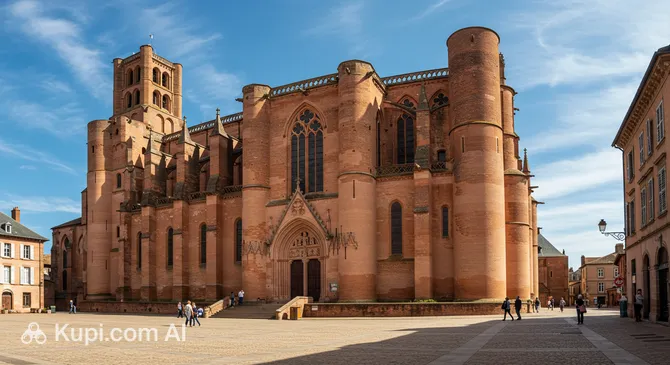
Albi Cathedral. Illustration.
Source: Kupi.com AI

Traveler photos:

  • Fortress Cathedral: The famous Sainte-Cécile Cathedral in Albi is not just the largest brick cathedral in the world, but also a real medieval fortress. Its monumental walls and austere appearance were intended to demonstrate the power of the Catholic Church after the Albigensian Crusades. The construction of this giant lasted more than two centuries, and inside it amazes with luxurious paintings and a grand organ.

  • Birthplace of a Post-Impressionist: Albi is the city that gave the world Henri de Toulouse-Lautrec. It is here, within the walls of the ancient Berbie Palace, that the world's largest museum dedicated to his work is located, housing more than a thousand of the artist's works, including his famous posters.

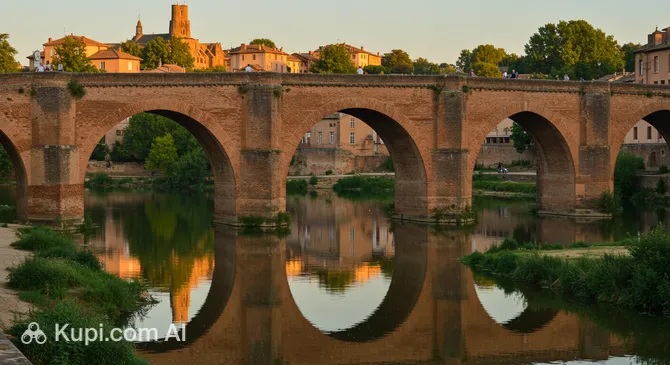
  • A bridge older than many in Paris: Albi's ancient bridge, the Pont Vieux (Old Bridge), was built as early as 1035. This makes it one of the oldest functioning bridges in France, which for centuries served as an important crossing over the Tarn River and played a key role in the city's development.

  • Cathar Heritage: The city of Albi gave its name to the Albigensians (Cathars)—followers of a religious movement that was widespread in the south of France in the 12th-13th centuries. Albi was one of the centers of this movement, which led to the Albigensian Crusades and left a deep mark on the history and culture of the region.

How to Get There

When planning a trip to this picturesque corner of Occitanie, it's worth thinking about the logistics in advance. There may not be direct flights to the city itself, so travelers often have to combine transport modes. You can explore all available options and detailed routes by following the link: more about how to get to Albi.

Albi does not have its own airport, but this is not a problem thanks to the proximity of major transport hubs. The most popular and convenient option is to fly into Toulouse-Blagnac Airport (TLS) in Toulouse, which is about 71 km from Albi. This is a major international hub serving many flights. The journey from the airport to Albi by rental car or taxi will take only about 1 hour thanks to the convenient A68 motorway. Alternatively, you can consider Rodez-Aveyron Airport (RDZ) in Rodez (about 60 km, travel time by car is about 1 hour) or Carcassonne Airport (CCF), which is often chosen by those flying on budget airlines (distance about 80 km, travel time about 1 hour 30 minutes).

For clarity, here is a summary of the main nearby airports:

AirportPassenger trafficDistance
Marcillac Airport100 00060 km
Toulouse-Blagnac Airport9.6 mln71 km
Carcassonne Airport322 76780 km
Aurillac Airport29 650110 km
Beziers Vias Airport273 297118 km

Traveling by train is another great way to get to your destination while enjoying views of the French countryside. The nearest major railway hub serving high-speed TGV trains is Matabiau Station in Toulouse (about 66 km from Albi). From there, regional trains (TER) depart regularly, taking you directly to the center of Albi (Albi-Ville station) in about 1 hour. If you decide to drive from Toulouse station, the journey will also take about 50–60 minutes.

Below is information about the nearest major railway stations that could be part of your route:

StationPassenger trafficDistance
Montauban Railway Station1.5 mln63 km
Matabiau Station9.8 mln66 km
Agde Station757 491126 km
Agen Railway Station1.6 mln126 km
Montpellier Railway Station8.1 mln144 km

Main Attractions

Albi, a charming city in the south of France known for its impressive brick architecture and rich history, offers tourists many interesting places. Here are just a few of the key attractions worth including in your itinerary:

The heart of the city and its main symbol is the Sainte-Cécile Cathedral (Cathédrale Sainte-Cécile d'Albi). This monumental red-brick structure is the largest brick cathedral in the world and an outstanding example of Southern Gothic. Its austere, almost fortress-like exterior hides an incredibly rich interior with stunning frescoes and a carved choir. A visit to the cathedral leaves an indelible impression.

Albi Cathedral. Illustration.
Source: Kupi.com AI

Traveler photos:

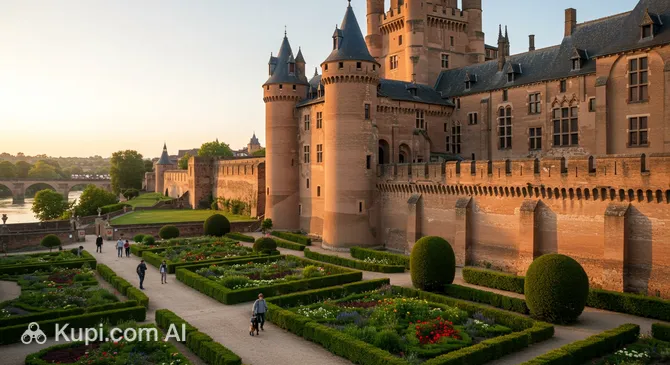
Not far from the cathedral stands the Berbie Palace (Palais de la Berbie). This former bishop's residence, also built of brick, looks more like a medieval fortress. Today, it houses the world-famous Toulouse-Lautrec Museum, which presents the most extensive collection of works by this famous artist, born in Albi. Walking through the palace halls and getting acquainted with Lautrec's work is a must-do part of the program.

Palace of the Berbie. Illustration.
Source: Kupi.com AI

Traveler photos:

Be sure to walk across the Pont Vieux, which means "Old Bridge." This stone bridge across the Tarn River was built in the 11th century and is one of the oldest in France. The bridge offers magnificent panoramic views of the cathedral, the Berbie Palace, and the city's old quarters—an ideal spot for memorable photos.

Old Bridge. Illustration.
Source: Kupi.com AI

Traveler photos:

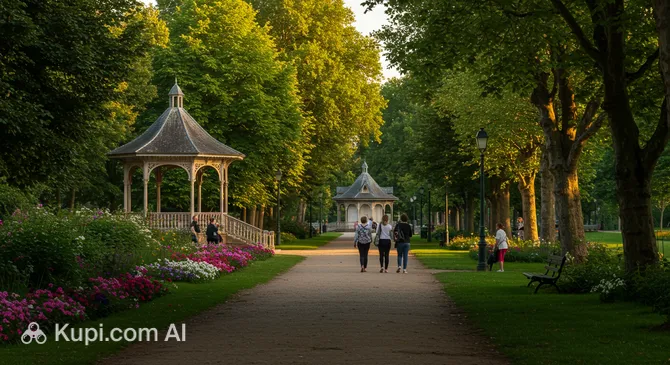
If you want to take a break from the city bustle and enjoy nature, head to Parc Rochegude. This spacious and well-maintained park offers shady alleys, picturesque ponds, beautiful floral arrangements, and picnic areas. It is a wonderful place for a leisurely walk and relaxation.

Rochegude Park. Illustration.
Source: Kupi.com AI

Traveler photos:

Local Cuisine

The gastronomy of Albi is a real feast for connoisseurs of exquisite flavors, immersing you into the heart of Southern French cuisine. Here, authentic dishes prepared with love from the freshest local products await you. A trip to Albi would not be complete without tasting the culinary masterpieces of the region.

Among the dishes definitely worth trying is the famous cassoulet—a hearty and aromatic casserole of white beans with various types of meat, such as duck legs, pork, and sausages. Another pride of the local cuisine is the Albigensian sausage, which is often served with aromatic herbs and fresh country bread. You will also find excellent duck and goose dishes on Albi's restaurant menus, including the delicacy foie gras. Don't forget to save room for dessert: delicious apple and plum tarts await you, as well as traditional sweets like croustade (a flaky fruit pastry) and tender fouace (a sweet brioche-style bread).

The meal is accompanied by magnificent local wines. The Tarn region, where Albi is located, is famous for its winemaking traditions. Be sure to try the rich reds and refreshing whites that perfectly complement the flavor of local dishes. Among non-alcoholic drinks, freshly squeezed juices and local lemonades are popular.

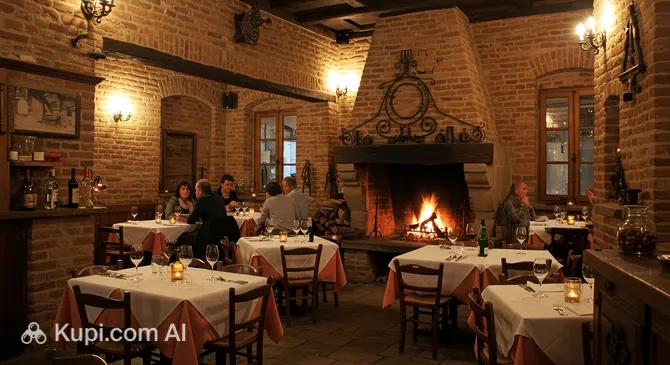
The food culture in Albi is diverse. Locals and tourists love to dine in cozy restaurants where you can enjoy traditional recipes in an authentic setting. One such place is La Forge du Vieil Alby, which offers local cuisine. Street food is also worth attention—in the bustling squares, you can buy fresh pastries and crunchy baguettes with various fillings. Farmers' markets give a special charm to the gastronomic scene in Albi. Here, local producers offer fresh goat cheeses, aromatic honey, seasonal vegetables and fruits, as well as homemade pâtés and sausages. Visiting such a market is not just about buying food, but a true immersion in the atmosphere of Southern French hospitality and taste.

La Forge du Vieil Alby. Illustration.
Source: Kupi.com AI

Traveler photos:

Gastronomic festivals regularly held in Albi provide a wonderful opportunity to get acquainted with the best products of the region and try unique dishes from local chefs. This is a true celebration of taste that will leave unforgettable impressions on every gourmet.

Travel Tips

Welcome to Albi! To ensure your trip to this charming city in Occitanie goes as smoothly and pleasantly as possible, we have prepared some practical tips. They will help you better navigate and enjoy every moment of your stay.

  1. Clothing and Essentials:

    The climate in Albi is temperate. In summer (June-August), it is warm, so bring light clothing, sunglasses, and sunscreen. Winters (December-February) are mild but can be cool—layered clothing, a warm jacket, and an umbrella will come in handy. Comfortable shoes are absolutely necessary for walking through the historic center with its cobbled streets. When visiting the majestic Sainte-Cécile Cathedral, remember the dress code: shoulders and knees should be covered. Don't forget a universal power adapter (type E sockets are used in France).

  2. Transport:

    Albi is a compact city, and its historic center is best explored on foot. For longer trips, there is the local LibéA bus network; tickets can be bought from the driver or at special points of sale. Taxis are available, but ride-hailing apps like Uber may have limited coverage in a small city like Albi—it's best to check with local taxi companies. Renting a car is advisable if you plan to explore the wider expanses of the Occitanie region, but for Albi itself, it is not necessary due to potential parking difficulties in the old town.

  3. Finance:

    The local currency is the Euro (€). Credit and debit cards (Visa, Mastercard) are widely accepted in shops, restaurants, and hotels. It's always useful to carry some cash for small purchases or at markets. ATMs (distributeurs automatiques de billets) are easy to find. An approximate daily budget can be €70-€120 per person, excluding accommodation, depending on your habits. Tipping (pourboire) is welcomed for good service in restaurants (usually 5-10% of the bill or rounding up the amount), but it is not strictly mandatory as a service charge is often included in the bill.

  4. Health and Safety:

    Pharmacies (pharmacie), marked with a green cross, are frequent. Some offer after-hours services (pharmacie de garde); information about this can usually be found on pharmacy doors or online. In case of a medical emergency, call 112 (the European emergency number). Make sure you have valid travel insurance. Albi is generally a very safe city. However, as everywhere, follow basic precautions: keep an eye on your valuables and be aware of your surroundings, especially in crowded tourist spots.

  5. Communication:

    The official language is French. In tourist areas, hotels, and some restaurants, staff may speak English, but knowing a few basic French phrases will be very useful and appreciated by locals: "Bonjour" (Hello), "Merci" (Thank you), "S'il vous plaît" (Please), "Excusez-moi" (Excuse me). A French SIM card can be purchased in mobile phone stores or some supermarkets for cheaper local calls and mobile internet. Wi-Fi is available in many cafes, hotels, and public places (look for the "WiFi gratuit" sign).

  6. Local Etiquette:

    A simple "Bonjour" (or "Bonsoir" in the evening) when entering shops or cafes is the accepted norm. Politeness is valued; use "Monsieur" (Mr.), "Madame" (Mrs.), or "Mademoiselle" (Miss) when addressing strangers. In public places, try not to speak too loudly.

  7. What to Avoid:

    Try not to discuss sensitive political topics or make sharp comparisons between France and your home country, especially if they are critical in nature. In a restaurant, do not start eating until everyone at the table has been served, unless you are invited to start earlier.

  8. Extra Tip:

    Albi is famous for its Episcopal City, a UNESCO World Heritage site. Consider purchasing an "Albi City Pass" if available, as it often provides discounts on entry to key attractions like Sainte-Cécile Cathedral and the Toulouse-Lautrec Museum, and sometimes includes public transport. Also, note the local market days (often Saturday mornings near the cathedral)—it's a great opportunity to try local products and soak up the authentic atmosphere.

Armed with these tips, you are ready to discover the historical beauty and welcoming atmosphere of Albi. We wish you an unforgettable journey to the heart of Occitanie!

Entertainment & Nightlife

Albi, a charming city in the south of France, offers its guests a quiet but pleasant evening atmosphere that differs from the noisy nightlife of megacities. Here you won't find huge nightclubs open until dawn, but you can enjoy cozy bars, excellent restaurants, and cultural events.

The main evening life of Albi is concentrated in its historic center, especially around Place du Vigan and along the picturesque streets leading to the Tarn River. After dark, the city is transformed as illuminated old buildings create a magical atmosphere for walks and gatherings. Here you can find many establishments for every taste, from traditional French bistros to modern wine bars. For a pleasant dinner in an authentic setting, you might consider La Forge du Vieil Alby, known for its local cuisine. The city will certainly offer other worthy places to discover during your stroll.

La Forge du Vieil Alby. Illustration.
Source: Kupi.com AI

Traveler photos:

While Albi is not famous for a large number of nightclubs, there are several bars where you can spend time after dinner enjoying drinks and socializing. The atmosphere in such places is usually relaxed and friendly, attracting both locals and tourists. There is generally no strict dress code, or it is limited to smart casual. Most bars are open until midnight or 1:00 AM, especially on weekends. Look for signs saying "bar à vin" (wine bar) or "pub" to immerse yourself in the local evening life.

Practical tips for an evening out in Albi:

The best time to start the evening is after 7:00 PM - 8:00 PM, when most restaurant kitchens open. Bars come alive closer to 9:00 PM - 10:00 PM. Prices in bars and restaurants are moderate for France. Moving around the city center at night is convenient on foot. If you need a taxi, it is better to book it in advance through your accommodation or the restaurant, as catching one on the street late at night can be difficult.

Albi is considered a fairly safe city for night walks, especially in the central and well-lit areas. Nevertheless, it is always worth taking usual precautions: keep an eye on your belongings and avoid poorly lit and deserted places.

During the day, Albi also offers many interesting activities. You can visit the famous Albi Cathedral (Sainte-Cécile), impressive with its brick Gothic architecture, or immerse yourself in art at the Toulouse-Lautrec Museum, located in the former bishop's Berbie Palace. For a peaceful break in nature, Parc Rochegude or the Jardin National of Albi are ideal.

Albi Cathedral. Illustration.
Source: Kupi.com AI

Traveler photos:

Parks & Museums

Albi, a charming city in the south of France, offers its guests not only impressive architecture but also wonderful opportunities for outdoor recreation and immersion in a rich cultural heritage. Here you will find well-kept parks where you can enjoy the silence, and museums housing unique collections and telling the city's history.

Among Albi's green oases, Parc Rochegude particularly stands out. This vast English-style park is the perfect place for leisurely walks, picnics, or just relaxing in the shade of the trees. It features ponds, a rose garden, playgrounds, and even a small menagerie, making it attractive for visitors of all ages. Another wonderful place for nature lovers is the Jardin National of Albi, a classic French garden offering a peaceful atmosphere and beautiful floral arrangements near the historic center.

The main cultural gem of Albi is undoubtedly the Toulouse-Lautrec Museum. Housed within the walls of the majestic Berbie Palace (Palais de la Berbie), a former bishop's residence, this museum holds the world's largest collection of works by Henri de Toulouse-Lautrec, a native of Albi. Visitors can trace the artist's creative path, from his early works to his famous posters of Parisian life. The Berbie Palace itself, with its powerful walls and terraced gardens overlooking the Tarn River, is an outstanding monument of medieval architecture and deserves special attention.

In addition to the Toulouse-Lautrec Museum, the history and architectural grandeur of Albi are vividly represented in other iconic places. It is impossible to overlook the monumental Albi Cathedral (Cathédrale Sainte-Cécile d'Albi)—a unique example of Southern Gothic built of brick. Its austere exterior contrasts with the incredibly rich interior decoration, including large-scale frescoes and one of the largest organs in France. It is also worth walking across the ancient Pont Vieux, one of the oldest bridges in France, which offers picturesque views of the cathedral and city quarters.

For a more authentic acquaintance with Albi, turn off the busy tourist routes into the labyrinth of narrow streets in the Old Town. Here you can discover charming courtyards, small craft workshops, and feel the spirit of the Middle Ages. An evening walk along the banks of the Tarn River will provide unforgettable impressions and allow you to see the city in a different, more tranquil light.

Getting Around

When planning your travel around Albi, you will find that the public transport system is quite compact and focused mainly on bus services. This makes moving around the city and its surroundings quite convenient for tourists wishing to see local attractions.

The backbone of public transport in Albi is the bus network managed by libéA (formerly Albibus). Routes cover both the city center and surrounding areas, connecting key points including the train station, tourist sites, and residential quarters. There is no metro or tram in Albi; buses are the main way to travel by public transport. Schedules and routes can be found on the transport company's official website or at the stops.

The payment system in Albi offers several options. You can purchase single tickets directly from the bus driver, though this may be slightly more expensive. A more cost-effective option is often carnets (sets of several tickets) or day/week passes, which allow for an unlimited number of trips within a certain period. Information on points of sale (tobacco kiosks, special machines, or the transport company's office) and current fares is best checked on-site or on the libéA website. Some transport systems in France also offer mobile apps for purchasing tickets.

Tourists are advised to buy tickets in advance if possible to save time and potentially money. Don't forget to validate your ticket when entering the bus in the special device—usually a yellow or orange machine. Buses in Albi usually run from early morning until evening, however, the frequency may decrease on weekends and public holidays, as well as on less popular routes. It is always useful to check the schedule in advance, especially if you plan late trips.

In addition to buses, alternative ways to get around are available in Albi. Taxis can be found at special ranks or called by phone. For those who prefer active recreation and short distances, bike rental can be a good option. The city has a bike-sharing system, such as the "Vélo'r Albi" service, which allows you to rent a bicycle at one of the numerous stations. This is a great way to explore the historic center and the banks of the Tarn River at your own pace.

Accommodation

In Albi, travelers will find various accommodation options to suit different preferences and budgets. The city offers a choice from cozy guesthouses (chambres d'hôtes) and self-catering apartments to traditional hotels. You can find both budget-friendly options and mid-range establishments that provide a comfortable stay.

Undoubtedly, the most convenient area for tourists to stay is the historic city center, also known as the Episcopal City, a UNESCO World Heritage site. By staying here, you will be within walking distance of the main attractions, such as the majestic Albi Cathedral and the Toulouse-Lautrec Museum, located in the Berbie Palace. Areas adjacent to the Tarn River are also popular, offering picturesque views of, for example, the ancient bridge Pont Vieux.

Regarding the price range, you can find options in Albi from budget to more expensive, especially when it comes to hotels with a high level of service or unique historical buildings. It is recommended to book accommodation in advance, especially if your trip falls during the peak tourist season (summer) or during major city events. To search and book, it is convenient to use popular online platforms or contact the chosen hotel or guesthouse directly.

Nearby Cities

For those who want to explore the surrounding area, Albi serves as an excellent starting point for day trips to several interesting nearby places:

CityPopulationDistance
Bellevue57 6996 km
Carmaux9 78214 km
Gaillac15 34520 km
Graulhet12 84422 km
Lavaur10 87936 km

Among these cities, several destinations especially stand out and are worth considering for a day trip:

Montauban, located about 65 km away, attracts with its famous Place Nationale with double arcades and the Ingres-Bourdelle Museum, which houses a rich collection of works by these artists. This city, built of pink brick, will enchant lovers of art and history.

Castres, located just 36 km from Albi, is known for its Goya Museum, which features the second largest collection of Spanish painting in France. The city is also famous for its picturesque houses along the Agout River, which earned it the nickname "Little Venice of Languedoc."

Rodez, about 58 km away, impresses with its majestic Notre-Dame Cathedral, a masterpiece of Gothic architecture. In addition, the city is home to the Soulages Museum, dedicated to the work of the famous contemporary artist Pierre Soulages, making it an interesting place for appreciators of both ancient and modern art.

These nearby destinations allow you to get a sense of the region's diverse culture and landscapes.

Shopping & Souvenirs

Shopping in Albi is a charming immersion into the world of French provincial charm, where the focus is not on giant malls but on unique finds and local products. The city offers pleasant opportunities for those seeking authentic souvenirs, regional delicacies, and handmade items rather than just mass-produced goods.

The main shopping spots are concentrated in the historic center of Albi (Vieux Alby). Take a stroll along picturesque streets such as Rue Mariès, Rue de l'Hôtel de Ville, Rue Sainte-Cécile, and their adjacent pedestrian zones. Here you will find many small boutiques for clothing, shoes, and accessories, bookstores, art galleries, and, of course, shops with local specialties. The atmosphere of the old town makes the shopping process particularly enjoyable.

In Albi itself, there are no huge multi-story shopping centers common in megacities. However, on the outskirts of the city, you can find larger commercial areas, such as Les Portes d'Albi, which host hypermarkets (like E.Leclerc or Géant Casino) and chain stores offering a wide range of goods—from food to electronics and household items. Independent shops and small shopping galleries predominate in the city center.

A must-visit for lovers of gastronomic shopping is the Albi Covered Market (Marché Couvert). It is located in a beautiful historic building and is open almost every day (usually except Monday). Here you will find an abundance of fresh local products: cheeses, sausages, foie gras, olives, fresh pastries, fruits, vegetables, and flowers. On Saturdays, lively street fairs often unfold around the market and in Place du Vigan, where you can buy not only food but also clothing, souvenirs, and items from local artisans.

As souvenirs from Albi, it's worth bringing back local gastronomic delights: wines from the nearby Gaillac region, foie gras, duck confit, local cheeses, honey, or traditional pastries. Pay attention to products made from pastel (a plant that produces a blue dye, historically important for the region). Souvenirs related to the city's rich history are also popular, for example, featuring the majestic Albi Cathedral, or reproductions and items inspired by the work of the famous artist Henri de Toulouse-Lautrec, to whom the Toulouse-Lautrec Museum is dedicated.

Most shops in Albi are open from Monday to Saturday, usually from 9:00 or 10:00 AM to 7:00 or 7:30 PM. Many small and private shops close for a lunch break, typically from 12:30 PM to 2:00 PM or 2:30 PM. Large supermarkets and shops in commercial areas may work without a break. On Sunday, most shops are closed, except for some bakeries, flower shops, and souvenir shops, especially during the peak tourist season. Cash (Euro) and bank cards (Visa, Mastercard) are widely accepted. American Express may not be accepted in all establishments, especially smaller ones.

Tourists residing permanently outside the European Union may be entitled to a VAT refund (Tax Free) when making purchases over a certain amount (usually over 100 Euros) in one shop in one day. Look for "Tax Free Shopping" or "Détaxe" stickers in shops. To process the tax refund, you will need to present your passport and obtain a special receipt (bordereau de détaxe) from the seller, which you then need to present to customs when leaving the EU.

Reached the end of the page?

That means the route is fully explored