Support

Mende

About

Mende is the picturesque heart of the Lozère department and the former capital of the mysterious historical land of Gévaudan. Snugly nestled in the upper valley of the Lot River, the city serves as a unique threshold to the Cévennes National Park. Despite its compact size and population of just over 12,000, Mende holds the status of a prefecture and possesses a special charm that is highly valued by travelers discovering the southern part of France.

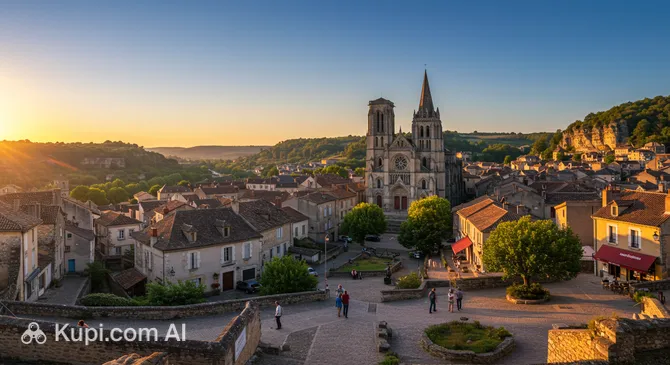
The atmosphere here is steeped in the spirit of antiquity, and a walk through the center feels like diving into a medieval fairy tale. Narrow cobbled streets, ancient fountains, and unique houses with roofs resembling overturned boats create a singular architectural ensemble. Mende's centuries-old history has left its mark on every detail of the cityscape, from majestic towers to cozy squares.

Mende. Illustration.
Source: Kupi.com AI

This city is ideal for leisurely strolls and getting to know the authentic culture of the Occitanie region. There is no metropolitan hustle and bustle here; instead, there is a wonderful combination of natural beauty and man-made treasures. Mende is often chosen as a starting point for traveling through picturesque mountains and exploring the undiscovered corners of the Massif Central.

If you are looking for a place where time seems to slow down and every day is filled with tranquility and new discoveries, Mende will be an excellent choice for your itinerary.

Weather Overview

The city's climate is largely determined by its location in a mountainous area, providing fresh air and a clear change of seasons. Before your trip, it's useful to know what weather in Mende is expected for your visit dates, as conditions can change.

Summer is considered the most comfortable time for tourism. In July and August, the air warms up to an average of 23.7°C during the day, creating ideal conditions for walking without sweltering heat. The number of rainy days during this period is minimal—about 8 per month—making summer the driest season of the year.

Winters in the region are cool. In January, the average temperature is around 1.5°C, and at night the mercury can drop to -1.3°C. Expect moderately warm summers with comfortable temperatures and cool winters with increased humidity, when the number of days with precipitation can reach 16 per month, especially in December.

Average monthly temperature

Average monthly precipitation

Interesting Facts

In addition to its main attractions, Mende holds many fascinating secrets that make its history truly alive and intriguing. Here are a few facts that will help you look at this city in a new way:

  • Capital of the legendary Gévaudan. Mende was historically the center of the Gévaudan province, which gained worldwide fame for the mysterious story of the "Beast of Gévaudan." In the 18th century, attacks by this mysterious creature spawned many dark legends that still inspire writers and filmmakers today.

  • Boat roofs. A unique feature of local architecture is the roofs of houses that resemble overturned boats (so-called "toit à la Philibert"). This shape is not just an aesthetic whim but an ingenious engineering solution: this design better withstands the weight of snow and the gusts of wind typical of this mountainous area.

  • A refuge for pilgrims. The Gothic Notre-Dame-et-Saint-Privat Cathedral, built between the 14th and 16th centuries, is considered a true gem of the region. According to legend, in the Middle Ages, it served as an important shelter for pilgrims seeking protection and spiritual support on their long journey to Santiago de Compostela.

  • A symbol of resilience over the Lot River. The medieval Notre-Dame Bridge is preserved in the old part of the city. This stone structure has remarkably survived many historical storms and natural disasters, remaining one of the main symbols connecting Mende's past and present.

How to Get There

A journey to the heart of the Lozère department requires some planning, as the city is located away from major highways among picturesque mountain landscapes. You can find out more about how to get to Mende by studying all available routes; however, tourists most often combine a flight or a high-speed train trip with a transfer by car or bus.

There is no airport in the city of Mende itself, so travelers have to use the airports of neighboring cities. The closest option is Marcillac Airport (IATA: RDZ), located in Rodez, about 82 km from the destination. The journey from here by taxi or transfer will take about 2 hours and 20 minutes, given the mountainous terrain. This is a small regional airport, convenient for those who want to shorten the land portion of the trip.

For international flights, a more convenient hub could be Montpellier–Méditerranée Airport (IATA: MPL). It is located in Montpellier, about 110 km from Mende. This is a large transport hub with a high passenger flow, receiving flights from many countries. The drive from here will take approximately 3 hours. You could also consider Garons Airport (IATA: FNI) in Nîmes (about 112 km), from which the journey will take a comparable amount of time.

For clarity, here is summary information on the main airports:

AirportPassenger trafficDistance
Loudes Airport6 70066 km
Marcillac Airport100 00082 km
Aurillac Airport29 65095 km
Montpellier Mediterranee Airport1.8 mln111 km
Garons Airport260 000112 km

Railway connection is another popular way to reach the region, although it is worth noting that major high-speed trains (TGV) do not go directly to Mende. The nearest major station is Nîmes Railway Station (IATA: ZYN), located in Nîmes, about 103 km from Mende. From here, tourists often have to transfer to regional trains or buses, or take a taxi, which will take about 2.5–3 hours.

An alternative is the Montpellier Railway Station (IATA: XPJ) in Montpellier (about 106 km from Mende). This is a very busy transport hub with excellent connections. As with the airports, there is no direct high-speed service to Mende, so the last part of the route will have to be covered by local transport.

Below is a table of the nearest major railway stations for planning transfers:

StationPassenger trafficDistance
Nîmes Railway Station4.4 mln103 km
Montpellier Railway Station8.1 mln106 km
Nîmes Pont du Gard Station1.1 mln112 km
Avignon Railway Station4.5 mln122 km
Valence TGV Station3.3 mln128 km

Main Attractions

Attractions:

Mende is a city where history comes alive on every street. Its compact historical center allows you to explore the main landmarks on foot, enjoying the medieval atmosphere. Here are some key attractions that are definitely worth including in your travel itinerary.

The main symbol of the city and its architectural focal point is the majestic Notre-Dame-et-Saint-Privat Cathedral. This powerful Gothic structure was built by the will of Pope Urban V, a native of these parts. Tourists are drawn to the unusual facade with two asymmetrical towers: one of them, the "Bishop's Bell Tower," rises 84 meters high and is visible from anywhere in the city. Inside the cathedral, a solemn atmosphere prevails, highlighted by magnificent stained-glass windows, ancient Aubusson tapestries, and carved wooden choir stalls. This is a must-visit for lovers of sacred art and architecture.

No less picturesque is the ancient Notre-Dame Bridge, spanning the Lot River. Built in the 13th century, this stone arch bridge has miraculously survived to this day and has become one of the most photographed sites in Mende. It offers a postcard-perfect view of the old town and the famous tiled roofs in the shape of overturned boats. A walk across the bridge and along the river embankment will provide peace and an opportunity to enjoy the silence away from the city noise.

For those who don't fear physical activity and seek the best panoramic views, the Saint-Privat Hermitage is the perfect destination. It is located on the slope of Mount Mimat, which looms over the city. A scenic trail follows the path of the Stations of the Cross leading up to it. Once at the top, you will see a small chapel and the grotto where, according to legend, Saint Privat, the city's patron saint, lived. However, the traveler's main reward is the breathtaking bird's-eye view of Mende and the Lot River valley. In the evening, when the city lights up, the panorama becomes truly magical.

To dive deeper into the region's culture, it is worth visiting the Musée du Gévaudan. Located in the beautiful Buisson de Ressouches mansion, it offers a rich exposition telling the history of the Lozère department from prehistoric times to the present day. Here you can see archaeological finds, ethnographic collections, and, of course, learn more about the legend of the Beast of Gévaudan, which is an integral part of local folklore.

Local Cuisine

The cuisine of Mende is a true gastronomic mirror of the Lozère region, where rural traditions harmoniously combine with the culinary mastery that France is so proud of. Here, quality and the natural taste of products are prioritized. The main hallmark of the local gastro scene is the famous aligot. This is a thick, stretchy potato purée mixed with fresh tomme cheese and garlic. Watching it being served is a show in itself, and it is traditional to enjoy this hearty dish in the company of fried sausages or a piece of meat.

Meat delicacies take center stage on local restaurant menus. Thanks to lush alpine pastures, local beef is particularly tender and aromatic, considered one of the best in the region. Gourmands should also look for tender lamb dishes and various farmhouse terrines and pâtés, often prepared with fragrant herbs from the nearby Cévennes mountains. This is an ideal choice for restoring strength after long walks.

It's impossible to talk about food in Mende without mentioning cheese. The king of the table here is undoubtedly Pélardon—a small round goat cheese with a soft texture and a subtle nutty aftertaste. Locals recommend pairing it with a glass of regional wine, which perfectly complements the product's tanginess. Popular non-alcoholic drinks include herbal infusions and natural fruit juices from local orchards.

The food culture in the city is closely tied to seasonality. The best place to understand local tastes is Mende's farmers' market. Here you can buy the freshest smoked meats, homemade pies, and seasonal treats. In the colder months, the air fills with the aroma of roasted chestnuts, which are historically an important part of the diet in the Cévennes, while in summer and autumn, the city comes alive with gastronomic festivals and harvest celebrations.

Travel Tips

Preparing for a trip to Mende is key to ensuring your introduction to the Lozère department is seamless and comfortable. This cozy city, located in the south of France, lives at its own measured pace, and knowing a few local nuances will help you avoid awkward situations and save time.

  1. Clothing and Gear. Since Mende is located in the foothills, the weather can be changeable. Even in summer, evenings can be cool, so layering is your best friend: be sure to bring a light jacket or sweater. For walking through the historic center with its ancient cobblestones, choose comfortable flat shoes; heels here will be inappropriate and potentially hazardous. When visiting the cathedral, observe a modest dress code (covered shoulders and knees).

  2. Transport. The city's historical center is very compact, and it's best to move around on foot. Public transport consists of the TUM bus network, but services can be infrequent. Apps like Uber practically don't exist here, so it's better to book taxis in advance by phone. For exploring the surroundings and trips to the Cévennes park, renting a car is highly recommended, as many natural beauties are inaccessible by public transport.

  3. Finances. The official currency is the Euro. Supermarkets and most restaurants accept Visa and Mastercard without problems, but small bakeries, souvenir shops, or the farmers' market may require cash. ATMs are easy to find in the city center. Tips in France are usually included in the bill (service compris), but leaving 1-2 euros or rounding up the amount for good service is considered polite.

  4. Health and Safety. Mende is a very calm and safe city where you can walk even late at night without major concerns. However, standard precautions (not leaving belongings unattended) still apply. Pharmacies are marked by a flashing green cross; a duty pharmacy on weekends can be found on a list on the door of any closed pharmaceutical point. The emergency services number is 112.

  5. Communication. The primary language of communication is French. Staff at the tourist office and large hotels speak English, but you may not be understood in small cafes or shops. Download an offline translator and learn a few basic phrases. Free Wi-Fi is often available in public places and cafes, but for stable connection in the mountains, it's better to buy a local SIM card (e.g., Orange or SFR) at tobacco kiosks (Tabac).

  6. Local Etiquette. Politeness plays a key role here. When entering any shop, cafe, or even a bus, be sure to say a loud and clear "Bonjour" (Good day) or "Bonsoir" (Good evening). Ignoring this rule is perceived as rudeness. It is customary to communicate with locals in a reserved but friendly manner.

  7. What to Avoid. Don't try to have lunch at "off" hours. The French provinces strictly observe meal times: restaurants are open for lunch from 12:00 to 14:00 and for dinner from 19:00 to 21:00. In between, the kitchen is usually closed, and you might only be offered drinks or sandwiches in bars.

  8. Working Hours Features. Remember the "siesta" and weekends. Many shops and institutions close for a lunch break (often from 12:00 to 14:00), and Sunday and Monday may be complete days off for boutiques and even some restaurants. Plan shopping and important errands for mid-week or Saturday morning.

By following these simple tips, you can easily blend into the life of Mende and feel not just like a tourist, but like a welcome guest. Enjoy the clean mountain air, delicious food, and unique atmosphere of this wonderful corner of Occitanie!

Entertainment & Nightlife

The nightlife in Mende is characterized by a calm and cozy nature, which is quite expected for a small town of about 12,000 people. You won't find massive nightclubs with thumping music until dawn here, but you can enjoy the warm atmosphere of the French province. Evening leisure is built around socializing: locals and tourists gather in bars and on terraces to discuss the day over a glass of wine or a pint of local beer.

The epicenter of evening activity is the historic city center, especially the area around Boulevard du Soubeyran and Place du Foirail. This is where most establishments that stay open late are concentrated. In the summer months, life spills out onto the streets: open terraces fill with people, laughter and music sound out, creating a sense of endless celebration. The crowd here is quite diverse—from students and young people to couples and hikers returning from mountain routes.

Among specific establishments popular with locals, Brasserie Le Commerce stands out. This is a classic French venue on the boulevard where you can not only have a delicious dinner but also stay late with a cocktail in a lively setting. Another iconic spot is Le Grand Café de Paris, located nearby. It attracts visitors with its traditional interior and excellent selection of drinks. For those who prefer a more intimate atmosphere, small wine bars can be found in the alleys of the old town, offering tastings of the best varieties from the Occitanie region.

If you are looking for cultural entertainment, keep an eye on the Théâtre de Mende schedule. Performances, concerts, and dance shows take place here regularly and can be a great start to your evening. There is also the Cinéma Le Trianon in the city, showing the latest international releases and French cinema. This is a wonderful option for a quiet evening if the weather isn't suitable for walking.

On the practical side, it's important to remember that Mende is a city of "early birds." Most bars close around one or two in the morning, making it difficult to plan a party until sunrise. Prices are moderate: a glass of beer or wine costs on average 3–5 euros. In terms of safety, Mende is one of the calmest cities in the region. You can safely walk through the well-lit streets of the center even late at night. Taxis are almost impossible to catch on the street at night, so if you're staying far from the center, it's better to note the numbers of local taxi services in advance or arrange a transfer.

During the day, the city offers an equally interesting program. In addition to walking through medieval streets, you can visit local museums or head to the parks for a picnic. However, it is in the evening, when the lights come on and the ancient buildings take on a mysterious look, that Mende reveals its true charm, inviting guests to slow down and enjoy the moment.

Parks & Museums

Mende offers travelers a harmonious balance between educational leisure and outdoor relaxation. Surrounded by green hills and forests, the city has cozy areas for walking, while its cultural institutions allow for a deep dive into the unique traditions of the Lozère region.

Among the city's green zones, Parc de Wunsiedel holds a special place. This picturesque garden, named after the German twin town, is located near the historical center. It is an ideal spot for family relaxation or a quiet read in the shade of the trees. A peaceful atmosphere prevails here, and the well-kept alleys invite a leisurely promenade.

Although not a park in the classic sense, Mende's true "green lungs" are the Forêt de Mimat, covering the slopes of the mountain of the same name right above the city. This is a vast natural area with a network of marked trails, accessible on foot directly from the center. Tourists value this place for its thick pine air and the opportunity to quickly swap the urban setting for wild nature while enjoying panoramic views of the Lot River valley.

The city's main cultural center is the Musée du Gévaudan. Located in the magnificent Buisson de Ressouches mansion, it is a must-see for anyone interested in history. The museum's exposition covers a vast timeframe—from early archaeological finds to the present day. Special attention is paid to ethnography and, of course, the famous legend of the Beast of Gévaudan, which is presented here through the lens of historical documents and folklore.

Lovers of sacred art should look for the Cathedral Treasury, located within the walls of the majestic Gothic Notre-Dame Cathedral. It houses rare cult objects, ancient vestments, and jewelry demonstrating the craftsmanship of artisans from past centuries. This small but impressive collection helps better understand Mende's religious significance as an episcopal city.

Regarding architectural monuments, besides the cathedral, the Tour des Pénitents (Tower of the Penitents) is of interest. It is one of the few surviving parts of the medieval fortress walls, which for centuries served as a meeting place for a religious brotherhood. Its austere appearance recalls times when the city needed protection.

For those looking for hidden gems, we suggest keeping an eye out for the so-called "béals"—small canals that thread through the old part of the city. A walk along these water arteries, often hidden behind houses, will reveal Mende from an unexpected, more intimate side that not all guidebooks know about.

Getting Around

The transport system of Mende perfectly matches its intimate and cozy character. Since the city is quite compact, there is no need for a metro or trams. Walking remains the primary way to get around the historic center, allowing you to best experience the atmosphere of the ancient streets. However, for trips to distant districts or the railway station, there is a convenient bus network.

Public transport is represented by a network of city buses, which, after rebranding in early 2025, was named MAX (Mende Mobilités). These are small, maneuverable buses that run on several main routes connecting the city center, residential quarters, commercial zones, and the station. Service intervals can vary from 30 minutes to an hour depending on the time of day, so tourists shouldn't expect capital-city frequency.

Public transport in Mende is very affordable. A full-day ticket costs very little—about 1€—making buses an excellent budget option for getting around. For residents and guests of remote areas not served by regular routes, there is a convenient "Transport à la Demande" (transport on demand) service. This service allows you to book a trip in advance, ensuring a connection to the center even from the most secluded corners of the municipality.

It is important to consider the transport schedule. Buses in Mende generally do not run late in the evening or at night. On Sundays and public holidays, the number of trips may be significantly reduced or there may be no service at all. Up-to-date schedules can always be found at stops, at the tourist office, or on the official city hall website. If you plan an early departure or a return after dinner, it's better to think about alternative options in advance.

As an alternative to public transport, you can use taxi services. However, remember that in the province there are no familiar ride-hailing apps like Uber, and catching a car on the street is almost impossible. Taxis must be ordered by phone in advance. This is especially relevant for trips to the station or to restaurants located outside the city limits.

For those who want to explore the picturesque surroundings of the Lozère department, renting a car is the best solution. This will give you full freedom of movement and allow you to reach natural attractions not served by city transport. Electric bike rental is also gaining popularity in Mende, which is very convenient given the hilly terrain. Rental points can be found in the center, or you can check for information at the tourist center.

Accommodation

Mende offers travelers a variety of accommodation options that reflect the calm and welcoming character of the Lozère region. You are unlikely to find huge luxury chain hotels here, but the city is famous for its cozy family-run hotels, atmospheric guest houses, and campsites surrounded by picturesque nature. The choice of accommodation largely depends on the goals of your trip: whether you want to be in the center of historic events or prefer the silence of a countryside retreat.

For those who want to immerse themselves in the medieval atmosphere, hotels in the historical center are the best choice. Staying here, you will be within walking distance of the majestic cathedral and numerous restaurants. This is an ideal option for tourists without a car or those planning a short visit. Many of these buildings are themselves part of history, offering rooms with views of ancient roofs or narrow cobbled streets. However, keep in mind that parking can be difficult in the old town.

If you are traveling by car and value space, look into hotels on the outskirts of the city or along the banks of the Lot River. Such accommodation options often offer their own parking, more spacious rooms, and often pools, which is especially relevant during the hot summer months. This is an excellent base for day trips into the mountains and the national park.

Particularly popular in this part of France are guest houses (chambres d'hôtes) and rental cottages (gîtes). This is a wonderful opportunity to get to know the local lifestyle and enjoy home comforts. For fans of budget travel and proximity to nature, there are excellent campsites equipped in the vicinity of Mende, which in high season become real little towns with their own infrastructure. Given the region's tourist appeal, especially in July and August, it is recommended to book accommodation in advance.

Nearby Cities

For those who want to explore the surroundings, Mende serves as an excellent starting point for day trips to several interesting nearby places:

Just an hour and a half drive to the west is Rodez. This city is famous for its impressive Gothic cathedral made of pink sandstone, which dominates the landscape and is visible from afar. Additionally, Rodez attracts contemporary art enthusiasts thanks to the Pierre Soulages Museum, which houses a unique collection of works by this master of abstractionism.

Heading south, you can visit Nîmes, often called the "French Rome." This is an ideal destination for fans of ancient history: here lies one of the best-preserved Roman amphitheaters in the world, which still hosts events, as well as the elegant Maison Carrée temple. A walk through the Jardins de la Fontaine will offer coolness and aesthetic pleasure.

Closest to Mende is Alès, known as the "gateway to the Cévennes." The city is interesting for its combination of industrial heritage and natural beauty. Here you can visit a mine museum telling the story of the region's mining past or walk through Parc de la Tour Vieille with its botanical collections.

CityPopulationDistance
Sévérac-le-Château40 km
Millau22 00257 km
Alès41 83764 km
Le Puy-en-Velay19 21566 km
Aubenas12 47971 km

These nearby destinations provide insight into the diverse culture and landscapes of the region.

Shopping & Souvenirs

Shopping in Mende is far from the hustle and bustle of major metropolises and endless rows of global brands. It is rather a cozy and leisurely acquaintance with local culture through craft shops and gastronomic boutiques. Located in the heart of the Lozère department, the city offers tourists a unique opportunity to purchase items made with heart that preserve the traditions of the Occitanie region. Quality, naturalness, and personal contact with the seller are valued here, turning the shopping process into a pleasant part of the journey.

The main shopping streets are concentrated in the historic city center, which is easy to explore on foot. The main artery for window shoppers is Rue de la République and the adjacent alleys around the Cathedral. Here you will find small clothing stores, bookshops, jewelry workshops, and decor shops. A walk along Boulevard Soubeyran will also please with a variety of stores where you can buy everything from sports equipment for mountain hiking to stylish accessories.

If you need more large-scale shopping or grocery supplies, look into the commercial zones on the outskirts of the city. There are no giant malls of capital-city scale in Mende, but the Hyper U Cœur Lozère shopping complex is operational. This is a large hypermarket with a gallery of boutiques featuring electronics, optics, perfumery, and mass-market clothing stores. It is a convenient place to get everything you need in one spot, especially if you are traveling by car.

The true soul of the city's commerce is the markets. The most popular and colorful market unfolds in the city center, usually in Place Chaptal or Place Urbain V, on Saturday mornings (and sometimes Wednesdays). This is a meeting place for locals where stalls are bursting with fresh farm produce. Here you can find seasonal fruits, vegetables, flowers, as well as clothing and local crafts. The market atmosphere is filled with aromas and lively conversation, making it a must-visit even if you don't intend to buy anything.

When choosing souvenirs, bet on the gastronomy that this corner of France is famous for. First and foremost, this is the famous Pélardon goat cheese and local meat delicacies—sausages and pâtés. Lozère is also known for its honey and chestnut products (jams, flour, sweets), which make excellent sweet gifts. In addition, quality ceramics, wooden items, and wool products created by local craftsmen by hand can be found in souvenir shops.

When planning a shopping trip, it is important to consider the opening hours. Most boutiques in the center are open from 9:30 or 10:00 to 19:00 but strictly observe a lunch break from 12:00 to 14:00. Almost everything is closed on Sundays, except for some grocery shops in the morning. Cash and bank cards are widely accepted, but at the market or for small purchases (under 10-15 euros), sellers may prefer cash.

The Tax Free system (VAT refund) is available to tourists from non-EU countries for a one-time purchase of over 100 euros in a single store. However, keep in mind that Mende is dominated by small private shops that do not always issue tax-free forms. If you plan on significant purchases, it's better to check for a "Tax Free" sticker in the window or ask the seller beforehand.
Reached the end of the page?

That means the route is fully explored