Support

Millau

About

Millau is a charming town, a true corner of inspiration for those who appreciate the harmony of nature and a rich history. It is nestled in the heart of southern France, in the Aveyron department, at the picturesque junction of the Grands Causses plateau and the Tarn River gorges. The surrounding landscapes are breathtaking, featuring rolling green hills, impressive rocky cliffs, and the vast expanses of the Grands Causses Regional Natural Park, renowned for its biodiversity.
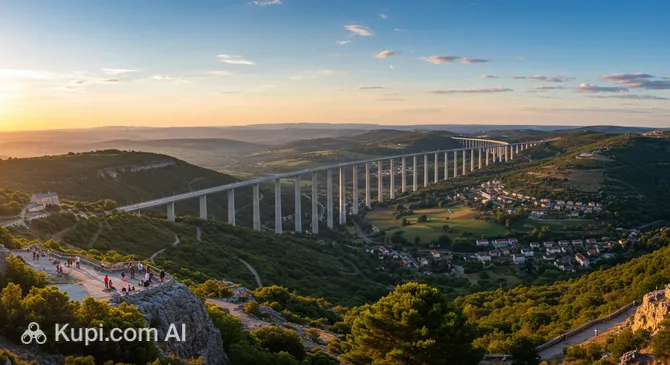
Millau. Illustration.
Source: Kupi.com AI

With a population of around 22,000 people, Millau maintains the atmosphere of an intimate and friendly town, steeped in the charm of old France. Its historic center is a labyrinth of narrow streets, ancient houses, and cozy squares where time seems to slow down. Here, you won't feel like just a tourist, but like a welcome guest.

Millau is famous not only for its natural beauty but also as the cultural heart of the region. The town is known for its iconic landmark—the Millau Viaduct, one of the tallest road bridges in the world, which is a masterpiece of engineering in its own right. Additionally, it is worth exploring the ancient churches and walking along the scenic trails of the Grands Causses. The town regularly hosts fairs and festivals that allow visitors to dive deeper into local traditions.

A visit to Millau offers you the chance to feel like an explorer, enjoy dizzying views, and discover authentic France away from the hustle and bustle of major metropolises. This town is a true bridge between past and future, nature and culture, which is sure to leave lasting impressions.

You can find more interesting facts on the history of Millau page.
Weather Overview

The weather in Millau is characterized by a temperate climate with distinct seasons. Summers here are generally warm and quite sunny. The average temperature in July and August stays at around 19.8°C, while maximum values can reach 25.3°C25.4°C. Winters in Millau are cool: the average January temperature is approximately 3.1°C, and the minimum can drop to 0.2°C.

Precipitation in Millau is low throughout the year, averaging 2-3 mm per month, except for July, when only 1 mm falls. However, the number of rainy days varies: the lowest number occurs in July (6 days) and August (7 days), while in May and December there can be up to 15 rainy days. Overall, expect a warm summer with little rainfall and cool winters when the probability of rain (and snow at low temperatures) is higher. To get a more detailed picture, you can study the climate of Millau.

Average monthly temperature

Average monthly precipitation

Interesting Facts

In addition to its world-famous landmarks like the celebrated viaduct, Millau hides many other surprising stories and features that make it truly unique. Here are a few interesting facts about this charming town:

  • Although the Millau Viaduct is a modern icon, the town of Millau itself has an ancient history. The Museum of Millau and the Grands Causses houses unique archaeological finds, ranging from paleontological exhibits to artifacts from the Gallo-Roman period and the Middle Ages, testifying to the rich past of this area.

  • For centuries, Millau has been famous for its leather craft, especially the production of high-quality gloves. This tradition has not faded: workshops can still be found in the town where skilled artisans hand-craft exquisite leather accessories following age-old techniques.

  • The surroundings of Millau hide real natural wonders—so-called "stone cities." One of the most famous is La Cité de Pierres (The City of Stones), an impressive labyrinth of rocks and gorges formed by nature. These places are shrouded in many legends and tales, attracting lovers of geology and unusual landscapes.

  • The famous Millau Viaduct, one of the tallest transportation structures in the world, boasts not only an impressive pylon height (over 340 meters) but also an interesting structural feature: the bridge deck has a curvature radius of 20 kilometers. This engineering solution not only ensures the stability of the structure but also creates an illusion for drivers of an endless road soaring over the picturesque Tarn River gorge.

How to Get There

Millau, located in the picturesque Occitanie region, attracts travelers with its unique viaduct and natural beauty. You can get here in various ways by combining air and ground transportation. To plan your route in detail and learn about all the nuances, we recommend reading more about how to get to Millau.

If you prefer flying, keep in mind that there is no airport in Millau itself. The closest option is Rodez-Marcillac Airport (RDZ), located in the city of Rodez, about 58.5 km from Millau. This is a small regional hub, and a taxi or bus ride from there takes about 1 hour 50 minutes. For those looking for more international flights, Montpellier–Méditerranée Airport (MPL) in the city of Montpellier is suitable. It is located at a distance of about 91.6 km, and the travel time to Millau is approximately 2 hours 40 minutes.

For clarity, here is a summary of the main airports located nearby:

AirportPassenger trafficDistance
Marcillac Airport100 00059 km
Beziers Vias Airport273 29789 km
Montpellier Mediterranee Airport1.8 mln92 km
Aurillac Airport29 650102 km
Garons Airport260 000114 km

Traveling by train is also a popular way to reach the region. Since high-speed TGV trains do not stop in Millau, tourists often choose major stations nearby. A convenient option is the Montpellier Railway Station, located in Montpellier, 84.9 km from Millau. It is a major transport hub with high passenger traffic, from where you can reach your destination by transfer or bus in about 2.5 hours. You can also consider the Nîmes Railway Station in Nîmes (about 107.6 km away), with the journey taking approximately 3 hours.

Below is information on the nearest major railway stations:

StationPassenger trafficDistance
Montpellier Railway Station8.1 mln85 km
Agde Station757 49192 km
Nîmes Railway Station4.4 mln108 km
Nîmes Pont du Gard Station1.1 mln119 km
Montauban Railway Station1.5 mln136 km

Main Attractions

Millau, nestled in the Tarn River valley in southern France, offers its guests a combination of impressive modern architecture, natural beauty, and a rich historical heritage. The town and its surroundings are full of interesting places that will make your trip unforgettable.

The main modern landmark and symbol of the town is undoubtedly the Millau Viaduct. This cable-stayed bridge, soaring above the Tarn valley, is one of the tallest transportation structures in the world and a true miracle of engineering designed by the famous architect Norman Foster. Driving across the viaduct or viewing it from observation decks leaves an indelible impression thanks to both the grandeur of the construction itself and the sweeping panoramic views.

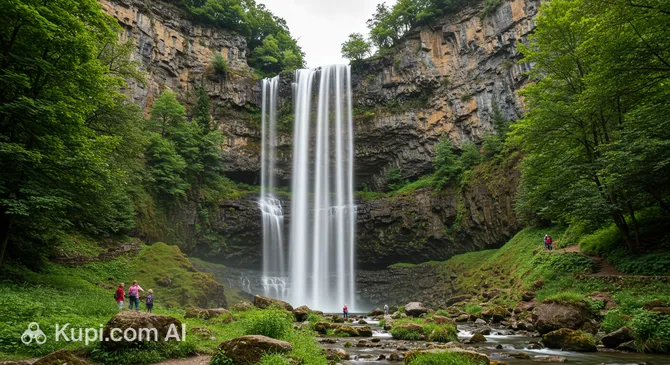
For nature lovers and those seeking peaceful walks, the Creissels Waterfall is of particular interest. This picturesque waterfall, located near the town, is a wonderful place to escape the urban bustle. The sound of falling water and the lush surrounding vegetation create a tranquil atmosphere, perfect for a leisurely stroll and enjoying nature's beauty.

Creissels Waterfall. Illustration.
Source: Kupi.com AI

Traveler photos:

The heart of the town is its Old Town (Centre Historique). Take a walk through the narrow medieval streets, admire the ancient stone houses, and visit Place du Maréchal Foch with its arcades. Here you will also find the Church of Notre-Dame-de-l'Espinasse and many small shops and cafes where you can experience the authentic atmosphere of Millau.

To dive deeper into the history and culture of the region, visit the Museum of Millau and the Grands Causses (Musée de Millau et des Grands Causses). Housed in an elegant 18th-century mansion, it offers exhibits dedicated to archaeology, the paleontology of these lands, and the famous local craft—the production of leather gloves, for which Millau was world-renowned. It is a great opportunity to learn about the town's rich past, from prehistoric finds to the heights of leather craftsmanship.

Local Cuisine

The gastronomy of Millau is a true revelation for connoisseurs of authentic French cuisine, where centuries-old traditions of the Languedoc and Aveyron regions harmoniously intertwine. Here, rustic simplicity meets sophistication, giving birth to unique flavors. One of the main symbols of the local kitchen is undoubtedly aligot—a velvety mashed potato dish generously enriched with local Laguiole cheese. This dish, which turns into an appetizing, stretchy mass, often becomes the centerpiece of family feasts and town celebrations.

A journey to Millau is unimaginable without tasting local cheeses. The king among them is certainly the famous Roquefort, which matures in natural caves not far from the town. Besides Roquefort, it's worth paying attention to other farm cheeses served with aromatic sausages, cured meats, freshly baked bread, and, of course, a glass of local wine. Local markets will delight you with an abundance of seasonal vegetables, fragrant honey, chestnuts, and herbs that give the dishes a special character.

For those with a sweet tooth, Millau also offers many gastronomic discoveries. Be sure to try the traditional tarts with fresh fruit, crumbly almond cookies, and original desserts based on chestnuts and nuts—the gifts of the generous local nature. And while strolling the streets during fairs, don't deny yourself the pleasure of enjoying hot crêpes with honey or caramel—this simple but incredibly tasty treat is especially pleasant in cool weather.

Dining culture in Millau is closely linked to traditions of hospitality and a love for quality products. Locals and tourists alike enjoy visiting cozy restaurants where chefs offer both classic regional dishes and modern interpretations. Don't miss the chance to visit the town markets to not only buy fresh produce but also to experience the atmosphere. Throughout the year, Millau hosts various gastronomic festivals where you can meet producers, try exclusive dishes, and even participate in culinary masterclasses. The town literally lives through taste and generously shares this wealth with every guest.

Travel Tips

Planning a trip to charming Millau? To ensure your journey goes smoothly and leaves only the most pleasant impressions, we have prepared some practical tips for you.

  1. Clothing and Useful Items: The climate in Millau, located in southern France, is quite mild. In summer, bring light clothing, a hat, and sunscreen. In spring and autumn, warmer layers and a light jacket will come in handy. Be sure to bring comfortable shoes, as you will likely want to walk around the town, see the famous Millau Viaduct, or head out into nature. Don't forget an adapter for French electrical outlets (Type E).
  2. Getting Around Town: Millau is a compact town, and its historic center is very pleasant to explore on foot. For longer trips, you can use local buses. Taxis are also available and can be found at ranks or called by phone. If you plan to explore the picturesque surroundings, such as the Tarn Gorges or the Larzac plateau, renting a car would be a good decision.
  3. Finances: The official currency in France is the Euro (€). Bank cards (Visa, Mastercard) are widely accepted in most shops, restaurants, and hotels. ATMs (called "distributeur automatique de billets" or DAB in France) are easy to find throughout the town. Before your trip, it is recommended to notify your bank of your travel plans to avoid potential card blocks. Tips in France are usually included in the bill (service compris), but if you especially enjoyed the service, you can leave an extra 5-10% or just round up the amount.
  4. Health and Safety: Pharmacies (pharmacie) in France are easily recognized by a green cross. Information about duty pharmacies (pharmacie de garde) operating at night and on weekends can usually be found on the door of the nearest pharmacy or online. In case of a medical emergency, call the pan-European number 112. Millau is considered a quiet and safe town; however, standard precautions, such as keeping an eye on personal belongings in crowded places, are always wise.
  5. Language and Communication: The official language is French. In tourist areas, hotels, and some restaurants, staff may speak English, but knowing a few basic phrases in French (such as «Bonjour» - Hello, «Merci» - Thank you, «S'il vous plaît» - Please, «Au revoir» - Goodbye) will be highly appreciated by the locals. You can purchase a local SIM card for mobile internet at mobile operator stores or some supermarkets. Wi-Fi is usually available in hotels, cafes, and tourist information centers.
  6. Local Etiquette: The French value politeness. When entering a small shop, a cafe, or when addressing someone, it is customary to say hello («Bonjour» during the day, «Bonsoir» in the evening). Don't forget to use the words «merci» (thank you) and «s'il vous plaît» (please). In public places and on transport, try not to speak too loudly.
  7. What to Avoid: Try not to start a conversation with locals immediately in English without first saying hello in French—this can be perceived as impolite. Also, avoid discussing sensitive political topics unless you are sure of the other person's position.
  8. Local Specialties: Millau is famous for its impressive Viaduct—the tallest road bridge in the world. Be sure to find time to admire it from different observation points. The town is also a hub for outdoor activities: kayaking, paragliding, hiking, and cycling through the Tarn Gorges are very popular. During the high season, it is better to book tours and equipment rentals in advance. Don't miss the chance to try local delicacies, including the cheeses of the Aveyron region.

We hope these tips help you better prepare for your trip and fully enjoy every moment of your stay in beautiful Millau and its picturesque surroundings!

Entertainment & Nightlife

Millau, a charming town in southern France, offers its guests a cozy and rather relaxed evening atmosphere rather than the boisterous nightlife of major metropolises. Here you won't find noisy districts with neon signs and massive clubs, but you can enjoy a pleasant evening in one of the local establishments, savoring hospitality and local flavor.

The main evening life in Millau is concentrated in the historic center, especially around Place du Mandarous and the adjacent streets. Here you can find traditional French bistros, wine bars, and pubs where locals and tourists gather after the day's activities. Many restaurants offer dinner until late in the evening, especially during the tourist season. While our list of attractions doesn't feature specific night clubs or bars for Millau, you will easily find inviting spots in the center. Look for small wine bars, pubs with local beers, or restaurants offering evening menus and drinks. Some of them may host live music nights, especially during the summer season.

The atmosphere in Millau in the evening is usually friendly and laid-back. There is no strict dress code; casual style is welcomed. Most bars are open until midnight or 1:00 AM, especially on weekends. Prices for drinks and food are generally moderate. Getting to your hotel at night is most convenient on foot if you are staying in the center, or by taxi. It is recommended to find out the numbers of local taxi services in advance or use ride-hailing apps.

Millau is considered a fairly safe town. However, as with any other place, it's wise to observe standard precautions at night: avoid poorly lit and deserted streets, and keep an eye on your belongings. Walking through the central streets in the evening is usually comfortable and safe.

During the day, Millau offers many other activities. Guests can visit local museums to learn about the region's history and culture, stroll through picturesque parks, or explore the surroundings, such as the famous Creissels Waterfall. Although the town lacks large amusement parks or major theaters, its charm lies in its authenticity and proximity to nature.

Creissels Waterfall. Illustration.
Source: Kupi.com AI

Traveler photos:

Parks & Museums

Millau, comfortably situated in the heart of the Occitanie region, offers its guests a harmonious blend of picturesque natural landscapes and interesting cultural sites. The town and its surroundings are rich in opportunities for outdoor recreation and discovering local history and traditions.

Nature lovers will find Millau to be a true paradise. The town is surrounded by the vast expanses of the Grands Causses Regional Natural Park, which features numerous hiking trails. The Tarn and Dourbie rivers flowing through here provide excellent conditions for kayaking and other water activities. One of the jewels of the area is the Creissels Waterfall, a scenic spot perfectly suited for walks and enjoying natural beauty. This secluded location allows you to escape the city bustle and take wonderful photographs.

The town's cultural heritage is vividly represented in its museums. A key one is the Museum of Millau and the Grands Causses (Musée de Millau et des Grands Causses). Here, visitors can immerse themselves in the region's history, starting from prehistoric times, learn about the traditional art of glove-making that brought Millau worldwide fame, and see paleontological finds.

It is impossible to talk about Millau without mentioning the famous Millau Viaduct—one of the tallest transportation structures in the world and an outstanding example of modern engineering. Near the viaduct, there is often an information center or exhibition space where you can learn about its construction history and unique technical solutions. This site attracts not only engineers and architects but also anyone who appreciates grand and impressive structures.

Beyond the museums, the historic center of Millau is an attraction in itself. Stroll through its narrow streets, take note of the ancient buildings, and climb the Millau Belfry (Beffroi de Millau)—the town's bell tower, which offers a panoramic view of the town and its surrounding valleys. Place du Maréchal Foch with its arcades is also well worth a visit.

For an authentic experience, stop by the local markets to try regional products and feel the atmosphere of southern France. And for those seeking paths less traveled, the area around Millau hides many small villages and natural viewpoints offering tranquility and magnificent scenery.

Getting Around

Public transport in Millau is primarily represented by a bus network that provides connections between various districts of the town and its outskirts. Given the size of the town, buses are a convenient way to travel medium and long distances within the town limits.

The fare payment system for Millau buses usually includes the possibility of purchasing single tickets directly from the driver upon boarding. Multi-trip or day passes may also be available, which are more cost-effective for frequent use. It is best to check information about fares and ticket types locally, for example, at a tourist information center or at bus stops where relevant details may be posted. Fares are usually quite affordable.

Tickets purchased from the driver generally do not require additional validation. However, if you buy a ticket in advance or use a pass, it must be shown to the driver or validated upon boarding in a special device, if available. Buses in Millau run according to a schedule, which may be less frequent in the evenings, as well as on weekends and holidays. It is recommended to check the schedule for your required routes in advance.

In addition to buses, you can use taxi services in Millau. This is a more expensive but also more comfortable way to get around, especially if you are traveling with luggage or late at night. For fans of active recreation and independent walks through the scenic surroundings, bicycle rental might be relevant. The town center is quite compact, so many attractions and interesting spots can be explored on foot while enjoying the atmosphere of southern France.

Accommodation

In Millau, travelers will find a variety of accommodation options to suit different preferences and budgets. The town offers a choice ranging from cozy guesthouses and potentially budget hostels to comfortable mid-range hotels and apartments for short-term rent. You can also find charming B&Bs (Bed and Breakfasts) that offer a more home-like atmosphere and an opportunity to get closer to the local culture.

When choosing a place to stay in Millau, it is worth looking at areas close to the historic town center. This will provide easy access to the main attractions, cafes, and shops. Options located near major transport links can also be convenient if you plan to actively explore the surrounding area.

The town has a wide range of hotels in various categories, from simpler and more economical ones to those offering a higher level of comfort. Although specific hotel examples were not provided, you will easily find options that match your expectations for service and cost.

To guarantee the best choice and most favorable prices, especially if your trip falls during the peak tourist season or during popular local events, it is recommended to book accommodation in advance. The primary booking methods are popular online platforms and, in some cases, contacting hotels directly through their official websites. The price range in Millau varies depending on the type of accommodation, its location, and the season: you can find both budget-friendly options and mid-to-high-end offers.

Nearby Cities

For those who want to explore the surrounding area, Millau serves as an excellent starting point for day trips to several interesting nearby locations:

For example, head to Montpellier, a vibrant university city with a rich history where you can walk through medieval streets and visit the famous Place de la Comédie. It is also worth visiting Albi, known for its impressive Sainte-Cécile Cathedral, a UNESCO World Heritage site, and the Toulouse-Lautrec Museum. Meanwhile, Béziers will charm you with its old town, Saint-Nazaire Cathedral, and picturesque views of the Orb River and the Canal du Midi.

CityPopulationDistance
Sévérac-le-Château25 km
Rodez24 47549 km
Onet-le-Château11 66550 km
Mende12 31857 km
Clermont-l'Hérault9 02960 km

These nearby destinations provide an insight into the diverse culture and landscapes of France. Each of these cities has its own unique charm and history, offering travelers unique experiences and opportunities for exploration.

Shopping & Souvenirs

Shopping in Millau is more of a pleasant addition to exploring the town and its surroundings than a goal in itself. Here, you won't find massive shopping complexes, but instead, you can enjoy the atmosphere of small French boutiques, artisan shops, and purchase authentic regional goods. The town and its surroundings are known for their traditions, which are reflected in the assortment of local stores.

The main shopping life in Millau is concentrated in its historic center. Stroll through the pedestrian streets such as Rue Droite or around the central square, Place du Mandarous. Here you will find shops selling clothing, shoes, accessories, bookstores, and, of course, shops with local delicacies. The atmosphere here is perfect for leisurely shopping and discoveries.

In Millau itself, there are no large shopping centers in the traditional sense. Instead, the town offers the charm of independent stores and boutiques. If you need goods from major chains or a wider selection, you might need to look at supermarkets on the outskirts of the town, which sometimes have small shopping galleries, or consider trips to larger cities in the region.

Be sure to visit the traditional market in Millau, which usually takes place in one of the central squares (often Place du Mandarous or Place Foch) several times a week, most often in the mornings. This is an excellent place to buy fresh local products: cheeses, including the famous Roquefort from the nearby area, sausages, fruits, vegetables, honey, and olives. In summer, you can also find handicrafts and souvenirs here.

From Millau and the Occitanie region, it's worth bringing home gastronomic souvenirs: Roquefort cheese, local wines (for example, from the Languedoc-Roussillon region), foie gras, chestnut cream, or honey. Products from local artisans are also popular—ceramics, textiles with Provençal motifs, or perhaps leather goods, as the region has long-standing traditions in leatherwork. Don't forget lavender products—soaps, sachets, essential oils—which are symbols of the South of France. Naturally, you can also find souvenirs featuring the famous Millau Viaduct.

Most shops in Millau are open Monday through Saturday, from approximately 9:00-10:00 to 19:00-19:30. Many small shops may close for a lunch break, usually from 12:30 to 14:30 or 15:00. On Sundays, most shops are closed, except for some bakeries, pastry shops, and souvenir stalls during the tourist season. Bank cards (Visa, Mastercard) are accepted almost everywhere, but small shops or market stalls may prefer cash, especially for small purchases.

If you are a tourist from a country outside the European Union and your purchases in one store exceed a certain amount (usually around 100 euros, though it's best to check the exact amount locally), you may be eligible for a VAT refund (Tax Free). To do this, ask the store for a special "bordereau de détaxe" form. Present it along with your purchases at customs when leaving the EU to get a stamp, after which you can claim the tax refund.

Reached the end of the page?

That means the route is fully explored