Support

Sete

About

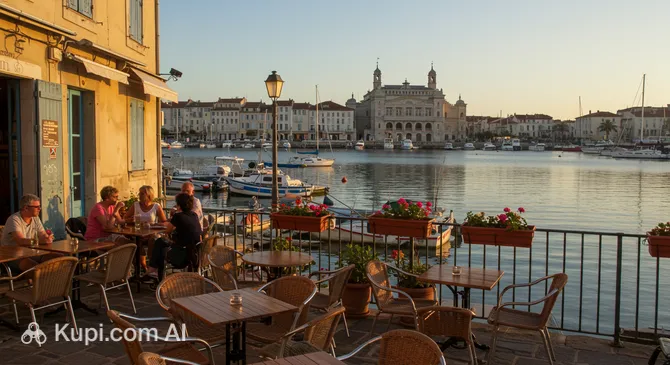
Sète is a charming gem of southern France, a city nestled comfortably between the azure waters of the Mediterranean and the picturesque Étang de Thau lagoon. It is often called the "Venice of Languedoc" thanks to the numerous canals that crisscross the city and the scenic bridges spanning them. Bright house facades reflected in the water and the sea breeze create the unique atmosphere of this port city.

Sète is home to about 44,000 people. It is not just an important fishing port—one of the largest in the Mediterranean—but also a significant cultural center of the Occitanie region. City life here is vibrant and diverse, ranging from bustling morning markets to tranquil evening strolls along the quays.
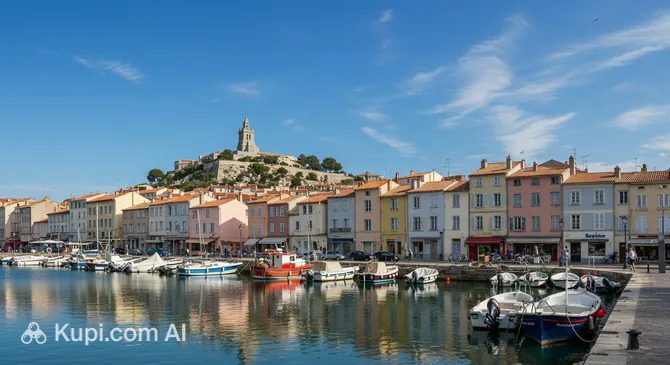
Sete. Illustration.
Source: Kupi.com AI

Among the key features of Sète that attract travelers is the majestic Mont Saint-Clair, whose summit offers breathtaking panoramic views of the sea, the city, and its surroundings. One must also mention the famous canals of Sète, where you can enjoy a fascinating boat trip. Additionally, the city is famous for its long sandy beaches, stretching for more than 10 kilometers and perfectly suited for relaxation.

Sète captivates with its relaxed southern atmosphere mixed with creative energy. It is a place where everyone will find something for their soul: whether it's tasting the freshest seafood, visiting art museums, or simply enjoying a glass of local wine on a terrace by the canal. A trip to Sète promises unforgettable impressions and full immersion into the authentic spirit of the Mediterranean.

You can find more interesting facts on the history of Sète page.
Weather Overview

In Sète, a pleasant Mediterranean climate awaits you. Summers are typically warm and sunny: the average temperature in July is about 24.4°C, and in August, it's 24.3°C, with very little rainfall, especially in July, which is often the driest month (0 mm of rain). Winters in Sète are mild: the average temperature in January is around 8.2°C, and in December, around 9.0°C. During the winter months, the number of rainy days increases slightly, although the total amount of precipitation remains low (about 2 mm per month). Spring and autumn offer comfortable temperatures for walking and exploring the city, with a gradual warming in spring (average temperature in May around 17°C) and a gentle cooling in autumn (average temperature in October around 16.8°C). Short-lived rains are possible during these periods, with October usually being the month with the most precipitation (5 mm), and the highest number of rainy days occurring in November (12 days).

Overall, Sète is characterized by warm and mostly dry summers, mild springs and autumns with moderate rainfall, and cool winters. To learn more about weather conditions and get a detailed forecast, visit the Sète Climate page.

Average monthly temperature

Average monthly precipitation

Interesting Facts

Beyond its picturesque canals and sunny beaches, Sète holds many surprising stories and traditions that not everyone knows about. This city in southern France is full of surprises for the inquisitive traveler.

  • Every year in August, Sète is transformed during the Festival of Saint-Louis, when real boat jousting tournaments take place on its canals! Participants, armed with spears and shields, try to knock each other into the water—a spectacle rooted deep in the past that draws massive crowds.

  • This small city gave the world two prominent figures of French culture: the poet Paul Valéry and the chansonnier Georges Brassens. Today in Sète, you can visit the Paul Valéry Museum and the Georges Brassens Museum to get a deeper look at their rich heritage.

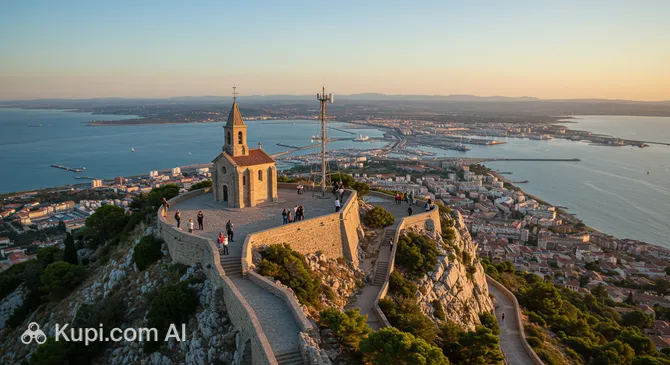
  • Mont Saint-Clair, which offers a stunning view of the city and sea (be sure to visit the Mont Saint-Clair Panoramic Viewpoint!), is shrouded in legends. It is said that since ancient times it served as a natural lighthouse for sailors, and that wishes made at its summit have a special power to come true.

  • Sète proudly bears the title of the first fishing port of the Mediterranean. This isn't just an economic status but an integral part of the city's soul, where the freshest seafood isn't a delicacy, but a daily reality and the foundation of the delicious local cuisine.

Mont Saint-Clair Panoramic Viewpoint. Illustration.
Source: Kupi.com AI

Traveler photos:

How to Get There

Reaching the picturesque city of Sète, located on the Mediterranean coast of France, can be done in several ways. The most popular options are flying to one of the nearest international airports followed by a transfer, or traveling by train. Additionally, Sète has good road connections with other cities in the region.

While Sète does not have its own airport, nearby air hubs offer convenient connections. One of the main options is Montpellier-Méditerranée Airport (MPL), located in the city of Montpellier about 28 km from Sète. This is a major international airport from which you can reach Sète by taxi or bus in about an hour. Another convenient option is Béziers Cap d'Agde Airport (BZR), located in Béziers, approximately 30 km from Sète. This is a smaller regional airport, and the trip to Sète takes just over an hour. You could also consider Nîmes-Alès-Camargue-Cévennes Airport (FNI), which is about 70 km from Sète and is a small airport hub.

For clarity, here is summary information on the main airports serving the Sète destination:

AirportPassenger trafficDistance
Montpellier Mediterranee Airport1.8 mln28 km
Beziers Vias Airport273 29730 km
Garons Airport260 00070 km
Llabanère Airport463 235100 km
Avignon-Caumont Airport200 000112 km

Rail travel is also a convenient way to get to Sète. The closest station to Sète from the provided list is Agde Station (EAG), located in the city of Agde just 21.5 km away. This is a station with medium passenger traffic, and from there, you can reach Sète by taxi or local transport in about 50-60 minutes. Another significant hub is the Montpellier Railway Station (XPJ) in Montpellier, located about 26 km from Sète. This is a large station with many connections, and the trip to Sète will also take about an hour.

Here is information about some railway stations that may be convenient for a trip to Sète:

StationPassenger trafficDistance
Agde Station757 49122 km
Montpellier Railway Station8.1 mln26 km
Nîmes Railway Station4.4 mln71 km
Nîmes Pont du Gard Station1.1 mln79 km
Perpignan Station2.1 mln104 km

Main Attractions

Sète, a charming port city in southern France, offers its guests many interesting places to explore. Here, everyone will find something to their liking, from picturesque views to cultural discoveries.

One of the main points of attraction is the Mont Saint-Clair Panoramic Viewpoint. After ascending this hill, you will be rewarded with breathtaking views of the city, the Mediterranean Sea, and the Thau lagoon. It is the perfect place for photography and enjoying the region's beauty, especially at sunset.

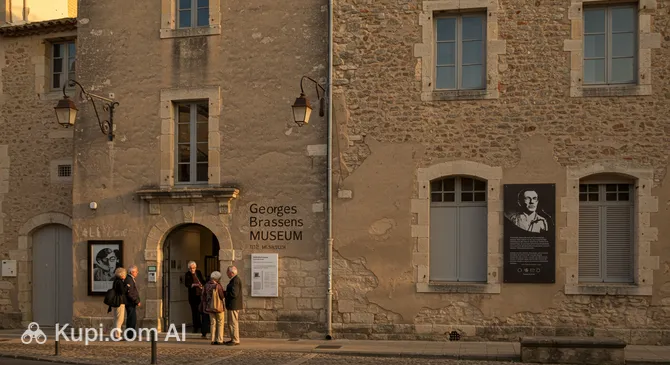
Music and poetry lovers should definitely visit the Georges Brassens Museum. This museum is dedicated to the life and work of the famous French chansonnier, who was born in Sète. Here, you can learn a lot about his contribution to culture and listen to his famous songs. This place immerses you in the atmosphere of French charm and talent.

Georges Brassens Museum. Illustration.
Source: Kupi.com AI

Traveler photos:

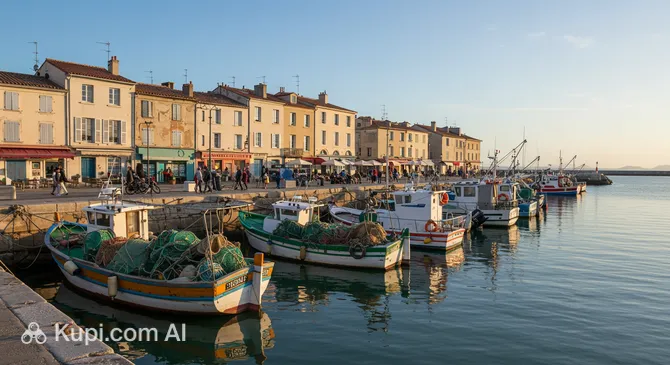
Equally colorful is La Pointe Courte – an ancient fishing quarter. A walk through its narrow streets with bright houses and hanging nets provides a sense of authenticity and a glimpse into the daily life of local fishermen. A special atmosphere steeped in maritime traditions reigns here.

La Pointe Courte. Illustration.
Source: Kupi.com AI

Traveler photos:

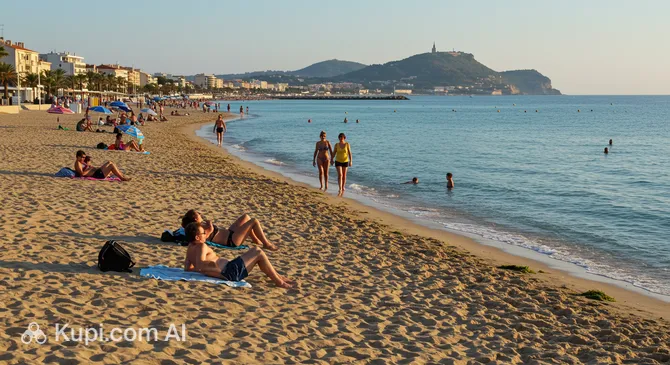
For those looking to relax by the sea, Fontaine Beach is an excellent choice. This long sandy beach is ideal for sunbathing, swimming, and water sports. Its clear water and developed infrastructure make it popular with both tourists and locals.

Fontaine Beach. Illustration.
Source: Kupi.com AI

Traveler photos:

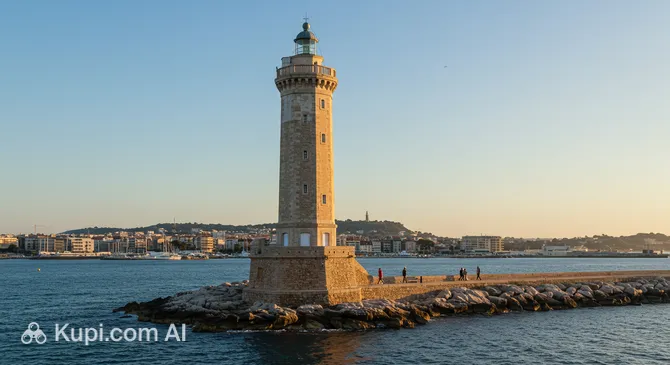
Another iconic landmark in Sète is the Saint-Louis Lighthouse. Located at the entrance to the port, it not only fulfills its navigational function but also serves as a symbol of the city. By climbing the lighthouse, you can enjoy a wonderful view of the harbor and its surroundings, as well as learn more about Sète's maritime history.

Saint Louis Lighthouse. Illustration.
Source: Kupi.com AI

Traveler photos:

Local Cuisine

The gastronomic heart of Sète beats to the rhythm of the sea, offering travelers unforgettable culinary discoveries. The cuisine of this port city in southern France is infused with the aromas of fresh seafood and Mediterranean herbs, creating a unique palette of flavors.

The main star of the local culinary scene is undoubtedly the tielle (tielle sétoise) – a famous savory pie with a spicy filling of octopus or squid stewed in tomato sauce with garlic and herbs. This dish is a true symbol of Sète that you must try. Equally popular are mussels sétoise-style, prepared with white wine, onions, and spices. Fresh oysters harvested from the nearby Thau lagoon and a variety of fish, just delivered from fishing boats, also hold a place of honor on the menu.

Théâtre Molière Sète and Bassin de Thau. Illustration.
Source: Kupi.com AI

Traveler photos:

Locals and tourists love to enjoy the bounty of the sea in the many small restaurants scattered along the canals and quays. One notable place to appreciate local cuisine is the Molière Theater Sète and Bassin de Thau. To experience the authentic atmosphere, visit the city markets, especially the famous covered market "Les Halles." Here you will find an abundance of fresh seafood, local cheeses, olives, and, of course, fruits and vegetables. It's a great place not only for shopping but also for grabbing a bite and observing the daily life of the city.

Local drinks perfectly complement a meal in Sète. The Languedoc region is famous for its wines, so be sure to try the white or rosé wines, which pair perfectly with seafood. Popular non-alcoholic options include homemade lemonades and refreshing fruit juices. And for dessert, don't deny yourself the pleasure of tasting traditional almond cookies or delicate marshmallow cakes, which will be the sweet conclusion to your gastronomic journey through Sète.

Travel Tips

Welcome to Sète, a charming port city in southern France! To ensure your journey through the "Venice of Languedoc" goes smoothly and leaves only pleasant impressions, we have prepared some practical tips.

  1. Clothing and Essentials: Sète has a Mediterranean climate. In summer (June-August), bring light clothing, swimwear, sunscreen, a hat, and sunglasses. In spring and autumn, the weather is changeable, so layered clothing and a light jacket will be useful. In winter, it can be cool and rainy, so pack warm clothes and an umbrella. Comfortable shoes are a must for walking on cobbled streets and along canals. Don't forget a European power adapter (type E). There is usually no specific dress code for visiting churches, but modest clothing is appropriate.
  2. Getting Around: Sète is quite a compact city, and many of its areas are pleasant to explore on foot. Public transport consists of Thau Agglo Transport buses, which cover the city and its surroundings. Given the abundance of canals, consider taking water shuttles. Taxis are available but can be expensive. Car rental can be useful if you plan to explore the Occitanie region, but parking in Sète itself can be difficult, especially in the center.
  3. Finances: The official currency is the Euro (EUR). Credit and debit cards (Visa, Mastercard) are widely accepted in most shops, restaurants, and hotels. ATMs (distributeurs automatiques de billets) are easy to find throughout the city. It's recommended to always have some cash for small purchases or at markets. Tips in France are usually included in the bill ("service compris"), but if the service was exceptional, you can leave an additional 5-10%.
  4. Health and Safety: Pharmacies are marked with a green cross; some may operate on an on-call basis at night and on weekends (info can be found on the door of the nearest pharmacy). If medical assistance is needed, tourists should contact local hospitals or doctors; the emergency number is 112. Sète is considered a safe city, but as everywhere, standard precautions apply: watch your belongings in crowded places and avoid poorly lit, deserted streets late at night.
  5. Communication: The official language is French. In tourist areas, hotels, and some restaurants, staff may speak English, but knowing a few basic French phrases (e.g., "Bonjour" – Hello, "Merci" – Thank you, "S'il vous plaît" – Please, "Excusez-moi" – Excuse me) will be very helpful and appreciated by locals. Wi-Fi is available in many cafes, restaurants, and hotels. A local SIM card can be purchased at mobile stores or some supermarkets.
  6. Local Etiquette: When entering a shop or small cafe, it is customary to say hello ("Bonjour" by day, "Bonsoir" in the evening) and goodbye ("Au revoir"). The French value politeness. Using "tu" (the informal you) without permission is considered impolite with strangers; it's better to use "vous" (the formal you).
  7. What to Avoid: Try not to speak loudly in public places, especially on transport or in restaurants—the French appreciate a quiet environment. Also, don't start a conversation immediately in English; it's better to greet someone in French first and ask if they speak English ("Parlez-vous anglais?").
  8. Special Sète Experiences: Be sure to try local delicacies, especially fresh seafood like oysters and mussels from the Thau lagoon (Étang de Thau). Don't miss the chance to try tielle sétoise—the famous pie with octopus and tomato sauce. If your visit falls at the end of August, you can witness a unique festival: the Saint-Louis water jousting tournaments.

We hope these tips help you better prepare for your trip and enjoy every moment of your stay in sunny and welcoming Sète. Have a great journey!

Entertainment & Nightlife

When the sun sets over the Mediterranean, Sète transforms, offering its guests a variety of options for evening and night-time relaxation. Although the city is not famous for wild metropolis-style parties, it boasts a cozy and lively atmosphere, especially during the warmer months. Most of the nightlife is concentrated along the quays and in the old port, where numerous bars and restaurants welcome guests with open doors.

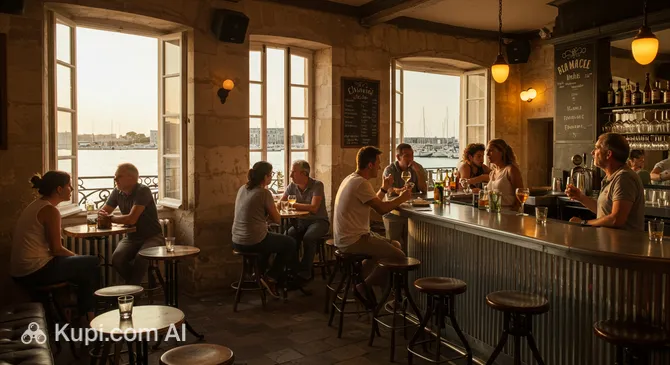
Evenings in Sète often begin with a leisurely dinner at one of the restaurants overlooking the canals. Many establishments serve fresh seafood and local wines. For those seeking a more vibrant setting, there are several bars where you can enjoy drinks and socializing. One such place is Marcel, where you can spend a pleasant evening in the company of friends. The atmosphere in local bars is usually relaxed, and the crowd is mixed—from locals to tourists. The dress code is generally casual. Most bars stay open until late at night, especially on weekends.

The Marcel. Illustration.
Source: Kupi.com AI

Traveler photos:

If you prefer a cultural evening, consider the Molière Theater Sète and Bassin de Thau, which may offer evening performances or dinners in an elegant setting. Traditional nightclubs are less common here; the focus is more on bars with music and open-air terraces.

Théâtre Molière Sète and Bassin de Thau. Illustration.
Source: Kupi.com AI

Traveler photos:

Practical tips for Sète nightlife:

The best time to visit bars is after 9:00 PM, when the city comes alive after dinner. Prices in Sète's establishments can be considered moderate compared to France's major tourist centers. You can navigate the city center on foot at night. For longer trips, using a taxi is recommended; they can be called by phone or found at stands near key locations. Sète is generally considered a safe city, but as with anywhere, standard precautions should be taken, especially late at night.

During the day, Sète also offers plenty of interesting activities. You can visit the Georges Brassens Museum, dedicated to the famous French chansonnier, or the Paul Valéry Museum with its art collection. Lovers of panoramic views will appreciate the Mont Saint-Clair panoramic viewpoint, which offers spectacular vistas of the city and the sea. And on a hot day, it's lovely to relax on one of the beaches, such as Fontaine Beach.

Parks & Museums

Sète, a charming port city in southern France, offers its guests not only picturesque canals and a Mediterranean atmosphere but also wonderful opportunities for outdoor relaxation and immersion in its rich cultural heritage. Here you will find both secluded green corners and interesting museums telling the story of the city's history and art.

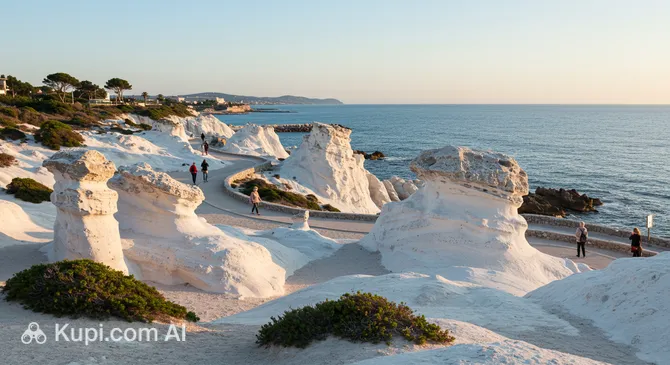
For nature lovers and those seeking panoramic views, Sète has several wonderful spots. Be sure to climb Mont Saint-Clair, which offers breathtaking views of the city, the sea, and the Thau lagoon. At its summit, you'll find the Mont Saint-Clair Panoramic Viewpoint, an ideal spot for photography. Nearby lies the Forêt des Pierres Blanches (Forest of White Stones) – a beautiful place for walking among pine trees and enjoying the fresh air. And if you're looking for a beach getaway, Fontaine Beach offers golden sand and the gentle waves of the Mediterranean.

White Stones Forest. Illustration.
Source: Kupi.com AI

Traveler photos:

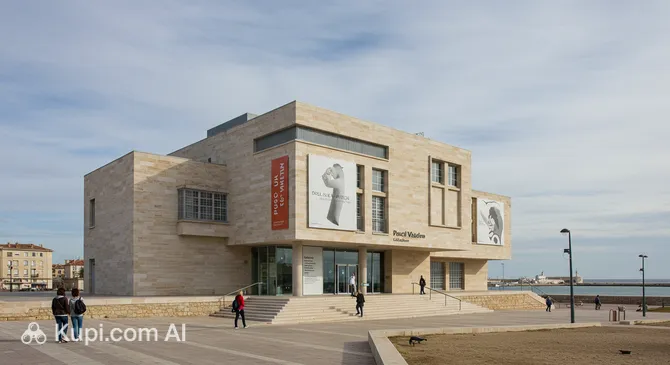
The cultural life of Sète is closely linked with the names of prominent figures and unique artistic movements. Fans of the famous French chansonnier should visit the Georges Brassens Museum, where they can learn many interesting things about the maestro's life and songs. Art connoisseurs will enjoy the Paul Valéry Museum, located on the slope of Mont Saint-Clair, featuring a collection of works related to the poet and artist, as well as city history. Another iconic site is the International Museum of Modest Arts (MIAM), which presents unusual and often unexpected contemporary artworks created from everyday objects.

Paul Valéry Museum. Illustration.
Source: Kupi.com AI

Traveler photos:

International Museum of Modest Arts. Illustration.
Source: Kupi.com AI

Traveler photos:

While strolling through Sète, take note of its maritime history and architecture. A landmark point is the Saint-Louis Lighthouse, rising at the port entrance and offering beautiful views. To feel the authentic atmosphere of an old fishing quarter, visit La Pointe Courte. This picturesque area with its narrow streets and bright houses has preserved the spirit of the past.

To complete your experience, don't miss the chance to walk along the numerous canals of Sète, which earned it the nickname "Venice of Languedoc." And to truly feel the local flavor, visit one of the morning fish markets, where you can not only see the variety of sea bounty but also taste the freshest oysters from the nearby Thau lagoon.

Getting Around

Getting around Sète is quite convenient thanks to a well-thought-out public transport system that makes it easy to reach the main areas of the city and its surroundings. The transport network is primarily based on buses, with water routes serving as a pleasant addition, especially during the warmer months.

The main form of public transport in Sète is the bus. The city's bus network serves both central quarters and more distant areas, connecting them with key points such as the railway station, beaches, and shopping zones. Routes and schedules are usually available at stops and on the official website of the transport company, Sète Agglopôle Mobilité.

A unique feature of Sète, often called the "Venice of Languedoc," is its water buses (bateaux-bus). These small vessels cruise the canals and connect different parts of the city, offering not only a convenient but also a very scenic way to travel. They are particularly popular during the tourist season, linking the center with coastal areas, for example.

The fare payment system in Sète is fairly standard. You can purchase single tickets directly from the bus driver (sometimes with a small surcharge, and it's advisable to have change) or from special machines and kiosks (if available). Carnets—sets of multiple tickets that are cheaper—or day passes are also often available. Separate fares might apply for water buses, or they may use the same tickets as regular buses; this should be checked on-site.

Tourists should keep a few practical points in mind. Purchased tickets must be validated immediately upon entering the bus or boarding the water shuttle. Transport operating hours can vary depending on the day of the week and the season; on weekends and holidays, frequency usually decreases. It's always best to check the current schedule in advance.

In addition to public transport, other ways of getting around are available in Sète. Taxis can be found at designated stands or called by phone. A very popular option, especially for rides along the canals and the coast, is bicycle rental. There are several rental points in the city offering both regular and electric bikes. The historical center of Sète is compact enough that many of its corners are pleasant to explore on foot.

Accommodation

In Sète, travelers will find a variety of accommodation options to suit different preferences and budgets. The city offers a wide choice from budget-friendly hostels and guesthouses to comfortable mid-range hotels, as well as apartments and villas for rent, which are particularly convenient for families or long stays.

When choosing a place to stay, consider the areas near the Old Port (Vieux Port) and the picturesque canals that flow through the city, giving it its charm as the "Venice of Languedoc." Coastal options are also popular, for example, near beaches like Plage de la Corniche or Plage du Lazaret. These locations offer easy access to both city attractions and the sea.

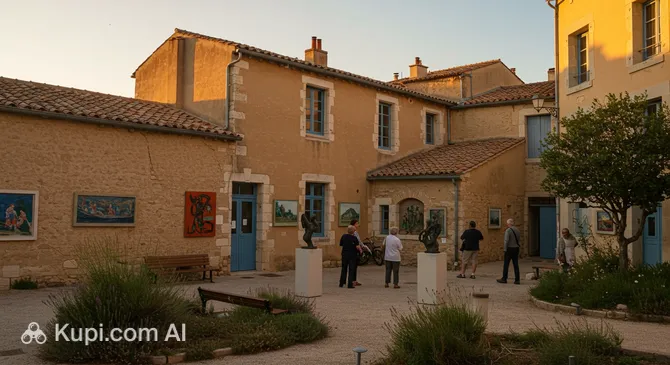
Le Lazaret Holiday Center. Illustration.
Source: Kupi.com AI

Traveler photos:

Among the accommodation options, one can highlight, for example, the Le Lazaret Wellness Center, which offers a comfortable stay. To guarantee the best choice and prices, especially during the peak tourist season (summer months) or during the city's numerous festivals, it is recommended to book accommodation well in advance.

The price range for accommodation in Sète varies: you can find both budget options and higher-category hotels. Most hotels and apartments are available for booking through popular online platforms, and direct booking through official hotel websites is also common. This allows you to compare offers and choose the most suitable option for your trip.

Nearby Cities

For those looking to explore the surroundings, Sète serves as an excellent starting point for day trips to several interesting nearby locations. Among them, Montpellier stands out—a vibrant university city with a rich history, the elegant architecture of the Place de la Comédie, and many museums. Also worth a visit is Béziers, known for its majestic Saint-Nazaire Cathedral overlooking the Orb River and the famous Nine Locks of Fonseranes on the Canal du Midi. The ancient city of Agde is also nearby, attracting tourists with its unique architecture made of dark volcanic stone and its sandy beaches.

Here are some of the cities that are easily accessible from Sète:

CityPopulationDistance
Frontignan23 0286 km
Meze12 3078 km
Villeneuve-les-Maguelone10 34419 km
Agde29 60021 km
Saint-Jean-de-Védas11 08621 km

These nearby destinations provide a glimpse into the diverse culture and landscapes of the Occitanie region.

Shopping & Souvenirs

Shopping in Sète will bring you more pleasure from the search for authentic local goods and delicacies than from an abundance of large shopping centers. The city is famous for its fresh seafood, regional wines, and the works of local artisans and artists. Here you will find small boutiques, art galleries, and, of course, colorful markets.

The main shopping spots are concentrated in the city center, especially along the canals and on the pedestrian streets branching off from them. Stroll along Grand'Rue Mario Roustan and its adjacent side streets, where you can find clothing stores, souvenir shops, and specialty stores offering local products. The atmosphere here encourages leisurely shopping and discovery.

There are no large modern shopping centers in the conventional sense in Sète. The focus is on more traditional forms of trade—small shops and markets. This gives shopping a special charm and allows for a deeper immersion into local life.

Markets are the heart of commerce in Sète. Be sure to visit the Central Covered Market (Les Halles Centrales), which is open every morning. Here you will find an incredible variety of fresh seafood, cheeses, meat delicacies, vegetables, fruits, and, of course, famous local specialties like the "tielle" (octopus pie). The city also regularly hosts outdoor markets where you can buy clothes, souvenirs, and household goods.

As souvenirs from Sète, it is worth bringing back local delicacies: canned seafood, olive oil, honey, and, of course, wines from the Languedoc region, such as Picpoul de Pinet white wine. Look out for handmade ceramics, paintings by local artists inspired by seascapes, and items related to maritime themes and Sète's traditional water jousting (joutes nautiques).

Most shops in Sète are open from Monday to Saturday, usually from 9:00-10:00 AM to 12:00-12:30 PM and from 2:30-3:00 PM to 7:00 PM. Many small shops may be closed on Sunday and Monday. Large supermarkets may have longer opening hours. Credit cards are accepted almost everywhere, but it's better to have some cash for markets and small shops.

For tourists from countries outside the European Union, there is the possibility of a tax refund (Tax Free) for purchases over a certain amount in participating shops. Look for the corresponding stickers in windows and don't forget to fill out the necessary documents during your purchase.

Reached the end of the page?

That means the route is fully explored