Support

Morlaix

About

Morlaix is a true gem of Brittany, nestled comfortably at the mouth of a river and surrounded by the picturesque hills of the Monts d’Arrée. The city is located in the department of Finistère, in the northwest territory of France. This corner seems to have absorbed all the magic of the region: here, vast sea views, green slopes, and stone labyrinths of ancient streets meet. With a population of about 15,000, it is the perfect size for a city that feels cozy yet never boring.

The regional administrative center takes pride in its heritage and its lively, slightly bohemian atmosphere. The rich history of Morlaix can be traced in every element of the urban environment, where historic half-timbered houses blend harmoniously with the rhythm of modern life. Morlaix has a special mood that invites leisurely walks along the embankments, relaxing in cozy cafes, and visiting street markets where you can meet local artists and fishermen.
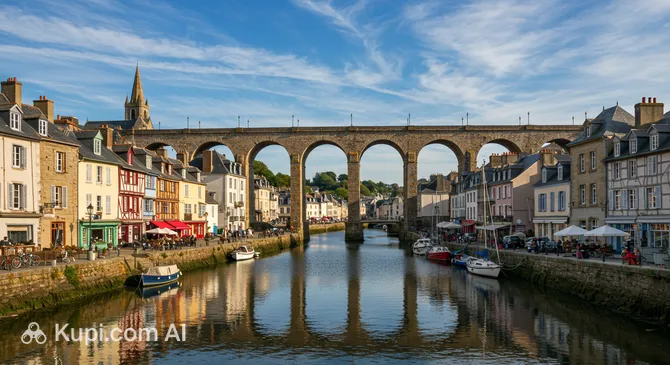
Morlaix. Illustration.
Source: Kupi.com AI

The main reason to visit this city is its authenticity and architectural treasures. The majestic viaduct towering over the houses is the hallmark of Morlaix, offering tourists a breathtaking panorama of the surroundings. A walk through the old town is a true journey back in time, while the view of the port filled with boats adds romance to your visit. There are no overwhelming crowds of tourists here; instead, there is a sense of authentic regional life with its steady, measured pace.

Morlaix is an ideal destination for those who want to experience the unique spirit of Brittany and enjoy the fresh sea air. Come here to immerse yourself in the atmosphere of a small but very charismatic city that is sure to leave you with warm memories.
Weather Overview

The climate in this corner of Brittany is mild and temperate, shaped by the influence of the Atlantic Ocean. Extreme temperature fluctuations are rare here, making travel comfortable at any time of year. To plan your wardrobe, a detailed weather in Morlaix will be useful, but generally, you should be prepared for the variability of nature's plans.

Winters pass without severe frosts: in January and February, the thermometer usually stays around +8...+9°C, and night temperatures rarely drop below +6°C. However, this is the wettest period—the number of rainy days in December can reach 20, so a waterproof jacket will be indispensable. Spring arrives gradually, and by May, the air warms up to an average of +12.5°C.

Summer in the city offers a pleasant freshness without exhausting heat. In July and August, the average temperature is around +17°C, with highs reaching a comfortable +19°C. Precipitation becomes noticeably less frequent, although rain cannot be ruled out even in this season. Expect a moderately warm summer with comfortable conditions for walking and mild but fairly damp winters.

Average monthly temperature

Average monthly precipitation

Interesting Facts

Beyond its main attractions, Morlaix hides many fascinating secrets and legends that reveal themselves to the most inquisitive travelers. Here are a few facts that will help you see this Breton city in a new light.

  • A Giant Viaduct. The symbol of the city is an impressive railway bridge 58 meters high. It is unique because trains still run across it today, and a walk under its majestic arches allows you to see the city and port from an unusual angle, opening up fantastic views of the rooftops.

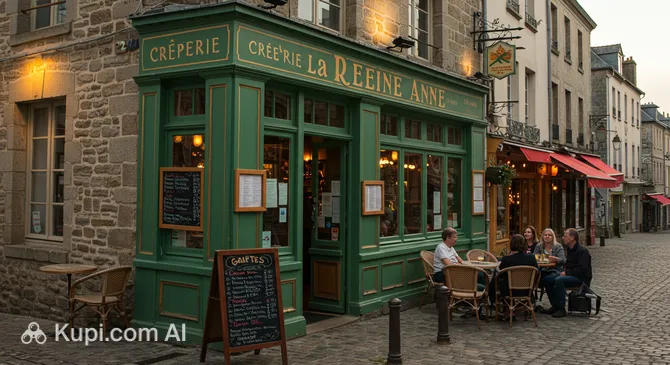
  • Unique Architecture. Morlaix has preserved more than 150 half-timbered houses from the 16th century. The Pondalez House and the famous House of Duchess Anne are particularly noteworthy—true masterpieces adorned with carvings and mysterious symbols. It is in this ancient atmosphere that Creperie La Reine Anne operates, its name referencing the rich history of these parts.

  • Transformation of Heritage. The city was once one of Brittany's most important ports, and a local tobacco factory supplied products to the entire surrounding area. Today, the former production halls are far from empty: they have been transformed into trendy art spaces and exhibition halls where cultural life thrives.

  • Traces of Corsairs. City legends link the name Morlaix to stories of sea raiders. Locals tell of mysterious signs found in the basements of old buildings, left by adventurers as keys to hidden treasures.

  • Ancient Mysticism. Very close to the city lies the prehistoric monument, the Cairn of Barnenez. This mysterious site is older than the Egyptian pyramids and still raises many questions for researchers and evokes awe in visitors.

Crêperie La Reine Anne. Illustration.
Source: Kupi.com AI

Traveler photos:

How to Get There

When planning a trip to Brittany, it's important to think through your logistics in advance to ensure the trip goes as smoothly as possible. Morlaix is a cozy but small city, so there are no direct flights here. However, the region's well-developed road network allows for quick travel from neighboring transport hubs. You can explore all available routes and choose the best option by following the link: more on how to get to Morlaix.

There is no airport in the city itself, but you can fly into Brest Bretagne Airport (BES). This is the most convenient option, as the gateway is only 46 km from your destination. Thanks to the high-quality regional expressways, a trip by car or taxi will take only about 45 minutes. This is a regional airport receiving flights from Paris and other cities.

An alternative option is Lorient South Brittany Airport (LRT), located in the city of Lorient. It is approximately 95 km from Morlaix. The travel time by car is about 1 hour and 15 minutes, as the route follows convenient highways. This airport is less busy but can be useful when planning complex itineraries.

For your convenience, here is a summary of the nearest airports:

AirportPassenger trafficDistance
Brest Bretagne Airport810 79646 km
Pluguffan Airport18 24772 km
Lann Bihoue Airport6 21895 km
Pleurtuit Airport95 000129 km
Guernsey Airport655 588131 km

Rail connections also play a vital role in transport accessibility. If you prefer trains, look into Rennes Station (ZFJ), located in the administrative center of Brittany. The distance to Morlaix is about 168 km. A car trip from the station will take approximately 1 hour and 50 minutes, as the cities are connected by the excellent N12 expressway.

Another major hub is the Nantes Railway Station (QJZ). It is located 228 km from Morlaix. This is an important hub serving TGV high-speed trains. A journey from here by car takes about 2 hours and 30 minutes, making it a viable option for tourists renting a car.

Below is information on the nearest major railway stations:

StationPassenger trafficDistance
Rennes Station15.2 mln168 km
Falmouth Railway Station247 000196 km
Par Railway Station204 850208 km
St Austell Railway Station478 834208 km
Penzance Station618 956212 km

Main Attractions

Morlaix is a city with a unique character, where history is frozen in stone and wood. Walking through its streets feels like a journey through the centuries, from medieval alleys to 19th-century industrial monuments. There are several iconic spots that are a must-include in your itinerary to truly feel the soul of this Breton corner.

The undisputed dominant feature of the city is the majestic Morlaix Viaduct. This grand two-level structure was built in the mid-19th century for the Paris–Brest railway line. Today, it is not just a transport artery but also an excellent observation deck. By climbing to the first level, which is open to pedestrians, you can enjoy breathtaking views of the old town, the port, and the tiled roofs of the houses. The viaduct looks especially impressive under evening illumination.

The famous "lantern houses" (Maisons à Pondalez), unique to the architecture of Morlaix, deserve special attention. The most famous of them is the Pondalez House. Inside this half-timbered mansion, a huge stone fireplace and a spiral staircase connecting the galleries of different floors have been preserved. It is a genuine museum of the daily life of wealthy linen merchants, allowing visitors to see how city residents lived several centuries ago.

Another magnificent example of 16th-century architecture that shouldn't be missed is the House of Duchess Anne. It is an important historical monument and a classic example of a "lantern house," which is now open to the public as a museum. Here, you can admire the intricate carvings and immerse yourself in the atmosphere of the past. After your tour, we recommend stopping by the nearby Creperie La Reine Anne on the same street. It’s an excellent spot for lunch, serving authentic Breton crêpes and galettes.

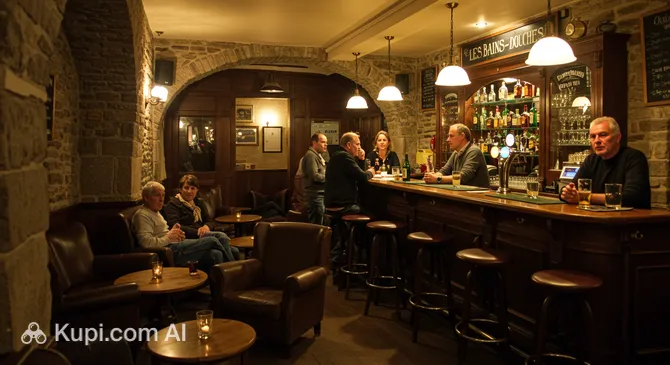
Les Bains-Douches. Illustration.
Source: Kupi.com AI

Traveler photos:

For those interested in cultural life and the unusual transformation of urban spaces, a visit to Les Bains-Douches is a must. Formerly a public bathhouse, it has now evolved into a popular venue for concerts, exhibitions, and gatherings. It retains an authentic atmosphere, successfully complemented by modern art and music. This is a great place to get to know the city's informal side.

The best way to conclude your introduction to the city is in the Port of Morlaix area. A stroll along the embankment, where numerous yachts and boats are moored, brings a sense of tranquility and romance. From here, you can also set off on an excursion to the famous Château du Taureau fort located in the bay, which is often referred to as the "Breton Fort Boyard."

Local Cuisine

Gastronomy in Morlaix is a true feast for foodies, where maritime traditions and hearty Breton classics intertwine. Proximity to the ocean dictates the main rule of the local table: fish and seafood must be as fresh as possible. In the city's restaurants, you will certainly be offered oysters, mussels, tender scallops, and the famous Breton lobster. Fish here is often prepared according to old recipes, stewed with aromatic herbs or with local cider added to the sauce for a touch of piquancy.

It is impossible to imagine a trip to this region without tasting crêpes, which are a staple of the local diet. For lunch, residents choose savory buckwheat galettes filled with ham, cheese, and egg, or smoked fish. To try quintessential versions in an authentic historical setting, it's worth visiting a place like Creperie La Reine Anne. For dessert, be sure to order thin sweet crêpes made from wheat flour, generously drizzled with salted butter caramel—this is a signature treat that all of Brittany is proud of.

Street food and market culture hold a special place in the life of the townspeople. Walking through the center, it's impossible to pass by the bakeries without noticing the aroma of fresh pastries. The main gastronomic symbol is the Kouign-amann, a famous flaky cake whose name literally translates to "butter cake." At the regular farmers' markets, you can buy products directly from the producers: from artisanal cheeses and cured meats to the freshest vegetables.

As for drinks, the main accompaniment to any meal here is cider. It is traditionally served in wide ceramic cups and ranges from dry brut to sweet. For those who want to continue the evening in a more informal setting, Les Bains-Douches is perfect—an atmospheric spot where you can not only touch the cultural life of the city but also enjoy a pleasant time with a glass of your favorite drink.

Travel Tips

Welcome to Morlaix! To ensure your journey through this picturesque corner of Brittany is as comfortable as possible, we have prepared a list of important practical nuances. These tips will help you navigate local life easily and avoid common inconveniences.

  1. Clothing and Gear. The weather in Brittany is known for its variability: bright sunshine can suddenly give way to rain. Even in summer, be sure to bring a windbreaker, a quality raincoat, and an umbrella. Since Morlaix is built on hills and is full of ancient cobblestones, comfortable flat shoes are essential for long walks on sloping streets.

  2. Transport. The city's historical center is compact and best explored on foot. For trips to the station (which is located on high ground) or to outlying districts, you can use the city bus network. Keep in mind that ride-hailing apps do not work as quickly here as in Paris; it's better to order a car in advance by phone or take one from the official stand at the station.

  3. Finances. The currency is the Euro (€). Bank cards from international systems are accepted almost everywhere, from restaurants to museums. However, for purchases at the Saturday market or paying for a coffee in a small bakery, it is recommended to carry small denominations of cash. Tips in France are included in the bill, but leaving small change or rounding up the amount for good service is considered good manners.

  4. Health and Safety. Morlaix is a quiet and safe city where you can walk without worry in the evening. Pharmacies are easily recognized by a green flashing cross. If you need help at night or on a Sunday, look on the door of any closed pharmacy for the address of the duty station (pharmacie de garde). The emergency number is 112.

  5. Communication and Language. The official language is French. In the tourist office and major hotels, staff speak English, but communication in small shops can be difficult. Learn a few phrases: "Bonjour" (hello) and "Merci" (thank you)—these will open many doors. A SIM card is easiest to buy in tobacco shops (Tabac) or mobile service centers.

  6. Local Etiquette. Politeness plays a key role here. When entering a shop, cafe, or even boarding a bus, always greet the staff or driver. In restaurants, it is customary to wait at the entrance for a waiter to lead you to a table rather than taking a free seat yourself.

  7. What to Avoid. Don't try to have dinner too early. Traditional dinner time in France starts at 7:00–7:30 PM. If you arrive at a restaurant at 5:00 or 6:00 PM, the kitchen will likely be closed, and you'll only be offered drinks. Also, avoid loud conversations in public places—locals value quiet and discretion.

  8. Navigation Life-Hack. A unique feature of Morlaix is the venelles—narrow pedestrian alleys with stairs connecting the lower town (near the port) with the upper town. Don't ignore them: although the climb may require effort, they offer the best views of the viaduct and the secret gardens of locals hidden from the typical tourist's view.

By following these simple recommendations, you can fully relax and enjoy the unique atmosphere of Morlaix without being distracted by organizational details. We wish you an easy and inspiring journey!

Entertainment & Nightlife

Nightlife in Morlaix isn't about noisy mega-clubs and neon signs until dawn; it's about soulfulness, live music, and the warm atmosphere of Breton hospitality. Evenings here follow a "pub culture" rhythm: locals and tourists love to hop from one venue to another, enjoying conversation over a glass of cider or local beer. The main fun is concentrated around the port area and the streets adjacent to the viaduct, where ancient architecture provides a unique backdrop for evening relaxation.

The center of attraction for those seeking an informal setting and cultural events is Les Bains-Douches. This cult venue, located in a former public bathhouse, now functions as both a concert space and a bar. Local bands often perform here, and it hosts jam sessions and themed parties. The crowd is diverse—from students to the creative intelligentsia—and the atmosphere is always democratic and relaxed.

For those who prefer starting their evening with gastronomic delights in a historical setting, Creperie La Reine Anne is the perfect starting point. Although it operates as a restaurant, a late dinner surrounded by centuries-old walls sets the right mood before heading out to the bars. In the Place des Otages area, you'll also find several cozy pubs in Irish and Breton styles, where you can watch sports broadcasts or simply chat with the bartender.

When planning a night out, there are a few practical points to consider. There is no dress code in most venues; a casual style is appropriate everywhere. Bars usually stay open until 1:00 or 2:00 AM, especially on Fridays and Saturdays. Morlaix is a safe city, and night walks are generally worry-free, though the streets can be quite deserted. If you are staying far from the center, it's wise to arrange a taxi in advance: hailing a car on the street at night is almost impossible, so keep the numbers of local dispatch services handy.

During the day, entertainment in Morlaix takes on a calmer, more educational character. The city invites you to visit the local museum with its rich collection of fine arts or attend a performance at the Théâtre du Pays de Morlaix. Walks through parks and along the embankments are also popular, where temporary open-air exhibitions are often held, allowing you to combine cultural leisure with the fresh sea air.

Parks & Museums

The cultural landscape of Morlaix harmoniously complements its architectural majesty, offering tourists not only an immersion into history but also the opportunity to relax amidst greenery. The city and its surroundings are rich in places where nature meets art, and ancient walls house collections that tell the story of Brittany's rich past.

Parc de Suscinio is a true gem for nature lovers, located just a few kilometers from the city center. This botanical garden is famous for its collection of plants characteristic of heathlands and oceanic climates. Here you can stroll among century-old trees and admire rare varieties of camellias and rhododendrons. The garden is perfect for quiet relaxation and picnics, offering peace and serenity away from the city bustle.

For those who prefer walking by the water, the quays of the Morlaix River and the area around the port are excellent alternatives to traditional parks. The promenade along the moored yachts transitions smoothly into green zones offering picturesque views of the city hills. It is a popular spot for morning jogs and evening strolls, where the sea breeze mixes with the scent of flowering gardens from private houses terraced down to the water.

Among the museums, Maison Pénanault holds a special place. This magnificent 16th-century town mansion is an exhibit in itself. Inside, it houses the Architecture and Heritage Interpretation Center, where interactive displays tell the history of Morlaix’s urban development, the linen trade, and the secrets of the famous "lantern houses." It is the perfect starting point for understanding how the city evolved over the centuries.

Equally interesting is La Manufacture—a former tobacco factory turned into a modern cultural space. Here, within historical industrial interiors, science exhibitions (a branch of Espace des Sciences), art displays, and temporary installations are held. This place vividly demonstrates how the city reimagines its industrial heritage, filling it with new meanings.

Speaking of cultural life and architecture, one cannot fail to mention the unique historical buildings that continue to live at a modern pace. For example, the famous House of Duchess Anne is not just an architectural monument but a place where history literally comes alive (it also houses Creperie La Reine Anne). Lovers of contemporary art and an informal atmosphere should check out Les Bains-Douches. These former city baths have become a popular art venue and concert hall, regularly hosting exhibitions and performances reflecting the spirit of today's Morlaix.

In the vicinity of the city lies another crucial monument—the Cairn of Barnenez. While not a museum in the classic sense, this megalithic mound, which is older than the Egyptian pyramids, represents a colossal open-air museum. Visiting this site allows you to touch the Neolithic era and appreciate the scale of ancient engineering.

Insider Tip: If you want to see "green" Morlaix from an unusual perspective, explore the venelles—a network of narrow pedestrian alleys and stairs threading through the city's hills. These hidden passages are often overgrown with wild greenery and flowers, creating a sense of secret gardens right in the city center, and they lead to the best panoramic viewpoints known only to locals.

Getting Around

The transport system in Morlaix is compact and convenient, much like the city itself. Given the small size of the settlement (population about 15,000), there are no subways or trams. The bus network, managed by the operator Linéotim, handles the main passenger load. This is a reliable way to get from the railway station to the historical center, the hospital, or the shopping zones on the outskirts. The buses are modern and comfortable, but keep in mind that intervals can be longer than in major cities, especially in the middle of the day.

The fare system is simple and clear for tourists. A single-trip ticket (Ticket Unité) can be purchased directly from the driver upon boarding, but it’s best to have small change ready. There are also day passes (Ticket Journée), which are cost-effective if you plan to move around a lot. For a longer stay or trips around the region, it makes sense to get a rechargeable KorriGo card, which is valid not only on city buses but also on regional TER trains.

In recent years, digital payment methods have been actively introduced. A very convenient option is purchasing a ticket via SMS (Ticket SMS): simply send a code to a short number, and the amount will be deducted from your mobile phone account (applicable for subscribers of local operators). Do not forget to validate your ticket every time you board, even if you are transferring. Fines for fare dodging can be significant.

An important tip for time management: public transport in Morlaix is oriented toward the daytime rhythm of life. Buses start running early in the morning but finish quite early—around 7:00–8:00 PM. On Sundays and public holidays, the number of trips is significantly reduced, and some routes may not operate at all. Therefore, for late returns to your hotel, it’s worth considering alternative options in advance.

Among the alternatives to public transport, taxis are popular, but you cannot simply hail them on the street. A car must be ordered by phone in advance or found at the designated taxi stand near the railway station. Ride-hailing apps (like Uber) may work inconsistently or have long wait times in such small towns.

For outdoor enthusiasts, the city offers the Vélinéo electric bike rental service. This is an excellent solution given the terrain: Morlaix is located in a valley, and riding a standard bicycle can require significant physical effort when climbing the hills. The electric motor makes exploring the picturesque surroundings and trips to the coast comfortable and untiring.

A special "transport" attraction is the pedestrian level of the famous Viaduct. Although technically not transport, crossing the lower tier of the bridge allows you to traverse the river valley quickly and impressively, moving from one part of the city to another without having to climb up and down the narrow streets. This is the fastest and most beautiful walking route in the center.

Accommodation

Morlaix offers travelers a selection of accommodation that perfectly reflects the intimate and cozy atmosphere of this Breton city. You won't find huge, soulless hotel complexes here; the foundation of local hospitality consists of small hotels with character, family-run guesthouses (traditional chambres d'hôtes), and modern apartments. Accommodation options range from budget hotels for transit travelers to stylish boutique hotels and spacious apartments for longer stays.

When choosing a location, it's important to consider the city's unique dual-level terrain. The most popular and scenic area for tourists is the historical center and the port zone, located in the valley. Staying here guarantees easy walking distance to restaurants and promenades, and the windows often overlook yachts or the majestic pillars of the viaduct. Another strategically important area is on the heights, near the railway station. This is convenient for those planning to travel actively around the region by train, though you should be prepared for regular walks up and down to the city center.

Many accommodations in Morlaix are located in renovated historical buildings. This offers a unique opportunity to live in a house with centuries of history, where modern amenities blend harmoniously with authentic interior elements like stone masonry or ancient wooden beams. For lovers of more secluded stays, there are many rural cottages (gîtes) available on the outskirts of the city, perfect for immersing yourself in the atmosphere of the Breton countryside.

Booking Tip: Summer in Brittany is high season, attracting many tourists from all over Europe. If you plan to visit in July or August, it is highly recommended to book your accommodation in advance, preferably 2–3 months ahead. This not only guarantees availability but also allows you to choose the best options in terms of price and quality.

In general, the price range in Morlaix can be described as moderate, especially when compared to popular resorts on the French Riviera or in Paris. The mid-price segment prevails here. Major international booking platforms are convenient for finding accommodation, but many small private hotels and guesthouses in France appreciate direct booking through their own websites, sometimes offering pleasant bonuses like included breakfast in return.

Nearby Cities

For those looking to explore the surroundings, Morlaix serves as an excellent starting point for day trips to several interesting nearby locations:

Just half an hour away is the charming Lannion. This city attracts tourists with its well-preserved historical center featuring half-timbered houses and ancient staircases. Additionally, Lannion serves as the gateway to the famous Pink Granite Coast—a unique natural phenomenon with fantastic rock formations that is a must-see.

Maritime enthusiasts and those seeking grand impressions should head to Brest. It is a major port with a rich, albeit rugged, history. Here you can visit the majestic Brest Castle, which houses the National Maritime Museum, or spend an entire day at Océanopolis—one of Europe's largest aquariums, showcasing marine ecosystems from around the world.

If you enjoy medieval romance and Breton traditions, visit Quimper. Considered the cultural capital of the region, it is famous for its magnificent Gothic Saint Corentin Cathedral and picturesque pedestrian streets. The city is also world-renowned for its Quimper faïence—hand-painted pottery, the production of which can be seen during a tour.

CityPopulationDistance
Landivisiau9 15120 km
Lannion20 21032 km
Landerneau15 91834 km
Plabennec8 51544 km
Guipavas15 05045 km

These nearby destinations provide a glimpse into the diverse culture and landscapes of the region, making your journey through Brittany even more fulfilling.

Shopping & Souvenirs

Shopping in Morlaix is not about chasing luxury brands in huge malls, but rather a pleasant addition to strolls through the historic center. The city is famous for its intimate boutiques, antique shops, and gourmet stores, where the focus is on quality and local production. Here you can find unique items imbued with the spirit of Brittany and personally chat with shop owners, who are often behind the counter themselves.

The heart of the city's commercial life beats on the pedestrian streets in the center, especially on Grand'Rue and Rue d'Aiguillon. These ancient streets, framed by half-timbered houses, are filled with clothing stores, bookstores, and souvenir shops. It is a delight just to wander here, peering into windows filled with home goods and handmade jewelry. It's also worth walking along Rue Ange de Guernisac, where interesting art galleries and specialty food shops are concentrated.

For those looking for familiar chain stores and large supermarkets, it is better to head to the outskirts of the city. The main commercial activity zone is in the Saint-Martin-des-Champs district, which effectively merges with Morlaix. Large shopping centers like Centre Commercial E.Leclerc and Géant Casino are located here. This is a convenient place for purchasing groceries, electronics, or sporting goods if the need arises during your trip.

Markets hold a special place in the lives of the townspeople. The main event of the week is the Saturday market, which unfolds across Place des Otages and Place Allende. It is a true festival of taste and color, where farmers from the entire region gather. Here you can buy the freshest seafood, vegetables, cheeses, and flowers. In the summer, evening craft markets are often held, where local artisans sell jewelry, ceramics, and textiles.

When choosing gifts, look for traditional Breton souvenirs. From Morlaix, it's worth bringing home a high-quality "marinière" (striped shirt), as Brittany is the birthplace of this wardrobe staple. Culinary souvenirs are also extremely popular: jars of fish rillettes, salted caramel, Breton cookies (palets bretons), and, of course, local cider. Ceramics also make a fine gift, such as the famous hand-painted bowls featuring a name.

Shops in the city center usually operate from 9:30 or 10:00 AM to 7:00 PM. It is important to remember that in France, and especially in the provinces, a lunch break from 12:00 PM to 2:00 PM is common, during which many small boutiques close. Sunday is a day off for most shops, and on Mondays, many only open after lunch. Cards are accepted almost everywhere, but at the market or in small bakeries, it is better to have some cash in Euros.

Tourists from non-EU countries can take advantage of the Tax-Free system (VAT refund) when purchasing goods for over 100 Euros in a single store. To do this, look for the "Tax Free Shopping" sticker in the windows and remember to ask the salesperson to issue the appropriate form (bordereau) when paying for your purchase, which you will then need to present to customs when leaving, for instance, if you depart from the territory of France through an airport.

Reached the end of the page?

That means the route is fully explored