Support

Saint-Brieuc

About

Saint-Brieuc is a charming city located in the heart of Brittany on the picturesque English Channel coast. It is nestled in a valley where rivers meet the sea, creating unique landscapes with quaint bays and coves. Travelers coming here to discover the true authenticity that France has to offer are immediately captivated by the charm of this place, filled with greenery and a fresh sea breeze.
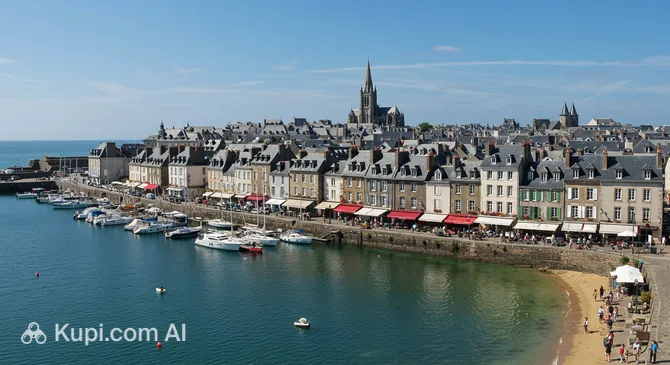
Saint-Brieuc. Illustration.
Source: Kupi.com AI

As the administrative center of the Côtes-d'Armor department, the city has a population of about 44,000. Despite its relatively small size, Saint-Brieuc boasts a developed infrastructure and a lively atmosphere. Here, medieval streets blend harmoniously with modern neighborhoods, while numerous parks and embankments provide ideal spots for leisurely strolls and relaxation.

The rich history of Saint-Brieuc has left a notable mark on the city's architectural appearance. Walking through the historical center, you can admire old half-timbered houses and the majestic Saint-Étienne Cathedral-Fortress. The city is famous not only for its heritage but also for its cultural life: vibrant festivals are held here regularly, and local markets beckon with the aromas of fresh delicacies and the famous Breton scallops.

Saint-Brieuc is a place where it's easy to feel at home thanks to the hospitality of the locals and the cozy environment. Whether you want to enjoy the view of cobbled squares from a cafe terrace or breathe in the salty air on the coast, this city will be a wonderful stop on your journey and will leave you with warm memories.
Weather Overview

The climate of Saint-Brieuc can be described as temperate maritime, which is typical for the Brittany region. The proximity of the English Channel softens temperature fluctuations, making the weather quite mild throughout the year. Scorching heat or severe frosts are rare here, but travelers should be prepared for changeable cloudiness and precipitation.

The summer months are the most comfortable time to visit. In July and August, the average temperature stays around 17-18°C, with daytime highs reaching a comfortable 20-21°C. This is an ideal period for long walks, as the number of rainy days drops to 9-10 per month. Spring and early autumn are also pleasant: in May and September, the air warms up to 13-16°C, although the probability of precipitation is slightly higher.

The winter period here is mild but damp. In December and January, the average temperature is about 7-8°C, and night minimums rarely drop below 5°C. However, winter is the rainiest time of year: in December, the number of days with precipitation can reach 18. Expect a moderately warm summer with variable cloudiness and cool, damp winters without severe frosts.

To choose the best clothing for your trip and not depend on the whims of nature, we recommend checking what weather in Saint-Brieuc is expected for the dates of your visit. Having an umbrella or a light raincoat will be useful in any season, as short-lived rains are characteristic of this region even in the warmer months.

Average monthly temperature

Average monthly precipitation

Interesting Facts

Beyond the main attractions, Saint-Brieuc holds many fascinating secrets that make its history truly alive and multifaceted. This corner of Brittany can surprise even seasoned travelers with its legends and natural phenomena.

  • Legendary Founder: The city is named after Saint Brieuc, who is revered as one of the seven founding saints of Brittany. According to ancient legends, this monk arrived on the coast from Britain as early as the 5th century and established the first Christian community here, forever etching his name into the region's history.

  • Cathedral-Fortress: The majestic Saint-Étienne Cathedral in the city center is not just a place for prayer, but also a defensive structure. The building was designed as a real fortress, capable of withstanding sieges and protecting citizens in troubled times, and its walls still hold the memory of fires and heroic restoration.

  • Stone "Chaos": In the Gouët River valley, you can observe an amazing natural phenomenon that locals call "chaos." These are clusters of huge, whimsically shaped rock boulders, creating a landscape reminiscent of a sci-fi movie set. This picturesque spot has served as a source of inspiration for artists for centuries.

  • Cradle of Talents: Saint-Brieuc is known as the birthplace of many outstanding personalities. The city has given the world brave explorers, talented writers, and artists, and modern cultural festivals continue to support this creative continuity, introducing guests to rich local traditions.

How to Get There

When planning a trip to this picturesque corner of Brittany, it's worth thinking about logistics in advance, as direct routes may depend on the season. You can explore all ways to get to the city to choose the best option that combines comfort and budget. Most often, tourists combine a flight or train ride with a car rental or bus transfer.

There is no civil airport in Saint-Brieuc itself that accepts regular international flights. The nearest major hub is Rennes Airport (RNS), located in the city of Rennes, approximately 91 km from your destination. The journey from here by taxi or transfer will take about 1 hour and 10 minutes. This is a popular choice due to good connections with other regions and countries.

Another option is Pleurtuit Airport (DNR) in Dinard, which is closer, just 51.5 km from Saint-Brieuc. The travel time by car is approximately 45–50 minutes. Despite a smaller passenger flow, this airport is convenient for those who want to minimize the ground portion of their journey.

For clarity, here is a summary of the main airports in the region:

AirportPassenger trafficDistance
Pleurtuit Airport95 00051 km
Jersey Airport1.5 mln88 km
Rennes Airport600 00091 km
Lann Bihoue Airport6 21897 km
Guernsey Airport655 588103 km

The railway connections that France is famous for make the train a convenient alternative. One of the key transit points is Rennes Station in the city of Rennes, located about 93 km from Saint-Brieuc. It is a major hub with high passenger traffic, where high-speed trains arrive from the capital and other major cities. From here, you can continue your journey via regional transport.

You can also consider Nantes Railway Station, located in the city of Nantes (about 170 km from Saint-Brieuc). Although the distance is greater, this station serves a huge number of passengers and offers many connection options for travelers from different parts of the country.

Below is information about the nearest major railway stations:

StationPassenger trafficDistance
Rennes Station15.2 mln93 km
Nantes Railway Station15.5 mln171 km
Angers Saint-Laud Station5.7 mln202 km
Le Mans Railway Station5.4 mln227 km
Falmouth Railway Station247 000247 km

Main Attractions

Saint-Brieuc is a city where history intertwines with natural beauty and gastronomic traditions. A journey here is unimaginable without a visit to the majestic Saint-Étienne Cathedral (Cathédrale Saint-Étienne). This unique architectural monument was built as a church-fortress to protect against attacks. Its massive towers and austere facade hide elegant stained glass windows and a magnificent 18th-century organ inside, creating an atmosphere of solemn tranquility.

Walking enthusiasts should head to the historic city center to see the old half-timbered houses preserved from the 15th and 16th centuries. For those seeking a connection with the sea, a must-visit is the Port du Légué. This picturesque harbor, located at the mouth of the Gouët River, is a favorite spot for a promenade. Here you can watch the tides, admire the yachts, and enjoy the fresh sea air.

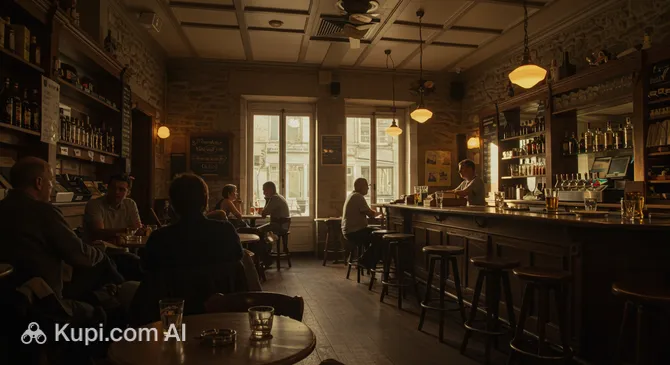
Le Koadenn. Illustration.
Source: Kupi.com AI

Traveler photos:

Getting to know the culture of Brittany would be incomplete without diving into the local cuisine. One of the notable spots is the restaurant Le Koadenn. This establishment attracts guests with its authentic atmosphere and a menu that emphasizes high-quality local products. Tourists often note this place as an excellent opportunity to relax after excursions and enjoy the cozy interior.

And, of course, you cannot visit this region without trying the famous Breton crepes. Crêperie Bleu Marine is perfect for this. They serve both traditional buckwheat galettes with savory fillings and sweet crepes, which are the perfect end to a lunch. Visiting such places allows you to better understand the character of the city through its tastes and aromas.

Local Cuisine

The gastronomic scene in Saint-Brieuc is a true mirror of Breton traditions, where the main roles are played by seafood and farm products. Proximity to the English Channel dictates the menu of most establishments: fresh seafood reigns supreme here. A special source of pride for the city are the scallops (Coquilles Saint-Jacques) from the local bay, as well as oysters and mussels, which often reach the table just hours after being caught.

It is impossible to imagine a trip through this region without tasting the famous crepes. Local cuisine clearly divides them into two types: savory galettes made from dark buckwheat flour with fillings like ham, cheese, or eggs, and sweet wheat crepes for dessert. This is not just food, but part of the cultural code: creperies are found at every turn, from cozy family cafes to street stalls.

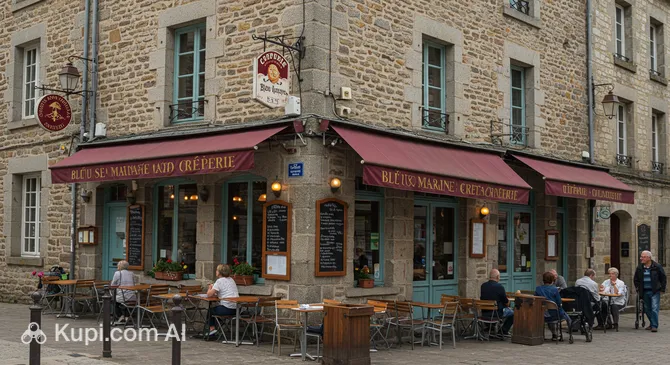
Bleu Marine Crêperie. Illustration.
Source: Kupi.com AI

Traveler photos:

If you want to experience authentic flavors in a cozy setting, it's worth visiting places like Crêperie Bleu Marine. In such establishments, old recipes are honored, offering guests the perfect combination of crispy dough and succulent fillings. It is customary to wash down the meal with traditional apple cider, served in ceramic cups called bolées. The drink ranges from sweet to dry and perfectly complements the taste of local dishes.

For those with a sweet tooth, Saint-Brieuc offers true masterpieces of confectionery art. Be sure to try kouign-amann — a famous Breton cake soaked in butter and sugar, forming a caramelized crust. Another gastronomic symbol is salted caramel, which is added to desserts or sold in jars as a tasty souvenir. For fresh delicacies and an atmosphere of lively conversation, it's best to head to the city markets, where local farmers offer the best cheeses, pastries, and seasonal vegetables.

Travel Tips

A trip to Saint-Brieuc promises to be unforgettable, but a little preparation will make it even more comfortable. We have gathered useful recommendations to help you easily navigate the city, avoid minor inconveniences, and feel confident in any situation.

  1. Clothing and Essentials: The weather in Brittany is changeable, so the principle of layering is your best friend. Even in summer, it's worth bringing a windbreaker or raincoat, as the sea breeze can be cool. For walks in the historic center and along the embankments, choose comfortable flat shoes — cobblestones and nature trails don't tolerate heels. An adapter for Type E sockets (the standard for France) will be useful if your devices have different plug formats.

  2. Transport: The historical city center is compact and best explored on foot. For trips to the port of Légué or remote areas, use the convenient TUB bus network. If you plan to explore the picturesque Côtes-d'Armor coast outside the city, renting a car is the smartest decision, as public transport schedules in the suburbs can be sparse.

  3. Finances: The official currency is the Euro. Bank cards are accepted almost everywhere, including restaurants and supermarkets, but it's better to have some cash for purchases at street markets or small bakeries. Tips are usually included in the bill, but leaving 1–2 euros on the table or rounding up the amount for good service is considered a polite gesture.

  4. Health and Safety: Saint-Brieuc is a peaceful city, but general precautions are always wise. Pharmacies are easily recognized by a blinking green cross; on-call pharmacies operate on weekends too. Tap water here is of excellent quality and safe to drink. In emergencies, use the European emergency number 112.

  5. Communication: The main language is French. Many tourism workers speak English, but in small shops, communication may be difficult. Learn a couple of phrases: "Bonjour" (hello) and "Merci" (thank you) — these polite gestures will open many doors. Free Wi-Fi is often available in cafes and public places, but for a stable connection, it's better to buy a local SIM card at a tobacco shop (Tabac).

  6. Local Etiquette: When entering any shop, cafe, or even getting on a bus, be sure to greet the staff ("Bonjour"). Ignoring this rule can be perceived as rude. Also, remember that the French value quiet in public places, so try not to talk too loudly.

  7. What to Avoid: Don't try to have lunch in a restaurant after 2:00 PM. In France, meal times are strictly observed, and most kitchens close from 2:00 PM to 7:00 PM. If you get hungry during this time, you'll have to rely on sandwiches in bakeries or fast food.

  8. Tides: This is an important feature of the region. If you decide to walk on the bay floor during low tide, be sure to check the tide schedule (horaire des marées). The water in the Bay of Saint-Brieuc returns very quickly and can cut off the path to the shore, so be vigilant and don't go too far without knowing the schedule.

We hope these tips help you relax and fully immerse yourself in the atmosphere of Brittany without being distracted by everyday trifles. May Saint-Brieuc welcome you warmly and give you only bright impressions and gastronomic discoveries!

Entertainment & Nightlife

Nightlife in Saint-Brieuc is characterized by a calm and cozy nature, typical of many Breton towns. You won't find huge metropolitan clubs with neon signs open until dawn here, but you can immerse yourself in the atmosphere of soulful pubs, wine bars, and live music. Evenings here are usually spent in the company of friends, enjoying conversation and local drinks.

The centers of evening attraction are traditionally two areas: the historic center around the cathedral and the Port du Légué district. In the center, on the pedestrian streets, many bars are concentrated where local bands often play everything from Celtic folk to rock. The port offers a more romantic setting: terraces overlooking the yachts are ideal for a sunset aperitif during the warmer months.

An ideal evening in Saint-Brieuc should start with a good dinner. Gastronomy is an important part of leisure here. For a start, the restaurant Le Koadenn is perfect, where you can slowly enjoy Breton dishes in an authentic interior. If you prefer a more casual and traditional setting, stop by Crêperie Bleu Marine — hearty galettes will provide an excellent foundation before hitting the bars.

As for the bars, the crowd is diverse: from local university students to tourists and long-time residents. There is no dress code in most establishments; the style is "casual." Many places close around 1:00 or 2:00 AM, so the nightlife starts quite early, around 8:00–9:00 PM. The average check for a glass of beer or cider is 4–6 euros, while cocktails cost 8–10 euros.

Cultural Entertainment and Daytime Leisure:
If you're looking for an alternative to bars, check out the national stage La Passerelle. This is the city's main theater, hosting regular high-level plays, dance shows, and concerts. During the day, the city offers visits to the Museum of Art and History of Saint-Brieuc to learn about local heritage, or a walk through the Parc des Promenades. For family fun, the Aquabaie water park is one of the largest in the region.

Safety and Transport:
Saint-Brieuc is a safe city, and nighttime walks through the center or the port embankment pose no threats. However, as elsewhere, it's wise to keep an eye on your personal belongings. The main nuance of nightlife is transport. Buses stop running quite early, and catching a taxi on the street at night is almost impossible. We recommend saving local taxi service numbers in advance or arranging a call through a bartender if you plan to stay out late.

Parks & Museums

Saint-Brieuc offers travelers a wonderful balance between educational cultural leisure and relaxation in the heart of nature. The city, which has received numerous awards for its greenery, carefully preserves its park zones and historical heritage, allowing guests to alternate museum visits with walks along picturesque alleys and nature trails.

Among the green zones, a special place is held by Parc des Promenades, located in the very center of the city. This historic park, created in the 19th century, serves as the main meeting and walking spot for locals. Here you can relax in the shade of century-old trees, admire classical statues and the rotunda, and enjoy an atmosphere of peace just two steps away from busy shopping streets. It is an ideal location for a short break between excursions.

For those who prefer wilder nature, a must-visit is the Gouët Valley (Vallée du Gouët). This place is famous for its natural phenomenon — the "Gouët Chaos," a cluster of huge granite boulders polished by the river water. Walking trails here lead through dense forest, creating a sense of complete seclusion and fairy-tale magic. Tourists value the valley for the opportunity to go on a real hike without traveling far from the city limits and to see legendary Breton landscapes.

The cultural program should start with the Museum of Art and History of Saint-Brieuc (Musée d'Art et d'Histoire). Its exposition is a deep dive into the life of the Côtes-d'Armor region. It features collections dedicated to maritime archaeology, traditional crafts (including linen weaving), and fine arts. The museum is interesting because it doesn't just show artifacts, but tells the story of human interaction with the sea and the land of Brittany, emphasizing ethnography and the social structure of past centuries.

Another important cultural point is La Briqueterie, located in the immediate vicinity of the city in the Bay of Saint-Brieuc. This museum, created on the site of an old brick factory, tells about the industrial past of the region. Visitors can learn how human activity changed the landscape of the bay and see preserved kilns. This place particularly attracts fans of industrial architecture and labor history.

Speaking of architectural monuments, one cannot fail to mention the majestic Saint-Étienne Cathedral. This church-fortress is a landmark of the historical center and impresses with its austere Gothic beauty. Also noteworthy are the viaducts built by engineer Harel de la Noë, which crisscross the city and surroundings, recalling the heyday of railways in the region.

For those looking for hidden gems, we suggest looking into the park of Villa Rohannec'h. The villa itself is now a space for creative residences, but its park is open to everyone. From this hill, you can find perhaps the most breathtaking panoramic view of the port of Légué and the river mouth, which not all tourists know about.

Getting Around

Public transport in Saint-Brieuc is represented by an efficient and straightforward network called TUB (Transports Urbains Briochins). Given the city's compact size and the absence of a metro or trams, buses are the primary means of getting around. The route network is well-designed and connects the railway station, the historical center, the port of Légué, and nearby beaches, making movement around the city comfortable even without a car.

Buses run regularly, and on the main lines, the intervals are just 10–15 minutes. For tourists, routes connecting the center with coastal areas are especially useful, as a walk to the sea can take significant time due to changes in elevation. It's important to remember that the schedule varies depending on the day of the week: on Sundays and holidays, the number of trips is significantly reduced, and some lines may not run at all.

The fare system in Saint-Brieuc is very visitor-friendly. A single ticket (Ticket Unité) costs about 1.50 euros and is valid for one hour with the possibility of transfers. If you plan to travel a lot during the day, it's more economical to purchase a 24-hour pass (Ticket Journée), which costs about 4 euros. Tickets can be bought directly from the driver upon boarding (it's best to have change), at specialized vending machines, or at the TUB information office on Place Champ de Mars.

Modern technology has also been integrated into the transport system: you can pay for travel using the M-Ticket mobile app or by sending an SMS (for local operator subscribers). Don't forget to validate your ticket every time you board a bus, even if you are transferring. Fines for fare evasion can be substantial, and inspections are carried out regularly on the lines.

Given the hilly terrain of Saint-Brieuc, an excellent alternative to buses is electric bike rental. The rental service, also managed by the TUB company, offers e-bikes that help you easily conquer the climbs from the port to the city center. Rental points are located at key spots, including the station, allowing you to start your bike ride immediately upon arrival.

For travel late at night when buses stop running (usually around 8:30–9:00 PM, except for some evening lines on Friday and Saturday), you should rely on taxis. It's best to order a car in advance by phone or through an app, as catching an empty car on the street can be difficult. This is the most reliable way to get to your hotel after dinner at a restaurant.

Practical tip for passengers: in Saint-Brieuc, as in many other French cities, it is customary to greet the driver upon boarding ("Bonjour") and to signal with your hand if you are standing at a stop and want the approaching bus to stop. To get off, you must press the "Stop" button on the handrail in advance.

Accommodation

The choice of accommodation in Saint-Brieuc is wide enough to meet the needs of different categories of travelers, although the city is not overwhelmed by huge hotel complexes. The core of the room stock consists of mid-range hotels and cozy small inns offering comfortable stays at reasonable prices. For those looking for a more authentic experience, the Brittany region is famous for its guest houses (chambres d'hôtes) and apartments, which allow you to feel like a local.

When choosing a location, you should focus on the purpose of your visit. The historic center (near Saint-Étienne Cathedral) is the ideal choice for those who want to be in the thick of things, close to attractions, restaurants, and shops. Here you can enjoy evening strolls through ancient streets without relying on transport. Another popular area is Port du Légué. Staying here will give you a picturesque view of yacht masts and a special maritime atmosphere, although you will have to reach the city center by bus or car.

For tourists traveling by train or planning active trips around the region, the railway station area is a convenient option. Network hotels offering standardized service and quick access to transport hubs are concentrated here. This is a practical choice if Saint-Brieuc is your starting point for exploring the Côtes-d'Armor coast.

The price range varies from budget options (small 2-star hotels and hostels) to a comfortable level (quality 3-4 stars). There are practically no luxury five-star resorts directly within the city; for exclusive luxury vacations, people usually head to old estates in the surrounding area or on the coast. Booking is best done through popular online platforms to compare prices and read reviews, though direct booking is also available at many family-run mini-hotels.

Important booking tip: Brittany is an extremely popular destination in the summer season. If your trip is planned for July or August, or during major festivals (such as Art Rock), we strongly recommend booking accommodation 2–3 months in advance. On peak dates, the best value-for-money options are snapped up very quickly, and choices may remain limited.

Nearby Cities

For those looking to explore the surrounding area, Saint-Brieuc serves as an excellent starting point for day trips to several interesting nearby locations. Just an hour away is the legendary Saint-Malo — the city of corsairs, surrounded by powerful fortress walls offering breathtaking sea views. The regional capital, Rennes, will delight architecture lovers with its half-timbered houses and the majestic Brittany Parliament building. If you are seeking natural beauty, head to Lannion, often called the gateway to the famous Pink Granite Coast.

CityPopulationDistance
Plerin14 3093 km
Ploufragan11 4893 km
Lamballe12 57919 km
Loudeac9 60537 km
Pontivy15 06452 km

These nearby destinations provide a glimpse into the diverse culture and landscapes of the region, from medieval castles to picturesque coastlines.

Shopping & Souvenirs

Shopping in Saint-Brieuc is a pleasant and relaxing activity, devoid of the hustle and bustle of major metropolises. The city offers a harmonious blend of well-known French brands and charming private boutiques where you can find unique items. The culture of supporting local producers is particularly developed here, so shelves often feature goods made by Breton artisans, whether clothing, jewelry, or gastronomic delights.

The heart of the city's commercial life is the pedestrian streets in the historical center. The main artery for shopping enthusiasts is Rue Saint-Guillaume. Strolling along it, you will find clothing, footwear, and cosmetics stores, as well as bookstores. Don't overlook the adjacent side streets, such as Rue Charbonnerie, where small concept stores and antique shops with a special atmosphere are often hidden.

For those who prefer an "all-in-one" format, the Les Champs shopping center is located in the very heart of the city. This is a modern open-air and roofed space architecturally integrated into the urban landscape. It houses popular mass-market chain stores, electronics shops, and accessory boutiques. It's a convenient place to update your wardrobe if the weather suddenly turns bad.

The true spirit of the region can be felt at the local markets. Saint-Brieuc's main market takes place on Wednesday and Saturday mornings. On Saturday, it is particularly large, occupying the squares around the cathedral and Place de la Résistance. Here you can buy not only the freshest products but also items from local craftsmen, textiles, and flea market finds. This is the best place to get acquainted with the gastronomic culture that France is famous for.

As souvenirs from Saint-Brieuc, tourists most often bring home gastronomic gifts. Be sure to look for salted caramel (caramel au beurre salé), Breton cookies (palets bretons), and, of course, apple cider. Among non-edible souvenirs, the famous "Breton bowls" (bol breton) with ears and names are popular, as well as high-quality striped shirts (marinière), which are a symbol of the region's nautical style.

Most shops are open from Monday to Saturday, roughly from 9:30 or 10:00 AM to 7:00 PM. It is important to remember that small private shops often close for a lunch break from 12:30 PM to 2:00 PM. Sunday is the traditional day off, when only some bakeries and souvenir shops in tourist areas are open. Bank cards are accepted almost everywhere, but it's better to have cash euros for market purchases.

Tourists residing permanently outside the European Union can take advantage of the Tax Free (Détaxe) system when purchasing goods worth over 100.01 euros in a single store. Look for the "Tax Free" sticker in windows or ask shopkeepers about the possibility of issuing a tax refund form, which must be presented at customs when leaving the EU.

Reached the end of the page?

That means the route is fully explored