Support

Château de Vaux-le-Vicomte

About

Château Vaux-le-Vicomte is a magnificent 17th-century palace that is a jewel of French architecture and an iconic historical site in France. Located in the Seine-et-Marne department, approximately 50 kilometers southeast of Paris (it is sometimes associated with the vicinity of Orly), this chateau was built for Nicolas Fouquet, the Superintendent of Finance under King Louis XIV. It became the embodiment of the ambitions and refined taste of its time, striking visitors with its grandeur and harmony.
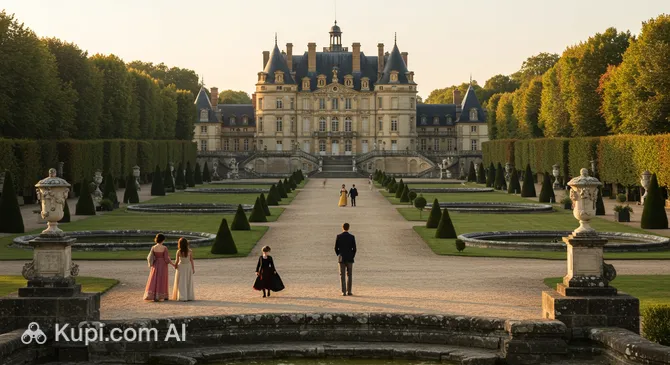
Château de Vaux-le-Vicomte. Illustration.
Source: Kupi.com AI

Traveler photos:

The architectural ensemble of Château Vaux-le-Vicomte represents a unique combination of French Classicism and elements of Italian Baroque, creating a distinctive style known as "Grand Manière" – the "Great Style" of the Sun King era. Every detail of the palace and its surrounding park is meticulously thought out, reflecting a pursuit of perfection and luxury, making it one of the most brilliant examples of architecture from that era.

The creation of this masterpiece was made possible through the collaboration of three outstanding masters of their time. Architect Louis Le Vau was responsible for designing the chateau itself, painter-decorator Charles Le Brun created the magnificent interiors and frescoes, and the famous landscape architect André Le Nôtre designed the unique formal park, which became a model for many garden ensembles across Europe. Their genius turned Vaux-le-Vicomte into a true work of art.

Château Vaux-le-Vicomte is not just a beautiful palace; it is a place that had a profound influence on the subsequent development of architecture and landscape design. It is believed that it was the splendor of Vaux-le-Vicomte that inspired Louis XIV to build the even more grandiose Versailles, for which the same masters were commissioned. Today, the chateau is open to visitors, offering a chance to plunge into the atmosphere of the 17th century, explore luxurious halls, stroll through picturesque gardens, and learn more about the fascinating history of its creator and the estate itself.

Contacts

To plan your visit to Château Vaux-le-Vicomte, located in France near the town of Orly, it is recommended to check the latest information on opening hours, special events, and ticket prices in advance. You can contact the estate administration using the contact details provided in the table below.

How to contactContact
Address77950 Maincy, France
Websitevaux-le-vicomte.com

What to Do

A visit to Château Vaux-le-Vicomte is an immersion into the splendor of the 17th century. You can stroll through the luxurious halls of the chateau, each telling its own story and adorned with magnificent works of art. The interiors, created by the famous painter Charles Le Brun, will amaze you with their wealth and sophistication. Thematic tours are often held at the chateau, helping you to better understand the lives of its inhabitants. For young visitors, there is a special treat – the opportunity to rent princess or musketeer costumes, turning the visit into a real adventure.

An integral part of the experience at Château Vaux-le-Vicomte is a walk through its famous French gardens. These vast and perfectly planned gardens are the creation of André Le Nôtre, a master of landscape design. Here, leisurely walks await you along picturesque alleys, where you can admire elegant fountains, reflecting pools, and classical sculptures. Every corner of the garden is meticulously designed for enjoying harmony and beauty.

Château Vaux-le-Vicomte is especially transformed in the evening. In the summer, on Saturdays, magical candlelight nights are held, when thousands of candles illuminate the chateau and gardens, creating a truly fairytale atmosphere. These evenings are often accompanied by fireworks, adding magic to your visit. This is a unique opportunity to see the chateau in a completely different light and gain unforgettable impressions of its grandeur.

Getting There

Getting to the magnificent Château Vaux-le-Vicomte is quite simple, especially if you are starting your journey from Paris. The estate is located approximately 50 kilometers southeast of the French capital, making it a convenient destination for a day trip. The most direct way is by car, which typically takes about 50 minutes depending on traffic. This option allows you to enjoy views of the French countryside and offers flexibility in planning your schedule.

For those who prefer public transport, there is a convenient route via suburban trains. You can take the RER (Line D) or the SNCF Transilien (Line R) from Gare de Lyon in Paris to Melun station. The train journey usually takes around 25-30 minutes. From Melun railway station, Château Vaux-le-Vicomte can be reached by taxi (approximately 15-20 minutes) or by using the special "Châteaubus" shuttle. The shuttle runs between Melun station and the chateau, particularly during the tourist season (usually from April to early November); its schedule is often coordinated with train arrivals from Paris.

Another option is organized bus tours from Paris, which often include round-trip transfers to the chateau, and sometimes entry tickets or guided tours. This can be a convenient choice if you don't want to worry about logistics. Regardless of the chosen method, it is always recommended to check the current train and shuttle schedules as well as the chateau's opening hours in advance, especially if your visit falls on a weekend or holiday, to ensure your trip to Château Vaux-le-Vicomte is as comfortable as possible.

Nearest city: Orly

History & Facts

The history of Château Vaux-le-Vicomte is inextricably linked with the ambitions of one man – Nicolas Fouquet, the Superintendent of Finance under King Louis XIV. In 1641, Fouquet acquired these lands, and in 1653, he began realizing his grand vision – creating a chateau that would reflect his power and wealth. By 1659, the main works were completed, and Fouquet could proudly host the Sun King himself at his new estate. The finest masters of the time were invited for the construction and decoration: architect Louis Le Vau, painter-decorator Charles Le Brun, and master of landscape art André Le Nôtre.

Château Vaux-le-Vicomte became a true work of art, harmoniously combining architecture and landscape design. Its splendor and innovative solutions made such an impression that the chateau served as the direct model for the construction of the famous Palace of Versailles. However, this same luxury sparked not only admiration but also burning envy in Louis XIV. Fouquet, seeking to demonstrate his loyalty and influence, spared no expense in creating a truly royal residence.

The culmination and, at the same time, the tragic finale for Fouquet was a lavish reception held at Château Vaux-le-Vicomte on August 17, 1661, in honor of King Louis XIV. The celebration was organized by the famous maître d'hôtel François Vatel. The luxury of this event finally convinced the monarch of his minister's excessive wealth and influence. Just weeks after this celebration, Nicolas Fouquet was arrested on charges of embezzlement, and his property, including the magnificent chateau, was confiscated. Despite the dramatic fate of its creator, Château Vaux-le-Vicomte has survived to this day as a unique monument of 17th-century architecture and landscape art, allowing visitors to touch the brilliance and tragedies of French history.

Time Needed

When planning a visit to Château Vaux-le-Vicomte, it is worth setting aside enough time to fully enjoy its splendor. For a complete tour of the chateau itself, its luxurious interiors, and the adjacent famous gardens created by André Le Nôtre, it is recommended to allow at least 3–4 hours. This will allow you to stroll leisurely through the halls, study the decorative details, and enjoy the harmony of the park ensemble.

If your plans include a deeper immersion into the atmosphere of this historical site—for example, participating in special evening events like the famous candlelight walks, or if you wish to have a picnic on the extensive grounds of the park—then your visit may take a whole day. Also, consider the travel time to the chateau and back, especially if you are traveling from Paris or another city in France.

Working Hours

Château Vaux-le-Vicomte is pleased to welcome visitors to its magnificent halls and gardens for most of the year. As a rule, the chateau is open for visits from March to November. Standard opening hours are usually from 10:00 AM to 6:00 PM. However, it is worth noting that during the summer period and during special events, such as the famous candlelight evenings, opening hours may be extended so that guests can fully enjoy the magic of this place.

To ensure your visit goes smoothly and without surprises, it is strongly recommended to check the current schedule on the official Château Vaux-le-Vicomte website before your trip. There you will find the most up-to-date information on opening hours for the specific day of your visit, any possible changes, and information about the need for advance ticket booking, especially during peak season or for popular events. This will help you plan your visit in the best possible way.

DayOpening hours
Monday10:00 – 17:30
Tuesday10:00 – 17:30
Wednesday10:00 – 17:30
Thursday10:00 – 17:30
Friday10:00 – 17:30
Saturday11:00 – 21:30
Sunday10:00 – 17:30

Nearby

Visiting such an iconic place as Château Vaux-le-Vicomte is an unforgettable experience in itself. However, to make your journey even more enriching and complete, it is worth paying attention to other interesting sites located nearby. Exploring the surroundings will allow you to dive deeper into the atmosphere of the region, discover new facets of its history and culture, and complement your impressions of a trip to France.

Near Orly and the chateau itself, you will find other attractions that may interest a traveler. Below is a list of some of them with the distance indicated, which will help you plan your itinerary.

NameDistance
My Little Wake Park12.3 km
Padel Horizon27.8 km
Tasty Crousty35.4 km
LV36.2 km
Loulou Antony36.7 km
François-Mitterrand Library38.7 km
Palomano Story51.1 km

Have you reached the end of the page?

So the route has been studied inside and out