Support

Sassnitz

About

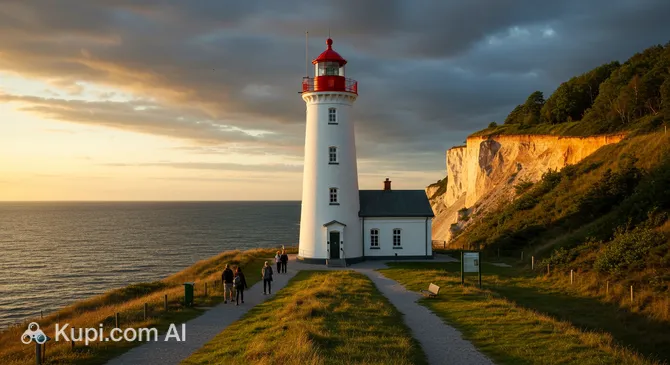
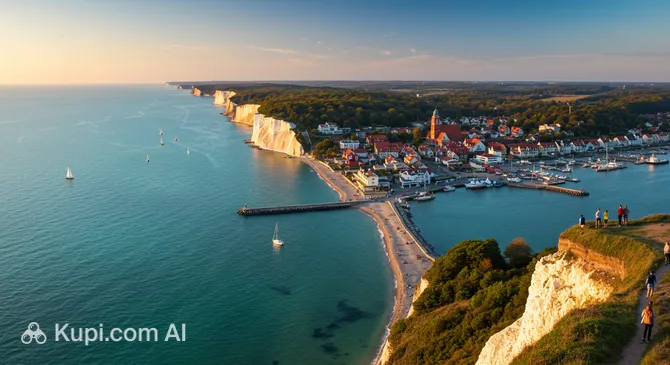
Sassnitz is a remarkably picturesque and cozy town nestled on the northeastern coast of the island of Rügen, on the Jasmund Peninsula. This corner of Germany is famous for its unique location, where the turquoise waters of the Baltic Sea meet majestic chalk cliffs and dense forests. With a population of about 9,320 people, the town is free from the hustle and bustle of big cities, offering guests a laid-back rhythm of seaside life and true local hospitality.

Sassnitz. Illustration.
Source: Kupi.com AI

The region's main pride is its immediate proximity to the Jasmund National Park. Travelers come here to see the famous white cliffs hanging over the water and to enjoy walks through ancient beech groves. The town itself is known as an important port and seaside resort: it offers magnificent views of the Baltic, and its long promenade has become a favorite spot for strolling and watching sunsets. Furthermore, Sassnitz serves as a starting point for sea voyages, connecting the island by ferry to the Danish town of Rønne.

The town's architectural style harmoniously combines historic houses with tiled roofs and modern hotels, creating an inspiring atmosphere for artists and photographers. The rich history of Sassnitz can be felt in its streets and traditions, making it a true crossroads of cultures. It is an ideal place for those who appreciate the harmony of nature and want to immerse themselves in authentic Baltic romance.

Weather Overview

The climate in Sassnitz is largely determined by its proximity to the Baltic Sea, ensuring mild weather without sharp temperature fluctuations. Summer here is pleasant and fresh: in the warmest months, July and August, the average temperature is around 18–19°C, and maximum values rarely exceed 21°C. This is a wonderful time for excursions, though an umbrella might come in handy as rain is possible even in the height of the season.

Winters in the region are cool, with average temperatures around 3.5–4.2°C, and are characterized by high humidity: the number of days with precipitation in December and January reaches 16–17. Spring, especially April and May, delights travelers with decreasing rainfall and gradual warming to a comfortable 11–12°C. To plan your wardrobe for the trip, be sure to check the current weather in Sassnitz for the dates of your visit.

Overall, expect moderately warm summers with occasional rain and cool, damp winters.

Average monthly temperature

Average monthly precipitation

Interesting Facts

Beyond its well-known natural beauty, Sassnitz hides many surprising details that make a visit truly memorable. This town knows how to surprise with its combination of historical traditions and unusual modern attractions.
U-Boat Adventure World. Illustration.
Source: Kupi.com AI

Traveler photos:

  • Inspiration for Creators. The famous Kreidefelsen chalk cliffs have attracted artists and poets for centuries. The most famous viewpoint, Königsstuhl ("King's Chair"), is steeped in legend and considered one of the main symbols of Rügen island.

  • British Submarine Museum. In the town's port, you can visit a unique site—the Submarine World. This is the HMS Otus, a real British submarine converted into a museum, where guests can walk through narrow compartments, peek into cabins, and experience the atmosphere of life as a submariner.

  • Floating Bridge. The Sassnitz pedestrian bridge is not just a convenient crossing, but an impressive architectural project. It is 120 meters long and 22 meters high, offering breathtaking panoramas of the old town and the Baltic Sea.

  • Maritime Gateway. The picturesque Fishermen's Harbor of Sassnitz preserves long-standing shipping traditions. Not only did ferries once depart from here, but today it is the starting point for excursion cruises along the coast of Jasmund National Park, allowing you to see the unique landscapes from the water.

How to Get There

When planning a trip to the picturesque coast of Rügen island, it's worth thinking through your route in advance. You can find all the details and alternative options by reading more about how to get to Sassnitz, and below we look at the main transport hubs located relatively close to the town.

Sassnitz does not have its own airport, so travelers often have to fly into neighboring cities or countries. The nearest German air hub is Laage Airport (IATA: RLG), located in the city of Rostock. It is approximately 111 km from Sassnitz, and the journey by taxi or transfer will take about 1.5–2 hours. This is a convenient option for domestic flights or flights from certain European cities.

For international travelers preferring large hubs, Copenhagen (IATA: CPH) is a suitable choice. This is a major international airport located in the capital of Denmark, at a distance of about 138 km from Sassnitz (in a straight line and via ferry crossings). The journey from there can be more complex due to the need to cross water barriers, but it provides access to a wide network of routes from all over the world.

For clarity, here is a summary of the main airports used to reach the region:

AirportPassenger trafficDistance
Heringsdorf Airport19 54379 km
Bornholm Airport236 00095 km
Laage Airport148 000111 km
Malmo Airport905 000115 km
Goleniow Airport483 000133 km

Railway connections also play an important role in the region's accessibility. While Sassnitz doesn't have a large long-distance interchange station comparable to nearby international hubs, you can head toward Rostock Central Station (IATA: RTK). This station is located about 109 km from Sassnitz. From here, you can continue your journey by regional train or by car.

Below is a table of the nearest major railway stations that can serve as transit points:

StationPassenger trafficDistance
Rostock Hauptbahnhof6.6 mln109 km
Malmö Syd Station8.3 mln124 km
Malmö Central Station17 mln128 km
Lund Central Station11 mln136 km
Copenhagen Central Station36.5 mln146 km

Main Attractions

Sassnitz is not just the gateway to the famous chalk cliffs, but a town with its own unique charm, revealed through its architecture and maritime landmarks. A walk through these places will allow you to feel the true spirit of the Baltic and touch the history of resort culture.

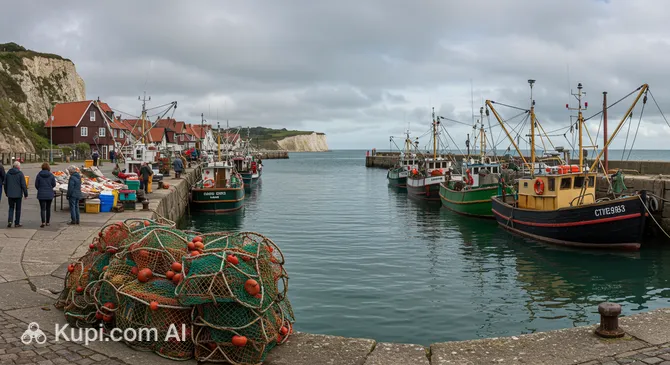
The heart of urban life is rightfully considered the Fishermen's Harbor of Sassnitz. This place attracts tourists with its authentic atmosphere: here you can watch fishing vessels at work, buy the freshest fish right off the boat, or simply enjoy the salty sea air. The harbor's main feature is the famous mole—the longest outer breakwater in Europe, stretching almost one and a half kilometers. A walk along it has become a mandatory ritual for every visitor to the town.

Sassnitz Lighthouse. Illustration.
Source: Kupi.com AI

Traveler photos:

At the very end of the mole, travelers are greeted by the Sassnitz Lighthouse. This elegant structure, painted in recognizable green and white colors, serves not only as a navigational landmark but also as one of the town's main symbols. The lighthouse looks especially striking against the blue waters of the Baltic Sea, making it an ideal location for commemorative photos. From here, a magnificent panoramic view of the town and the coast opens up.

For lovers of quiet walks and hidden corners away from the mass tourist crowds, Klein Helgoland on Rügen Island is of particular interest. This is a historic spot in the forest near the coast, which earned its name after the famous German island due to its similar landscape. Once home to a popular recreation spot, today it is a picturesque corner of nature where you can take a break from the hustle and bustle and enjoy the silence of the beech forest.

A unique combination of gastronomy and history is Osteria La Torre. The restaurant is interesting not only for its cuisine but also for its location: it is situated in the building of an old pilot tower (Lotsenturm). This architectural monument has been carefully restored and now allows guests to dine in a unique setting overlooking the harbor, combining a cultural experience with a gastronomic one.

Local Cuisine

The gastronomic scene in Sassnitz is inextricably linked to the Baltic Sea. The culinary hallmark of the town is the freshest seafood, which hits the table literally a few hours after being caught. In local establishments, you should definitely order smoked fish—fragrant eel, mackerel, or halibut, prepared in smokehouses according to old recipes passed down through generations.

A special place on the menu belongs to the traditional Rügen-style fish soup. This is a thick and hearty soup made with cream, a large amount of vegetables, aromatic herbs, and several types of fish. Such a dish warms you up perfectly after a walk along the windy coast. As for drinks, the region is famous for sea buckthorn products ("the lemon of the north"): here you can try hot sea buckthorn punch and juices, as well as local liqueurs or infusions with a recognizable sweet and sour taste.

For a quick snack, the iconic local street food—fischbrötchen—is ideal. This is a crispy roll with various fillings: from marinated herring ("Bismarck") to northern shrimp or fried fish with remoulade sauce. It's best to try these delicacies where life is buzzing—the Fishermen's Harbor of Sassnitz offers a huge selection of fish stalls and kiosks right by the water, where the food seems even tastier thanks to the salty sea air.

Sassnitz Fishing Harbor. Illustration.
Source: Kupi.com AI

Traveler photos:

Fans of farm products should pay attention to seasonal offerings. In summer, sweet strawberries and blueberries grown in the fields of Rügen island appear in the markets of Sassnitz. Local cheeses and honey are also popular and are often bought as tasty souvenirs. The eating culture here is democratic: tourists and locals alike enjoy visiting cozy restaurants as well as street festivals dedicated to the gifts of the sea, where chefs demonstrate new interpretations of Baltic classics.

Travel Tips

Welcome to Sassnitz! To make your trip to the Baltic Sea coast as comfortable and carefree as possible, we have prepared a list of important recommendations to help you enjoy your vacation while avoiding common tourist mistakes.

  1. Clothing and Essentials: The weather on the Baltic is changeable even in summer. Be sure to bring a windproof jacket and a warm sweater—it's often windy by the sea. The most important attribute for Sassnitz is comfortable, non-slip shoes. They are critical for walking on stony beaches and the forest trails of Jasmund National Park.

  2. Transport: The town is compact and best explored on foot. For trips around Rügen island (for example, to Binz), it's convenient to use VVR regional buses or trains. If you are driving, note that parking in the center and near the port is paid, and spaces can be limited in high season. Download the DB Navigator app to track public transport schedules.

  3. Finances: The currency is the Euro (€). While cards are accepted in supermarkets and hotels, Germany is known for its love of cash. Small bakeries, souvenir stalls, and fish kiosks in the port may not accept cards. Always have small denomination banknotes with you. Tipping is usually 5–10% of the bill or simply rounding up the amount.

  4. Health and Safety: Sassnitz is a very safe town. Pharmacies (Apotheke) are easy to find by the red letter "A". An important safety warning: when walking on the chalk cliffs, never go to the very edge of the precipice and do not stand directly under hanging cliffs on the beach—landslides are possible here, especially after rain. Strictly follow the warning signs.

  5. Communication: The official language is German. In the tourism sector, many speak English, but the older generation may not know it. Learn a few phrases, such as "Guten Tag" (Good day) and "Danke" (Thank you)—this always wins over the locals. For navigation, it's better to buy a local SIM card, as open Wi-Fi is not available everywhere.

  6. Local Etiquette: In Sassnitz, as in many German resorts, a "resort tax" (Kurtaxe) is charged. After paying it at your hotel, always carry your guest card (Kurkarte) with you—it might be checked on the beach, and it often entitles you to free travel on local buses.

  7. What to Avoid: Do not feed the seagulls, especially in the port area. These birds can be aggressive and snatch food right from your hands; furthermore, it is often prohibited by local rules. Also, avoid walking on bike paths—there are many cyclists here, they ride fast, and they expect pedestrians to stick to their own zone.

  8. Tip for Gourmets: Don't limit yourself to restaurants. The tastiest fish is often sold directly from fishing boats in the harbor early in the morning or at simple kiosks. Try a Fischbrötchen (fish roll) right there—it's cheaper and more authentic.

We hope these tips help you plan the perfect vacation. Sassnitz, with its maritime romance and natural beauty, is ready to give you an unforgettable experience!

Entertainment & Nightlife

Entertainment and Nightlife:

The nightlife in Sassnitz differs from that of noisy metropolises: you won't find neon signs for massive night clubs or raves until dawn here. This is a resort for those who appreciate tranquility, so evening leisure here is leisurely, contemplative, and gastronomic in nature. Most activity is concentrated around the promenade and the port, where tourists and locals enjoy sunsets and the sea breeze.

The epicenter of evening life is the Fishermen's Harbor of Sassnitz. With the onset of twilight, this place takes on a special charm: streetlights turn on, reflecting in the water, and live music or the low hum of conversation drifts from numerous small restaurants. It is customary to stroll slowly along the piers, choosing a place for dinner, or to sit on open terraces with a glass of wine, watching the yachts.

Connoisseurs of quality cuisine and atmospheric evenings should stop by the Osteria La Torre restaurant. Located in a historic tower, this establishment offers not only excellent food but also a unique setting, perfect for a romantic date or a quiet evening with friends. Most establishments in the town close around 22:00–23:00, so it's best to plan dinner in advance. The dress code is casual almost everywhere, but smart casual is appropriate for fine dining restaurants.

Regarding safety, Sassnitz is an exceptionally calm town. You can safely walk along the lit streets of the center and the promenade even late in the evening. However, consider the transport nuances: night buses run infrequently, and catching a taxi on the street can be difficult. It is recommended to have the numbers of local taxi services with you or to arrange a transfer in advance if your hotel is far from the port.

During the day, the town offers a different range of emotions. Besides walking through the national park, the Submarine World is popular—an exciting museum inside a real submarine that will be interesting for both adults and children. Also, during daylight hours, you can visit the town zoo or take a boat trip to the chalk cliffs to see the island's hallmark from the water.

Parks & Museums

Sassnitz offers travelers a harmonious blend of majestic nature and rich maritime heritage. The town, literally surrounded by greenery and water, is perfect for both peaceful walks through protected forests and educational excursions that reveal the secrets of Baltic shipping.

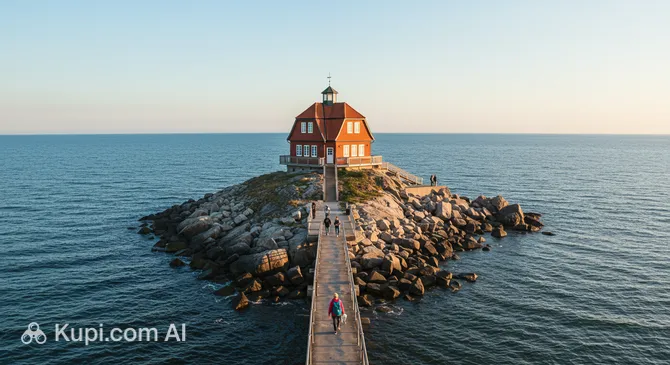
The main natural treasure of the region is undoubtedly its proximity to the Jasmund National Park, famous for its ancient beech forests, which are included in the UNESCO World Heritage list. However, there are also amazing green zones within the town itself. Special attention should be given to Klein Helgoland on Rügen Island. This is a picturesque spot in the forest that historically served as a popular recreation area. It got its name due to the landscape's similarity to the famous German island, and today you can enjoy silence here away from the tourist crowds.

Klein Helgoland Rügen. Illustration.
Source: Kupi.com AI

Traveler photos:

For family vacations, the Sassnitz Tierpark (zoo), located on the outskirts of town, is perfect. It is a small but cozy park where animals typical of the local fauna live in natural conditions, and there is also a petting zone that children especially enjoy. Another bright natural spot is the Alaris Butterfly Park—a true tropical oasis under a roof, where hundreds of colorful butterflies from all over the world flutter freely among exotic plants.

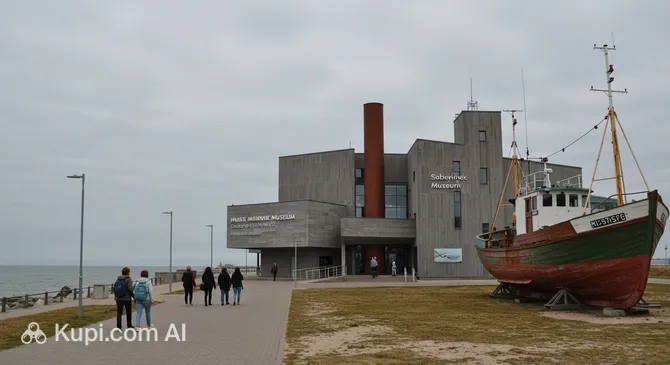
The town's museum map is closely tied to the sea. The most impressive site is the Submarine World. The exhibition is housed inside a real British submarine, the HMS Otus, moored in the port. Visitors can walk through narrow corridors, inspect the engine room and the periscope, immersing themselves in the life of submariners. Those interested in the town's development should stop by the Fishery and Harbor Museum (Fischerei- und Hafenmuseum). It features exhibits detailing the rise of Sassnitz as an important ferry port and fishing center, including ship models and historic equipment.

Among the architectural monuments, the famous Sassnitz Lighthouse on the eastern mole stands out. This elegant structure has become a symbol of the town and a fine example of early 20th-century maritime architecture. A walk to it through the entire Fishermen's Harbor of Sassnitz allows you to appreciate the scale of the port facilities and enjoy the view of old villas in the "resort architecture" (Bäderarchitektur) style, which decorate the shoreline with their carved balconies and light facades.

For those looking for hidden gems, we suggest checking out the forest path along the shore leading from the zoo toward the chalk cliffs. This is a less crowded route than the main road to Königsstuhl, but it offers equally spectacular sea views through the canopy of ancient trees.

Getting Around

The transport system of Sassnitz is compact and straightforward, perfectly matching the relaxed pace of life in this resort town. There are no subways, trams, or trolleybuses here; the main form of public transport is buses. Due to the small size of the settlement, many distances are easily covered on foot, but for trips to distant attractions or neighboring resorts, the transport network works stably and efficiently.

The main carrier in the region is VVR (Verkehrsgesellschaft Vorpommern-Rügen). The bus network connects the town center, the railway station, the port, and key tourist spots. Particularly important for travelers are the routes leading to Jasmund National Park and the famous chalk cliffs (for example, route No. 23). The buses are modern, comfortable, and run strictly according to the schedule, which can be found at stops or in online apps.

The fare payment system has its pleasant features for tourists. Sassnitz has a "Resort Card" (Kurkarte) system, which every guest receives when checking into a hotel or apartment after paying the resort tax. This card often entitles you to free travel on VVR buses within the Sassnitz tariff zone and on some routes to nearby attractions. Be sure to check the current terms of the card at your hotel reception or at the tourist center, as this can significantly save your budget.

If you don't have a resort card or are traveling outside the free zone, tickets can be purchased directly from the driver upon boarding (it's best to have small cash Euros) or through mobile apps like DB Navigator or the VVR app. The cost of a single trip depends on the number of tariff zones ("honeycombs") crossed, but for short trips around town, the price remains affordable. Don't forget to keep your ticket until the end of the journey for potential inspection.

Railway transport is represented by the Bahnhof Sassnitz station. Regional trains (RE) depart from here, connecting the town with major hubs like Stralsund and Rostock. This is a convenient way to reach the town or go on a trip around Rügen island. Train tickets are bought from machines at the station (which have menus in several languages) or online.

As an alternative to public transport, the following are popular in Sassnitz:

Bicycles: This is perhaps the favorite mode of transport on the island. Rental points (Fahrradverleih) are located everywhere, and the network of bike paths allows you to explore the surroundings and the coast comfortably and safely.

Taxis: Taxis usually wait for passengers at the station or in the port. Catching a car right on the street can be difficult, so it's more reliable to book a ride by phone or through the hotel reception. Uber and similar services are not common here.

Pleasure boats: While more of an attraction than transport, regular trips from the town harbor to the chalk cliffs are an important part of local navigation.

An important tip: on weekends and public holidays, bus intervals may increase, and night services are practically non-existent. If you plan a late dinner at a restaurant far from your hotel, think about your return journey in advance or write down the number of a local taxi service.
Accommodation

Choosing accommodation in Sassnitz allows tourists to fully immerse themselves in the atmosphere of Baltic romance. The town offers a variety of lodging options: from cozy private pensions and guest houses to modern apartments and boutique hotels. There aren't many huge hotel chains here, but there is an abundance of charming villas in the classic "resort architecture" style with white facades and carved balconies, many of which have been converted into comfortable holiday apartments (Ferienwohnungen).

The most attractive area for staying is the historic town center (Altstadt), located on a hill not far from the coast. By staying here, you will be within walking distance of the picturesque promenade with sea views and the old streets leading to the forest. For those who prefer to be closer to boat trips and fresh fish, the harbor area is an excellent choice, though it can be a bit more lively. Silence seekers and hikers should consider options on the outskirts of town, closer to the border of Jasmund National Park.

An important tip for trip planning: Sassnitz is a very popular destination, especially during the summer months (July and August) and during German public holidays. Accommodation during this period is in high demand, so it is recommended to book apartments or rooms 3–6 months before your intended visit. This not only guarantees availability but often allows you to save money, as the best deals are snapped up first.

Price ranges vary from mid-range to high, especially during peak season. Budget options (hostels or inexpensive rooms) are harder to find than comfortable mid-range apartments or luxury rooms in historic villas. Booking is most convenient through major international online platforms or local German websites specializing in Rügen island holidays. Upon check-in, be prepared to pay a resort tax (Kurtaxe), which is not always included in the initial cost of accommodation.

Nearby Cities

For those looking to expand their travel geography, Sassnitz serves as an excellent starting point for exploring the Mecklenburg-Vorpommern region. Within just an hour's drive, you can find cities with rich Hanseatic heritage and unique architecture.

The closest is Stralsund—the historic gateway to Rügen island. Its old town, listed as a UNESCO World Heritage site, is impressive with its majestic Brick Gothic architecture. It is also home to the famous Ozeaneum museum, where you can explore the underwater world of the northern seas, making the trip interesting for both history buffs and families with children.

A bit further south is the university city of Greifswald. This city possesses a special romantic atmosphere: it was the birthplace of the great painter Caspar David Friedrich. Tourists come here to stroll through the picturesque ruins of Eldena Abbey and feel the lively energy of the old university center, where history sits alongside youth culture.

If you are up for a longer trip, be sure to visit Rostock. This is the region's largest city, combining the power of a port center with the coziness of Hanseatic streets. It offers excellent opportunities for shopping, gastronomic tourism, and walks along the promenade, where beautiful sailing ships and cruise liners are often moored.

CityPopulationDistance
Peenemunde35043 km
Stralsund59 20543 km
Greifswald59 38250 km
Wolgast12 02853 km
Grimmen9 57260 km

A trip to any of these cities will allow you to get to know the culture of Northern Germany more deeply and see the contrast between the quiet resort life of the island and the rhythm of mainland cities.

Shopping & Souvenirs

Shopping in Sassnitz has its own unique, relaxed character, fundamentally different from the hustle of major commercial metropolises. People come here not for high fashion or exclusive brands, but for authentic regional products, quality outdoor gear, and unique souvenirs reflecting the spirit of the Baltic. Shops here are often located in picturesque spots, turning the shopping process into a pleasant stroll.

The main commercial life of the town is concentrated in the center and along the promenade. The primary artery for shoppers is the area around Hauptstraße. Here, among restored buildings of resort architecture, you can find cozy boutiques with clothing, bookstores, and shops offering products by local craftsmen. A walk through this zone allows you to combine sightseeing with the search for interesting items.

The central place for comprehensive shopping is the "Rügen-Galerie". This shopping center is hard to miss thanks to its unusual architecture with a massive glass roof. Inside the complex, there are supermarkets, pharmacies, clothing and shoe stores, as well as mobile service centers. For tourists, it is the most convenient place to buy everything needed in one spot—from picnic food to beach accessories forgotten at home.

The Fishermen's Harbor of Sassnitz plays a special role in the town's commercial life. It is not just a landmark but a true open-air gastronomic market. The day's freshest catch is sold here directly from the fishing cutters. Many tourists come here specifically to buy smoked eel, halibut, or the famous "Bismarck" herring as a tasty souvenir. The fish is often vacuum-packed, allowing you to safely take these delicacies home.

The choice of souvenirs in Sassnitz is closely linked to the nature of Rügen island. First and foremost, you should look for Rügen healing chalk (Rügener Heilkreide). This snow-white, ecologically clean product extracted from local cliffs is used in cosmetics and for medicinal purposes: you can find creams, masks, and bath additives based on it in the shops. Another popular symbol of the region is sea buckthorn ("the lemon of the north"). From this bright orange berry, they make everything: from juices and jams to liqueurs and cosmetic oils. Amber jewelry and handmade ceramics with maritime motifs are also popular.

Shops in Sassnitz generally operate from Monday to Saturday from 09:00 to 18:00 or 20:00. Supermarkets may stay open longer, until 21:00 or 22:00. Most shops are closed on Sundays, however, as Sassnitz is a resort town, a special "resort regulation" (Bäderregelung) applies. This means that during the high season, many souvenir stalls and shops in tourist areas have the right to work on Sundays, usually from 12:00 to 18:00.

As for payment, Germany remains a country that loves cash. Major supermarkets and the "Rügen-Galerie" shopping center accept Visa and Mastercard without issues. However, in small souvenir kiosks, bakeries, and especially when buying fish in the port, having small Euro bills will be very useful. The Tax Free system is available for tourists from non-EU countries for purchases over 50 Euros in stores marked with a Global Blue sign or similar. Don't forget to ask for a special receipt at the register to claim the VAT refund when leaving the country.

Reached the end of the page?

That means the route is fully explored