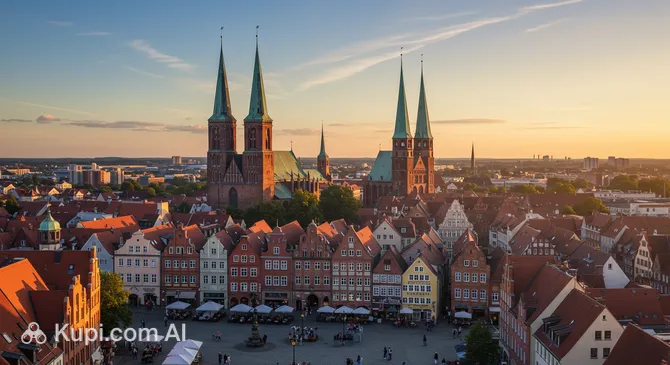
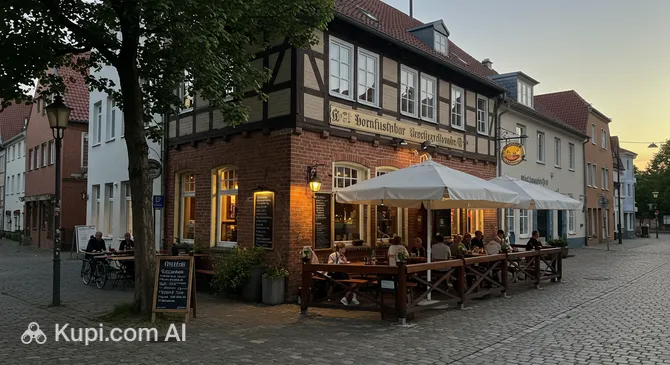
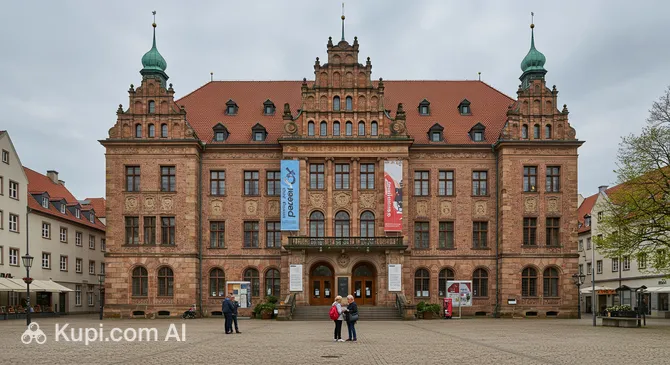
Shopping in Greifswald is a calm and pleasant activity, devoid of the bustle of huge metropolises. The city does not claim to be a fashion capital but offers an excellent balance between charming private shops in the historical center and modern shopping areas on the outskirts. Here you can find high-quality clothing and footwear, as well as unique regional products that will serve as a great reminder of your trip to the Baltic.
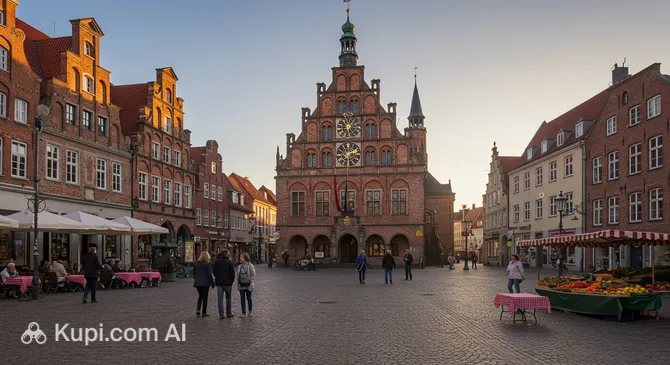
The heart of the city's commercial life is its pedestrian zone located in the historical center (Altstadt). The main shopping artery is Lange Straße, where most boutiques, bookstores, and cozy cafes are concentrated. Strolling along it, you will inevitably reach the central location—the Greifswald Market Square. Around it and on the adjacent street Schuhhagen, small shops with handmade goods, jewelry, and antiques are hidden, which are particularly interesting for lovers of exclusive items to explore.
For those who prefer large-scale purchases and a wide selection of brands under one roof, the best solution is a trip to the Elisen Park shopping center. This is the largest mall in the city, located a bit away from the center but easily accessible by bus or car. Here you will find a large hypermarket, electronics stores, popular mass-market clothing brands, pharmacies, and a food court. In the city center, there is also a small gallery, Dompassage, convenient for quick purchases during a walk.
The markets give Greifswald a special flavor. A traditional weekly market (Wochenmarkt) regularly takes place on the Market Square. It is the best place to buy the freshest farm products: seasonal vegetables, fruits, cheeses, meat delicacies, and, of course, fish. During the pre-Christmas period, a fairytale fair opens here, where you can purchase products from local artisans, woolen items, and Christmas tree decorations.
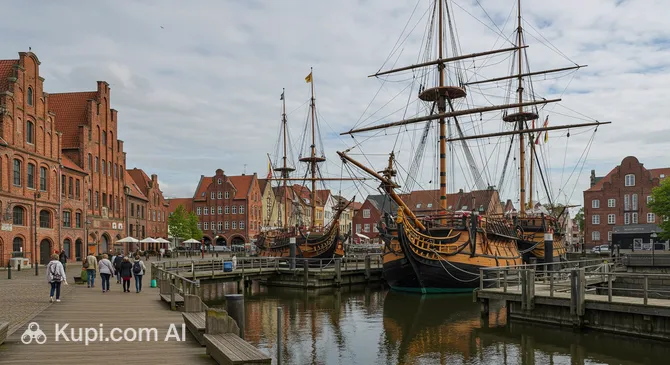
When choosing souvenirs, pay attention to the "gold of the Baltic"—sea buckthorn (Sanddorn). Everything is made from it here: from jam and juices to cosmetics and liqueurs. Maritime-themed items, such as traditional fishing shirts or model ships, are also popular. Given the city's connection to the great artist, reproductions of paintings or books about Caspar David Friedrich would make an excellent gift. Foodies should bring back smoked fish or a bottle of beer from local breweries.
When planning your shopping, remember the German daily schedule. Most shops in the center are open from Monday to Saturday from approximately 10:00 AM to 6:00 PM or 7:00 PM; large centers may be open until 8:00 PM. Sunday is a day off, when absolutely everything is closed except for some bakeries and souvenir shops at the station. Regarding payment, although Visa and Mastercard are accepted in many places, Germany still loves cash. In small cafes, kiosks, and at the market, there may be no terminals, so always have banknotes and coins with you.
Tourists residing permanently outside the European Union can use the Tax Free system. If the amount of your purchase in one store exceeds the established minimum (usually 50 euros), ask the seller to issue a Tax Free Form. When leaving the EU, you can return part of the VAT by presenting these checks and unpacked goods at customs.