Support

Sikandra

About

Sikandra is an impressive architectural and historical complex located in a picturesque suburb of Agra, in the state of Uttar Pradesh, India. Steeped in history, this place preserves the grandeur of the Mughal era and attracts travelers with its unique atmosphere and architectural splendor.
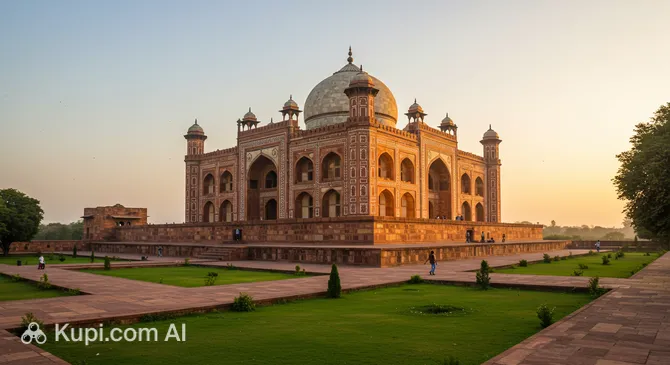
Sikandra. Illustration.
Source: Kupi.com AI

Traveler photos:

The crown jewel of Sikandra and its central structure is the famous Tomb of Akbar the Great, one of the most prominent and enlightened emperors of the Mughal Empire. The mausoleum is an outstanding example of Mughal architecture, uniquely and harmoniously blending elements of Hindu, Islamic, Buddhist, and even Christian styles. This fusion reflects the broad-mindedness and syncretic philosophy of Emperor Akbar himself.

Beyond the tomb itself, the Sikandra complex includes other significant elements. Visitors are greeted by monumental entrance gates leading into vast, meticulously maintained gardens designed in the traditional "charbagh" (four-part garden) style. Majestic minarets at the corners of the tomb and decorative water channels complete the ensemble, creating an atmosphere of peace, majesty, and indescribable harmony. A walk through Sikandra is a chance to touch rich history and enjoy the craftsmanship of ancient architects.

Contacts

To obtain the most up-to-date contact information for Sikandra, such as phone numbers or opening hours, it is recommended to visit the official tourism portals of Agra or consult local tourist information centers upon arrival. Generally, Sikandra, located on the outskirts of Agra, is easily accessible from the city center via local transport like taxis or auto-rickshaws.

How to contactContact
Address6XC2+C53, Tomb of Akbar The Great Area, Sikandra, Agra, Uttar Pradesh 282007, India
Phone number+91 522 406 1369

What to Do

A visit to Sikandra in Agra offers guests the chance to immerse themselves in the grandeur of the Mughal era. The main activity here is, of course, exploring the Mausoleum of Akbar the Great. You can stroll along the wide, symmetrically planned paths of the surrounding garden, enjoying the shade of the trees. A particular delight is watching the graceful blackbucks that roam freely throughout the well-kept grounds, adding to the site's picturesque charm.

The central object of study is the mausoleum itself. Notice its impressive architecture, which blends Hindu and Islamic motifs. The interior decor and the skillfully crafted carved gates, adorned with inlays and exquisite patterns, deserve detailed inspection. Inside the halls, you will be struck by the magnificent mosaics and calligraphic inscriptions, bearing witness to the high craftsmanship of the artisans of that time.

Beyond the visual enjoyment, Sikandra offers a deeper look into the history of Akbar the Great's reign and a significant period of the Mughal Empire. Studying the symbolism of the architectural elements and the garden design of that era allows for a better understanding of the cultural context. This place is a true find for history buffs and photography enthusiasts, as it harmoniously combines majestic monumental structures with the tranquil beauty of nature.

Getting There

Reaching Sikandra, located approximately 8 kilometers from the center of Agra, is quite straightforward. The most common ways to get there are by taxi, auto-rickshaw, or city bus. A trip from central Agra typically takes 20 to 30 minutes, though this can vary depending on traffic conditions.

If you are arriving in Agra by train or intercity bus, the most convenient option for reaching Sikandra is to book a taxi or a pre-arranged transfer. This is because local public transport may not always run regularly, and waiting for the right bus can take some time.

For those who prefer to explore independently, it is recommended to check current routes and public transport schedules in advance, especially if you plan to visit Sikandra in the evening. This will help avoid unexpected delays and make your trip more comfortable and predictable.

Nearest city: Agra

History & Facts

Sikandra, located near Agra, is the final resting place of one of the greatest Mughal emperors—Akbar the Great. Notably, following Timurid tradition, Akbar chose the site for his mausoleum himself and even began its construction during his lifetime. Work on this grand project started around 1600, laying the foundation for a future architectural masterpiece.

The construction of the mausoleum was completed after Akbar's death by his son, Jahangir, in 1613. Akbar's tomb is a majestic structure of red sandstone, richly decorated with white marble inlays. The architectural style of Sikandra is unique—it harmoniously combines elements of various traditions, including Hindu and Islamic motifs, reflecting Akbar's desire for a synthesis of cultures and his policy of tolerance.

Unfortunately, the history of the mausoleum was marred by a somber event. In the early 17th century, the complex was looted. It is reported that the Jat tribe removed gold and silver plates from the Emperor's sarcophagus and took away precious carpets and other valuables. Despite these losses, the core architectural structure and the grandeur of the complex have survived to this day, continuing to awe visitors.

Today, Sikandra is not only an important historical landmark in India but also one of the finest examples of Mughal funerary architecture. Akbar's Mausoleum serves as a reminder of his reign, which was characterized by cultural flourishing and a pursuit of unity in diversity, drawing researchers and tourists from all over the world to the city of Agra.

Time Needed

When planning a visit to Sikandra in the city of Agra, it is worth setting aside enough time to fully enjoy this historical site. On average, it is recommended to allow 1.5 to 2.5 hours for a thorough tour of the complex. This is usually enough time to leisurely stroll through the vast grounds, closely examine the unique architectural details of Akbar the Great's mausoleum and its surrounding gardens, and take commemorative photos.

If you have a particular interest in the history of the Mughal Empire or are passionate about architecture, you may want to spend a bit more time here to immerse yourself deeper in the atmosphere of this majestic monument. However, for most visitors, the suggested time will be sufficient to gain vivid impressions and form a complete picture of Sikandra.

Working Hours

The Sikandra mausoleum complex, also known as the Tomb of Akbar the Great, in Agra is open to visitors daily. According to available information, the complex's opening hours are from 6:00 AM to 6:30 PM. Visitors can enter until evening; however, it is recommended to plan your visit for the morning. This will help you avoid the midday heat, especially during hotter months, and allow you to enjoy the site with fewer crowds.

While Sikandra is usually open year-round, it is always a good idea to confirm the latest opening hours, potential schedule changes, or the need for advance ticket booking. For the most up-to-date information, it is recommended to check the attraction's official website or local tourist information centers just before your planned trip to India.

9:00 – 19:00

Nearby

Visiting Sikandra is undoubtedly a highlight for any traveler in Agra, but exploring the nearby attractions can significantly enrich your experience and offer new discoveries. The surrounding areas often hide equally interesting sites that allow for a deeper dive into the region's history and culture.

By setting aside some time to explore nearby landmarks, you can gain a more complete picture of India's rich heritage and take home even more unforgettable memories. Below is a list of several interesting places near Sikandra that might pique your interest.

NameDistance
Tomb of Akbar the Great0.1 km
Gurudwara Guru Ka Taal2 km
My Bar Headquarters5.4 km
Cosmos Mall6.2 km
Paliwal Park6.7 km
Shri Mankameshwar Temple7.8 km
Balkeshwar Mahadev Temple7.9 km

Have you reached the end of the page?

So the route has been studied inside and out