Support

Gujari Mahal

About

Imagine an elegant sandstone palace that seems to hold secrets of medieval love and grandeur. Gwalior is proud of its treasure — Gujari Mahal. This historic building, located at the foot of a massive fort, represents one of the most striking examples of 15th-century architecture in a country as amazing as India.
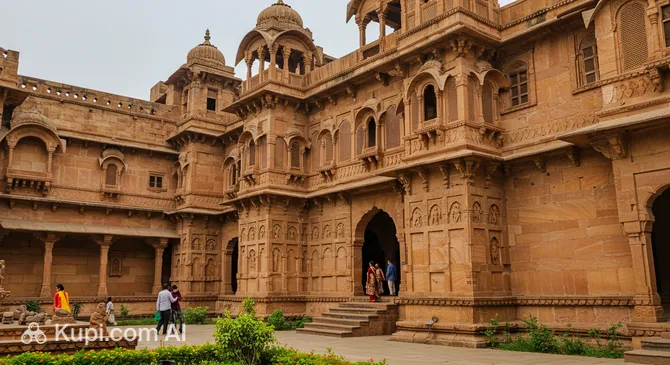
Gujari Mahal
Gujari Mahal. Иллюстрация. Источник: Kupi.com AI

Today, Gujari Mahal is not just a monument of the past, but an Archaeological Museum, recognized as one of the best in the region. Here, under one roof, an impressive collection of ancient artifacts is gathered: from exquisite sculptures and fragments of temple carvings to ancient weapons and everyday items. Its walls literally "speak" of the architects' skill and the rich history of the state of Madhya Pradesh.

The palace's history of creation gives it special significance: it was built by Raja Man Singh Tomar for his beloved queen, Gujari. A visit to this place allows you not only to see rare exhibits but also to touch the legendary heritage of Indian dynasties in an atmosphere of tranquility and aesthetic pleasure.

Contacts

For your convenience, below are the main contact details for visiting this historical monument:

How to contactContact
AddressLohamandi, Gwalior, Madhya Pradesh 474008, India

What to Do

The main reason to visit is to explore the unique collection of sculptures. In the museum's halls, you will see masterpieces of Hindu and Jain iconography dating back centuries. The crown jewel of the collection is the famous "Shalabhanjika" statue — a miniature figure of a woman, striking in its detail and grace, often called the "Indian Mona Lisa".

Besides viewing the statues, be sure to notice the architecture of Gujari Mahal itself. Stroll under its massive arches, examine the intricate carving on the stone balconies, and relax in the inner courtyards. The palace facade with its clean lines and decorative elements is an ideal backdrop for atmospheric photos.

For curious travelers, a visit to the museum will be a real open-air history lesson. Here you can see ancient Sanskrit inscriptions, coin collections, and temple fragments brought from across the state for preservation. The museum's quiet and measured environment allows you to fully immerse yourself in the atmosphere of medieval India and take a break from the city noise.

Getting There

Getting to this historical treasure is easy, as Gujari Mahal is located within the grounds of the famous Gwalior Fort. The distance from the city's central railway station is only about 3–4 kilometers. The most convenient way is to use a taxi or a traditional Indian auto-rickshaw, which will take you directly to the main gate of the fortress.

Entry to the fort territory is through a massive gate, followed by a short, pleasant walk. The museum is located in the lower part of the fortress complex, so the walking route will not be too tiring. Along the way, you can enjoy the monumental walls of the fortress and feel the scale of the ancient structure.

If you prefer public transport, you can take a bus to the nearest stop at the foot of the hill, but keep in mind that the rest of the way uphill will still have to be covered on foot or by passing transport. Licensed guides are often on duty at the entrance, ready to offer their services for a deeper dive into the region's history.

Ближайший город: Gwalior

History & Facts

The history of this place is inextricably linked with a romantic legend. Gujari Mahal was built at the end of the 15th century (roughly between 1486 and 1516) by the prominent ruler Raja Man Singh Tomar. The palace became a symbol of his deep affection for his ninth wife, Gujari Rani (also known as Mrignayani), who came from the Gujar shepherd caste.

Legend has it that the beautiful queen agreed to marry the Raja only if several conditions were met: she wanted her own palace and constant access to water from the Sank River, which flowed in her native village. To satisfy this request, a special aqueduct was built, providing the residence with fresh water, which was a true engineering achievement for that time.

The palace's architecture is a brilliant example of the Rajput style with its massive facades and elegant decorative elements. Over time, after the decline of the Tomar dynasty, the building changed its purpose. In the 1920s, it was officially converted into an archaeological museum to preserve and showcase the unique cultural heritage of the state of Madhya Pradesh to the world.

Time Needed

To explore the museum's extensive collection without rushing and appreciate the architectural delights of the palace itself, most travelers need about 1.5–2 hours. This is quite enough time to walk through the courtyards and carefully examine the most valuable exhibits in the halls.

If you are a passionate lover of archaeology or art history, it's worth setting aside a bit more time — up to 3 hours. The atmosphere of solitude within the museum walls encourages thoughtful contemplation of ancient sculptures and architectural details without any fuss.

Working Hours

The Gujari Mahal museum is ready to welcome guests daily throughout the week. According to the current schedule, the complex doors are open to visitors from 10:00 AM to 6:00 PM.

Keep in mind that this is a state institution, so operating hours may change on national holidays. To ensure your visit is as comfortable as possible, we recommend arriving 1.5–2 hours before closing to have time to see all the exhibitions without rushing.

10:00 – 18:00

Nearby

Visiting the museum is just one part of a larger journey through this historical area. The district around the fortress is literally steeped in antiquity, and exploring its surroundings will allow you to better understand the rich culture of the central part of the country.

Here you can find majestic mausoleums and ancient gates, as well as modern places for family relaxation. Below is a list of the most interesting sites located within a few kilometers of the palace:

NameDistance
Gwalior Fort0.3 km
Shri Koteshwar Mahadev Temple0.8 km
Tomb of Tansen0.9 km
Tomb of Muhammad Ghaus0.9 km
Sasbahu Temples1.2 km
Kunal Aquarium1.5 km
Urvai Gate, Gwalior Fort1.5 km

Reached the end of the page?

That means the route is fully explored