Support

Tomb of Muhammad Ghaus

About

In the heart of the bustling city of Gwalior stands the majestic Tomb of Mohammad Ghaus — a prominent 16th-century architectural monument. This mausoleum, dedicated to the famous Sufi saint and philosopher, is rightfully considered one of the most beautiful examples of early Mughal architecture in India.
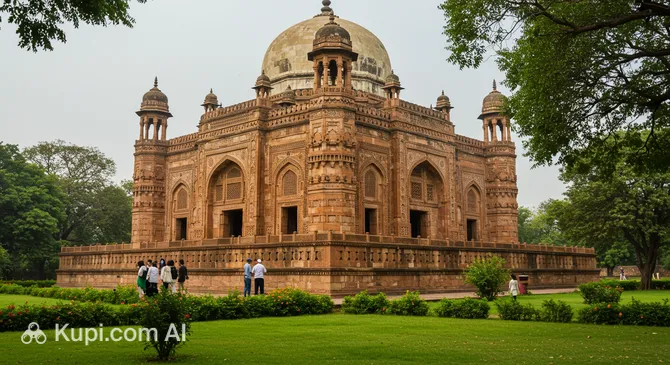
Tomb of Muhammad Ghaus
Tomb of Muhammad Ghaus. Иллюстрация. Источник: Kupi.com AI

The building is striking in its harmony: massive domes and high minarets are combined here with incredibly delicate, almost lace-like stone carving. The architecture of the mausoleum merges Islamic traditions with elements of Indian style, creating a unique visual appearance that attracts history and art lovers from all over the world.

Surrounded by well-kept gardens, the mausoleum offers guests an atmosphere of seclusion and spiritual peace. It is not just a historical site, but also a place of power where the deep influence of Mohammad Ghaus's spiritual legacy on the region's culture and traditions can still be felt.

Contacts

To clarify up-to-date information on visiting rules or to organize group tours, you can use the contact details provided below. The site is managed by the Archaeological Survey, which oversees the preservation of this unique monument.

How to contactContact
Address65JJ+83M, 27 B, Tansen Rd, Tansen Nagar, Gwalior, Madhya Pradesh 474002, India
Phone+91 755 255 8250
Websiteasibhopal.nic.in

What to Do

The first thing to look for upon visiting is the exquisite "jali" stone screens. Their intricate geometric and floral patterns create a stunning interplay of light and shadow inside the building, which photography enthusiasts will especially appreciate.

Be sure to take a stroll through the complex's picturesque grounds. The quiet garden paths allow for a break from the city noise and a chance to admire the majestic domes of the mausoleum from different perspectives. Many tourists come here specifically to feel the atmosphere of antiquity in the shade of spreading trees.

Additionally, this site offers a chance to learn about the basics of Sufism. You can observe pilgrims who come to pay their respects to the saint and experience a living connection to the past. Don't forget to also look into the neighboring buildings that complete the ensemble of this spiritual center.

Getting There

This architectural masterpiece can be found in the historic part of the city. Gwalior itself is a major transport hub, easily accessible by train or bus from large Indian centers such as Delhi, Agra, or Bhopal.

Once in the city, it is best to use a taxi or motor rickshaw to reach Tansen Road. Local drivers are well-acquainted with this location, as it is situated near the famous Tomb of Tansen.

For those who prefer public transport, there are stops within walking distance; however, a ride in a traditional tuk-tuk from Gwalior central station is the fastest and most atmospheric way to get there. Exact address for navigation: 65JJ+83M, 27 B, Tansen Rd, Tansen Nagar.

Ближайший город: Gwalior

History & Facts

The construction of this grand structure dates back to the 16th century, during the reign of the legendary Mughal Emperor Akbar. The building's architectural style clearly demonstrates a transitional phase where the strict monumentality of early Islamic architecture began to be complemented by exquisite decoration characteristic of Indian traditions.

Mohammad Ghaus, in whose honor the mausoleum was built, was not only a prominent Sufi mystic but also an influential philosopher of his time. He was immensely respected as a spiritual mentor whose advice was valued even by rulers. His teachings left a profound mark on the region's cultural code.

Over time, the tomb transformed into a significant spiritual center. For centuries, pilgrims and Sufi followers have flocked here, turning this site into a living monument of faith and history that has preserved its authenticity despite the change of eras.

Time Needed

To leisurely explore all the architectural details and enjoy the silence in the surrounding gardens, visitors typically need 1 to 2 hours. This is plenty of time to closely examine the stone carvings and take memorable photos.

If you plan to also visit the neighboring Tomb of Tansen and walk through the adjacent streets, it is worth setting aside a bit more time. The location encourages contemplative relaxation, so there is no need to rush when leaving this island of tranquility.

Working Hours

This historical monument can be visited throughout the day. The complex's doors are open to guests daily, from early morning until sunset, allowing you to choose the most comfortable time for a walk.

Operating schedule: Monday – Sunday from 6:00 AM to 6:00 PM. It is recommended to come in the morning hours or closer to the evening to avoid the heat and see the building in the soft light of the setting sun.

6:00 – 18:00

Nearby

A walk around the mausoleum's surroundings will allow you to delve deeper into the region's cultural context. The proximity of several iconic sites makes this area ideal for a full day of sightseeing.

Exploring nearby attractions will help you better understand how the lives of great musicians, saints, and rulers intertwined in the history of this ancient city.

NameDistance
Tomb of Tansen0.1 km
Gujari Mahal0.9 km
Gwalior Fort1 km
Sasbahu Temples1.3 km
Kunal Aquarium1.4 km
Shri Koteshwar Mahadev Temple1.6 km
Sai Baba Temple1.7 km

Reached the end of the page?

That means the route is fully explored