Support

Rajouri

About

Rajouri is an amazing city nestled in the foothills of the Himalayas in the northwest of the colorful country of India. Located at an altitude of about 1,500 meters above sea level, it serves as a meeting point for majestic mountain slopes and emerald valleys. The fresh air here is filled with the scents of pine needles and blooming gardens, and the city itself is bathed in greenery, surrounded by endless fruit plantations and dense forests.

With a population of about 50,000, Rajouri is an important administrative center while maintaining the charm of a small and welcoming town. The unique history of Rajouri is due to its strategic position at the intersection of ancient trade routes, which shaped a special cultural environment here. In this place, ancient traditions peacefully coexist with the modern rhythm of life, creating a unique atmosphere.

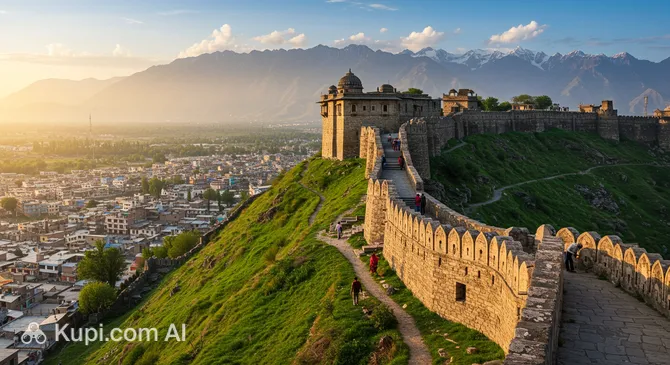
Rajouri. Illustration.
Source: Kupi.com AI

Tourists are attracted here by the opportunity to take a break from the hustle and bustle of megacities and enjoy the tranquility of nature. The city is famous for its colorful markets where you can buy local handicrafts, spices, and fresh fruits. Rajouri is an excellent choice for travelers looking to discover the authentic beauty and sincere hospitality of the Indian province.

Weather Overview

The climate of Rajouri is mild and diverse, making the city attractive to visit almost all year round. Unlike the sweltering plains, a pleasant foothill atmosphere prevails here. Summer begins in April and peaks in June, when the average temperature rises to 23.3°C, and maximum values reach a comfortable 28.7°C. This is a great time for walking, however, one should be prepared for changes in the weather.

Travelers should pay special attention to the rainy season. July and August are the wettest months: the number of days with precipitation reaches a record 27–29, so an umbrella will be an indispensable accessory. Winter takes over in December; the coldest month is January with an average temperature of about 6.0°C and nighttime cold snaps down to 1.2°C. Expect a warm summer with occasional rains and cold, dry winters.

The most favorable period for a comfortable trip is considered to be the spring months (March-May) and the velvet season in September-October, when the temperature stays in the range of 16–21°C. To properly plan your wardrobe for the trip, we recommend studying the detailed weather in Rajouri by month in advance.

Average monthly temperature

Average monthly precipitation

Interesting Facts

In addition to the main attractions, Rajouri holds many fascinating secrets and legends passed down from generation to generation. This ancient city can surprise even the most seasoned traveler with its unique traditions and historical mysteries.
  • Silk Road Heritage. The city's history is rooted in deep antiquity: it is believed to have been founded during the time of early kingdoms, and its name is associated with legendary rajas. According to legend, rich caravans carrying precious fabrics and spices passed through these lands along the famous trade route.

  • Architectural Symbiosis. Rajouri is distinguished by its unique appearance, in which Hindu and Muslim motifs are harmoniously intertwined. This special style of architecture symbolizes the centuries-old peaceful coexistence of representatives of different cultures, which is reflected not only in the buildings but also in local festivals.

  • Legend of the Lake of Wishes. A beautiful mystical story about a mysterious lake is connected with the city's surroundings. Locals believe that a kind guardian spirit lives in its waters. There is a belief: if a traveler throws a coin into the water and makes a secret wish, the spirit will certainly help fulfill it.

  • City of Masters. Rajouri is famous for its craftsmen who carefully preserve the secrets of ancient technologies. They produce magnificent carpets, original ceramics, and jewelry, the quality and artistic value of which are known far beyond the region.

  • Poetic Cradle. The cultural life of the city is rich in talent. It is believed that one of the famous poets was born here, whose work became an integral part of local folklore. His poems are still quoted with love at city festivals and holiday gatherings.

How to Get There

When planning a trip to this picturesque corner in the foothills of the Himalayas, it is important to think through the logistics in advance, as the city is located in a mountainous area. The main flow of tourists arrives here through the transport hubs of neighboring major cities, after which they continue their journey by car. You can find out more about how to get to Rajouri by studying all available routes and choosing the most suitable one for your trip.

There is no airport in Rajouri itself, but the region is served by several air harbors. One of the closest is Srinagar International Airport (SXR), located about 80 km from the city. This is a large hub that receives many flights. The journey from here to the destination by taxi or bus will take approximately 2.5–3 hours, and the road will delight you with picturesque views.

A very popular option among tourists is Satwari Airport (IXJ) in Jammu, located at a distance of about 90 km. This is an important regional transport center with a stable passenger flow. A car trip from this airport usually takes about 2.5 hours. Many travelers choose this route thanks to the developed transport links with Rajouri.

For those planning an international flight or a trip from remote regions, Sri Guru Ram Dass Jee International Airport (ATQ) in Amritsar is suitable. It is located further away — about 190 km, and the road will take about 5 hours, but the status of a major international hub makes it convenient for transit passengers.

Below is a summary of available airports:

AirportPassenger trafficDistance
Srinagar International Airport4.4 mln80 km
Satwari Airport1.6 mln90 km
Sialkot Airport800 00093 km
Islamabad International Airport6 mln140 km
Sri Guru Ram Dass Jee International Airport3.5 mln190 km

As for rail links, there is no train station directly in Rajouri. Tourists who prefer trains are advised to buy tickets to the station in the city of Jammu, which is the region's key railway hub. From there, you can comfortably reach Rajouri by regular bus or taxi, enjoying the views of the foothills.

Main Attractions

Rajouri is a true treasure trove for travelers, where centuries-old history and breathtaking nature intertwine. The city and its surroundings offer many unique places that allow you to immerse yourself in the atmosphere of the past and enjoy the beauty of the Himalayan foothills.

One of the main historical landmarks is Rajouri Fort, also known as Dhanidhar Fort. This impressive structure towers over the city and once served as a reliable defensive point. Today, tourists climb up here not only to study the ancient masonry and architecture but also for the stunning panoramic views of the entire valley that open from the fortress walls.

A special place in the cultural landscape is occupied by Chingus Sarai — a historical complex of the Mughal era. Located in a picturesque area, it served as a resting place for imperial caravans following the ancient path to Kashmir. This place is shrouded in legends: it is believed that it was here that the body of Emperor Jahangir temporarily rested. Visitors are attracted here by the elegant Mughal architecture and the feeling of touching great history.

For those seeking spiritual peace and architectural beauty, Shahdara Sharif is a must-visit. This is the famous tomb of the Sufi saint Baba Ghulam Shah Badshah, located amidst green hills. The complex impresses with its decoration and calm atmosphere. People of various backgrounds come here to enjoy the silence and harmony of this sacred place.

Nature lovers should head to Dehra-Ki-Gali. This picturesque mountain pass, shrouded in dense forests, offers saving coolness and freshness. It is an ideal location for picnics, leisurely walks, and photo shoots against the backdrop of majestic mountain landscapes, where you can take a break from the city bustle.

Local Cuisine

The gastronomic scene of Rajouri is a true feast for gourmets, where the aromas of oriental spices harmoniously intertwine with the freshness of mountain herbs. Local cuisine is famous for its generosity and the use of natural farm products. The main culinary symbol of the city is rightfully considered Rajavari pilaf. This hearty rice dish with tender pieces of meat is prepared with the addition of precious saffron and cardamom, creating a unique bouquet of flavors.

Meat lovers should definitely try Rogan Josh — aromatic braised lamb with spices that literally melts in your mouth. Those who prefer vegetarian dishes will enjoy thick vegetable curries prepared according to ancient family recipes, as well as original chickpea and lentil snacks. No meal here is complete without fresh flatbreads baked in traditional clay ovens and thick homemade yogurt.

Street food occupies a special place in Rajouri's food culture. Walking through the local markets, it is impossible to resist the golden fried samosas with potatoes and herbs or the sweet spirals of jalebi. In addition, thanks to the favorable climate of the foothills, the city abounds in fresh fruits: local apples, pears, and plums will make an excellent light snack during excursions.

As for drinks, the absolute favorite is hot and aromatic masala tea. This drink with milk and a rich set of spices not only warms in cool weather but also invigorates as well as coffee. Alcohol is rarely found in traditional establishments, as the food culture here is more focused on family values and tea ceremonies, but tourists can find drinks in bars at large hotels.

The best way to get acquainted with the culinary traditions of Rajouri is to visit the city during gastronomic festivals. On these days, the streets are filled with the smells of baking, and locals organize friendly feasts right under the open sky. But even on an ordinary day, small cozy cafes and street stalls will allow you to feel true Indian hospitality and learn the secrets of national cuisine.

Travel Tips

A trip to Rajouri promises to be an unforgettable immersion into the culture and nature of Jammu and Kashmir, but like any trip to a mountain region, it requires a bit of preparation. To ensure your holiday goes smoothly and leaves only pleasant memories, we have collected a list of the most important and practical recommendations for you.

  1. Clothing and Essentials. Given the changeable climate of the foothills, the best principle in clothing is layering. Even in summer, evenings can be cool, so a light jacket or sweater is a must. For a winter visit, warm woolen items will be needed. Since Rajouri is a city with hilly terrain, bring comfortable flat shoes for walking. For visiting religious shrines (e.g., Shahdara Sharif), prepare clothing that covers your shoulders and knees, and a headscarf for women.

  2. Transport. There is no metro or complex public transport system in the city. The main way for tourists to get around is by auto-rickshaws and taxis. It is important to agree on the fare in advance, as meters are rarely used. To see nearby attractions such as the fort or mountain passes, it is most convenient to rent a car with a local driver for the whole day.

  3. Finances. While some hotels may accept cards, Rajouri is a city where cash rules. Be sure to have a sufficient amount of rupees in small bills for paying at markets, in small shops, and for fares. There are ATMs in the city, but they may sometimes not work or run out of cash, so it is better to withdraw money in advance at major transport hubs (Jammu or Srinagar).

  4. Communication and Internet. This is a critically important point for tourists in this region. Please note that prepaid SIM cards purchased in other states do not work here due to security regulations. You will need to purchase a local SIM card upon arrival (passport and photo required) or use a postpaid plan. Wi-Fi is usually available in hotels, but the speed can be unstable.

  5. Health and Safety. Pharmacies are available in the city, but it's better to bring specific medications with you. Since the road to the city passes through mountain serpentines, we recommend having motion sickness remedies with you. Drink only bottled water and avoid ice in drinks at street cafes.

  6. Local Etiquette. Residents of Rajouri are known for their hospitality, but society here is quite conservative. It is better to greet locals with the traditional "Namaste" or "Salam." Always ask permission before photographing people, especially women and elderly residents. When entering any home or temple complex, be sure to remove your shoes.

  7. What to Avoid. Avoid overly revealing clothing (shorts, tank tops) outside your hotel so as not to attract unnecessary attention or offend the feelings of local residents. It is also not recommended to take pictures of bridges, patrols, or government facilities — this is a standard safety rule for border regions.

  8. Extra Tip. Rajouri is famous for its unique products made of chikri wood (a light wood similar to ivory). Be sure to check out the local bazaar to buy a carved comb or spoon as a souvenir — this will not only support local craftsmen but also serve as a great memory of the trip. And don't forget to bargain — it's part of the culture!

Following these simple rules will help you feel confident and safe, allowing you to fully focus on the beauty of the mountain landscapes and the rich history of Rajouri. We wish you amazing discoveries and a warm welcome in this wonderful corner of India!

Entertainment & Nightlife

Entertainment and nightlife in Rajouri differ significantly from what residents of megacities are used to. You won't find noisy nightclubs, discos with neon signs, or 24-hour bars here. The city lives in the rhythm of traditions and restraint characteristic of the Jammu and Kashmir region. Evening leisure here is primarily about leisurely walks, gastronomic discoveries, and immersion in the local flavor, rather than parties until dawn.

The center of evening activity is the Gujjar Mandi area. With the onset of twilight, this commercial square is transformed: the lights of the shops come on, and the air is filled with the aromas of spices and grilled delicacies. This is the best place to feel the lively pulse of the city. Locals and tourists gather here to discuss news over a cup of hot tea or have a snack after a working day. The atmosphere here is friendly but conservative, so the dress code should be modest and covered.

Those who love evening shopping and walks should look into the Main Bazaar. In the evening, the heat subsides, and the narrow streets of the market become an ideal place for a promenade. Here you can not only buy souvenirs but also taste the best examples of street food. Note that most establishments close quite early — around 8:00 PM–9:00 PM, so it is better to plan dinner in advance.

Regarding alcohol and bars, the culture of consuming alcoholic beverages in public places is practically absent in Rajouri. Bars in the usual sense are rare here, and alcohol is generally not served in ordinary cafes. If you want to spend the evening with a glass of wine, it is best to check the availability of such an option in your hotel restaurant or purchase drinks in specialized licensed stores to consume in your room.

Practical Tips and Safety:

  • Time: Life in the city quiets down early. It is recommended to finish walks by 9:00 PM or 10:00 PM.
  • Transport: It can be difficult to catch an auto-rickshaw at night. If you stay out late, it is better to arrange with a taxi driver in advance or book a transfer through the hotel.
  • Safety: Rajouri is a city with increased security measures. Avoid walking alone at night on remote unlit streets and always have your identification documents with you.

During the daytime, the city offers more classic types of leisure. Travelers can enjoy the beauty of nature in local parks, visit the historical Rajouri Fort, or go on an excursion to the picturesque lakes in the vicinity. The cultural program may include visiting ancient temples and shrines that are open for visits during daylight hours.

Parks & Museums

Rajouri, whose name historically translates as "Land of Kings," is a unique space where the cultural landscape is inextricably linked with natural splendor. You are unlikely to find classic museum complexes behind glass display cases or huge botanical gardens with paid entry typical of megacities here. Instead, the region itself acts as an open-air museum, where green zones smoothly flow into historical monuments, and the heritage of ancestors lives in the workshops of craftsmen.

Natural Parks and Green Zones

One of the main natural attractions in the vicinity is the area around Dehra-Ki-Gali. Although geographically a mountain pass, it actually functions as a huge natural park. Travelers stop here to walk among the dense coniferous forests, have a picnic on emerald lawns, and enjoy the cleanest mountain air. It is an ideal space for those who want to take a break from the hustle and bustle surrounded by untouched nature.

Another picturesque area for walking is the riverbanks flowing through the city. Locals often use the embankments for evening promenades. Although there are no formally enclosed "city parks" with attractions here, the natural beauty of the valley surrounded by hills creates a feeling of being in a huge garden. In spring, the slopes are covered with wildflowers, turning the surroundings into a living colorful palette.

Museums and Cultural Heritage

In Rajouri, the role of the main museum is played by the majestic Rajouri Fort (Dhanidhar). This fortification replaces a visit to a traditional historical gallery. The fortress walls keep the memory of the times of the Pal dynasty and the Mughal era, and the preserved architectural elements allow you to visually imagine the life and military art of past centuries. A panoramic view opens from the fort towers, allowing you to appreciate the strategic importance of this location.

To get acquainted with the living culture of the region, visit local craft centers and workshops. The city is famous for its unique chikri wood carving — light wood with a soft honey tint. The workshops where these products are created are essentially art galleries. Here you can not only see finished masterpieces — from elegant combs to complex caskets — but also watch the painstaking work of craftsmen passing their skills from generation to generation.

Insider Tip

If you are interested in spiritual culture and architecture, pay attention to the small ancient shrines scattered throughout the city and its surroundings. They are often decorated with skillful carvings and paintings that can tell more about local beliefs and traditions than any guide. Ask locals to point the way to the oldest family woodcarving workshops — there you can not only see the process of creating art but also purchase a unique souvenir firsthand.

Getting Around

The transport system of Rajouri differs significantly from the usual urban infrastructure of megacities. Given that it is a small city in the foothills with a population of about 50,000, you will not find a metro, trams, or trolleybuses here. The main burden of transporting passengers falls on maneuverable mini-buses and three-wheeled vehicles, which are ideal for the narrow and winding streets of the hilly terrain.

The most common form of public transport is mini-buses, which locals often call "matadors." They run on fixed routes, connecting the city center, the Gujjar Mandi area, and the outskirts. Stops are often not marked with special signs, so boarding and disembarking are carried out on demand: just wave your hand at the driver. This is the most budget-friendly way to get around, allowing you to immerse yourself in the local atmosphere, but be prepared for the fact that during peak hours it can be quite cramped in the cabin.

For tourists, auto-rickshaws remain the most comfortable and accessible option. These nimble motorized rickshaws can be found at informal stands near markets, bus stations, and major intersections. They are great for short-distance trips within the city. It is important to remember that meters are rarely used here or are not turned on at all. The price of the trip must be discussed and agreed with the driver strictly before boarding to avoid misunderstandings at the end of the journey.

The fare payment system in Rajouri is as simple and traditional as possible: cash rules here. No electronic transport cards, contactless validators, or mobile apps for fare payment are provided. Payment is made directly to the driver or conductor (in buses). It is highly recommended to always have small bills with you, as drivers, especially in the early morning, often do not have change from large banknotes.

If you plan to visit remote attractions such as Dhanidhar Fort or the picturesque surroundings, the best alternative would be a taxi or renting a car with a local driver. Familiar car-sharing services or international taxi aggregators practically do not work in this small city. Arranging a car rental for the day is easiest through your hotel reception. This will ensure comfort and safety on mountain serpentines, where driving experience in local conditions is required.

Travelers should take into account the specific transport schedule. Active traffic starts early in the morning, around 7:00 AM, but dies down quite early. After 8:00 PM, it is almost impossible to find a shuttle bus, and the number of available auto-rickshaws on the streets decreases sharply. If you plan a late dinner, arrange with a taxi driver in advance to pick you up, as "catching" a car by hand at night will be problematic.

Accommodation

Accommodation options in Rajouri are mainly focused on functionality and practicality, reflecting the atmosphere of a small town in the foothills. You won't find large international hotel chains or luxury five-star resorts here. The basis of the room stock consists of small private hotels, cozy guest houses, and government tourist bungalows (Dak Bungalows), which offer travelers basic comfort and warm local hospitality.

When choosing an area to stay, most tourists prefer the central part of the city, especially the surroundings of the main bus station and the Gujjar Mandi area. These are the most convenient locations from a logistics point of view: it is easy to reach the main attractions from here, and there are many cafes and shops nearby. Those seeking peace and wanting to take a break from the city bustle should consider options on the outskirts, closer to the river or green hills, where the atmosphere is calmer.

The price range in Rajouri can be described as budget and mid-range. The cost of living here is generally lower than in more popular tourist centers of the region. Travelers can expect clean and tidy rooms at very affordable prices, making the trip accessible to a wide range of guests.

Booking Tips:

  • Booking Method: Popular international online services may offer a limited selection of properties in this city. Often, the most effective way to find accommodation is to call the hotel directly or search on the spot, although in the high season it is better to arrange in advance.
  • Service Features: Before checking in, it is recommended to clarify the availability of an uninterrupted power supply (generator) and hot water, which is especially important in a mountainous area.
  • Payment: Many small hotels prefer cash, so it is worth taking care of small bills in advance.

Nearby Cities

For those who want to explore the surroundings, Rajouri serves as an excellent starting point for day trips to several interesting nearby places. The Jammu and Kashmir region is rich in natural beauty and historical monuments that can be reached in a few hours.

One of the most popular destinations is Jammu, located about 88 km to the south. This city, known as the "City of Temples," serves as the region's winter capital. Tourists are attracted here by the famous Raghunath Temple and the majestic Mubarak Mandi palace complex, where you can get acquainted with the royal heritage of the Dogras. Jammu is also a great place for shopping and tasting local sweets.

Another gem of the region is Srinagar, located about 91 km away. This is the summer capital, famous worldwide for its picturesque lakes, especially Dal Lake, on which traditional shikara boats glide. The city is famous for its magnificent gardens of the Mughal era, such as Shalimar and Nishat, as well as unique products made of cashmere and wood.

Lovers of a relaxing holiday and ancient history should pay attention to Udhampur. The city is surrounded by eucalyptus forests and is known for the Krimchi group of ancient temples, which are considered among the oldest in the region. This place gives peace and allows you to touch the architectural traditions of the past away from noisy tourist flows.

CityPopulationDistance
Kotli21 46241 km
Punch26 85443 km
Loran11 46148 km
New Mirpur124 35258 km
Katra10 66971 km

These nearby destinations provide a glimpse into the region's diverse culture and landscapes, making your trip even more rewarding and memorable.

Shopping & Souvenirs

General Overview

Shopping in Rajouri is not a pursuit of world brands in air-conditioned halls, but an immersion in the authentic atmosphere of the Indian province. The city's shopping scene is saturated with local flavor: small family shops, open stalls, and noisy bazaars prevail here. The city is famous for its craft traditions, so instead of mass-market, tourists will find unique handmade products here that cannot be bought in other regions of the country.

Main Shopping Districts and Streets

The heart of the city's commercial life is the Gujjar Mandi area. This is a busy place where life is in full swing from early morning until late evening. Clothing, footwear, and household goods stores are concentrated here. A walk through this area allows you to not only make purchases but also observe the daily life of local residents.

Another important commercial artery is the Main Bazaar. Its narrow streets are filled with shops offering everything from bright fabrics and traditional jewelry to spices and kitchen utensils. This is an ideal place for a leisurely promenade where you can find interesting items at very affordable prices.

Shopping Centers

There are no large modern shopping and entertainment centers (malls) of the Western type in Rajouri. Trade here is conducted in a more traditional format. There are small shopping complexes that combine several electronics or clothing stores under one roof, but they are not points of attraction for tourists. Street markets and individual specialized stores are of primary interest.

Markets

Markets play a key role in the life of the city. Food rows where farmers from surrounding villages sell fresh vegetables and fruits deserve special attention. Here you should look for seasonal gifts of nature: apples, pears, and nuts, for which the Jammu and Kashmir region is famous. The atmosphere in such markets is very friendly, and sellers often happily let you taste their goods before buying.

Souvenirs

The main souvenir brand of Rajouri is chikri wood products. This is a light, soft wood with a beautiful texture resembling ivory. Local craftsmen carve incredibly elegant double-sided combs, spoons, caskets, and decorative figurines from it. Such a gift will be truly unique, as this craft is specific specifically to this area.

In addition, it is worth paying attention to traditional Kashmiri goods: warm wool shawls, embroidered fabrics, and aromatic spices (especially saffron and cardamom). For lovers of gastronomic souvenirs, we recommend purchasing local sweets or dried fruits, which are convenient to transport.

Opening Hours and Payment

Most shops in Rajouri open around 10:00 AM and work until 8:00 PM–9:00 PM. Some shops may close for a break in the middle of the day, and on Sundays many shops operate on a reduced schedule or are closed altogether. The main means of payment is cash rupees. Bank cards are accepted only in some large stores or hotels, so tourists are strongly advised to always have a sufficient supply of small bills with them.

Tax Free

The tax refund system (Tax Free) does not operate in Rajouri. This is a small city oriented towards the domestic market, so all purchases are made at the final price indicated by the seller or agreed upon during the bargaining process.
Reached the end of the page?

That means the route is fully explored