Banjarbaru is a young and dynamically developing administrative center that has officially served as the capital of the South Kalimantan province in Indonesia since 2022. Designed in the 1950s as a modern alternative to the overcrowded Banjarmasin, the city today is a harmonious blend of government quarters, quiet residential areas, and former mining settlements. Located just 35 kilometers from the former capital, it attracts visitors with its calm provincial atmosphere and the absence of the hustle and bustle typical of large metropolises.
The city's geographic position in the lowlands of South Kalimantan defines its tropical character. With a population of about 285,000, Banjarbaru is considered an important transport and administrative hub for the region. Its history and heritage are inextricably linked with diamond mining and large-scale urban planning, which involved Dutch specialists aiming to create a functional and comfortable living space.
Banjarbaru. Illustration.
Source: Kupi.com AI
For tourists, the city is primarily interesting as a starting point for exploring the culture of the Kalimantan peoples and unique natural sites, such as lakes formed on the site of old diamond mines. Here, you can feel the true rhythm of life of the local intelligentsia and middle class. We invite you to visit Banjarbaru to see how the history of a new capital is being created in the heart of an exotic island.
Weather Overview
The climate in Banjarbaru is classified as tropical, which implies consistently high temperatures and significant humidity throughout the year. Average daytime temperatures usually fluctuate between 27°C and 32°C. There is no conventional change of seasons; instead, there is a dry season and a monsoon rain period.
The rainiest months are December and January, when rainfall can exceed 340 mm, and it rains almost daily. During this period, humidity is at its peak, which can create a feeling of stuffiness. In contrast, August and September are the driest periods, with noticeably more sunny days and less frequent rain.
When planning a visit, it is worth considering that the weather in Banjarbaru largely depends on the proximity to lowlands and former mining zones. Due to the terrain, the air in residential quarters can become stagnant, so it is better to choose morning or pre-sunset hours for walks. Always have an umbrella or a light raincoat with you, as tropical downpours can start suddenly.
Average monthly temperature
Average monthly precipitation
Interesting Facts
Banjarbaru is officially considered the youngest city in South Kalimantan province; it received this status only in 1999, after separating from a neighboring regency.
The city was designed in 1952 as a "future capital" on the initiative of Governor Dr. Murjani and the Dutch architect Van der Piel, making it one of the few planned cities in the region.
Until the mid-20th century, the site of modern urban blocks was occupied by hills that served as a recreation area for miners who extracted diamonds nearby.
In the Cempaka district, there are unique lakes such as Danau Seran and Danau Tamiyang; their unusual landscape and bright blue water are the result of flooding former diamond quarries.
The region's main air gateway, Syamsudin Noor International Airport, is actually located much closer to the center of Banjarbaru (just a 15-minute drive) than to Banjarmasin, to which it nominally belongs.
How to Get There
Banjarbaru boasts excellent transport accessibility, serving as a key logistics hub for South Kalimantan. The main way to reach the city remains by air, thanks to the proximity of an important transport hub. More detailed information about routes can be found on the page describing how to get to Banjarbaru.
The main airport serving the city is Syamsudin Noor International Airport (BDJ). It is located just 15 minutes from the central part of the city, making arrival as comfortable as possible. The airport accepts regular flights from Jakarta, Surabaya, and other major Indonesian cities. For transfers to your hotel, it is best to use a licensed taxi or popular app-based ride-hailing services.
There is currently no rail service in this part of Kalimantan island. However, the city is connected by a network of high-quality roads to other regions. From neighboring Banjarmasin, intercity buses and minibuses run regularly; travel time is usually about 45–60 minutes, though during peak hours, heavy traffic can extend the trip to an hour and a half.
Main Attractions
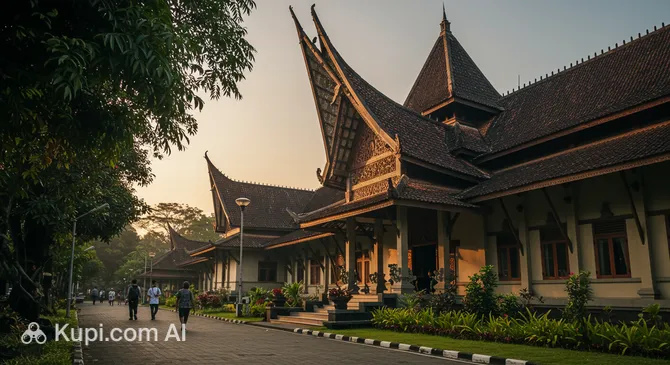
Despite its administrative status, Banjarbaru offers travelers several interesting locations to get acquainted with regional culture. One of the main points of interest is the Lambung Mangkurat Museum, which houses an impressive collection of artifacts telling the history of the peoples of Kalimantan, their traditions, and the ancient kingdoms that existed on these lands.
Lambung Mangkurat Museum. Illustration.
Source: Kupi.com AI
Traveler photos:
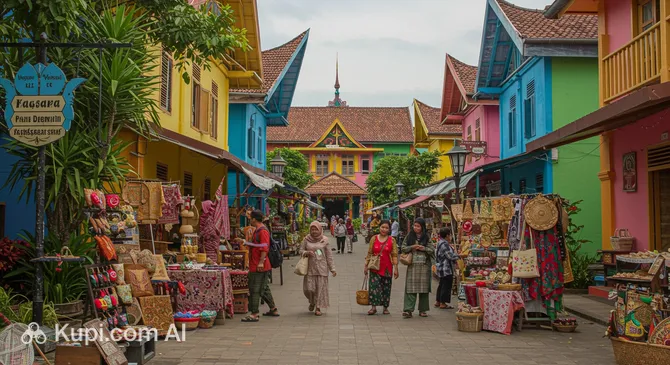
Fans of bright colors and modern urban spaces should check out Kampung Pelangi Banjarbaru. This "Rainbow Village" features houses and streets painted in every color of the rainbow, creating an incredible atmosphere and excellent backdrops for photos. The project transformed an ordinary residential block into a popular tourist site, symbolizing the creativity of local residents.
Kampung Pelangi Banjarbaru. Illustration.
Source: Kupi.com AI
Traveler photos:
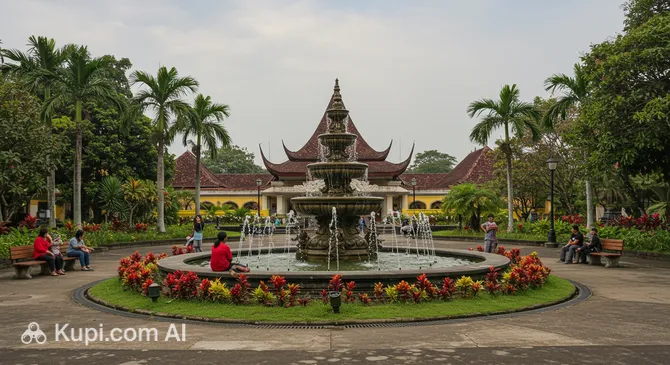
For evening walks, the Minggu Raya Fountain Park is ideal. This cozy spot in the city center is a place to relax by the water, watch the light show, and meet locals spending their leisure time here. Tourists are also often recommended to visit the nearby lakes, such as Danau Seran, which emerged on the site of former diamond mines and now please the eye with their unusual blue color.
Minggu Raya Fountain Park. Illustration.
Source: Kupi.com AI
Traveler photos:
Local Cuisine
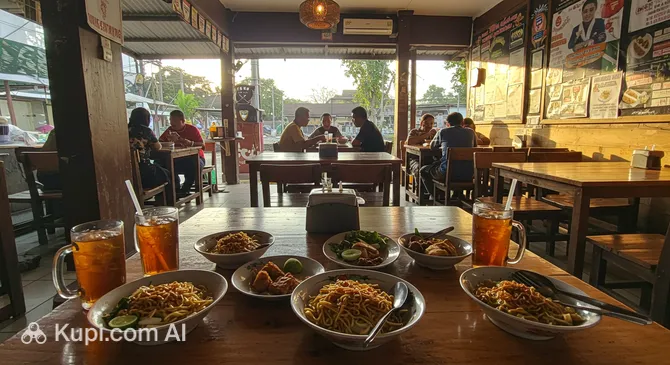
The gastronomic culture of Banjarbaru is a vivid reflection of the traditions of the Banjar people, where rice, freshwater fish, and aromatic spices play a key role. One of the main dishes you must try is Mie Bancir — unique Banjar noodles with a special sauce. You can taste it at the local Mie Goyang or small specialized warungs in the Loktabat Utara district.
Mie Goyang. Illustration.
Source: Kupi.com AI
Traveler photos:
Another local favorite is Ayam Panggang Swarga — grilled chicken prepared according to a special recipe using local herbs. For those who prefer a more conventional restaurant format with traditional Indonesian flavor, Kampung Kecil Restaurant in Banjarbaru is an excellent choice. It serves classic dishes in an authentic atmosphere, perfect for a family dinner.
The food culture in the city is concentrated around street markets and small family-run cafes. In the evening, the streets come alive with the aromas of barbecue and fresh pastries. Be sure to try local non-alcoholic drinks based on coconut or ginger, which are perfectly refreshing in the tropical climate. Despite the lack of premium establishments, the sincere hospitality and rich flavors make shopping tours and city walks truly delicious.
Travel Tips
A trip to Banjarbaru promises to be calm and interesting if you prepare in advance for the specifics of local life and climate. We have gathered some tips to help you feel confident in this new Indonesian capital.
Clothing and Essentials: Given the tropical heat and high humidity, choose light cotton clothing. Since the city is predominantly Muslim, try to cover your shoulders and knees when visiting government offices or temples. Be sure to bring insect repellent and comfortable shoes.
Transport: The best way to get around is via the Grab or Gojek apps. This eliminates the need to haggle and guarantees a vehicle with air conditioning. Allow about 15–20 minutes for a trip to the airport.
Finance: The official currency is the Indonesian Rupiah (IDR). Cards are accepted in large shopping malls like Q Mall, but always carry cash for markets and warungs. ATMs are easy to find in the city center.
Health and Safety: Drink only bottled water and avoid ice at street stalls. The city is generally safe, but after dark, it is better to stick to central, well-lit streets and avoid walking alone on the outskirts.
Communication: The local language is Indonesian. English is moderately common, mainly among young people and hotel staff. A few phrases in the local language ("Terima kasih" — thank you, "Halo" — hello) will help you win over the locals.
Local Etiquette: Greet people with a slight nod or a smile. Try not to use your left hand to pass money or food, as it is considered "unclean."
What to Avoid: Avoid discussing political topics in public or showing excessive emotion in arguments. Also, remember that consuming alcohol in public places is not encouraged here.
Pro Tip: Be sure to visit the Cempaka district during the day to see the lakes at the site of former mines — it is the most photogenic spot in the surrounding area.
Following these simple rules will make your stay in Banjarbaru comfortable, and your interaction with locals pleasant and informative. We wish you an unforgettable journey through Kalimantan!
Entertainment & Nightlife
The entertainment scene in Banjarbaru is primarily calm and family-oriented, as the city focuses on administrative activities. The nightlife here does not feature an abundance of noisy clubs; instead, locals and visitors prefer to spend their evenings in cozy traditional cafes known as warungs. For example, the popular Warung Mie khas Banjar is open until late, offering an authentic atmosphere and a place to socialize.
For fans of active recreation and sports, the city is home to Borneo Futsal, where local matches and training sessions frequently take place. If you are looking for larger-scale entertainment or a classic nightlife scene with bars, many prefer to take a short trip to neighboring Banjarmasin, which is less than an hour away.
Daytime leisure in the city is centered around public spaces and parks. The Kolam Renang Idaman swimming pool is a popular spot to escape the tropical heat. Safety in the city is at a high level; however, for moving around after dark, it is recommended to use official taxi or ride-sharing apps to ensure comfort and peace of mind when returning to your hotel.
Parks & Museums
The natural areas and cultural sites of Banjarbaru allow visitors to better understand the city's unique landscape. The main cultural hub is the Lambung Mangkurat Museum, housed in a building designed in the traditional style of Banjar architecture. The museum's exhibitions cover a vast period — from prehistoric times to the modern history of the province, showcasing the rich heritage of the local population.
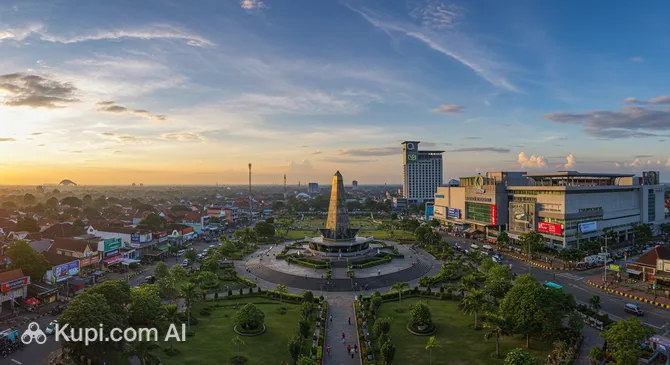
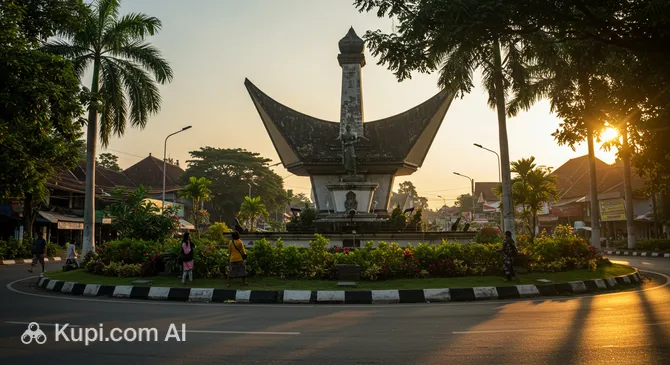
Among the significant urban landmarks is the Simpang Empat Circle in Banjarbaru. This is not just a traffic interchange, but an important public space and historical site that serves as a landmark for both residents and visitors. Festive events and folk festivals are often held in its vicinity.
Simpang Empat Roundabout Banjarbaru. Illustration.
Source: Kupi.com AI
Traveler photos:
For those seeking outdoor relaxation, Amanah Borneo Park in the Cempaka district is a real discovery. It is a modern recreation zone with elements of agritourism. Equally noteworthy are the lakes, such as Danau Seran, which appeared on the site of diamond mining. Although they are not parks in the classic sense, their clear water and tranquility attract lovers of quiet walks and picnics away from urban developments.
Getting Around
The transport system in Banjarbaru is typical for a developing Indonesian city. The backbone of public transport consists of angkots — small minibuses that run on set routes. They connect main residential areas, such as North and South Banjarbaru, with the administrative center. The fare is minimal, but tourists should be prepared for the lack of air conditioning and heavy crowding during peak hours.
For more comfortable trips, most travelers choose taxis or online motorbike and car-hailing services (Gojek or Grab). This is the fastest and most convenient way to get around, especially considering that travel between the city's main districts takes 20 to 40 minutes. The apps allow you to see the fare in advance and avoid language barriers.
There is no rail service in the city, and cycling is not very popular due to the hot tropical climate and terrain features. Keep in mind that traffic jams are possible during morning and evening hours, especially on the exit toward neighboring Banjarmasin. If you plan long trips around the region, renting a car with a driver is the most practical option.
Accommodation
The accommodation market in Banjarbaru is primarily oriented toward business travelers, government officials, and those looking for long-term rentals. There is a wide selection of guesthouses and apartments that are popular with expats and locals who appreciate the city's tranquility.
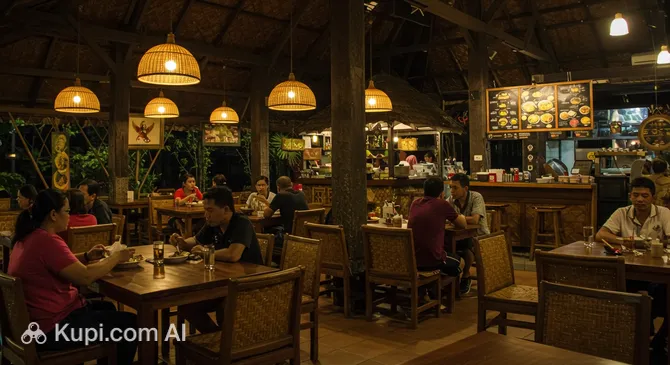
For tourists who prefer classic service, mid-range hotels are available, mostly located in the central part of the city and the area adjacent to the airport. For example, comfortable conditions are offered by the Banjarbaru Restaurant (part of the favehotel complex), which is one of the most famous places for staying and dining in the city.
Banjarbaru Restaurant. Illustration.
Source: Kupi.com AI
Traveler photos:
When planning your trip, keep in mind that Banjarbaru does not have a large number of luxury five-star resorts, as the city maintains its status as an administrative center. We recommend booking accommodation in advance through international services, especially if your visit coincides with major national holidays or regional conferences.
Nearby Cities
The city of Banjarbaru serves as an excellent starting point for exploring the surroundings of South Kalimantan, offering tourists the chance to see both bustling shopping centers and traditional craft villages in a short amount of time.
Just a few kilometers away is the city of Martapura, which is rightfully called the "city of diamonds." It is famous for its gemstone markets and processing workshops. A trip there will be a real adventure for lovers of jewelry and ethnic goods. You should also visit Banjarmasin — the region's largest city, known for its floating markets on the rivers and developed entertainment infrastructure.
For a longer trip, Kuala Kapuas or the settlement of Tatakan are suitable options to dive deeper into the island's rural life. Most of these destinations are easily reachable by taxi or rental car within a single day.
Exploring nearby cities will allow you to form a complete picture of life in Kalimantan, combining the modern rhythm of the new capital with the centuries-old traditions of the region's trade and mining centers.
Shopping & Souvenirs
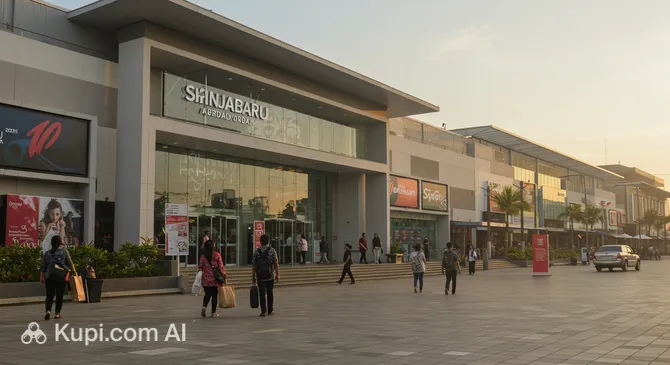
Shopping in Banjarbaru is an interesting mix of modern shopping centers and traditional markets where you can find unique regional goods. If you are looking for a comfortable experience with air conditioning and familiar brands, the best place is Q Mall. This is the city's largest shopping mall, where, in addition to clothing and electronics stores, there are food courts and cinemas.
Q Mall. Illustration.
Source: Kupi.com AI
Traveler photos:
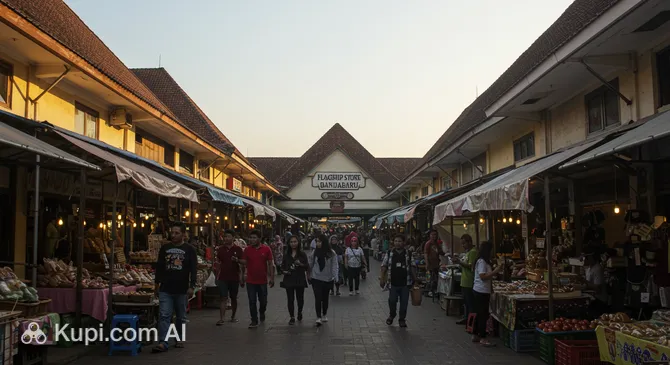
For those interested in local brands and high-quality accessories, the Banjarbaru Flagship Store (Jims Honey) is worth a visit, known for its collections of bags and wallets. Such places allow you to purchase stylish items at very affordable prices typical of the Indonesian market.
Flagship Store Banjarbaru. Illustration.
Source: Kupi.com AI
Traveler photos:
The main souvenirs from this area are traditionally items made from stones and minerals brought from neighboring Martapura or mined in the Cempaka district. In local markets, you can find everything from simple trinkets to real jewelry. Stores generally operate from 10 AM to 9 or 10 PM, and in small shops and markets, cash payment in Rupiah is preferred, although cards are widely accepted in shopping malls.