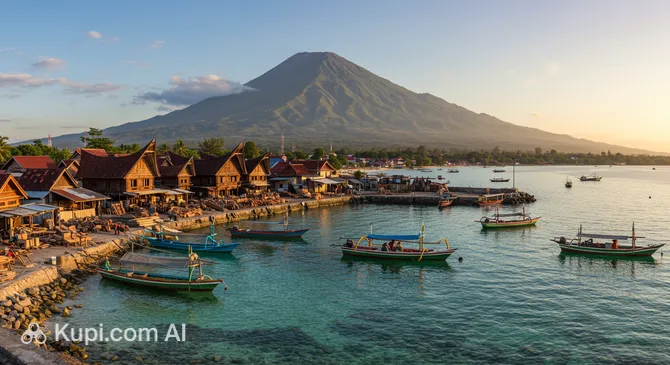
Jepara is a colorful coastal city located on the northern coast of Central Java in Indonesia. Bordered by the Java Sea, it attracts travelers with its relaxed atmosphere and its status as the recognized capital of Indonesian furniture art. With a population of over 1.2 million in the entire district, the city itself retains the charm of a cozy settlement where traditions are closely intertwined with the sea breeze.
Jepara. Illustration.
Source: Kupi.com AI
The history of this place is inextricably linked to the powerful maritime kingdom of Kalinyamat, which flourished here in the 16th century. To better understand the region's journey from an important port to a cultural center, it is worth exploring the historical heritage of Jepara. The city is also famous as the birthplace of Raden Ajeng Kartini, a national heroine whose ideas on women's rights left a profound mark on the culture of the entire country.
For tourists, modern Jepara reveals itself as a treasure trove of authentic experiences. Here, you can endlessly watch the work of teak wood carving masters, whose products are valued worldwide, or head to the white-sand beaches that serve as the gateway to the protected Karimunjawa archipelago. Jepara is a place where art comes to life in wood, and nature invites you to leisurely contemplate the maritime horizons.
Weather Overview
Jepara features a typical tropical monsoon climate, where warm temperatures persist throughout the year. Average figures range from +26°C to +32°C. The main difference between the seasons is not the warmth, but the intensity of precipitation: the city lives in the rhythm of wet and dry periods.
The dry season lasts from April to October and is considered the ideal time for beach vacations and boat trips to the islands. The sunniest and driest months are July and August, when the probability of rain is minimal. During this time, the city's climate is most favorable for excursions to open-air wood carving workshops.
The wet season arrives in November and continues until March, reaching its peak in January when about 469 mm of precipitation falls. Rains during this period are usually heavy but often short-lived. Nevertheless, due to high humidity and strong winds, sea communication with the islands in January and February can be unstable, so boat trips should be planned with the forecast in mind.
Average monthly temperature
Average monthly precipitation
Interesting Facts
World Carving Capital: Jepara is officially recognized as the center of artistic teak wood carving; this craftsmanship has been passed down here from generation to generation for centuries.
Queen's Legacy: In the 16th century, the city was ruled by the legendary Queen Ratu Kalinyamat, who possessed a fleet so powerful that the Portuguese called her the "Lady of Iron Will."
Home of the Giant Turtle: It features one of the most unusual buildings in the world—Turtle Ocean Park, built in the shape of a colossal sea turtle.
Birthplace of Enlightenment: Raden Ajeng Kartini, a national heroine whose birthday is celebrated throughout Indonesia as a holiday for women's emancipation, was born in Jepara.
Gateway to Paradise Islands: Jepara is the key port connecting mainland Java with Karimunjawa National Park, which consists of 27 pristine tropical islands.
How to Get There
Jepara's accessibility makes it a convenient point on the map of Central Java. Although the city does not have its own airport for large liners, travelers can easily reach it from neighboring transport hubs. A trip by car or bus allows you to enjoy scenic views of the Javanese coast, while the city's seaport opens the way to remote islands.
The nearest major air hub is Semarang International Airport (SRG), located approximately 80 kilometers away. The journey from there to Jepara takes about 2–3 hours. Tourists also often use Yogyakarta Airport (YIA), from where you can book a transfer or use regular minivans from DayTrans or Bejeu. To better plan your route, we recommend studying detailed information on how to get to the city.
There is no direct rail connection to the city, but you can take a train to the station in Semarang and then transfer to a bus or taxi. Within the city, the main hub is the bus terminal and the Kartini seaport, from where high-speed boats regularly depart for the Karimunjawa archipelago.
Station
Passenger traffic
Distance
Semarang Tawang railway station
7
51 km
Semarang Poncol railway station
6
52 km
Ambarawa Railway Museum
10
82 km
Solo Balapan railway station
8
109 km
Lempuyangan Station
7
138 km
Main Attractions
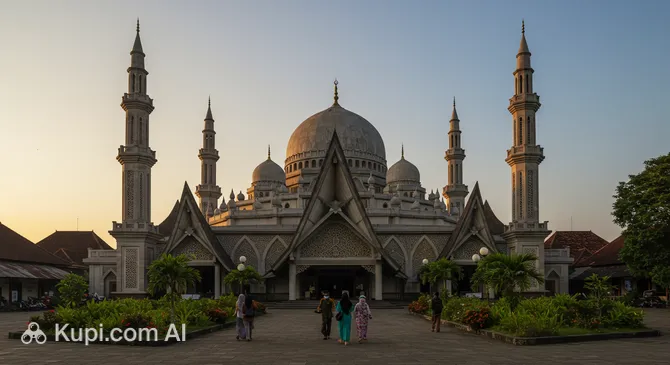
One of the city's most majestic architectural gems is the Baitul Makmur Grand Mosque. This spiritual heart of the region impresses with its scale and harmonious blend of modern design with traditional Islamic motifs.
Baitul Makmur Grand Mosque. Illustration.
Source: Kupi.com AI
Traveller photos:
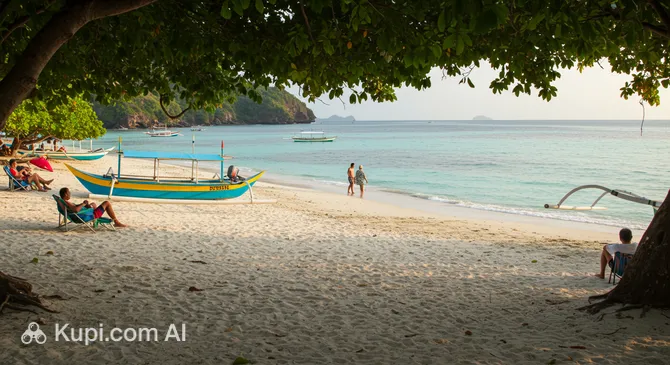
For those seeking a peaceful holiday by the water, Kampung Prau Beach is ideal. This is a popular spot among locals and tourists alike, where you can enjoy the seascape, stroll along the soft sand, and watch traditional "prau" boats bobbing on the waves.
Kampung Prau Beach. Illustration.
Source: Kupi.com AI
Traveller photos:
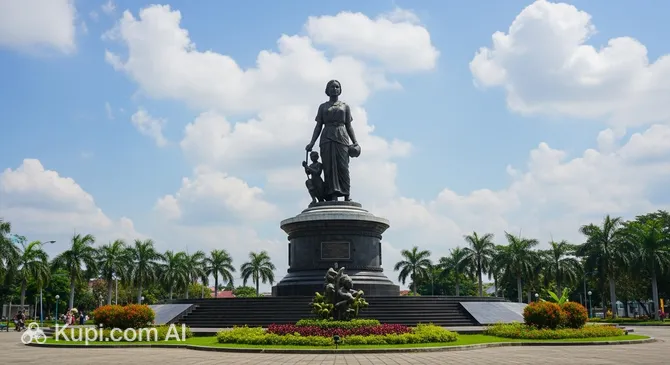
An important cultural landmark in the city center is the Kartini Monument, erected in honor of the great educator Raden Ajeng Kartini. The monument serves as a reminder of Jepara's significant role in the struggle for women's rights and education in Indonesia. Travelers should also visit the unique Turtle Ocean Park—a huge complex shaped like a giant turtle, located on Kartini Beach, where you can learn about the region's marine inhabitants.
Kartini Monument. Illustration.
Source: Kupi.com AI
Traveller photos:
Local Cuisine
The gastronomy of Jepara is a vibrant mix of the freshest seafood and traditional Javanese spices. The main local delicacy is Pindang Serani—a spicy fish soup with a light sourness that is perfectly refreshing in the tropical heat. The cuisine here is simple but incredibly aromatic, with an emphasis on the use of coconut milk and chili.
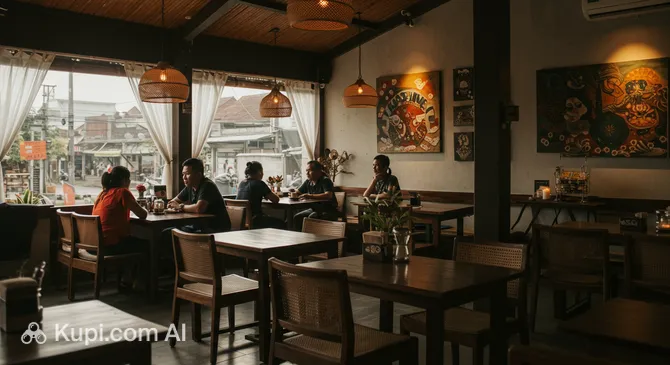
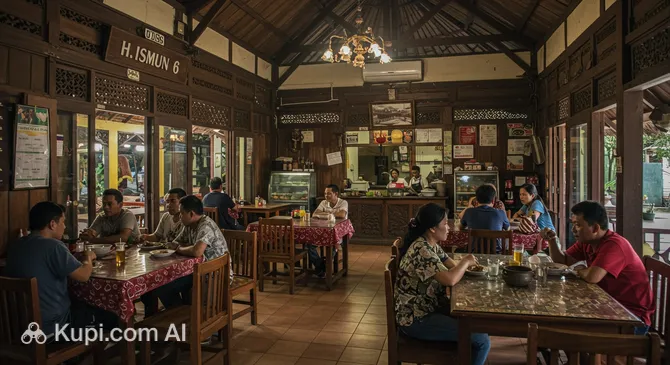
For those who want to try classics executed perfectly, it's worth visiting H. Ismun 6 (Potroyudan) Restaurant. This establishment is famous for its hospitality and traditional dishes such as Ayam Goreng Kremes—crispy fried chicken with a golden sprinkle. If you are looking for a place with a modern approach and great coffee, be sure to visit Kadjine Coffee & Resto, where you can enjoy desserts in a stylish setting.
Kadjine Coffee & Resto. Illustration.
Source: Kupi.com AI
Traveller photos:
Food culture in the city is centered around small "warung" stalls and markets near the coast. In the evening, numerous grill bars open on the beaches, where you can choose the morning catch and have it cooked over charcoal with sambal sauce. Be sure to try fresh coconut juice or local ginger tea, which perfectly complements the spicy dishes.
H. Ismun 6 Restaurant (Potroyudan). Illustration.
Source: Kupi.com AI
Traveller photos:
Travel Tips
A trip to Jepara promises to be rich and authentic, and these practical tips will help you make your journey as comfortable as possible.
Clothing and Dress Code: Choose light cotton clothing, as it is humid and hot here all year round. When visiting mosques, such as Baitul Makmur, or remote villages, be sure to cover your shoulders and knees as a sign of respect for local traditions.
Transport: For freedom of movement, it is best to rent a bike, but remember the need for an international license. If you are not ready to drive yourself, download the Gojek or Grab app to call a motorcycle taxi.
Finance: The main currency is the Indonesian Rupiah (IDR). Always carry a supply of cash, as cards are only accepted in large hotels and supermarkets. ATMs are available in the city center, but their number is limited.
Health: Always bring sunscreen and repellents. Drink only bottled water and avoid ice in street stalls unless you are sure of its origin.
Communication: The main language is Indonesian. Hotel staff and guides understand English, but knowing basic phrases ("Terima kasih" — thank you, "Halo" — hello) will greatly help in communicating with woodworkers.
Local Etiquette: Pass money and food only with your right hand, as the left is considered unclean. Always remove your shoes before entering a home or mosque.
What to Avoid: Do not point at people or objects with your foot and try not to show strong emotions (anger) in public—this is considered highly impolite.
Specific Tip: If you plan to visit the Karimunjawa islands, book your fast ferry tickets at least a week in advance, as they are quickly snapped up by local travel agencies.
By following these simple rules, you will be able to fully immerse yourself in the hospitable culture of Central Java and enjoy every moment in Jepara.
Entertainment & Nightlife
Entertainment in Jepara is predominantly relaxed, focused on family vacations and communion with nature. The main center for active leisure is Jepara Ourland Park—a massive water park with 36 water slides and relaxation areas decorated in European and Oriental styles. You can spend the whole day here, alternating extreme descents with lazy river floating and photo sessions against picturesque backdrops.
Those who enjoy evening gatherings by the sea should head to Tabebuya Resto & Resort or the atmospheric Kadjine Coffee & Resto. These establishments offer not only delicious food but also the chance to watch the sunset in a pleasant setting. Loud nightclubs are a rarity here, as city life quiets down after dark, giving way to cozy dinners and walks to the sound of the surf.
For daytime walks, the Sreni Indah forest park is also popular, where you can go climbing or take a hiking tour among tall trees. The city's nightlife is centered more around night markets (Pasar Malam), where street food trading is in full swing and a lively, truly Javanese atmosphere prevails. For tourist safety, it is recommended to use official taxis or ride-hailing apps, although Jepara's districts are generally quiet and safe for walking.
Parks & Museums
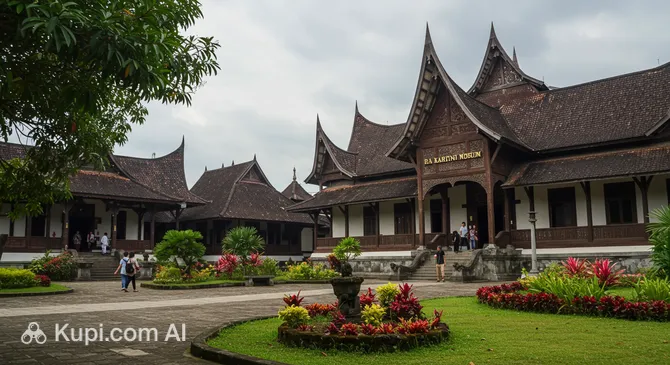
A cultural journey through Jepara is unthinkable without a visit to the R.A. Kartini Museum. The exhibition is dedicated to the life of the city's most famous native, her contribution to education, and women's rights. It houses Kartini's personal belongings, ancient photographs, and traditional teak products that clearly demonstrate the history of the region's craftsmanship.
RA Kartini Museum. Illustration.
Source: Kupi.com AI
Traveller photos:
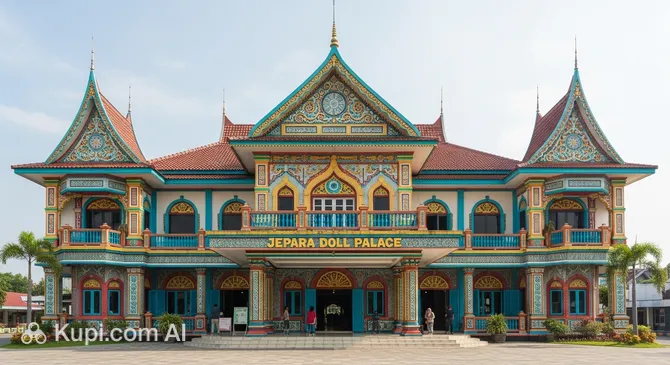
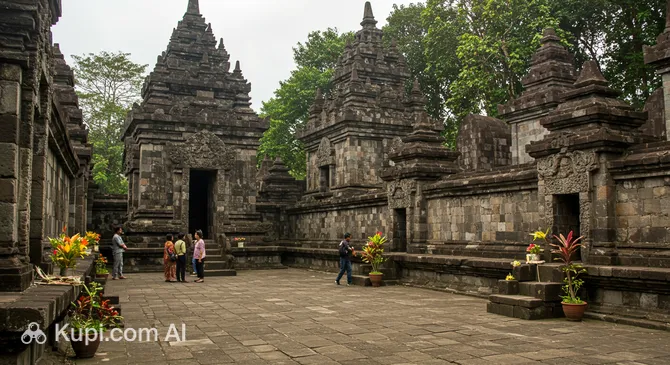
Lovers of mysticism and ancient history should head to the Tomb of Queen Kalinyamat. This site is not only sacred for pilgrims but also an important architectural monument, reminding of the times of the prosperous maritime kingdom. For family recreation and entertainment, the Jepara Doll Palace (ISBON) is excellent, featuring a huge collection of toys and photo zones for children.
Jepara Doll Palace. Illustration.
Source: Kupi.com AI
Traveller photos:
As for natural areas, the main pride is Karimunjawa National Park, which administratively belongs to the district. On the mainland, the Sreni Indah park is popular—a shady forest zone ideal for picnics and light trekking. The combination of historical museums and green parks makes Jepara an excellent destination for educational tourism.
Tomb of Queen Kalinyamat. Illustration.
Source: Kupi.com AI
Traveller photos:
Getting Around
The public transport system in Jepara is typical for small Indonesian cities, where the main emphasis is on mobility and affordability. There are no subways or trams, but there is a well-developed network of minivans (angkots) and suburban buses. Intercity connections link Jepara with Semarang and Surakarta, with buses departing regularly from the main bus station.
For moving around the city itself, tourists most often choose ojek (motorcycle taxis) or traditional becak cycle rickshaws. A becak ride is not just a way to get to a place, but a kind of attraction that allows you to leisurely view the carved facades of the houses. The cost of a ride is usually negotiable, so it's worth discussing the price with the driver in advance.
Renting your own motorbike remains the most popular option among independent travelers, giving the freedom to visit remote beaches or forest parks. An important element of the transport system is the Kartini seaport. From here, ferries and high-speed boats run to the Karimunjawa archipelago; it's best to purchase tickets at the port ticket offices or book online, especially on weekends when the demand for sea trips increases.
Accommodation
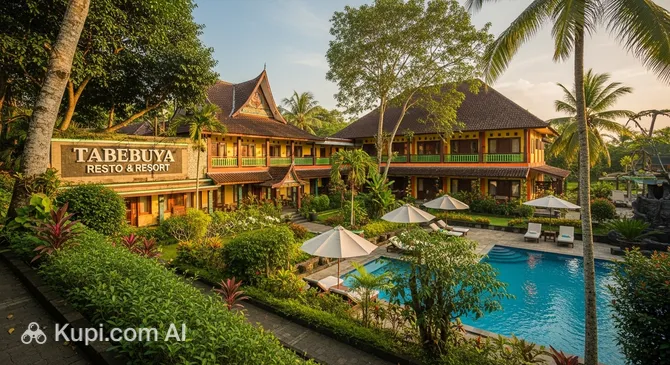
Jepara's hotel sector offers a variety of options—from modest guesthouses in the city center to luxury seaside resorts. For those who value proximity to nature and a high level of service, Tabebuya Resto & Resort is an excellent choice. This place combines cozy rooms with magnificent views of the coast, making it popular among honeymooners and families with children.
Tabebuya Resto & Resort. Illustration.
Source: Kupi.com AI
Traveller photos:
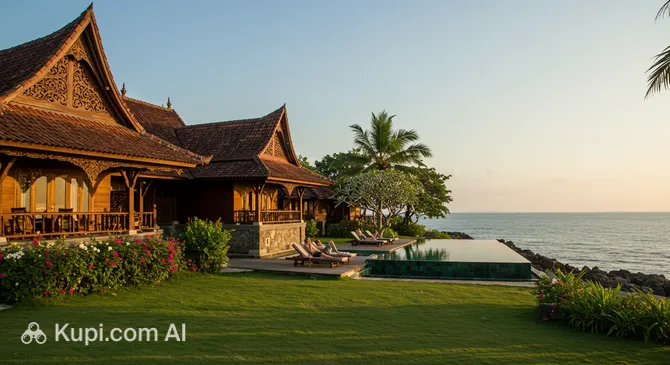
Another attractive option for a seaside stay is Coconut Lodge Resort. Located in a quiet area, this hotel offers an atmosphere of seclusion and tranquility, ideal for recharging after busy tours of artisan workshops.
Coconut Lodge Resort. Illustration.
Source: Kupi.com AI
Traveller photos:
Budget travelers can find many affordable options in the Kartini Beach area or in the central part of the city. During peak tourist season, especially during the dry weather from May to September, it is recommended to book accommodation in advance, as the best hotels by the sea fill up quickly. The main booking method remains international online platforms, though many small guesthouses still only accept cash in the local currency.
Nearby Cities
Jepara serves as an excellent starting point for those wishing to explore the northern coast of Java and the nearby islands. Its favorable location allows for planning short but rich trips to historical and natural landmarks of the region.
Just 54 kilometers away is Semarang, the administrative center of the province. This major city attracts tourists with its colonial architecture, especially the "Old Town" (Kota Lama) area, and magnificent Chinese temples. Another interesting destination is the city of Pati, known for its agricultural lands and authentic way of life. However, the most coveted spot for a day (or longer) trip remains the Karimunjawa archipelago, which can be reached by high-speed ferry directly from the port of Jepara.
Each of these destinations reveals a new facet of Indonesia: from a dynamic metropolis to untouched beaches with coral reefs. Exploring the surroundings of Jepara will help you form a complete picture of the diverse culture and nature of Central Java.
Shopping & Souvenirs
Shopping in Jepara is primarily an introduction to the world of high-end furniture and wood carving. The city is rightly considered the "furniture Mecca" of Asia: hundreds of showrooms line its streets, where you can buy everything from miniature wooden figurines to massive carved teak doors. If you are looking for a unique gift, pay attention to the panels with the finest carving, which has become the hallmark of local masters.
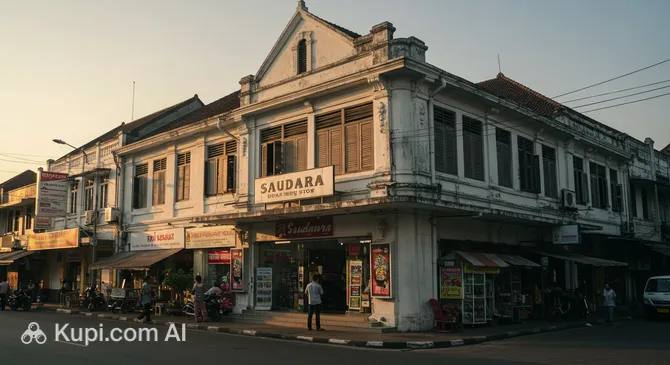
For everyday shopping and a glimpse into the city's modern life, visit the Saudara Jepara Department Store. This is one of the main shopping centers where you can find clothing, cosmetics, and groceries. Local residents often shop here, allowing you to feel the real rhythm of urban life.
Saudara Department Store Jepara. Illustration.
Source: Kupi.com AI
Traveller photos:
Don't forget to check out the traditional souvenir markets near Kartini Beach. There you can buy shell crafts, traditional batik, and woven accessories. In small shops, it is common to bargain—it is part of the local culture that can turn a purchase into an engaging process. Most shops operate from morning until 8–9 PM, and cash (Indonesian Rupiah) is most commonly accepted, although cards also work in larger centers.