Support

Ramsar Palace

About

Ramsar Palace, also known as the Marble Palace, is one of the most significant historical landmarks in the city of Ramsar, located in northern Iran within the Mazandaran province. This magnificent palace complex, built during the Pahlavi dynasty, graces the southern coast of the Caspian Sea and serves as a prime example of the architectural craftsmanship of its era.
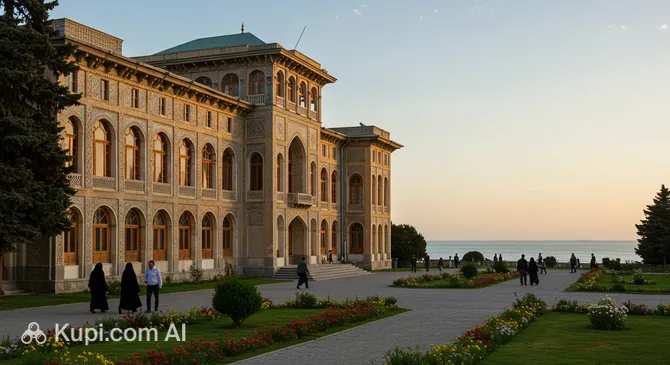
Ramsar Palace. Illustration.
Source: Kupi.com AI

Traveller photos:

The palace's architecture is a unique fusion of traditional Iranian motifs and European influences. It earned its second name, the "Marble Palace," due to the extensive use of this noble stone in its facades and interiors. The project was designed by the talented architect Hovhannes Onick Gharibian, who successfully harmonized national architectural traditions with the advanced European designs of that time.

Today, Ramsar Palace operates as a museum, inviting visitors to immerse themselves in the atmosphere of the past and appreciate the luxury of the Shah era. Guests can walk through the halls, admiring the exquisite decor, preserved furniture, and artworks. Visiting this palace is a chance to touch the history of Iran and enjoy the beauty of one of its architectural treasures in the scenic seaside city of Ramsar.

Contacts

To get the most up-to-date information on opening hours, admission fees, and available tours at the Ramsar Palace, we recommend checking the official tourism resources of the city of Ramsar or inquiring locally. Often, the most comprehensive and current details can be found on official attraction websites or at local information centers.

How to contactContact
AddressMazandaran Province, Ramsar, Rajaei St, WM33+CM7, Iran
Phone+98 11 5522 5374 ext. 5
Websitecio-museums.org

What to Do

Visiting Ramsar Palace is a unique opportunity to experience the rich cultural heritage of Iran from the Pahlavi dynasty era. Once inside, you can explore the luxurious interiors that have preserved the atmosphere of the early 20th century. The main highlights are the exquisite decorative elements and valuable artworks, each telling its own story and reflecting the tastes of the Iranian elite at the time. Visitors can move leisurely from room to room, studying the furnishings and imagining the lives of its former residents.

An essential part of the experience is a stroll through the magnificent garden that surrounds the complex. Here, you can enjoy the peace and beauty of the well-kept landscapes while taking in views of the palace itself. The garden offers a wonderful opportunity for relaxation and contemplation, allowing you to appreciate the harmony between architecture and nature. A visit to Ramsar Palace in Ramsar allows you not only to see historical artifacts but also to feel the spirit of a bygone era.

Getting There

Ramsar Palace is located in the eponymous city of Ramsar, which is nestled in northern Iran within the Mazandaran province. This picturesque spot sits on the southern coast of the Caspian Sea at the foot of the Alborz Mountains, making it a highly attractive tourist destination.

To reach Ramsar itself, travelers can take a car from major Iranian cities, such as Tehran. The road runs along the Caspian coast and is famous for its breathtaking views as it passes through the Alborz foothills. The journey itself can be a delightful part of your adventure.

Once in Ramsar, finding the Ramsar Palace is quite easy, as it is one of the city's main landmarks. You can most likely reach it by local taxi from your hotel or the city center. It is also worth checking locally for any public transport routes that might pass near the palace. Usually, locals or hotel staff can suggest the most convenient way to get there.

Nearest city: Ramsar

History & Facts

Ramsar Palace, located in the city of Ramsar in northern Iran, is a significant historical and architectural monument. Its construction began in 1316 according to the Islamic calendar, which corresponds to 1937–1938 in the Gregorian calendar. The palace was commissioned by Reza Shah Pahlavi, the founder of the Pahlavi dynasty and father of the last Iranian Shah. This project was part of his extensive national modernization program aimed at bringing Iran closer to the Western standards of the time.

While Ramsar existed as a settlement earlier, it officially gained city status in 1943, after the palace was built. However, Ramsar gained international fame somewhat later, in February 1971. It was here that the famous Ramsar Convention on Wetlands was signed. This international treaty, crucial for biodiversity conservation, aimed to protect waterfowl habitats worldwide, and the site of its signing has immortalized the city's name in the history of the environmental movement.

Beyond its historical and cultural significance, Ramsar possesses a very unusual natural feature. This region is known for having the highest concentration of natural background radiation on the planet. This is due to unique geological conditions: groundwater dissolves radium from underground uranium-bearing igneous rocks and carries it to the surface via hot springs. Despite the elevated radiation levels, these springs are traditionally used by locals and tourists for relaxation and wellness, adding another intriguing detail to the character of this remarkable place.

Time Needed

When planning a visit to Ramsar Palace, located in the scenic city of Ramsar, you should allow for 2–3 hours for a full tour. This timeframe is generally sufficient to leisurely stroll through the main halls, admire the architecture, interior decor, and any exhibits. The palace, also known as the Marble Palace, is an important historical and cultural site, and exploring it requires proper attention.

This duration includes seeing the building itself, its interiors, and walking through the surrounding grounds or gardens if they are part of the complex. If you plan to dive deeper into the historical aspects, take photographs, or visit any special exhibitions held on-site, your stay may be slightly longer. For those who just want a general overview, 1–1.5 hours may be enough.

Overall, Ramsar Palace offers a fascinating immersion into the history of Iran, and setting aside enough time will allow you to enjoy its atmosphere without rushing. It is recommended to check opening hours and any available tour programs before your visit to plan your time as efficiently as possible.

Working Hours

When planning a visit to Ramsar Palace, it's important to remember that exact opening hours may not always be fixed and are subject to change. Typically, many cultural sites in Iran welcome visitors during daylight hours. However, keep in mind that on Fridays (the weekend in Iran) or during religious holidays like Ramadan, the schedule may be shortened or altered. National holidays can also affect the attraction's availability. If specific information on hours is unavailable, visiting in the morning is a good strategy. This helps avoid potential midday breaks, especially in hotter months, as well as the potential influx of tour groups. Seasonality also plays a role: hours may be slightly extended in summer and shortened in winter.

Regarding the need for pre-booking tickets at Ramsar Palace, for such significant and popular sites, it is often a good idea, especially if your trip to Ramsar falls during peak tourist season. Pre-purchasing tickets or signing up for a tour, if available, can save time and help you avoid queues, guaranteeing access. To ensure your visit is as comfortable as possible, it's recommended to check the latest information on opening hours and entry conditions through official resources or local tourist information points before your trip.

9:00 – 16:00

Nearby

Visiting the majestic Ramsar Palace is undoubtedly one of the highlights for any guest in Ramsar. However, to make your journey to this picturesque corner of Iran even more complete and memorable, we recommend exploring other nearby attractions. Often, it is these "neighboring" spots that reveal the city from a new and unexpected perspective.

Exploring the area surrounding Ramsar Palace will allow you to dive deeper into the atmosphere of Ramsar, discover other interesting historical sites, enjoy natural beauty, or simply find a cozy place to relax. It is a great way to enrich your experience and gain a fuller picture of the region.

In the city of Ramsar and its vicinity, there are certainly other interesting places besides the Ramsar Palace that might capture your interest. To learn more about them and plan your route effectively, we suggest contacting local tourist information centers or guides. They can offer options tailored to your interests and help you discover the full diversity of Ramsar.

Reached the bottom of the page?

Looks like you know this route inside out