Imamzadeh Saleh is one of the most revered and well-known Shia shrines, functioning as an active mosque and mausoleum located in the picturesque Tajrish district in the north of Tehran, the capital of Iran. This site attracts not only pilgrims but also tourists interested in Islamic architecture and culture.
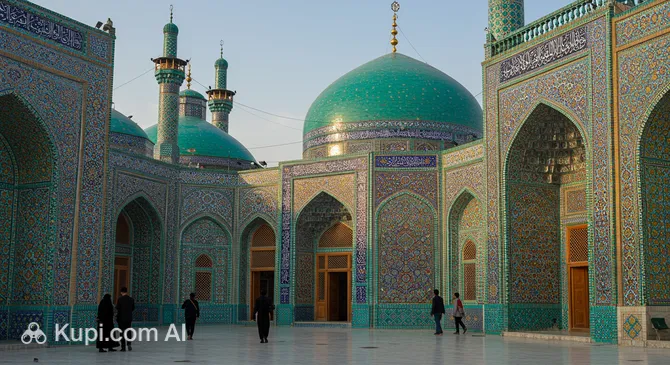
Traveler photos:
The primary significance of Imamzadeh Saleh lies in the fact that it is the burial place of Saleh ibn Musa, the son of the seventh Shia Imam Musa al-Kadhim, who is deeply venerated in Twelver Shia Islam. The complex is not just a tomb but an entire ensemble, including a majestic mausoleum, a spacious mosque for prayers, and a small museum where you can learn about the history of the shrine and see related artifacts.
The architecture of Imamzadeh Saleh is a true journey through the centuries. The complex's current appearance harmoniously combines elements characteristic of various historical eras, from the Ilkhanid period to the Qajar and Pahlavi times. This blend of styles gives the shrine a unique character and allows visitors to trace the development of Iranian architecture.
The exterior and interior decoration are striking in their splendor. Traditional materials such as brick and glazed tiles (kashi) were used in the construction and finishing, alongside more modern ones like concrete. The skillful aina-kari mirror work covering the walls and ceilings is particularly breathtaking, creating an incredible play of light. The magnificence is further complemented by exquisite Persian calligraphy and vibrant mosaic panels, showcasing the craftsmanship of Iranian artisans.