Support

Tahrir Square

About

Tahrir Square (Liberation Square) is one of the most famous and significant landmarks located in the very heart of Baghdad, the capital of Iraq. It is not just an open space but a true symbol of the city, playing a vital role in its social and cultural life. The square is known as a venue for various events and gatherings, reflecting the pulse of the modern Iraqi capital.
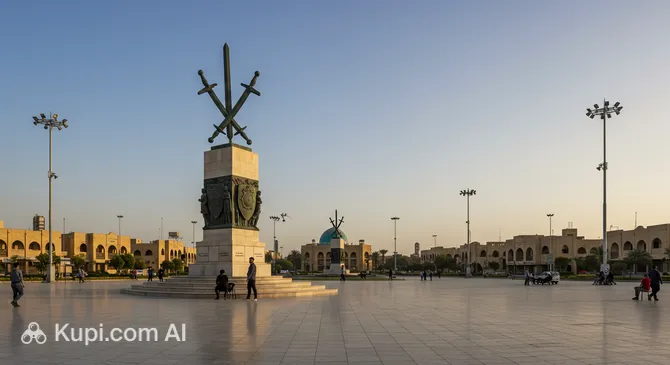
Tahrir Square. Illustration.
Source: Kupi.com AI

Traveler photos:

The historical and cultural value of Tahrir Square is undeniable. One of its main decorations and symbols is the monumental relief panel "14th July Revolution," created by the prominent Iraqi sculptor Jawad Saleem in 1959–1960. This impressive monument tells the story of key events in the country's history and is an important site for those seeking a deeper understanding of Iraq's past.

Tahrir Square occupies a strategic position in the city. Important administrative buildings are located in its immediate vicinity, including the Parliament, various ministries, as well as banks and major hotels. This location makes it not only a transport hub but also a bustling center of urban activity, where locals and tourists can feel the atmosphere of Baghdad and get acquainted with its culture and daily life.

Contacts

Tahrir Square is an iconic public space in Baghdad, so it does not have specific contact details for tourists. For up-to-date information on possible events at the square or to plan your visit, it is best to contact local tourist information centers or official Iraqi tourism resources. The square can be reached by public transport or taxi from various parts of the city.

How to contactContact
Address8CH5+487, Baghdad, Baghdad Governorate, Iraq

What to Do

Tahrir Square in Baghdad offers visitors a unique opportunity to touch the history and culture of Iraq. The main object of attention is the monumental relief panel "14th July Revolution." This impressive monument serves not only as a reminder of an important historical event but also as a striking example of monumental art. Walking around the square, you can also appreciate the features of local architecture and urban planning solutions that reflect the city's stages of development.

In addition to seeing historical monuments, Tahrir Square is a great place to observe daily life in Baghdad. Here, you can feel the rhythm of the city, see how locals spend their time, and perhaps even strike up a conversation with them. The square often serves as a starting point for exploring the adjacent streets, where you can find other interesting corners of the city and small attractions.

The infrastructure surrounding Tahrir Square offers tourists other activities as well. After a busy walk and sightseeing, you can relax in one of the many nearby cafes or restaurants to enjoy local cuisine. This is a great opportunity to dive deeper into the culture of Iraq through its gastronomic traditions.

Getting There

There are several ways to reach Tahrir Square, one of the key locations in Baghdad. The city's transport system offers routes passing near the square. In particular, you can use local buses, which are an economical way to get around the capital of Iraq.

A more comfortable and faster way to reach Tahrir Square is by taxi. Both traditional taxis and various ride-hailing services are available in Baghdad, which will take you directly to your destination. If you prefer to manage your own itinerary and timing, you might consider renting a car. This will give you greater flexibility to explore not only the square but also other city attractions.

To ensure your trip to Tahrir Square goes smoothly, it is recommended to study possible routes in advance and choose the most suitable mode of transport for you. Especially if it is your first time in Baghdad, it is helpful to check a city map or use navigation apps. In some cases, it may be advisable to ask hotel staff, local guides, or tourist information centers for advice on current transport links and optimal routes.

Nearest city: Baghdad

History & Facts

Tahrir Square in Baghdad holds a special place in the history of the city and the entire country of Iraq. Its history is closely intertwined with the development of the capital and key events that have left their mark on Iraqi annals. It is not just an urban space, but a landmark site reflecting the spirit and changes that Baghdad has experienced over the decades.

One of the square's most significant elements is the monumental relief panel known as the "14th July Revolution". This impressive monument is dedicated to the events of 1958, which became a major milestone in Iraq's history. The relief serves not only as artistic decoration but also as a permanent reminder of significant transformations in the country, attracting the attention of both locals and visitors.

The modern appearance of Tahrir Square was largely shaped by a large-scale reconstruction carried out in the late 1960s. Notably, foreign architects were involved in the development, and their ideas are reflected in the updated layout and architectural designs. Thanks to this, the square took on a more modern and orderly look while maintaining its central role in urban life.

Historically, Tahrir Square has served as a venue for various public and cultural events, becoming a focal point for city residents. This tradition emphasizes its importance as a public space where the pulse of Baghdad beats and where residents can gather for significant events or simply for leisure.

Time Needed

When planning a visit to Tahrir Square in Baghdad, you should base your timing on your interests and how deeply you want to immerse yourself in the atmosphere of this iconic spot. For a general introduction to the square, viewing its famous monumental relief panel and the surrounding area, 1–2 hours is usually sufficient. During this time, you can take photos, feel the energy of the place, and form a general impression.

If you want to do more than just a quick tour and wish to delve deeper into its history and cultural significance, as well as stroll through the neighboring streets to better feel the rhythm of life in Baghdad, you should allocate more time. In this case, plan to spend 3–4 hours here, or perhaps more. This will allow you to leisurely study the details, observe the locals, and maybe peek into some interesting places nearby.

Ultimately, how much time to spend at Tahrir Square is up to you. Some will limit themselves to a brief visit, while others will want to stay longer to fully experience the spirit of this important site for Iraq.

Working Hours

Tahrir Square in Baghdad is a public space, so access is usually open 24/7 all year round. There is no need for ticket reservations or a prior appointment to visit the square itself. You can come here at any time convenient for you to walk around, explore, and feel the atmosphere of this iconic location.

However, if you plan to visit any museums, galleries, or other institutions located in the immediate vicinity of Tahrir Square, it is recommended to check their opening hours in advance on official websites or through local tourist information centers. The operating hours of such sites may vary, and some may require a ticket purchase.

6:00 – 12:00

Nearby

Visiting Tahrir Square is undoubtedly a landmark event for any visitor to Baghdad, but to truly round out your experience of the city, it is worth exploring its surroundings. The area around this famous square hides many interesting sites that allow you to dive deeper into the atmosphere of the Iraqi capital and learn more about its culture and history.

A walk through the nearby streets can turn into a fascinating exploration. You can discover both well-known landmarks and less obvious but equally colorful spots that will add vibrant shades to your journey and help form a more multifaceted impression of Baghdad. Below is a list of some notable places located near Tahrir Square.

NameDistance
Tahrir Monument0.1 km
Bab Al Sharqi0.5 km
Rasul Kahi Geymar1.3 km
Iraqi National Museum2.2 km
Al-Mutanabbi Street2.3 km
Baghdad Renaissance Monument2.3 km
Qishla of Baghdad2.4 km

Have you reached the end of the page?

So the route has been studied inside and out