Support

Croke Park

About

Croke Park is not just a stadium; it is a true legend and a cultural symbol of Ireland, located in the heart of Dublin. This iconic venue is the home of traditional Irish sports such as Gaelic football and hurling, as well as the headquarters of the Gaelic Athletic Association (GAA). A visit here offers a deep dive into the sporting soul of the nation.

The stadium's scale is impressive, with a capacity of 82,300 spectators, making it one of the largest in Europe. Originally built in 1910 and named after Archbishop Thomas Croke, it carries a rich history. Locals and devoted fans affectionately call the arena "Croker," and the atmosphere during matches is truly electric.
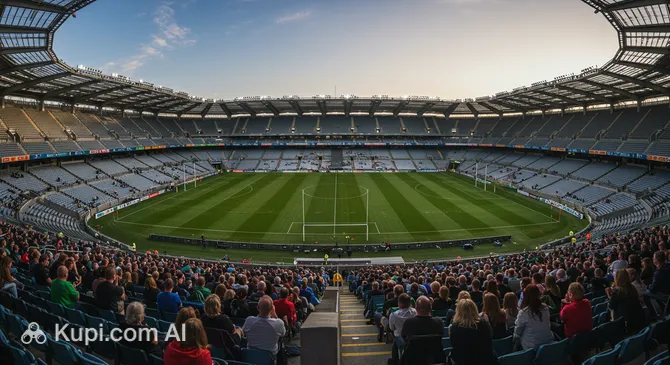
Croke Park. Illustration.
Source: Kupi.com AI

Traveler photos:

Following a massive redevelopment in 2005, Croke Park became a state-of-the-art complex offering much more than just match-day excitement. Today, visitors can explore the GAA Museum, which brings the fascinating history of Gaelic games to life through interactive exhibits. Exciting stadium tours are also available, offering a behind-the-scenes look at the dressing rooms and a walk out to the pitch. For the more adventurous, the Skyline Tour provides a stunning panoramic view of Dublin from the stadium roof.

Contacts

For the most up-to-date information on event schedules, stadium tours, and opening hours, we recommend contacting the Croke Park administration directly. Below are the primary contact details for your convenience.

How to contactContact
AddressJones' Rd, Drumcondra, Dublin 3, Co. Dublin, Ireland
Phone number+353 1 819 2300
Websitecrokepark.ie

What to Do

Visiting Croke Park is a unique opportunity to connect with the heart of Irish culture through sport. The main reason thousands of spectators gather here is to witness traditional Irish games. You can see thrilling Gaelic football matches, which are a dynamic mix of rugby, football, and volleyball. Additionally, the stadium hosts competitions for other indigenous sports like hurling, making a visit here a truly authentic experience.

Beyond sports, Croke Park is renowned as one of the country's premier concert venues. Many global stars have performed on its stage, drawing tens of thousands of fans. The stadium also hosts other large-scale events. For example, it was the site of the spectacular opening and closing ceremonies for the 2003 Special Olympics, highlighting its importance not just for sports, but for the entire cultural life of Ireland.

For a traveler, one of the most memorable experiences is the chance to cheer for a team alongside the locals. This is more than just watching a game; it is a full immersion into an atmosphere of shared excitement and unity that makes you feel like part of the Irish community. Such an experience leaves lasting memories and helps you better understand the character and traditions of this amazing country.

Getting There

Getting to Croke Park stadium is quite easy, thanks to its location near Dublin city center and an excellent transport network. Whether you prefer public transport, a taxi, or a pleasant walk, you can easily reach this iconic venue. The stadium is situated in the Drumcondra area, just a 15-20 minute walk from the city center, making it accessible for all visitors to the capital of Ireland.

The most convenient way to reach Croke Park via public transport is by train. The nearest railway station, Drumcondra, is only a five-minute walk from the stadium. Trains run regularly from central stations like Dublin Pearse. You can also use the DART or LUAS networks. The closest DART stations are Connolly and Clontarf, which are 15-25 minutes away on foot. If you choose the LUAS tram, it is about a 15-minute walk from the Connolly (Red Line) or Parnell (Green Line) stops.

Numerous Dublin Bus routes also stop in the immediate vicinity of the arena, providing a great option from various parts of the city. For maximum convenience, taxis or ride-hailing services are available; a trip from the center takes only about 5-10 minutes, though it will be more expensive. If the weather is nice, a pleasant 20-minute walk from O'Connell Street allows you to reach the venue while soaking in the city's atmosphere. Please note that parking near the stadium is extremely limited on match or concert days, so using public transport is highly recommended.

Nearest city: Dublin

History & Facts

The history of Croke Park is a story of Irish heritage, passion, and tradition. It all began in 1884 when the Gaelic Athletic Association (GAA) started using the grounds for traditional Gaelic games. Since then, the stadium has evolved into the heart of Irish sporting life, hosting the most prestigious events in the world of Gaelic football and hurling—the All-Ireland Finals—which draw tens of thousands of dedicated fans every year.

Over the decades, Croke Park has grown alongside the city, becoming a cherished landmark that represents national pride. It has served as a grand stage for the country's most celebrated sporting achievements and cultural milestones. This hallowed ground is more than just a sports venue; it is a place where generations of families have come together to celebrate their unique athletic traditions and community spirit.

While honoring its storied past, Croke Park has always looked toward the future. A major redevelopment completed in 2005 transformed it into a modern, world-class sports complex. During this process, architects successfully preserved its historic soul and cultural significance. Today, it stands not only as a venue for games but as a symbol of resilience and unity, continuing to play a central role in the life of Dublin and the entire country.

Time Needed

When planning a visit to Croke Park, it is important to budget your time wisely to get the most out of the experience. On average, you should set aside 2 to 3 hours for a full visit. This is enough time to explore the key locations without rushing, visit the museum, and soak up the unique atmosphere of this legendary Dublin landmark.

The length of your visit depends on the program you choose. A standard Stadium Tour, which includes behind-the-scenes access to the dressing rooms and the pitch side, typically takes about 1.5 hours. If you also wish to visit the GAA Museum to learn about the history of Irish games and test your skills in the interactive zone, you should add at least one more hour. The Skyline Tour, which takes you across the stadium roof for breathtaking panoramic views of the city, also lasts about 1.5 hours.

For the most immersive experience—for instance, if you plan to do both a tour and a leisurely museum visit—it is best to allow for half a day. This ensures you can enjoy all the interactive exhibits and history without any rush. Such a visit will undoubtedly be one of the highlights of your journey through Ireland.

Working Hours

The opening hours for Croke Park visitors are tied to the schedule of the GAA Museum and the stadium guided tours. While the museum and tours are available year-round, their hours can vary significantly depending on the season and event schedule. For example, from January to May, tours might run three times a day, whereas during the peak tourist season in July, they start much more frequently. It is important to keep in mind that on match or concert days, the schedule may be adjusted and access may be restricted.

To avoid disappointment, it is highly recommended to book stadium tour tickets in advance, especially during the summer months and on weekends. The most reliable way to check the current schedule, verify availability for a specific day, and purchase tickets is through the official Croke Park website. This will allow you to plan your visit and ensure the stadium is open for tours during your preferred time.

DayOpening hours
Monday9:00 – 17:00
Tuesday9:00 – 17:00
Wednesday9:00 – 17:00
Thursday9:00 – 17:00
Friday9:00 – 17:00
Saturday10:00 – 17:00
Sunday10:00 – 17:00

Nearby

A visit to Croke Park is a wonderful starting point for exploring Dublin. Thanks to the stadium's convenient location and the city's compact nature, many other iconic landmarks are within walking distance. Exploring the surrounding area allows you to dive deeper into the atmosphere of Ireland's capital and experience its cultural, historical, and daily life alongside its sporting heritage.

Discovering nearby attractions will enrich your experience and help you form a more complete picture of this fascinating city. Just a couple of kilometers from the stadium, you will find famous museums, historic buildings, and picturesque parks. Below is a list of interesting nearby spots to include in your itinerary.

NameDistance
Murray’s Bar1.1 km
EPIC The Irish Emigration Museum1.4 km
14 Henrietta Street1.6 km
The Temple Bar Pub1.9 km
Trinity College Dublin1.9 km
Smock Alley Theatre2.1 km
3Arena2.1 km

Have you reached the end of the page?

So the route has been studied inside and out