Support

Kilmainham Gaol

About

Kilmainham Gaol is an iconic historical building in Dublin, a former prison that now functions as an important museum. It is considered one of Ireland's most significant landmarks, vividly reflecting its complex history and long struggle for independence. Visiting this site allows for a deeper understanding of key moments in the country's past.
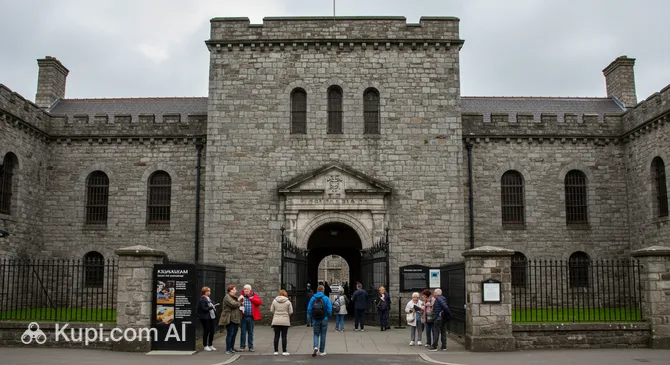
Kilmainham Gaol. Illustration.
Source: Kupi.com AI

Traveler photos:

Inside, visitors can see authentic prison corridors, cells where many famous historical figures were held, and the courtyard that witnessed tragic events. The museum exhibits detail the lives of the prisoners and the key historical events associated with this location, immersing visitors in the atmosphere of the past.

Today, Kilmainham Gaol is not only a museum dedicated to the history of Irish nationalism but also an impressive monument of 18th-century architecture. This site attracts thousands of tourists every year who wish to touch the dramatic pages of Irish history and better understand the nation's drive for freedom.

Contacts

To find out the latest information about opening hours, ticket prices, and available tours at Kilmainham Gaol, it is recommended to visit the official museum website or contact them directly. Below are the contact details that may be useful when planning your visit.

Please check the information on the official website, as details are subject to change.

How to contactContact
AddressInchicore Rd, Kilmainham, Dublin 8, D08 RK28, Ireland
Phone number+353 1 453 5984
Websitewww.kilmainhamgaolmuseum.ie

What to Do

A visit to Kilmainham Gaol offers a deep dive into Irish history through organized tours. Regularly conducted, these tours lead visitors through the somber corridors and cells where prisoners were once held, including many famous fighters for the country's independence. You will be able to see the cramped cells, imagine the daily life of the inmates, and visit the courtyard that witnessed executions, which leaves a strong impression and helps to better understand the dramatic chapters of Irish history.

In addition to touring the main prison facilities, visitors can explore the museum's exhibition. It features unique artifacts: documents, photographs, personal belongings of former prisoners, and thematic installations. These exhibits tell the stories of life in the prison and its role in key historical events. This allows for a deeper immersion in the atmosphere of the place and an appreciation of its significance for the Irish national identity.

Of particular interest is the art gallery located on the top floor of the building. It exhibits works of art created by prisoners both in the past and in modern Ireland. These works often reflect personal experiences, hopes, and despair, adding another layer to the understanding of the human experience within the prison walls. The gallery serves as a kind of bridge between the tragic past and the modern interpretation of freedom and justice.

Getting There

Getting to Kilmainham Gaol, located on the western outskirts of central Dublin at Inchicore Road, is quite simple. It is a popular tourist destination, so transport links are well-established. You can use public transport, take a taxi, or arrive by car.

One of the most convenient ways to reach the prison is by bus. Several city routes pass through this area, such as buses numbered 13, 40, 69, and 79. Stops are usually within walking distance of the museum entrance. If you prefer comfort and speed, you can always take a taxi from the city center or any other point in Dublin. For those traveling by car, visitor parking is provided near the attraction.

If you are in the center of Dublin and enjoy walking, you can reach Kilmainham Gaol in about 30–40 minutes. This is a great opportunity to get to know the city better. Additionally, Dublin is a bike-friendly city, and the area where the prison is located is well-suited for two-wheeled transport. You can rent a bike and enjoy a ride through the picturesque streets.

Nearest city: Dublin

History & Facts

Built in 1796, Kilmainham Gaol in Dublin was originally considered one of Ireland's most modern penal institutions. It housed men, women, and even children; initially, everyone stayed in shared cells designed for five people and lit by a single candle for two weeks. This fact vividly illustrates the living conditions for prisoners at the time.

Throughout its history, Kilmainham Gaol served as a place of detention for both ordinary criminals and many political figures who became symbols of Ireland's struggle for independence. The walls of this somber institution witnessed participants of numerous uprisings. The prison played a particularly tragic role after the Easter Rising of 1916: it was here that 15 of its 16 leaders were executed. One of the most poignant stories from this period is the marriage of Joseph Plunkett and Grace Gifford, which took place in the prison chapel just hours before his execution.

After the proclamation of Ireland's independence in the 1920s, Kilmainham Gaol was closed and fell into disrepair for several decades. However, thanks to the efforts of volunteers and the public who recognized the historical value of the site, restoration began in the 1960s. Today, Kilmainham Gaol functions as a museum, becoming an important memorial and a place of pilgrimage for anyone interested in Ireland's complex and dramatic history. Visiting the prison allows for a deeper understanding of key moments in the country's struggle for sovereignty.

Time Needed

When planning a visit to Kilmainham Gaol in Dublin, you should allow approximately 1.5–2 hours to fully explore this iconic site. This time is usually enough to immerse yourself in its complex history and view the main exhibits without rushing.

The main part of the visit is a guided tour that lasts about an hour. Guides provide detailed information about the prison's history, its famous inmates, and its role in Irish history. After the tour, you will have time to explore the museum exhibits and gallery located on the prison grounds at your own pace. This allows for a deeper study of the artifacts and documents on display.

Thus, by setting aside a couple of hours in your itinerary, you can get a full picture of Kilmainham Gaol, one of Ireland's most important historical sites. It is recommended to check the tour schedule in advance and, if possible, book tickets ahead of time, especially during the tourist season.

Working Hours

Kilmainham Gaol in Dublin is typically open to visitors daily, but opening hours may vary depending on the season. Generally, the museum welcomes guests from 9:30 AM to 5:30 PM. It is important to note that the last entry to the grounds usually occurs about an hour before the official closing time.

Since tours of Kilmainham Gaol are in high demand, it is strongly recommended to purchase tickets online in advance. This will help you guarantee a visit at a time convenient for you and avoid disappointment due to lack of availability, especially during the peak tourist season. Before your visit, it is always helpful to check the official website of the attraction for current information on opening hours and visiting conditions.

9:30 – 17:45

Nearby

A visit to Kilmainham Gaol is undoubtedly a profound and memorable event. However, to make your trip to Dublin even more rewarding, it is worth exploring other interesting places nearby. Often, it is these spontaneous discoveries and short walks around the area that provide the most vivid impressions and help you better feel the city's atmosphere.

The area surrounding Kilmainham Gaol offers a variety of options to continue your tour. From cultural sites to leisure spots, you will easily find something to your taste, complementing your historical experience with new discoveries. Below is a list of some nearby attractions.

NameDistance
Guinness Storehouse1.5 km
Dublin Zoo1.7 km
Light House Cinema2.2 km
Bow St. Distillery2.3 km
The Cobblestone2.3 km
Marsh’s Library2.6 km
Smock Alley Theatre2.7 km

Have you reached the end of the page?

So the route has been studied inside and out