Support

Ducal Palace

Nearby places of interest

About

The Palazzo Ducale, or Ducal Palace, is a majestic architectural complex in the heart of Mantua, one of Italy's most impressive palace-museums. It once served as a luxurious residence for the powerful Gonzaga family, who ruled the city for several centuries. Today, it is a literal "city within a city," revealing its treasures and rich history to visitors.

The scale of the Palazzo Ducale is breathtaking: the complex covers an area of about 34,000 square meters and features approximately 500 rooms connected by corridors and galleries, and adorned with cozy courtyards and gardens. This labyrinth of buildings, constructed and joined together from the 13th to the 18th century, makes it one of the largest palace ensembles in the country.
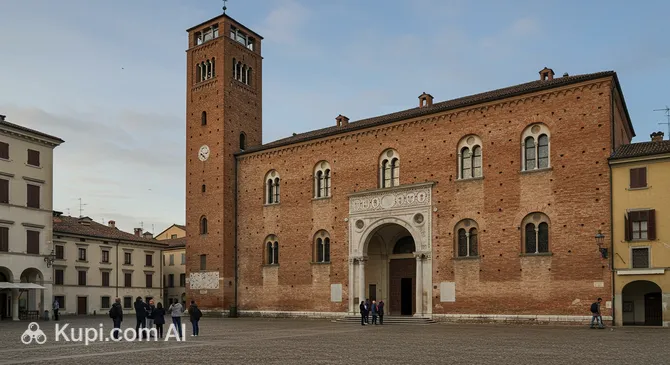
Ducal Palace. Illustration.
Source: Kupi.com AI

Traveller photos:

Inside the palace, travelers will find themselves immersed in a world of art and luxury. The halls are decorated with unique ceiling paintings, ancient tapestries, and works by great masters. Among the most famous rooms is the Camera degli Sposi (Bridal Chamber) with illusionistic frescoes by Andrea Mantegna, as well as themed rooms such as the Room of the Zodiac, the Labyrinth Room, and the impressive Gallery of Mirrors. A walk through the Palazzo Ducale is an opportunity to touch the splendor of the Renaissance and appreciate the cultural heritage left by the Gonzaga dynasty.

Contacts

To plan your visit, check current opening hours, or ask questions, you can contact the museum administration. All necessary information is available through official channels.

How to contactContact
AddressPiazza Sordello, 40, 46100 Mantova MN, Italy
Phone+39 0376 352100
Websitemantovaducale.beniculturali.it

What to Do

A visit to the Palazzo Ducale is a fascinating journey through halls filled with history and art. The main activity here is a leisurely stroll through the luxurious interiors, where every corner is decorated with frescoes and artworks from different eras. You can admire a rich collection of ancient tapestries and view antique furniture, paintings, and sculptures that once surrounded the Gonzaga dukes. The impressive ceiling paintings and the unique design of the halls—each with its own theme and character—are particularly striking.

In addition to exploring the permanent collection, the Palazzo Ducale offers other ways to immerse yourself in its atmosphere. Temporary exhibitions and cultural events are regularly held here, so every visit can offer new experiences. Tourists can climb the palace towers to enjoy views of the courtyards and gardens or walk through the elegant galleries. Guided tours provide a deeper look into the lives of the powerful Gonzaga dynasty and the history of Mantua, which is inseparable from this magnificent complex.

Getting There

Getting to the Palazzo Ducale is easy thanks to its convenient location in the heart of Mantua. The palace is situated on the central Piazza Sordello, making it easily accessible for pedestrians. If you are arriving in the city by train, the walk from the railway station to the palace takes approximately 15–20 minutes. The route passes through picturesque central streets, allowing you to immediately immerse yourself in the atmosphere of the historical center.

For travelers coming from other cities in Italy, Mantua offers excellent transport links. The city is connected by regular train and bus routes to major cities in the Lombardy region, such as Verona and Milan. If you are traveling by car, parking is available near the historical center. Alternatively, you can always use local public transport—for example, bus No. 4 or No. 1 from the station—or take a taxi directly to the palace entrance.

Nearest city: Mantua

History & Facts

The history of the Palazzo Ducale in Mantua is a true kaleidoscope of eras, reflecting the grandeur and ambitions of its owners. Construction of this magnificent complex began in 1290 at the initiative of Guido Bonacolsi, but it was the Gonzaga dynasty, who came to power later, that transformed it into a luxurious residence by constantly expanding and adding new buildings. The construction process spanned several centuries, concluding only in 1708. Over this time, the palace became an architectural conglomerate, where elements of different styles blend harmoniously.

One of the oldest and most iconic buildings in the complex is the Palazzo del Capitano, whose facade overlooks the central Piazza Sordello. Its name recalls the early period of Gonzaga rule when they held the title of "Captain of the People." This building laid the foundation for the future "city within a city" and witnessed key moments in Mantua's history. Each new generation of rulers added new halls, courtyards, and galleries to the ensemble, striving to surpass their predecessors.

With the fall of the Gonzaga dynasty in the early 18th century, the Palazzo Ducale gradually lost its status as a political center and primary residence. However, its unique historical and cultural heritage was preserved. After a period of neglect and subsequent restoration in the 20th century, this majestic complex was transformed into one of Italy's most important state museums, opening its doors to all who wish to experience the rich history and art of the Renaissance.

Time Needed

When planning a visit to the Palazzo Ducale, you should allow 2–3 hours for a full introduction to its main treasures. This time is usually enough to leisurely explore the main halls, including the famous Camera degli Sposi, walk through the impressive galleries, and get a general idea of the scale of the Gonzaga dukes' residence. Many guided tours are designed for exactly this amount of time.

However, if you are a history and art enthusiast, exploring the palace may take significantly longer—up to half a day. Given that the complex has about 500 rooms, numerous courtyards, gardens, and temporary exhibitions, it's easy to spend several hours here studying the frescoes, tapestries, and architectural details in depth. To avoid rushing and fully enjoy the atmosphere of this unique "city within a city," it's better to set aside some extra time.

Working Hours

The Palazzo Ducale in Mantua is open to visitors year-round, except for a few holidays. The standard museum opening hours are Tuesday to Sunday, 8:15 AM to 7:15 PM. It is important to note that the last entry is at 6:20 PM, and the ticket office closes at 6:15 PM. Monday is the official closing day. The palace is also closed on January 1 and December 25.

To visit the palace, especially its most famous part—the Camera degli Sposi (Bridal Chamber)—it is highly recommended to book tickets in advance. Access to this room is strictly limited by the number of visitors per day to ensure the preservation of the unique frescoes. Advance booking will help guarantee your entry and avoid long queues. Before planning your visit, it is always helpful to check current information on the official Palazzo Ducale website, as opening hours may change due to special events.

DayOpening hours
MondayClosed
Tuesday8:15 – 19:00
Wednesday8:15 – 19:00
Thursday8:15 – 19:00
Friday8:15 – 19:00
Saturday8:15 – 19:00
Sunday8:15 – 19:00

Nearby

A visit to the Palazzo Ducale is just one part of exploring the rich cultural heritage of Mantua. Due to the palace's central location, many other iconic sites are within walking distance, helping you gain a deeper understanding of the history and atmosphere of this unique city. A stroll around the area will give you a fuller picture of the grandeur of the Gonzaga era and the variety of architectural and cultural treasures.

Exploring nearby attractions will enrich your trip with new impressions. Just a few minutes' walk away, you'll find ancient basilicas, other museums, and even the famous castle that is an integral part of the entire palace complex. Below is a list of interesting places located right next to the Palazzo Ducale.

NameDistance
Basilica of Santa Barbara0.1 km
National Archaeological Museum of Mantua0.1 km
San Giorgio Castle0.2 km
Alla Buca della Gabbia Mantuan Wine Bar0.2 km
Sucar Brusc Restaurant Mantua0.2 km
Virgilian Square0.3 km
Rotonda di San Lorenzo0.3 km

Reached the bottom of the page?

Looks like you know this route inside out